
Balut (Hột Vịt Lộn): Vietnamese Fertilized Duck Egg Guide
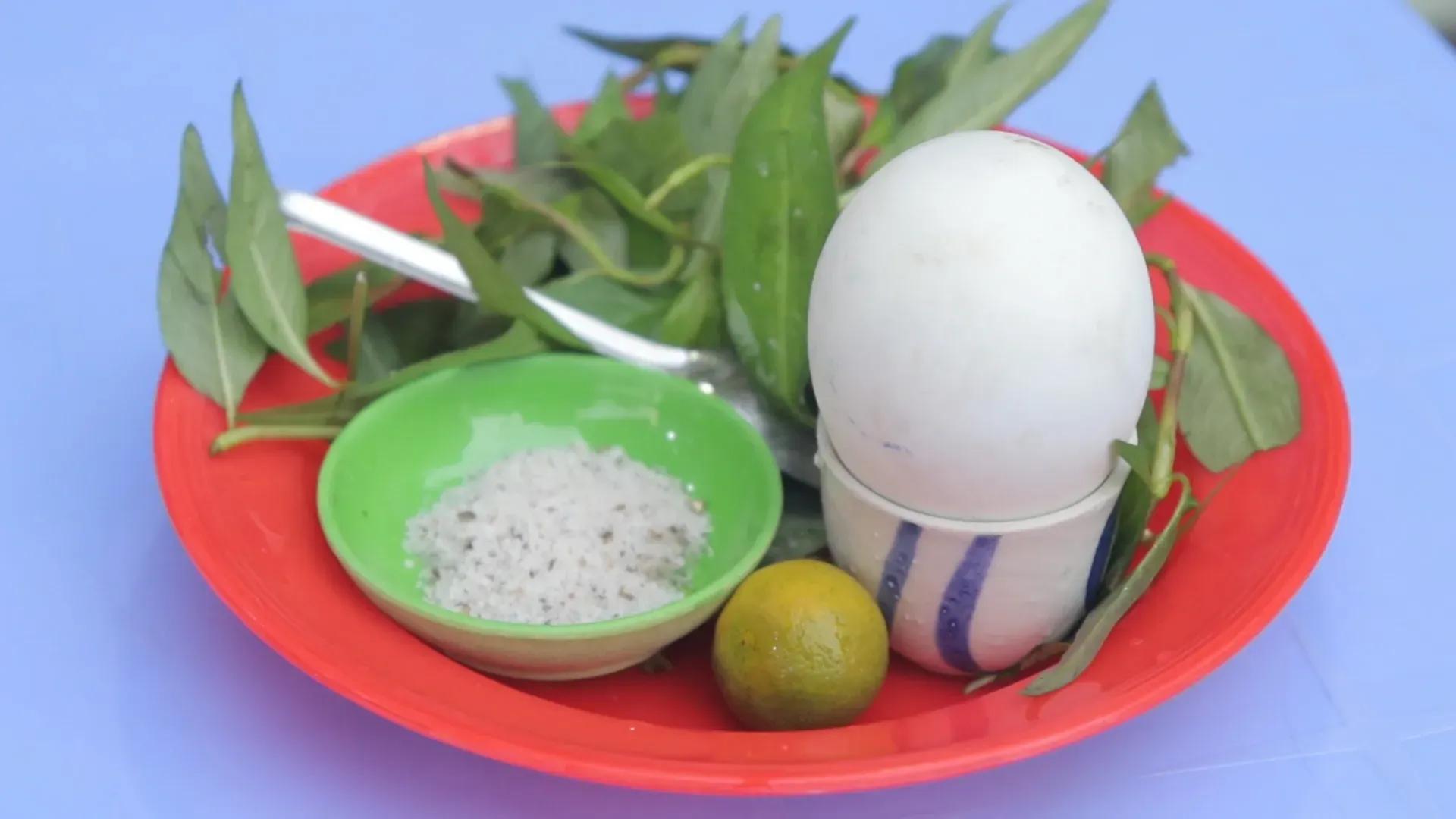
Balut, known locally as Hột Vịt Lộn, is one of Vietnam’s most iconic and adventurous street foods. Made from a fertilized duck egg that is carefully incubated before being boiled, it is enjoyed by locals as a nutritious snack or light meal. Served with Vietnamese coriander, salt, pepper, lime, and sometimes ginger, Balut offers a rich flavor and deep cultural significance. Go Visit Vietnam introduces everything you need to know before trying this unforgettable Vietnamese delicacy.
About Balut (Hot Vit Lon)
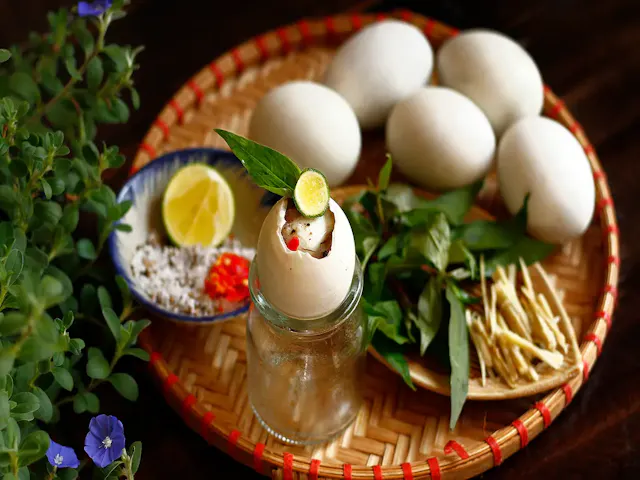
Balut, known in Vietnam as hột vịt lộn, is one of the country's most distinctive traditional street foods. It is a fertilized duck egg that is incubated until the embryo has developed, then boiled and served hot. For many Vietnamese people, hột vịt lộn is more than an unusual food for adventurous travelers—it is a familiar snack enjoyed in everyday life, particularly in the late afternoon or evening.
What makes balut interesting is the combination of textures and flavors found inside a single egg. The warm broth surrounding the contents has a savory, slightly sweet flavor, while the yolk is rich and creamy. The developing embryo has a firmer texture and a more savory character. Fresh herbs and simple seasonings help balance these flavors, making the dish quite different from an ordinary boiled egg.
Balut is traditionally served with rau răm (Vietnamese coriander), salt, black pepper, and lime or kumquat. Some vendors may also offer ginger, chili, or other local seasonings. The combination of hot egg, aromatic herbs, acidity, and mild spice creates a flavor profile that is both rich and refreshing.
For travelers, trying balut can be an opportunity to experience an everyday aspect of Vietnamese food culture rather than simply seeking an exotic dish. You will commonly find it at local street-food stalls, small eateries, markets, and evening food spots in cities throughout Vietnam.
The experience can be approached at your own pace. Some first-time visitors begin by tasting the broth and yolk before deciding whether they want to eat the developing embryo. Choosing a busy vendor with good food turnover and ensuring the egg is thoroughly cooked are sensible precautions.
If you are exploring Vietnamese cuisine for the first time, balut offers a memorable introduction to the country's diverse street-food traditions and the way simple ingredients can become deeply rooted in local culinary culture.
Key Ingredients & Traditional Accompaniments
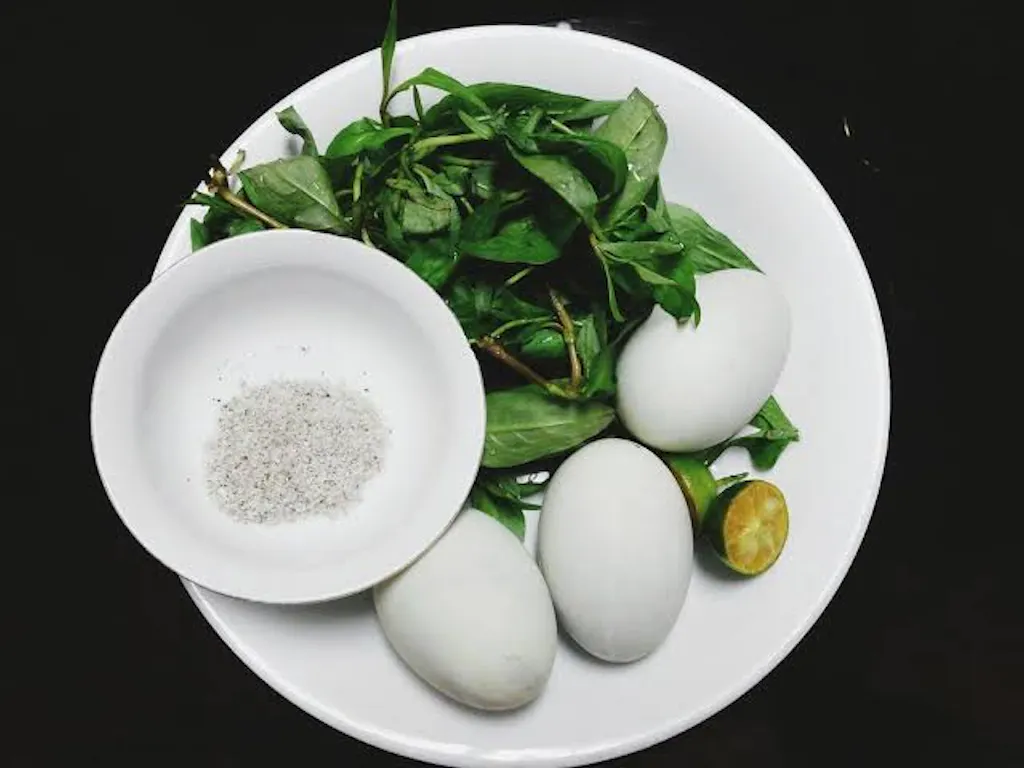
Balut (Hột Vịt Lộn) is a simple dish with only a few ingredients, but each plays an important role in its flavor and the traditional way it is enjoyed. The combination of the warm duck egg, fresh herbs, and classic seasonings creates a balanced and authentic Vietnamese street food experience.
Fertilized Duck Egg↗
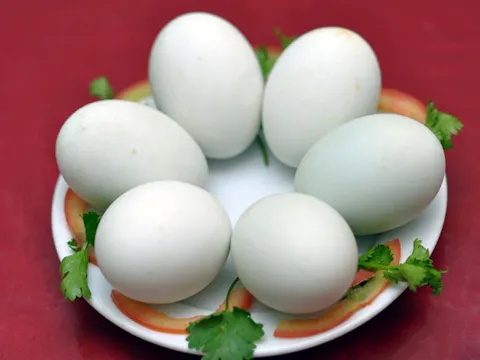
The main ingredient is a carefully incubated duck egg that is boiled until fully cooked. It provides a rich, savory flavor and is valued for its high protein content and nutritional benefits.
Vietnamese Coriander (Rau Răm)↗
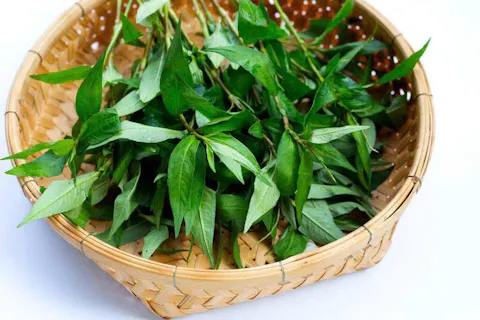
Fresh Vietnamese coriander is traditionally served alongside Balut. Its peppery, slightly spicy aroma helps balance the richness of the egg and is considered an essential accompaniment by many locals.
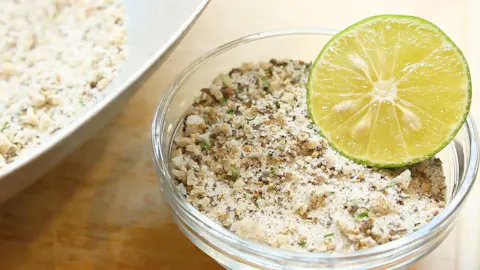
Salt, Pepper & Lime↗
A classic dipping mixture of salt, ground black pepper, and fresh lime juice enhances the natural flavors of Balut. Some vendors also offer sliced ginger or fresh chili for extra warmth and spice.
Explore More About Balut (Hột Vịt Lộn)
Discover everything you need to know about Balut (Hột Vịt Lộn), one of Vietnam's most iconic and intriguing street foods. Learn what balut is, how it's made, what it tastes like, how locals eat it, its nutritional value, and the cultural traditions behind this unique delicacy. Whether you're preparing to try balut for the first time or simply want to understand its place in Vietnamese cuisine, explore our expert guides covering every aspect of this unforgettable culinary experience.
What Is Balut? Vietnam's Fertilized Duck Egg Explained↗
Discover the fascinating story behind balut—known in Vietnam as hột vịt lộn—one of Southeast Asia's most iconic and nutrient-dense street food delicacies. This comprehensive guide explores the precise incubation science of the fertilized duck egg, compares regional differences between Filipino and Vietnamese preparations, and breaks down the unique sensory blend of rich broth, creamy yolk, and tender embryo. Learn the traditional step-by-step etiquette for eating balut like a local alongside fresh herbs and pepper-lime dipping salt.
Is Balut Healthy? Nutrition, Benefits & Things to Know↗
Delve into the scientific and biochemical profile of one of Southeast Asia's most famous street food delicacies: the fertilized duck egg (hột vịt lộn). This comprehensive nutritional guide breaks down balut's caloric density, complete amino acid structure, high biological value protein, bio-available heme iron, and essential vitamins like A and B12. Explore its historical reputation as a vitality tonic alongside objective dietary considerations, including cholesterol management, microbial food safety, and ideal consumption protocols.
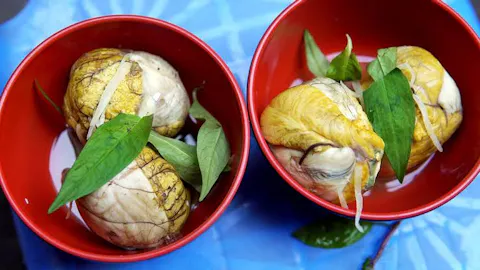
What Does Balut Taste Like? Flavor, Texture & What to Expect↗
Uncover the true taste profile of one of Southeast Asia's most intriguing street food delicacies: the fertilized duck egg (hột vịt lộn). Moving past visual expectations, this sensory guide deconstructs balut’s complex flavor layering—from its warm, savory poultry consommé broth and velvety, custard-like yolk to the tender, braised duck meatiness of the embryo. Learn how traditional accompaniments like peppery rau răm herbs and citrusy lime-pepper salt create a perfectly balanced, delicious culinary experience.
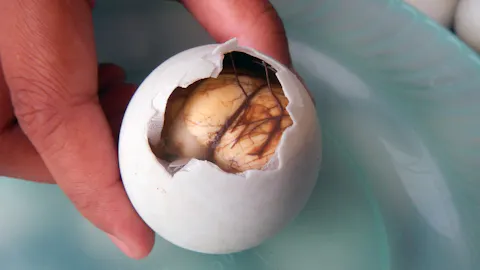
How to Eat Balut: A Step-by-Step Guide for First-Time Visitors↗
Master the art of eating balut (hột vịt lộn) like a local with this comprehensive step-by-step dining guide. Learn the proper technique for cracking the shell's air cell, sipping the warm, savory duck broth, and applying the essential pepper-lime salt dip (muối tiêu chanh). Discover how to pair creamy yolk and tender duck embryo with fresh rau răm (Vietnamese coriander) herbs, navigate table etiquette, and enjoy one of Vietnam’s most iconic street food rituals with confidence.
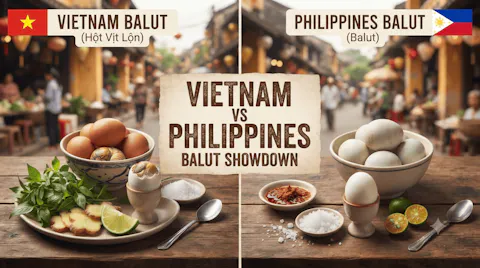
Vietnam Balut vs Philippines Balut: Key Differences Explained↗
Explore the fascinating comparative gastronomy between Vietnam’s hột vịt lộn and the Philippines' famous balut. This comprehensive guide breaks down the key differences between these two iconic street food traditions, analyzing incubation timelines (19–21 days in Vietnam vs. 16–18 days in the Philippines), sensory taste profiles, and textural variations. Learn how distinct seasoning philosophies—from Vietnamese lime-pepper salt (muối tiêu chanh) paired with peppery rau răm herbs to Filipino spiced vinegars—shape unique cultural dining rituals across Southeast Asia.
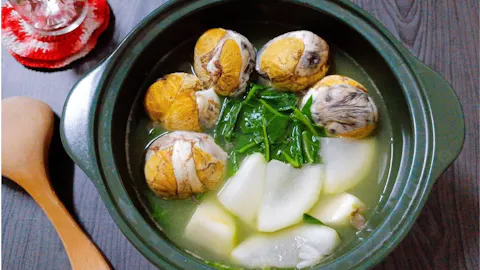
Balut Nutrition: Calories, Protein, Iron, Cholesterol & Health Benefits↗
Discover the nutrition profile of balut, including calories, protein, iron, cholesterol, fat, and other essential nutrients. This guide explains how much nutrition you can get from one balut egg, explores potential health benefits and dietary considerations, and answers common questions about whether balut is healthy. Learn what makes this traditional Vietnamese food distinctive, how its nutritional value compares with regular eggs, and what to consider when enjoying balut as part of a balanced diet and varied eating pattern in moderation.
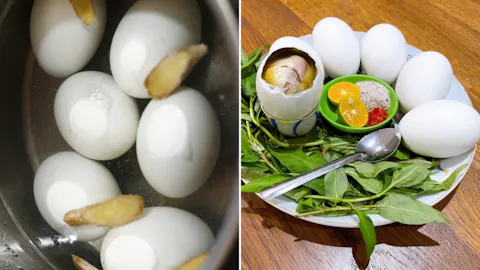
Balut Recipe: How to Cook & Eat Vietnamese Balut↗
Learn how to cook and enjoy balut, Vietnam’s famous fertilized duck egg, at home. This guide explains the essential ingredients, cooking time, traditional Vietnamese seasonings, and simple steps for serving balut with rau răm, ginger, salt, pepper, and lime. You’ll also discover what balut tastes like, how locals eat it, and popular variations such as hột vịt lộn xào me. Whether you’re curious about Vietnamese street food or want to recreate this traditional dish, this guide makes preparing balut simple and approachable.
Frequently Asked Questions About Balut (Hột Vịt Lộn)
What is Balut (Hột Vịt Lộn)?
Balut, or Hột Vịt Lộn, is a fertilized duck egg that has been incubated for a specific period before being boiled and served hot. It is a traditional Vietnamese snack enjoyed for its rich flavor and nutritional value.
What does Balut taste like?
Balut has a rich, savory flavor similar to a combination of boiled egg, chicken broth, and tender poultry. The accompanying Vietnamese coriander, salt, pepper, and lime add freshness and balance to the dish.
How do Vietnamese people eat Balut?
The shell is cracked open, and the warm broth inside is usually sipped first. The egg is then seasoned with salt, black pepper, and lime juice before being eaten together with fresh Vietnamese coriander (rau răm).
Is Balut nutritious?
Yes. Balut is considered a nutritious food that is rich in protein, healthy fats, vitamins, and minerals. Many Vietnamese people enjoy it as an energy-boosting snack or light meal.
Where can I try authentic Balut in Vietnam?
Balut is widely available throughout Vietnam at street food stalls, local markets, casual restaurants, and late-night food vendors. For the best experience, choose a busy vendor where the eggs are freshly cooked and served hot.
Advertising box
Related Street Food in Vietnam
Discover more of Vietnam's vibrant street food culture through iconic local dishes, from savory noodle bowls and crispy snacks to fresh rolls and regional specialties. Explore the flavors, ingredients, cooking traditions, and stories behind popular Vietnamese street foods, and find new dishes to try as you travel across the country.
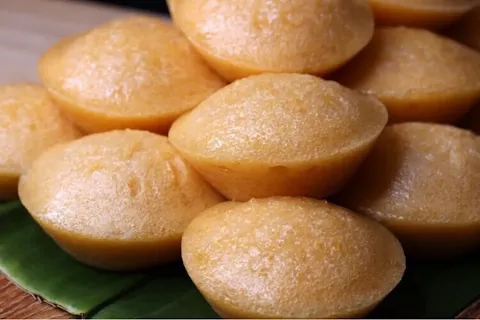
Bánh Bò Thốt Nốt: Vietnam's Palm Sugar Honeycomb Cake
Bánh Bò Thốt Nốt (Palmyra Sponge Cake) is one of An Giang's most iconic traditional desserts, renowned for its soft, airy texture and naturally sweet flavor from locally harvested palmyra palm sugar. Crafted using simple ingredients and time-honored techniques, this beloved cake reflects the culinary heritage of the Mekong Delta. Whether enjoyed as a snack, dessert, or local gift, Bánh Bò Thốt Nốt offers visitors an authentic taste of An Giang's rich food culture and the region's famous palmyra palms.
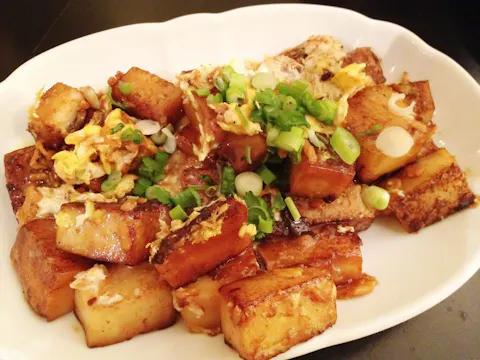
Bột Chiên: Vietnam's Crispy Fried Rice Cake
Bột Chiên is a popular Vietnamese street food made from cubes of rice flour cake fried until crisp on the outside while remaining soft and chewy inside. The golden pieces are usually cooked with eggs, green onions, and savory seasonings, then served with a sweet and tangy dipping sauce and shredded green papaya. Especially popular in Southern Vietnam, Bột Chiên is an affordable and satisfying snack enjoyed at street stalls and local eateries. Discover its ingredients, preparation, flavors, history, and traditional ways to enjoy it.
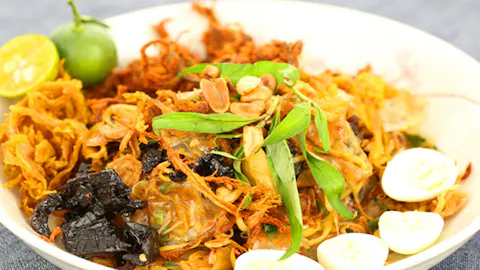
Bánh Tráng Nướng: Vietnam's Grilled Rice Paper
Bánh Tráng Nướng is a popular Vietnamese street food made by grilling thin rice paper over charcoal or heat until crisp, then adding toppings such as egg, scallions, dried shrimp, Vietnamese sausage, and savory sauces. Often nicknamed “Vietnamese pizza” because of its round shape and layered toppings, it combines a crispy base with rich, savory, and aromatic flavors. Particularly popular in Da Lat and other Vietnamese cities, Bánh Tráng Nướng is an affordable street snack and a must-try for travelers exploring Vietnam's vibrant food culture.
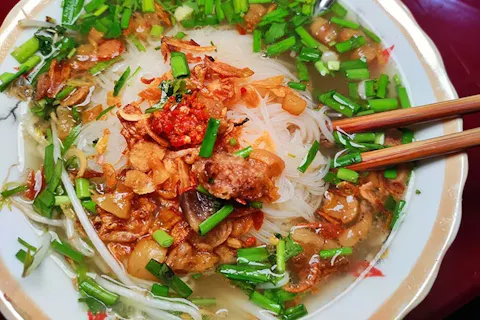
Hủ Tiếu: Vietnam's Southern Noodle Soup
Hủ Tiếu is a popular noodle dish from southern Vietnam, known for its light yet flavorful broth, chewy noodles, fresh herbs, vegetables, pork, shrimp, and seafood. Depending on the region and preparation, Hủ Tiếu can be served as a comforting noodle soup or as dry noodles tossed with savory sauce. Popular varieties include Hủ Tiếu Nam Vang and Hủ Tiếu Mỹ Tho, each with distinctive ingredients and flavors. Discover the history, ingredients, regional variations, and traditional ways to enjoy this beloved Southern Vietnamese specialty.