
- Destinations
Northern Vietnam
Central Vietnam
- Attractions
Categories
World Heritage
Historical & Cultural
- Things To Do
Categories
Outdoor Adventures
- Food & Drink
Categories
Vietnamese Dishes
- Travel & Planning
Categories
- Inspiration
Categories
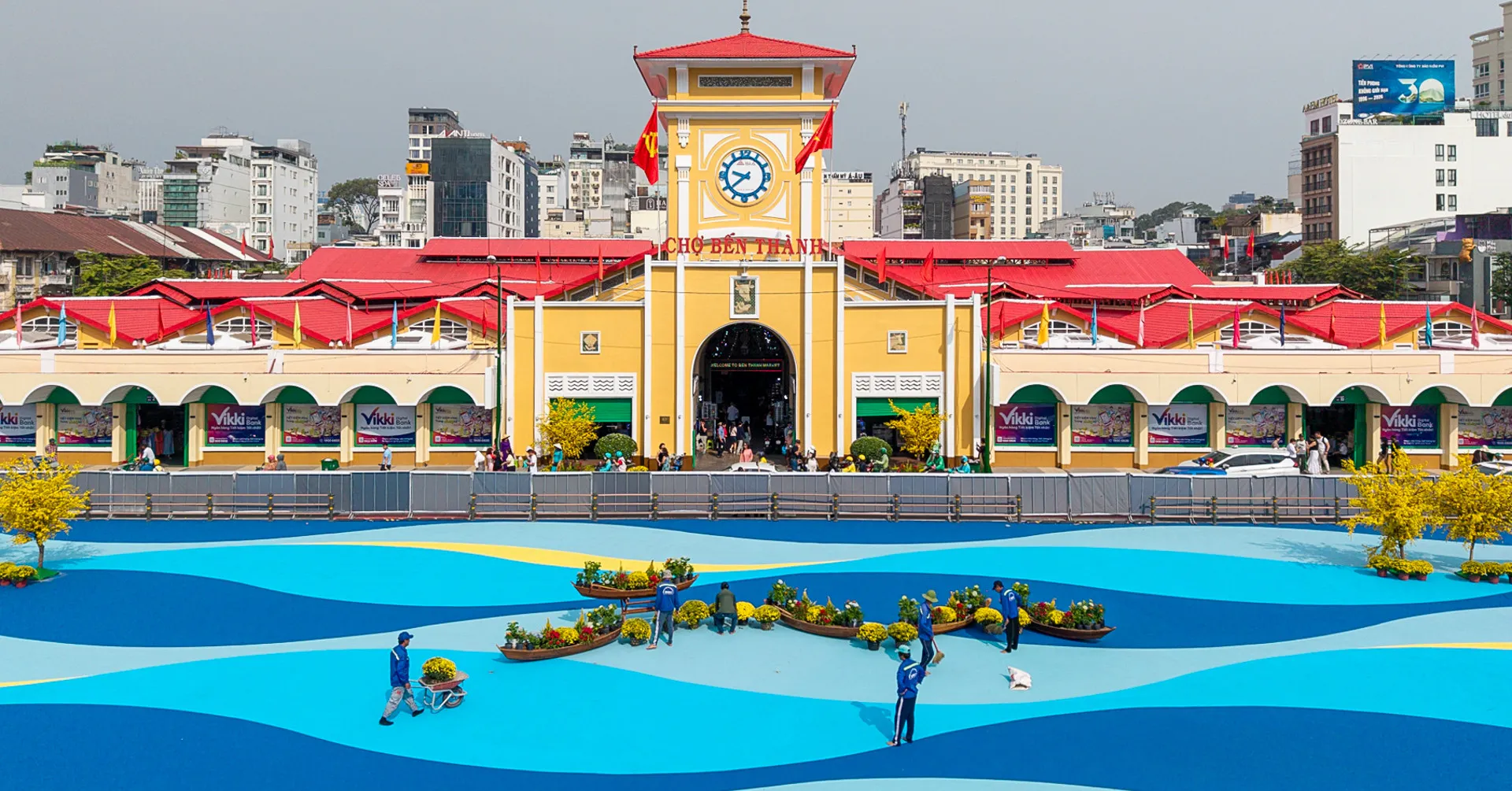
Vietnam’s markets are places to shop, eat, and observe everyday life. From traditional city markets in Hanoi and Ho Chi Minh City to floating markets in the Mekong Delta and mountain markets in northern Vietnam, each offers a different local experience. Explore the main types of markets across the country, discover Vietnamese food and local products, and learn practical tips for bargaining, photography, timing, and respectful behavior. This guide helps travelers choose markets that fit their interests while understanding how these places connect with daily life in Vietnam.
Markets are an important part of everyday life in Vietnam, serving as places where people buy fresh food, household goods, clothing, local products, and prepared meals. From small neighborhood markets to large city markets, these spaces offer travelers an opportunity to see how shopping, cooking, and social interactions fit into daily routines.
Vietnamese markets vary considerably by region. In northern cities such as Hanoi, traditional markets often combine fresh produce, meat, seafood, street food, and household products within compact local spaces. Central Vietnam has its own market traditions, with places such as Dong Ba Market in Hue reflecting the region’s food culture and local specialties. In southern Vietnam, markets range from busy urban markets in Ho Chi Minh City to floating markets and riverside trading areas in the Mekong Delta.
Markets can also be grouped by the way they operate. Traditional daytime markets are commonly used for everyday shopping, while night markets focus more on food, souvenirs, clothing, and leisure. Floating markets are associated particularly with the Mekong Delta, where boats and rivers have historically played an important role in trade. In northern mountain areas, some markets also bring together communities from surrounding villages on specific days.
For travelers, visiting a Vietnamese market is not only about shopping. It can be a useful way to discover local ingredients, regional dishes, seasonal produce, and everyday products. Food stalls may offer dishes that are closely connected to the local area, while vendors selling dried foods, spices, handicrafts, textiles, and other products provide insight into regional commerce.
Visitors should also remember that markets are working places, not simply tourist attractions. Ask about prices before purchasing, bargain politely where appropriate, keep personal belongings secure, and ask permission before photographing people. By observing local customs and allowing vendors to go about their daily activities, travelers can explore Vietnam’s markets while showing consideration for the communities that use them every day.
Experience the true spirit of Vietnam through its traditional markets, floating markets, street food culture, and local communities. Discover authentic destinations where culture, cuisine, commerce, and daily life come together to showcase the richness and diversity of Vietnamese heritage.
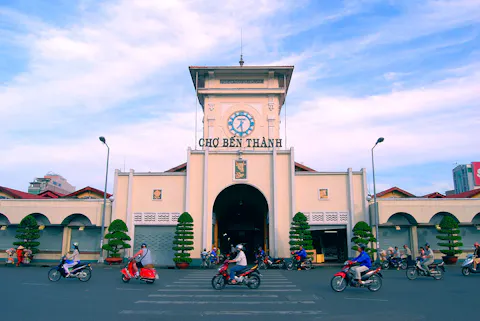
Explore Ben Thanh Market, Ho Chi Minh City's most iconic marketplace. Discover traditional Vietnamese food, local handicrafts, souvenirs, shopping opportunities, and authentic cultural experiences in the heart of Saigon.
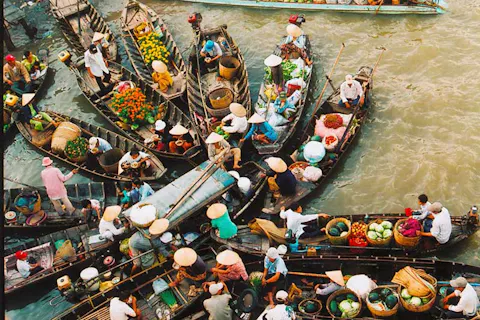
Discover Cai Rang Floating Market, the most famous floating market in Vietnam's Mekong Delta. Experience authentic river commerce, colorful boats, local delicacies, and the unique cultural traditions that define life along the waterways of southern Vietnam.
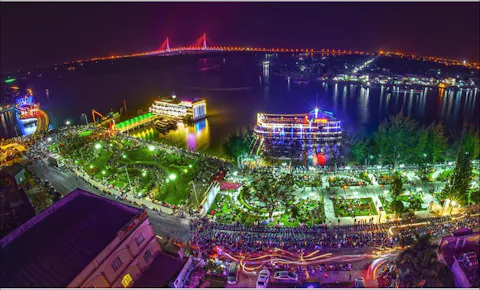
Discover Ninh Kieu Wharf, the iconic riverside landmark of Can Tho. Overlooking the Hau River, this lively waterfront destination offers scenic promenades, river cruises, local cuisine, cultural experiences, and stunning sunset views in the heart of the Mekong Delta.
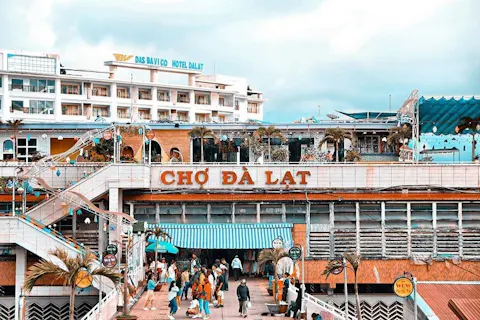
Located in the center of Da Lat, Da Lat Market is the city's busiest shopping and culinary hub, famous for fresh vegetables, strawberries, flowers, local snacks, and the lively night market atmosphere. Visitors can sample authentic highland street food, shop for local specialties, and experience the everyday rhythm of Da Lat life. Whether you're looking for souvenirs, regional delicacies, or a memorable evening stroll, Da Lat Market is an essential stop on any trip to Vietnam's charming mountain city.
Step into the heart of Vietnam by exploring its most iconic traditional markets and authentic local neighborhoods. From lively city marketplaces and colorful floating markets to historic trading hubs and vibrant night markets, these destinations offer unforgettable opportunities to discover local cuisine, regional specialties, handmade crafts, and the everyday culture that defines life across Vietnam.
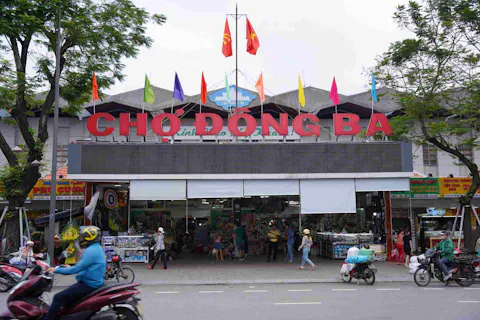
Dong Ba Market is the largest and most historic marketplace in Hue, offering visitors an authentic taste of central Vietnamese culture. Located beside the Perfume River, the market is famous for fresh produce, traditional handicrafts, local specialties, and iconic Hue street food. From colorful conical hats and handmade souvenirs to delicious dishes such as bún bò Huế and bánh bèo, Dong Ba Market provides an unforgettable shopping and culinary experience in Vietnam's former imperial capital.
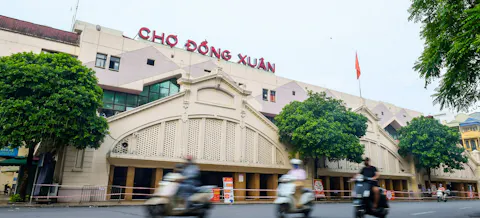
Located at the northern edge of Hanoi's Old Quarter, Dong Xuan Market is the capital's largest traditional market and one of its busiest commercial centers. Housed in a historic French-era building, the market offers everything from textiles and household goods to local specialties and delicious street food. Whether you're searching for authentic Vietnamese products, exploring Hanoi's vibrant trading culture, or enjoying the nearby night market, Dong Xuan Market provides an unforgettable glimpse into the city's daily life and rich heritage.
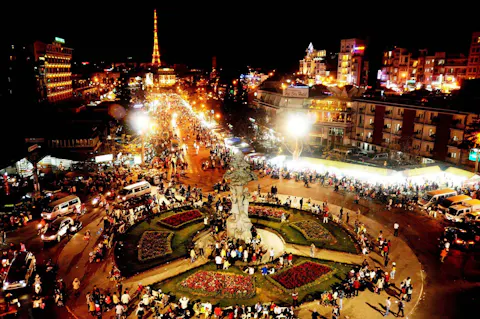
Located in the center of Da Lat, Da Lat Market is the city's busiest shopping and culinary hub, famous for fresh vegetables, strawberries, flowers, local snacks, and the lively night market atmosphere. Visitors can sample authentic highland street food, shop for local specialties, and experience the everyday rhythm of Da Lat life. Whether you're looking for souvenirs, regional delicacies, or a memorable evening stroll, Da Lat Market is an essential stop on any trip to Vietnam's charming mountain city.
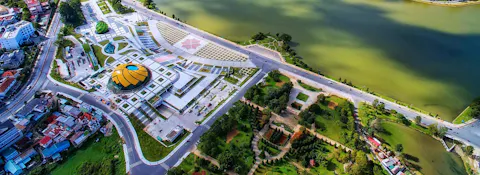
Lam Vien Square is one of Da Lat's most recognizable landmarks, located beside Xuan Huong Lake in the heart of the city. Famous for its distinctive giant glass structures, including the artichoke-shaped dome, the square is a popular gathering place for locals and travelers. Visitors can enjoy lake views, cafés, restaurants, evening walks, and seasonal events while exploring central Da Lat. Its convenient location also makes Lam Vien Square an excellent starting point for discovering the city's markets, attractions, and highland culture.
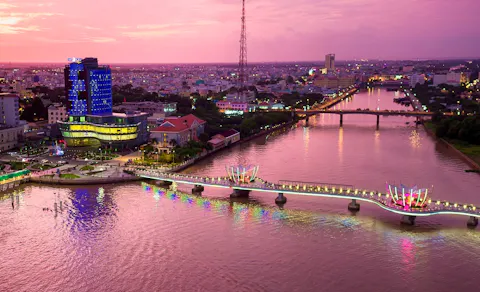
Situated on the banks of the Hau River, Ninh Kieu Wharf is one of Can Tho's most iconic landmarks and a gateway to exploring the Mekong Delta. The scenic riverside promenade is popular for leisurely walks, sunset views, local cafés, floating restaurants, and evening river cruises. With nearby markets, cultural attractions, and vibrant nightlife, Ninh Kieu Wharf offers the perfect introduction to the charm, hospitality, and unique river culture of southern Vietnam.
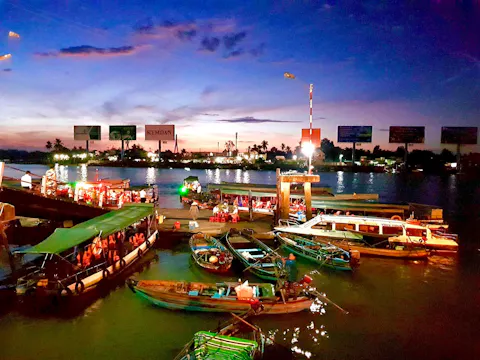
Cai Rang Floating Market is the largest and most famous floating market in Vietnam, offering an unforgettable glimpse into life along the Mekong Delta. Every morning, hundreds of boats gather to trade fresh fruit, vegetables, local specialties, and delicious floating breakfasts. Visitors can explore the market by traditional boat, enjoy authentic regional cuisine, and experience one of Vietnam's most unique cultural traditions. A visit to Cai Rang is a highlight of any journey through the vibrant Mekong Delta.
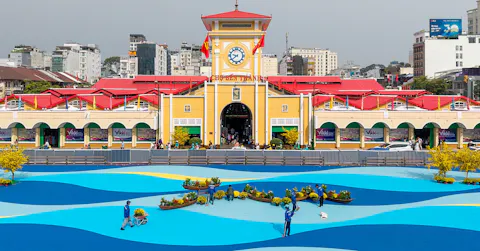
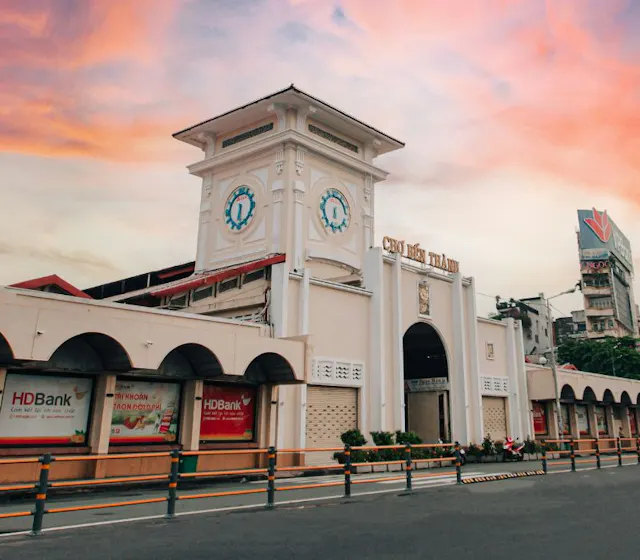
Ben Thanh Market is one of Ho Chi Minh City's most famous landmarks and a must-visit destination for shopping, street food, and local culture. Located in the heart of District 1, the historic market offers everything from traditional handicrafts and souvenirs to fresh produce, clothing, coffee, and authentic Vietnamese cuisine. By day, visitors can browse hundreds of stalls, while the nearby night market comes alive after sunset. This guide covers everything you need to know before visiting Ben Thanh Market.