
- Destinations
Northern Vietnam
Central Vietnam
- Attractions
Categories
World Heritage
Historical & Cultural
- Things To Do
Categories
Outdoor Adventures
- Food & Drink
Categories
Vietnamese Dishes
- Travel & Planning
Categories
- Inspiration
Categories
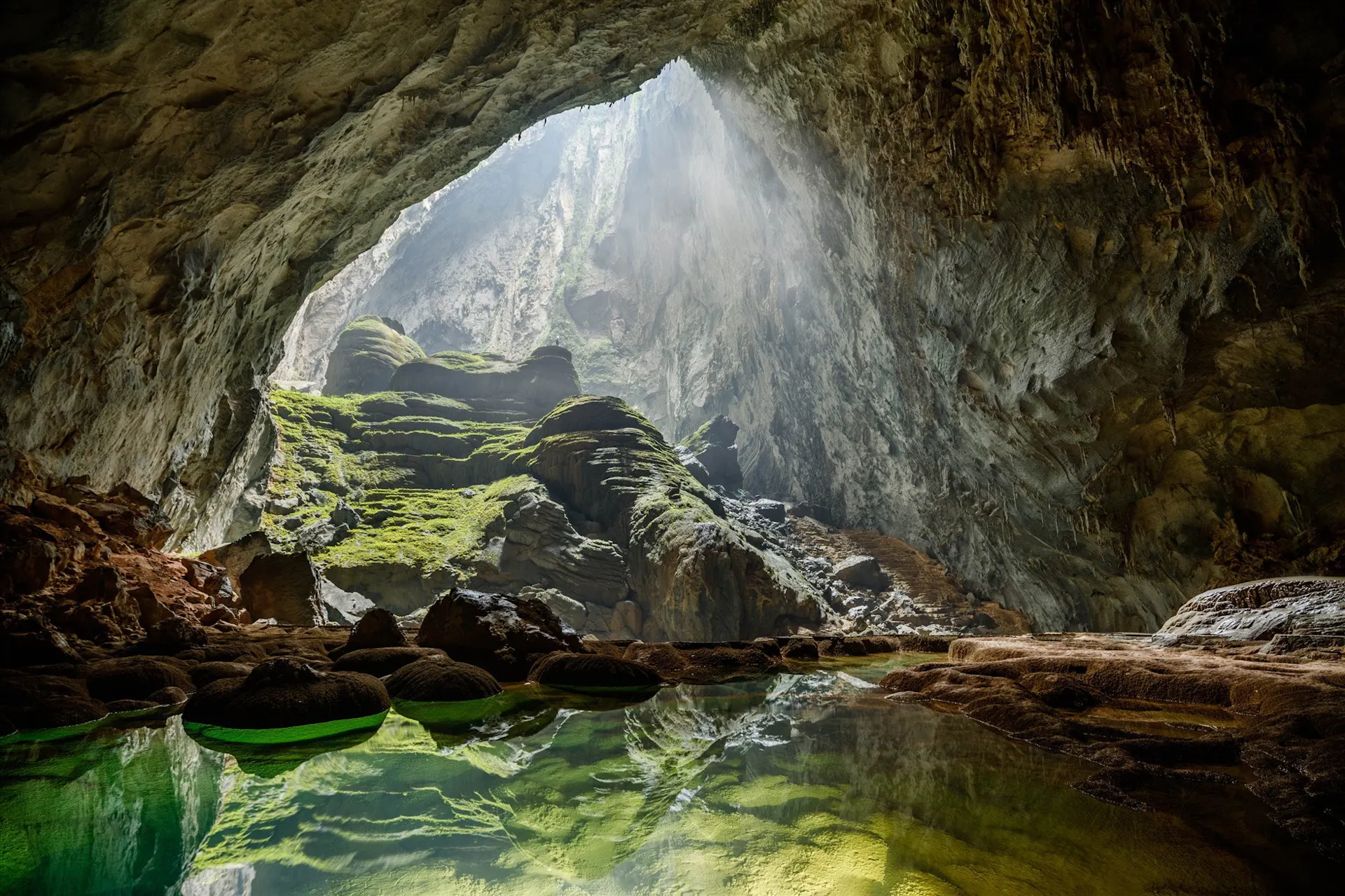
Vietnam is home to some of the most spectacular cave systems in the world, offering breathtaking natural formations, underground rivers, and vast limestone landscapes. From the world-famous Son Doong Cave to the stunning Paradise Cave and Phong Nha Cave in Quang Binh, each destination reveals the country’s incredible geological beauty. Visitors can enjoy adventure tours, trekking, and exploration experiences. Go Visit Vietnam introduces the most amazing caves in Vietnam, highlighting their natural wonders, history, and unforgettable travel experiences.
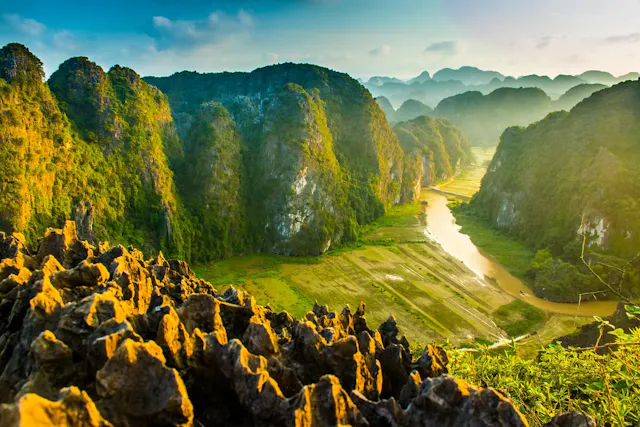
Vietnam is home to some of the world's most spectacular cave systems, shaped over millions of years by limestone geology, underground rivers, erosion, and natural processes. From enormous chambers and underground rivers to smaller caves hidden among mountains and forests, Vietnam's caves offer travelers a unique way to explore the country's natural landscapes.
Cave adventures range from accessible sightseeing tours to challenging expeditions requiring specialist equipment and experienced guides. Whether you are interested in geology, photography, hiking, or adventure travel, Vietnam has caves to suit different levels of experience.
Phong Nha in Quang Binh is one of Vietnam's most important destinations for cave exploration.
Located within the UNESCO-listed Phong Nha-Ke Bang landscape, the region contains an extraordinary network of limestone formations, underground rivers, forests, and caves.
Phong Nha Cave can be explored by boat, allowing visitors to travel along an underground river before entering the cave system.
Nearby caves provide different experiences, from relatively accessible walking routes to more adventurous expeditions.
Son Doong Cave is one of the most famous caves in the world and a major symbol of Vietnam's adventure tourism.
The enormous cave system contains huge chambers, underground environments, forests, rivers, and distinctive geological formations.
Access is highly controlled and requires an organized expedition with specialized guides and equipment. A Son Doong expedition is significantly more demanding than a standard sightseeing cave tour and is designed for travelers prepared for challenging trekking conditions.
Because access is limited, travelers interested in visiting should plan well in advance and check current availability and requirements.
Paradise Cave, also located in the Phong Nha-Ke Bang region, provides a more accessible introduction to Vietnam's underground landscapes.
The cave is known for its impressive stalactites, stalagmites, and large chambers.
Visitors can experience dramatic geological formations without undertaking the demanding expedition required for some of the region's more remote caves.
This makes Paradise Cave suitable for travelers who want to experience Vietnam's cave landscapes as part of a broader Central Vietnam itinerary.
Dark Cave offers a more active cave experience.
Visitors can combine outdoor activities with cave exploration, including experiences involving water and physical movement.
Compared with conventional cave sightseeing, the experience is more adventure-oriented and can appeal to travelers who enjoy kayaking, swimming, ziplining, and exploring natural environments.
Conditions and available activities can vary, so travelers should check current tour information before visiting.
Northern Vietnam's limestone landscapes also contain caves associated with Ha Long Bay and Cat Ba.
Many caves can be visited as part of boat tours through the bay's karst landscape.
Inside, travelers can find stalactites, stalagmites, unusual rock formations, and large chambers shaped by erosion over long periods.
Combining cave visits with a bay cruise provides an opportunity to experience both the above-ground limestone islands and the geological landscapes beneath them.
Northern Vietnam contains numerous caves beyond the most famous tourist destinations.
The mountainous regions of Cao Bang, Ha Giang, and Ninh Binh feature limestone landscapes with caves, valleys, cliffs, and underground waterways.
Some caves are relatively easy to visit, while others require local knowledge and appropriate equipment.
Travelers exploring remote caves should use experienced guides and avoid entering unfamiliar cave systems independently.
Vietnam's caves are more than tourist attractions. They provide valuable insight into geological processes.
Limestone caves form gradually as water interacts with soluble rock, creating passages, chambers, underground rivers, and mineral formations.
Over thousands or millions of years, these processes can produce enormous chambers and highly detailed formations.
Visitors should avoid touching stalactites, stalagmites, or other fragile formations because even minor physical contact can damage structures that take extremely long periods to develop.
Not every cave experience requires advanced fitness.
Accessible caves with established paths can be suitable for families and casual travelers.
More adventurous caves may involve hiking, climbing, swimming, crawling, or crossing underground rivers. These experiences require appropriate clothing, footwear, physical preparation, and professional supervision.
Before booking an expedition, travelers should understand the difficulty level and ensure the activity matches their experience and fitness.
Cave tourism can be affected by seasonal rainfall, particularly in regions where caves contain underground rivers or require trekking through forests.
Heavy rain can influence water levels, trail conditions, transportation, and access.
Travelers should check local weather and tour conditions before visiting.
Because conditions can change, especially during periods of heavy rainfall, following local safety guidance is essential.
Caves are fragile natural environments.
Visitors should follow designated routes, avoid touching formations, take all waste out of the cave, and follow instructions from guides.
Flash photography may be restricted in some areas, and visitors should respect conservation rules designed to protect cave ecosystems.
Choosing responsible operators can help preserve these environments while supporting local communities.
Vietnam's caves reveal a fascinating world beneath its mountains and forests.
From the accessible caves of Phong Nha and Ha Long Bay to demanding expeditions such as Son Doong, the country's underground landscapes offer experiences for both casual visitors and serious adventurers.
Exploring these caves provides more than an exciting activity. It offers a chance to understand Vietnam's geology, landscapes, and natural history from a completely different perspective.
Whether you prefer a short boat journey into a limestone cave or a multi-day underground expedition, Vietnam provides remarkable opportunities to discover what lies beneath the surface.
Discover Vietnam’s most famous caves, from the world-renowned Son Doong Cave and the spectacular landscapes of Phong Nha-Ke Bang to the historic caves of Ha Long Bay and Ninh Binh. Each cave offers a unique experience with massive chambers, ancient limestone formations, underground rivers, and breathtaking natural beauty. Explore these incredible underground destinations with Go Visit Vietnam and uncover the hidden wonders that showcase Vietnam’s extraordinary geological heritage and adventure experiences.
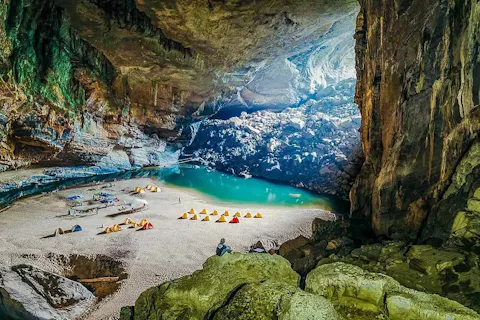
Son Doong Cave is one of Vietnam’s greatest natural wonders and the world’s largest known cave by volume, located in Phong Nha-Ke Bang National Park, Quang Binh Province. With enormous underground chambers, unique ecosystems, rivers, and stunning rock formations, Son Doong offers an extraordinary adventure unlike anywhere else. Accessible through guided expeditions, the cave attracts explorers from around the world seeking a once-in-a-lifetime experience. Go Visit Vietnam introduces the beauty, history, and adventure of this remarkable underground wonder.
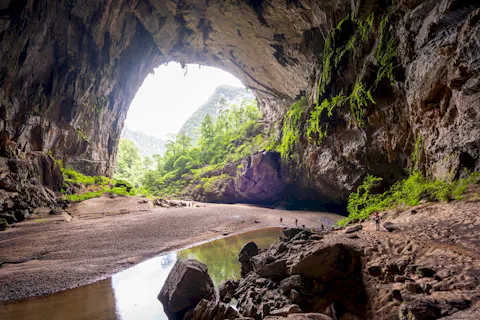
Hang En Cave is one of Vietnam’s most spectacular cave destinations, located in Phong Nha-Ke Bang National Park, Quang Binh Province. Known as one of the largest caves in the world, Hang En features enormous chambers, underground rivers, unique limestone formations, and breathtaking natural scenery. The cave offers an unforgettable adventure through forests, valleys, and ancient landscapes. Go Visit Vietnam introduces the beauty, trekking experience, and travel highlights of Hang En Cave for explorers seeking a unique journey into Vietnam’s underground wonders.
Explore the must-visit caves in Vietnam, home to some of the world’s most impressive underground landscapes. From the legendary Son Doong Cave and the giant chambers of Hang En Cave to the stunning formations of Paradise Cave, Dau Go Cave, and Mua Cave, each destination offers a unique journey through ancient limestone mountains, underground rivers, and breathtaking natural wonders. Perfect for adventure seekers, nature lovers, and explorers, Vietnam’s caves reveal the incredible geological beauty hidden beneath the surface. Go Visit Vietnam guides you to the country’s most remarkable cave experiences.
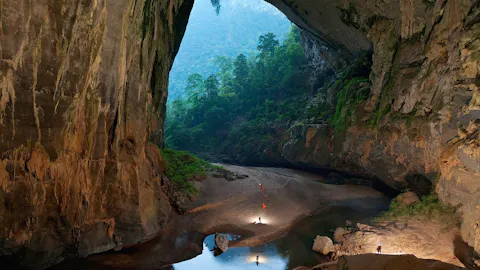
Hang En Cave is one of Vietnam’s most spectacular cave destinations, located in Phong Nha-Ke Bang National Park, Quang Binh Province. Known as one of the largest caves in the world, Hang En features enormous chambers, underground rivers, unique limestone formations, and breathtaking natural scenery. The cave offers an unforgettable adventure through forests, valleys, and ancient landscapes. Go Visit Vietnam introduces the beauty, trekking experience, and travel highlights of Hang En Cave for explorers seeking a unique journey into Vietnam’s underground wonders.
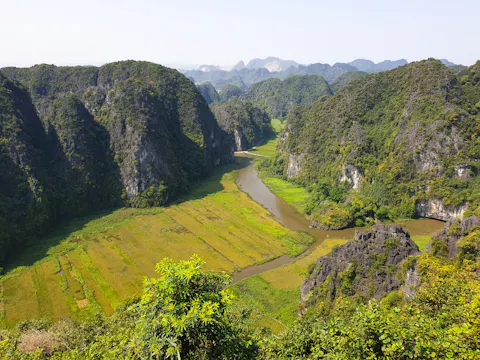
Mua Cave is one of the most iconic viewpoints in Ninh Binh, Vietnam, offering breathtaking panoramic views of limestone mountains, rice fields, and the beautiful Tam Coc landscape. Located near Trang An and Tam Coc, Mua Cave is famous for its 500-step climb leading to the stunning Dragon Mountain viewpoint. Visitors can enjoy spectacular scenery, photography opportunities, and a peaceful natural atmosphere. Go Visit Vietnam introduces the highlights, travel tips, and unforgettable experiences of this must-visit destination in northern Vietnam.
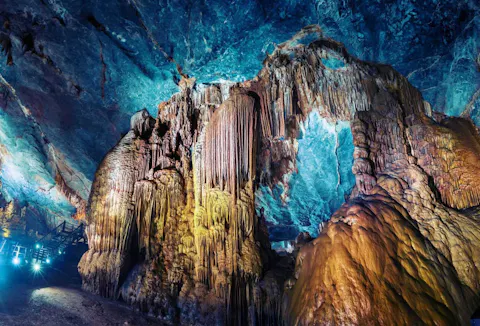
Paradise Cave, also known as Thien Duong Cave, is one of the most beautiful caves in Vietnam, located inside Phong Nha-Ke Bang National Park in Quang Binh Province. Famous for its impressive length, spectacular limestone formations, and peaceful underground atmosphere, the cave offers a breathtaking journey into nature’s hidden world. Visitors can explore wooden walkways surrounded by stunning stalactites and stalagmites shaped over millions of years. Go Visit Vietnam introduces the beauty, history, and travel experiences of this remarkable natural attraction.
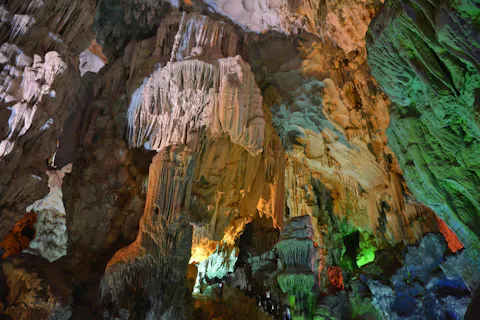
Dau Go Cave is one of the most remarkable caves in Ha Long Bay, Vietnam, known for its impressive size, ancient limestone formations, and fascinating history. Located on Dau Go Island, the cave features three large chambers filled with unique stalactites and stalagmites shaped by millions of years of natural processes. Visitors can explore its mysterious underground beauty while enjoying Ha Long Bay’s spectacular scenery. Go Visit Vietnam introduces the history, highlights, and travel experiences of this iconic natural attraction.
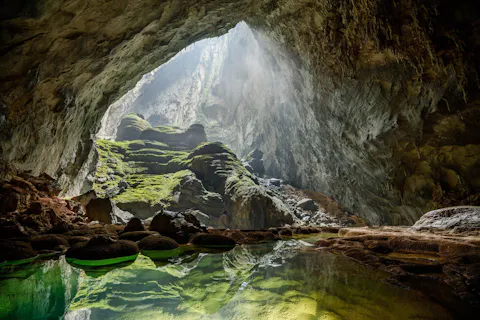
Son Doong Cave is one of Vietnam’s greatest natural wonders and the world’s largest known cave by volume, located in Phong Nha-Ke Bang National Park, Quang Binh Province. With enormous underground chambers, unique ecosystems, rivers, and stunning rock formations, Son Doong offers an extraordinary adventure unlike anywhere else. Accessible through guided expeditions, the cave attracts explorers from around the world seeking a once-in-a-lifetime experience. Go Visit Vietnam introduces the beauty, history, and adventure of this remarkable underground wonder.