
Vietnam Balut vs Philippines Balut: Key Differences Explained
Explore the fascinating comparative gastronomy between Vietnam’s hột vịt lộn and the Philippines' famous balut. This comprehensive guide breaks down the key differences between these two iconic street food traditions, analyzing incubation timelines (19–21 days in Vietnam vs. 16–18 days in the Philippines), sensory taste profiles, and textural variations. Learn how distinct seasoning philosophies—from Vietnamese lime-pepper salt (muối tiêu chanh) paired with peppery rau răm herbs to Filipino spiced vinegars—shape unique cultural dining rituals across Southeast Asia.
On this page
Across the vibrant night markets of Ho Chi Minh City and the bustling street corners of Manila, the descent of dusk heralds a shared culinary spectacle. Under the soft glow of incandescent bulbs, street vendors lift steaming, porcelain-white shells from deep boiling cauldrons, releasing a warm, savory steam that draws hungry late-night diners. To the uninitiated global traveler, the dish appears identical in both settings: a fertilized duck egg containing a partially developed embryo, boiled hot and consumed directly from the shell. However, a rigorous comparative analysis reveals that comparing Vietnam Balut vs Philippines Balut uncovers a world of subtle, profound culinary distinctions. Known locally as hột vịt lộn across Non nước Việt Nam and simply as balut throughout the Philippine archipelago, this fertilized egg delicacy is shaped by distinct incubation timelines, divergent flavor balancing philosophies, and unique table rituals. Understanding what is the difference between Vietnamese and Filipino balut goes far beyond mere geographic naming; it offers a fascinating window into how two iconic culinary traditions approach texture, seasoning, and street food culture. From the peppery herbal pairings of Saigon to the spiced vinegar baths of Manila, exploring Vietnamese balut vs Filipino balut showcases the rich gastronomic taxonomy of Southeast Asia.
Biological Foundations – Incubation and Preparation
Comparing Vietnamese Balut Preparation and Filipino Balut Preparation
At the heart of the distinction between these two regional traditions lies the biological science of avian incubation. Both culinary styles begin with fresh fertilized duck egg stock—typically from mallard or native duck breeds—placed inside temperature-controlled warming rooms or traditional rice-husk incubators maintained at roughly 37.5 degrees Celsius. However, evaluating Vietnamese balut preparation alongside Filipino balut preparation reveals a fundamental divergence in incubation duration that entirely alters the final dish. In Filipino street food culture, the ideal incubation timeline is strictly capped between sixteen and eighteen days. The quintessential Philippine egg, often referred to as balut sa puti (balut in white), is harvested when the developing duck embryo is still young, exceptionally soft, and wrapped smoothly within the golden yolk matrix. In contrast, Vietnamese street food traditions demand an extended incubation period ranging from nineteen to twenty-one days. This three-day extension allowed in Vietnamese cuisine significantly advances embryonic development, fundamentally changing the structural density of the chick before thermal processing occurs.
Incubation Timelines: How Balut Differences Evolve
Understanding how these incubation metrics dictate culinary outcome explains why balut differences are so pronounced on the palate. During the sixteen-to-eighteen-day window preferred for Philippines balut, embryonic muscle fibers, beak structures, and feather tracts remain in a preliminary, highly delicate state, blending seamlessly into the liquid yolk upon boiling. When examining how is Vietnamese balut different from Filipino balut, the extra incubation time in Vietnam balut allows the embryonic chick to grow larger and develop more distinct anatomical features, including firm muscle tissue and soft cartilage. Consequently, the yolk in a Vietnamese hột vịt lộn shrinks as the growing chick consumes its nutrients, yielding a smaller but intensely concentrated yolk paired with a larger, more defined embryo. This biological choice dictates everything that follows in the kitchen, forcing each culture to develop unique preparation methods, boiling durations, and seasoning pairings tailored to their specific embryonic stage.
Taste and Texture – A Comparative Palate Analysis
Evaluating Vietnam Balut vs Philippines Balut Taste
When conducting a sensory evaluation of Vietnam balut vs Philippines balut taste, subtle variations in broth flavor and core richness immediately come to the fore. In both traditions, the initial step involves sipping the warm broth sealed inside the shell. In Filipino balut, this liquid is exceptionally delicate, light, and clean, tasting like a clear, unadorned poultry broth with subtle saline notes. Because the embryo is younger, the broth retains a sweet, mild egg essence. Conversely, testing Vietnamese balut vs Filipino balut taste reveals that the longer incubation of Vietnamese balut creates a significantly richer, deeper broth with pronounced gamey undertones and a higher concentration of dissolved minerals and lipids. The amniotic broth in a Vietnamese egg mirrors a long-simmered, concentrated duck consommé, delivering a robust umami hit that reflects the advanced development of the chick within.
Texture Variations in Balut Comparison
The textural contrast between these two regional icons provides the clearest point of differentiation during a balut comparison. The young embryo in Filipino balut offers a uniform, almost velvety mouthfeel; the tender tissue dissolves effortlessly alongside the creamy yolk, requiring minimal chewing. This silky texture makes the Philippine version particularly approachable for individuals who prefer a smooth, custard-like consistency. Conversely, the mouthfeel of Vietnamese balut introduces a dynamic, multi-layered textural experience. The larger embryo presents a tender, braised-meat texture similar to slow-cooked poultry leg, accompanied by tiny, pliable cartilage structures that offer a gentle, satisfying crunch. Furthermore, the firm white albumen base (lòng trắng) tends to be harder in the older Vietnamese egg. While Filipinos occasionally consume this firm white portion, Vietnamese diners almost universally leave this rubbery disk behind in the shell, focusing their attention entirely on the luxurious interplay between the rich yolk and the tender embryonic meat.
Seasoning Philosophies – Herbs, Acids, and Salts
Vietnamese Style: Pairing with Salt, Pepper, Lime, and Rau Răm
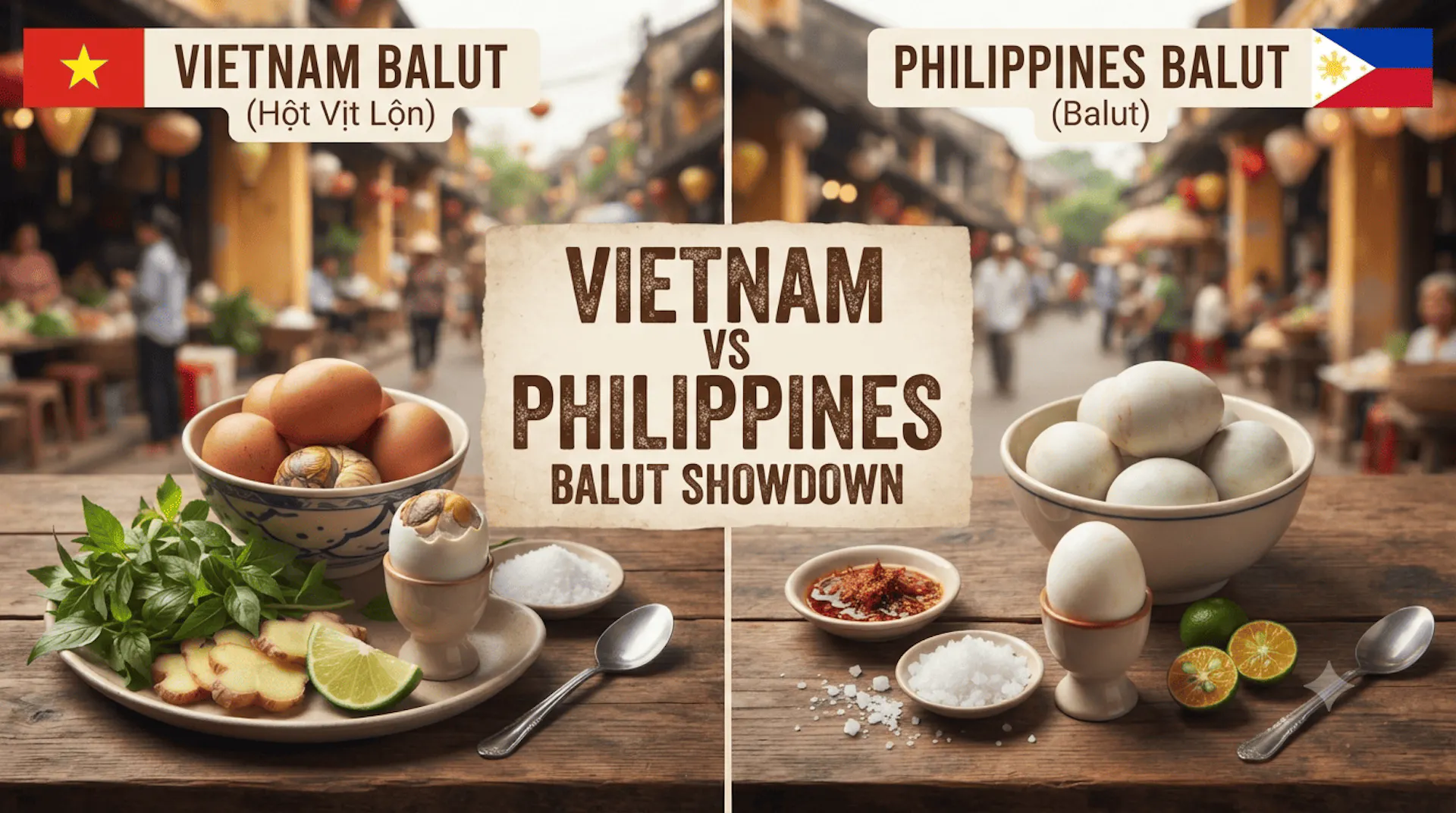
The most dramatic difference between the two traditions lies in their seasoning strategies and condiment pairings. Analyzing how do Vietnamese eat balut highlights a complex flavor-balancing system rooted in traditional medicine and culinary harmony. In Vietnamese cuisine, hột vịt lộn is never consumed in isolation. Instead, vendors serve the hot egg alongside a fresh bundle of rau răm (Vietnamese coriander or Vietnamese mint) and a specialized dipping condiment known as muối tiêu chanh. This dip is crafted by mixing sea salt, crushed black pepper, fresh lime juice, and sliced red chili. The sharp, citric acidity of the lime cuts directly through the heavy, lipid-rich yolk, while the heat of the pepper elevates the natural umami of the duck meat. Crucially, the peppery, slightly bitter notes of rau răm provide a fresh botanical contrast while actively aiding digestion, turning the dish into a beautifully balanced, multi-dimensional culinary creation.
Filipino Style: Vinegar, Chili, and Salt Accompaniments
Examining how do Filipinos eat balut reveals a starkly different, equally iconic seasoning philosophy centered on sharp, fermented acids and coarse mineral salts. In Filipino food culture, the primary pairing for balut is a generous splash of spiced vinegar (sinamak or sukang pinakurat), which has been infused with crushed garlic, shallots, bird's-eye chili, and peppercorns. Alternatively, many street-side diners in the Philippines prefer a simple, minimalist approach, sprinkling a pinch of coarse rock salt directly into the opened shell before sipping the broth. Unlike the elaborate herbal presentations found across Vietnam, Filipino balut is rarely served with fresh leaf herbs. Instead, the sharp, pungent bite of garlic-infused cane or coconut vinegar performs the crucial task of slicing through the egg's rich fats, producing a clean, tangy flavor profile that emphasizes simplicity, speed, and sharp acidic contrast.
Cultural Context and Eating Rituals
Examining Balut Culture Vietnam Philippines
Beyond the technicalities of incubation and seasoning, analyzing balut culture Vietnam Philippines reveals distinct social roles for the dish within daily neighborhood life. In Vietnam, consuming hột vịt lộn is fundamentally an sit-down, communal evening affair. Diners gather at roadside stalls outfitted with low plastic tables and stools, ordering two or three eggs served upright in small porcelain cups. The meal is treated as an unhurried, restorative supper, frequently enjoyed after long working hours or as a late-night comfort snack accompanied by cold iced tea or beer. In the Philippines, balut occupies a legendary position within night-shift working culture, street-side socializing, and drinking traditions (pulutan). Mobile street vendors push wooden carts or carry insulated baskets through residential neighborhoods, calling out the famous, melodic vendor cry of "Baluuuurt!" into the night air. The egg is frequently consumed on the move, cracked open and eaten standing up directly beside the vendor's cart.
Street Food Etiquette and Social Significance
In both societies, the fertilized duck egg transcends basic nutrition, functioning as a powerful cultural symbol of resilience, vitality, and local pride. In Filipino food culture, eating balut is celebrated as a national rite of passage and a popular test of culinary bravery for visitors, while simultaneously serving as an affordable, high-protein staple for millions of working-class families. In Vietnamese society, hột vịt lộn is deeply woven into traditional wellness philosophies as a warming tonic that restores vital energy (bổ). It is also tied to intriguing folk superstitions: the word lộn translates to "reversed" or "flipped," leading locals to consume an odd number of eggs—such as one or three—during times of personal hardship to symbolically flip bad luck into good fortune. These shared yet distinct cultural narratives demonstrate how a humble duck embryo can become an indispensable pillar of regional identity across Southeast Asia.
Conclusion: Celebrating Southeast Asian Gastronomic Diversity
Ultimately, analyzing Vietnam Balut vs Philippines Balut demonstrates that what appears to be a single street food item is actually two distinct, highly sophisticated regional delicacies. While the Philippines balut celebrates a younger, silky-soft embryo paired with sharp spiced vinegars and coarse rock salt for a quick, vibrant street snack, Vietnam's hột vịt lộn offers a longer-incubated, richer duck embryo elevated by complex citrus dipping salts and fresh, peppery rau răm herbs. Neither style is objectively superior; rather, each represents a brilliant adaptation of agricultural resources, biological incubation timing, and regional flavor preferences. Understanding these subtle culinary distinctions enriches any journey through Southeast Asia, transforming a simple street food encounter into a profound appreciation for regional gastronomy. Whether you find yourself sitting on a low plastic stool in Saigon or standing beside a mobile pushcart in Manila, sampling both traditions offers an unforgettable celebration of Southeast Asian street food heritage.
Read more: Balut (Hột Vịt Lộn)

By Roy Trinh
Editor
Roy Trinh is a travel writer and destination expert at Go Visit Vietnam, dedicated to helping travelers discover the beauty, culture, and diversity of Vietnam. Through well-researched travel guides, practical itineraries, local insights, and authentic recommendations, Roy shares valuable information to inspire memorable journeys across the country. From vibrant cities and breathtaking landscapes to regional cuisine and cultural heritage, every guide is created to help visitors experience Vietnam with confidence and curiosity.
Frequently Asked Questions - Vietnam Balut vs Philippines Balut
What is the main difference in incubation time between Vietnamese and Filipino balut?
The primary difference lies in the incubation period. In the Philippines, balut is typically harvested earlier, between 16 and 18 days, resulting in a smaller, softer, and less formed embryo. In Vietnam, hột vịt lộn is incubated longer—usually 19 to 21 days—producing a larger, more fully developed duck embryo with firmer muscle tissue and a richer broth.
Does Vietnamese balut taste different from Filipino balut?
Yes. Because Vietnamese hột vịt lộn is incubated longer, its broth (nước ngọt) tastes richer and more concentrated, similar to a long-simmered duck consommé, and the embryo delivers a more pronounced braised poultry flavor. The younger Filipino balut offers a milder, lighter broth with a uniform, silky-soft texture throughout the yolk and chick.
Why do Vietnamese eat balut with herbs, while Filipinos use spiced vinegar?
In traditional Vietnamese medicine and gastronomy, foods must maintain digestive and temperature balance. The rich, fatty egg (bổ/âm) is paired with peppery, digestive rau răm (dương) and acidic lime-pepper salt (muối tiêu chanh) to cut through richness and aid digestion. In the Philippines, the focus is on quick, sharp flavor contrasts, using garlic-infused cane or coconut vinegar (sukang pinakurat) to slice through the egg's rich fats.
Is the eating etiquette different between Vietnam and the Philippines?
Yes. In Vietnam, hột vịt lộn is typically an unhurried, sit-down evening meal served in roadside stalls with low plastic tables, where eggs are placed upright in small porcelain cups. In the Philippines, balut is often bought from mobile pushcart vendors and consumed on the move—cracked open and eaten standing up directly beside the street cart or during informal late-night gatherings (pulutan).
Do you eat the hard white part (albumen) in both versions?
The firm, rubbery white disk at the base of the shell—known as lòng trắng—is the unconsumed albumen. In the older Vietnamese egg, this part cooks into a very hard, rubbery disc, so most Vietnamese diners choose to leave it behind in the shell. In the younger Filipino egg, the albumen is slightly softer, so some diners eat it, though many still discard it in favor of the creamy yolk and tender embryo.
Advertising box
Explore More About Balut (Hột Vịt Lộn)
Discover everything you need to know about Balut (Hột Vịt Lộn), one of Vietnam's most iconic and intriguing street foods. Learn what balut is, how it's made, what it tastes like, how locals eat it, its nutritional value, and the cultural traditions behind this unique delicacy. Whether you're preparing to try balut for the first time or simply want to understand its place in Vietnamese cuisine, explore our expert guides covering every aspect of this unforgettable culinary experience.
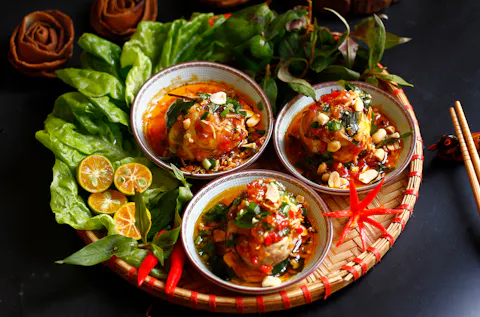
What Is Balut? Vietnam's Fertilized Duck Egg Explained
Discover the fascinating story behind balut—known in Vietnam as hột vịt lộn—one of Southeast Asia's most iconic and nutrient-dense street food delicacies. This comprehensive guide explores the precise incubation science of the fertilized duck egg, compares regional differences between Filipino and Vietnamese preparations, and breaks down the unique sensory blend of rich broth, creamy yolk, and tender embryo. Learn the traditional step-by-step etiquette for eating balut like a local alongside fresh herbs and pepper-lime dipping salt.
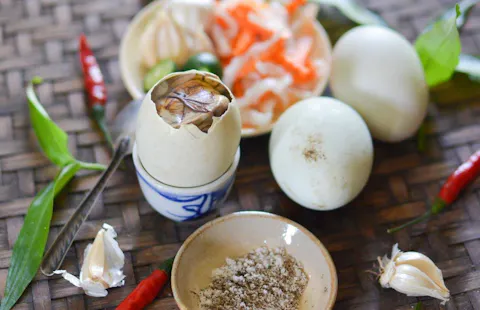
Is Balut Healthy? Nutrition, Benefits & Things to Know
Delve into the scientific and biochemical profile of one of Southeast Asia's most famous street food delicacies: the fertilized duck egg (hột vịt lộn). This comprehensive nutritional guide breaks down balut's caloric density, complete amino acid structure, high biological value protein, bio-available heme iron, and essential vitamins like A and B12. Explore its historical reputation as a vitality tonic alongside objective dietary considerations, including cholesterol management, microbial food safety, and ideal consumption protocols.
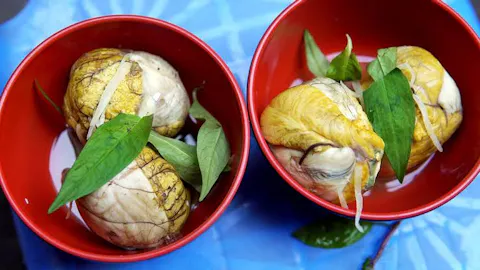
What Does Balut Taste Like? Flavor, Texture & What to Expect
Uncover the true taste profile of one of Southeast Asia's most intriguing street food delicacies: the fertilized duck egg (hột vịt lộn). Moving past visual expectations, this sensory guide deconstructs balut’s complex flavor layering—from its warm, savory poultry consommé broth and velvety, custard-like yolk to the tender, braised duck meatiness of the embryo. Learn how traditional accompaniments like peppery rau răm herbs and citrusy lime-pepper salt create a perfectly balanced, delicious culinary experience.
How to Eat Balut: A Step-by-Step Guide for First-Time Visitors
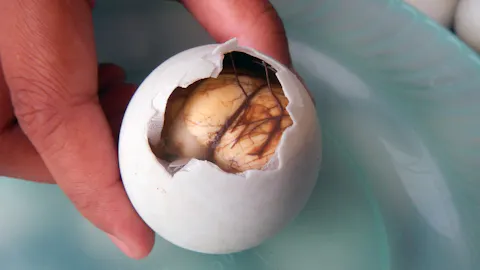
Master the art of eating balut (hột vịt lộn) like a local with this comprehensive step-by-step dining guide. Learn the proper technique for cracking the shell's air cell, sipping the warm, savory duck broth, and applying the essential pepper-lime salt dip (muối tiêu chanh). Discover how to pair creamy yolk and tender duck embryo with fresh rau răm (Vietnamese coriander) herbs, navigate table etiquette, and enjoy one of Vietnam’s most iconic street food rituals with confidence.