
Bánh Bèo: Vietnam's Savory Steamed Rice Cakes
Bánh Bèo is a traditional Vietnamese dish closely associated with Hue and Central Vietnam. These small steamed rice cakes are served in individual dishes and topped with savory dried shrimp, scallion oil, crispy garnishes, and fish sauce. Soft, slightly chewy, and full of umami flavor, Bánh Bèo is a popular way to experience Hue's distinctive food culture. This guide explains what Bánh Bèo is, its ingredients, flavor, how it is traditionally served and eaten, dietary considerations, and where travelers can try it in Vietnam.
About Bánh Bèo
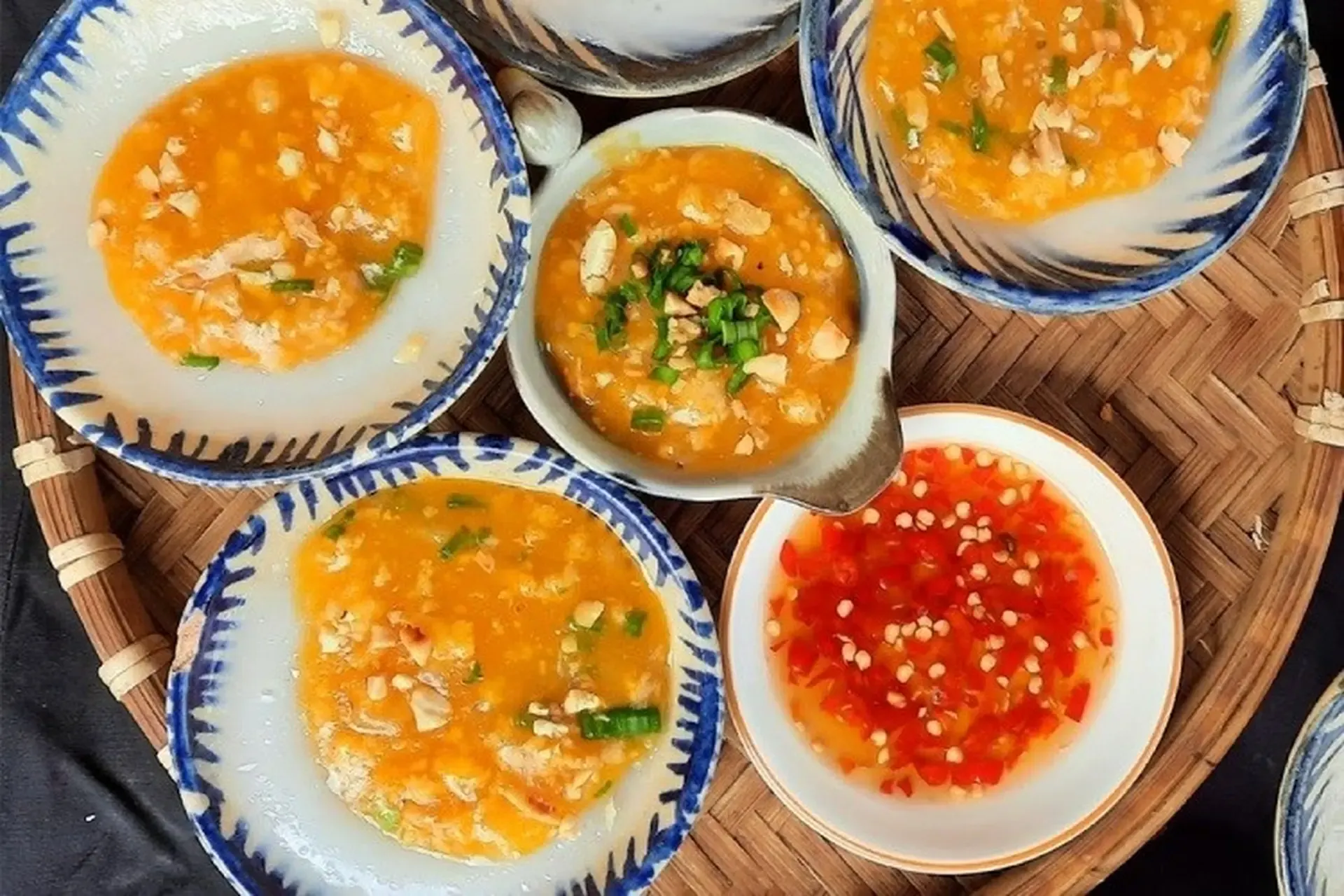
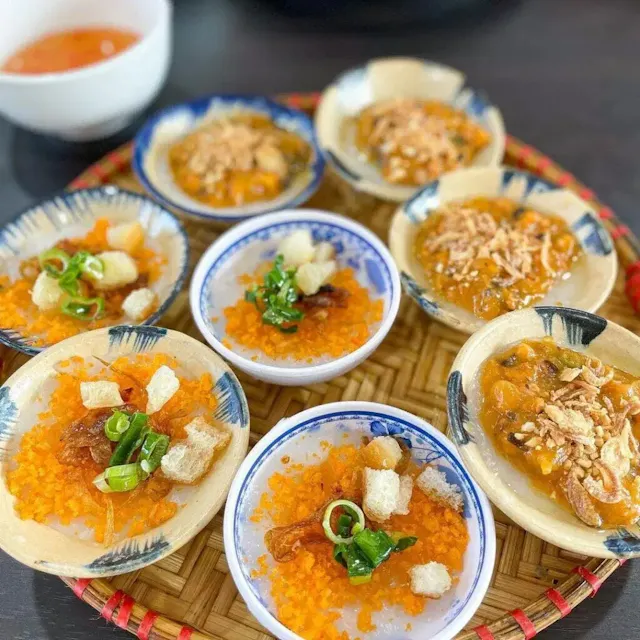
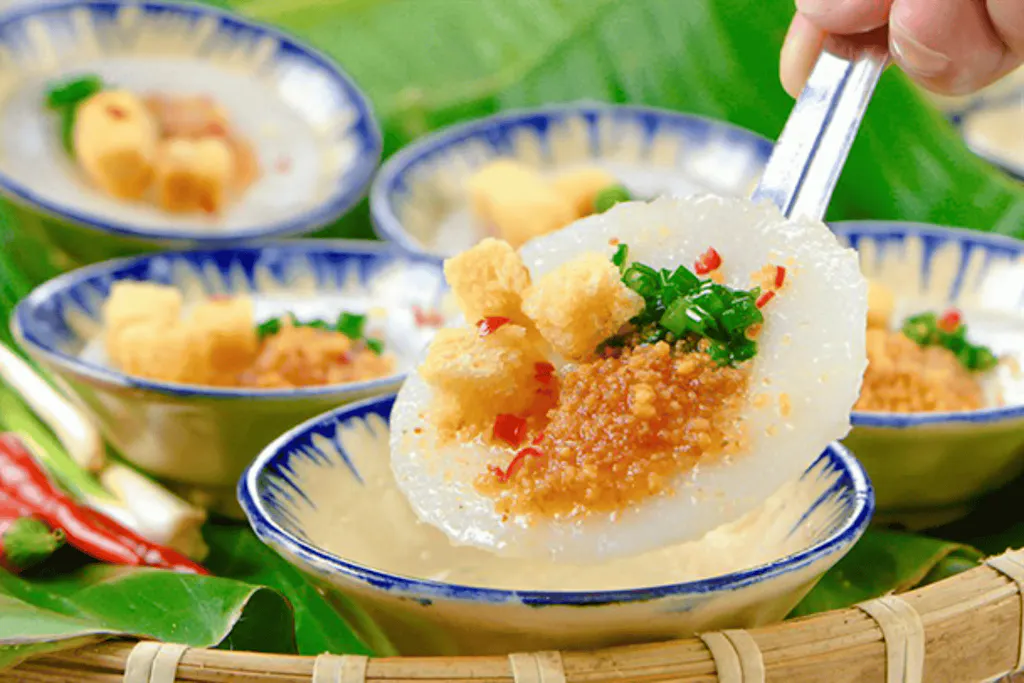
Bánh Bèo is a traditional Vietnamese rice cake closely associated with Hue, the former imperial capital of Vietnam. The dish consists of small, round steamed cakes made primarily from rice flour and water, creating a soft, delicate texture. Unlike larger rice cakes or filled dumplings, Bánh Bèo is traditionally steamed in small ceramic dishes and served individually, making the way it is presented an important part of the experience.
A typical serving is topped with finely prepared dried shrimp, scallion oil, and crispy garnishes such as fried shallots, toasted rice crumbs, or pork cracklings, depending on the local style. A savory dipping sauce made with fish sauce, sugar, and other seasonings is usually served alongside or spooned directly over the cakes. These toppings transform the mild flavor of the steamed rice cake into a combination of savory, salty, slightly sweet, and umami flavors.
One of the most enjoyable aspects of Bánh Bèo is its texture. The rice cake itself is soft and slightly chewy, while the shrimp topping and crispy garnishes provide contrasting textures. The fish sauce adds depth and brings the different ingredients together. Chili may also be included in the dipping sauce, although the rice cakes themselves are generally not spicy.
Bánh Bèo is especially important in Hue's culinary culture, where it is commonly enjoyed alongside other traditional Central Vietnamese dishes such as Bánh Nậm and Bánh Lọc. Rather than being served as a large main course, it is often enjoyed as a snack, light meal, or part of a larger selection of local specialties.
For travelers visiting Vietnam, trying Bánh Bèo in Hue offers more than simply tasting another Vietnamese dish. The small ceramic dishes, carefully prepared toppings, dipping sauce, and traditional serving style provide a glimpse into the distinctive food culture of Central Vietnam. Visitors with dietary restrictions should note that traditional Bánh Bèo commonly contains shrimp and fish sauce, while vegetarian versions may be available at selected restaurants.
Signature Ingredients of Bánh Bèo
Bánh Bèo is crafted from a handful of simple ingredients, but each one contributes to the dish’s delicate texture and rich, savory flavor. Together, they create the refined taste that has made this Hue specialty a timeless favorite in Vietnamese cuisine.
Steamed Rice Cake↗
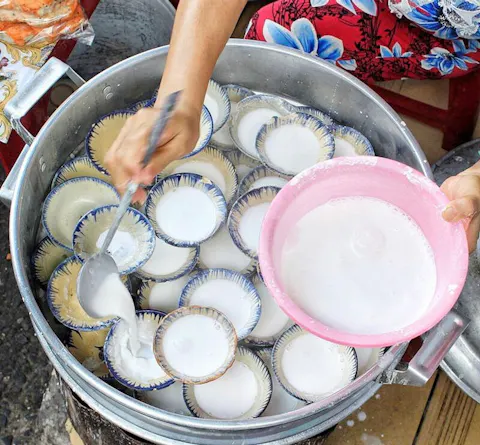
Made from finely milled rice flour and water, the steamed rice cake forms the soft, silky foundation of Bánh Bèo. Its subtle flavor allows the savory toppings and dipping sauce to shine while providing a light, delicate texture.
Dried Shrimp & Scallion Oil↗
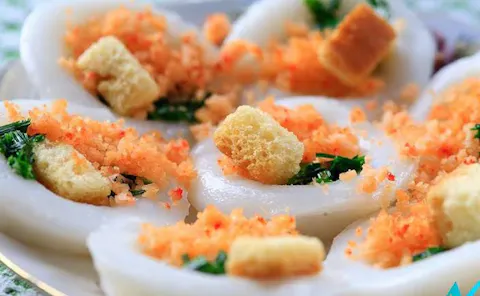
Finely ground dried shrimp brings natural sweetness and umami, while fragrant scallion oil adds richness and aroma. Together, they create the classic topping found on traditional Hue-style Bánh Bèo.
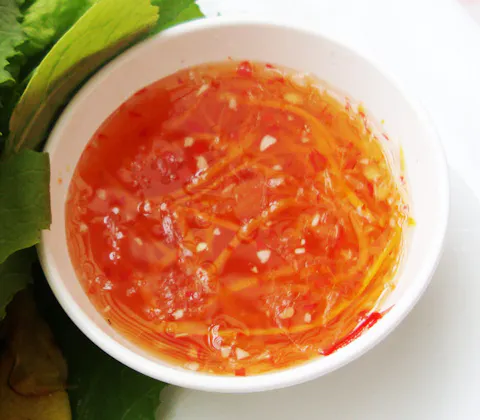
Fish Sauce & Crispy Garnishes↗
A light Vietnamese fish sauce seasoned with garlic, chili, and a touch of sugar enhances every bite. Crispy pork cracklings or fried shallots add a satisfying crunch, creating the perfect contrast to the soft steamed rice cakes.
Frequently Asked Questions About Bánh Bèo
What is Bánh Bèo?
Bánh Bèo is a traditional Vietnamese dish made from small steamed rice cakes served in individual ceramic dishes. It is typically topped with dried shrimp, scallion oil, crispy pork cracklings or fried shallots, and enjoyed with a light fish sauce.
What does Bánh Bèo taste like?
Bánh Bèo has a soft, silky texture with a mild rice flavor. The toppings and fish sauce provide savory, slightly sweet, aromatic, and umami-rich flavors, while crispy garnishes add a pleasant crunch.
Where did Bánh Bèo originate?
Bánh Bèo originated in Hue, the former imperial capital of Vietnam. It is considered one of the signature dishes of Central Vietnamese cuisine and remains especially popular throughout Hue and nearby provinces.
How is Bánh Bèo traditionally eaten?
Each small rice cake is served in its own dish. Diners usually pour a little fish sauce over the cake and use a small spoon to scoop it directly from the dish, enjoying the soft rice cake together with its flavorful toppings.
Can vegetarians eat Bánh Bèo?
Traditional Bánh Bèo contains dried shrimp and fish sauce, so it is not vegetarian. However, some restaurants offer vegetarian versions using mushrooms, plant-based toppings, and vegetarian dipping sauce, making it suitable for vegetarian diners.
Advertising box
Related Street Food in Vietnam
Discover more of Vietnam's vibrant street food culture through iconic local dishes, from savory noodle bowls and crispy snacks to fresh rolls and regional specialties. Explore the flavors, ingredients, cooking traditions, and stories behind popular Vietnamese street foods, and find new dishes to try as you travel across the country.
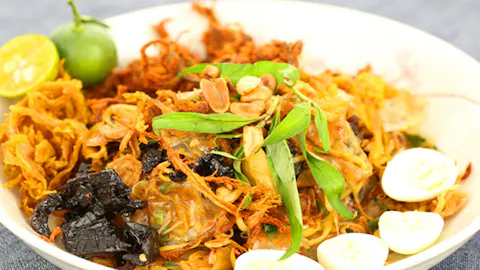
Bánh Tráng Trộn: Vietnam's Rice Paper Salad
Bánh Tráng Trộn is a popular Vietnamese street food made with strips of soft rice paper mixed with dried shrimp, shredded green mango, quail eggs, Vietnamese herbs, chili, peanuts, and savory seasonings. Often finished with kumquat juice and chili oil, the snack combines chewy, crunchy, sour, spicy, salty, and savory flavors in every bite. Especially popular among young people and street food lovers, Bánh Tráng Trộn is commonly sold at roadside stalls and casual snack shops throughout Vietnam, particularly in Ho Chi Minh City.
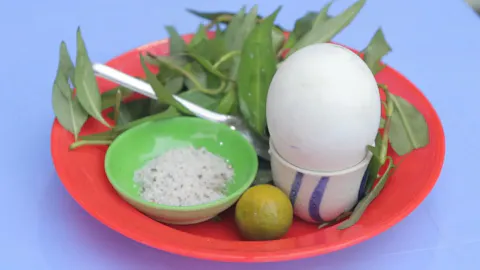
Balut (Hột Vịt Lộn)
Balut, known locally as Hột Vịt Lộn, is one of Vietnam’s most iconic and adventurous street foods. Made from a fertilized duck egg that is carefully incubated before being boiled, it is enjoyed by locals as a nutritious snack or light meal. Served with Vietnamese coriander, salt, pepper, lime, and sometimes ginger, Balut offers a rich flavor and deep cultural significance. Go Visit Vietnam introduces everything you need to know before trying this unforgettable Vietnamese delicacy.
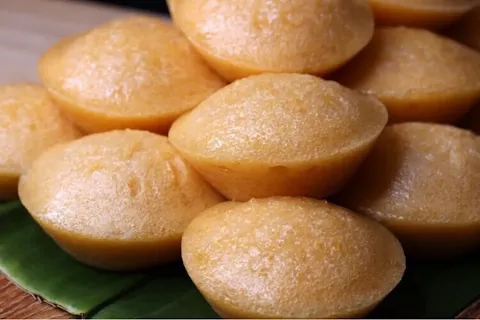
Bánh Bò Thốt Nốt: Vietnam's Palm Sugar Honeycomb Cake
Bánh Bò Thốt Nốt (Palmyra Sponge Cake) is one of An Giang's most iconic traditional desserts, renowned for its soft, airy texture and naturally sweet flavor from locally harvested palmyra palm sugar. Crafted using simple ingredients and time-honored techniques, this beloved cake reflects the culinary heritage of the Mekong Delta. Whether enjoyed as a snack, dessert, or local gift, Bánh Bò Thốt Nốt offers visitors an authentic taste of An Giang's rich food culture and the region's famous palmyra palms.
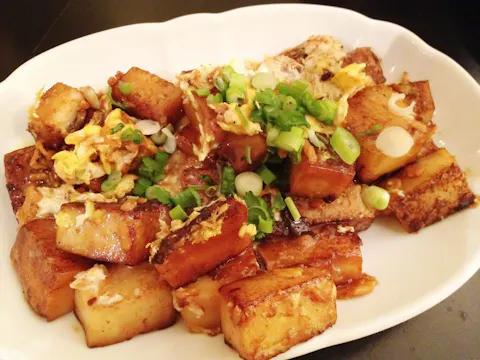
Bột Chiên: Vietnam's Crispy Fried Rice Cake
Bột Chiên is a popular Vietnamese street food made from cubes of rice flour cake fried until crisp on the outside while remaining soft and chewy inside. The golden pieces are usually cooked with eggs, green onions, and savory seasonings, then served with a sweet and tangy dipping sauce and shredded green papaya. Especially popular in Southern Vietnam, Bột Chiên is an affordable and satisfying snack enjoyed at street stalls and local eateries. Discover its ingredients, preparation, flavors, history, and traditional ways to enjoy it.