
- Destinations
Northern Vietnam
Central Vietnam
- Attractions
Categories
World Heritage
Historical & Cultural
- Things To Do
Categories
Outdoor Adventures
- Food & Drink
Categories
Vietnamese Dishes
- Travel & Planning
Categories
- Inspiration
Categories
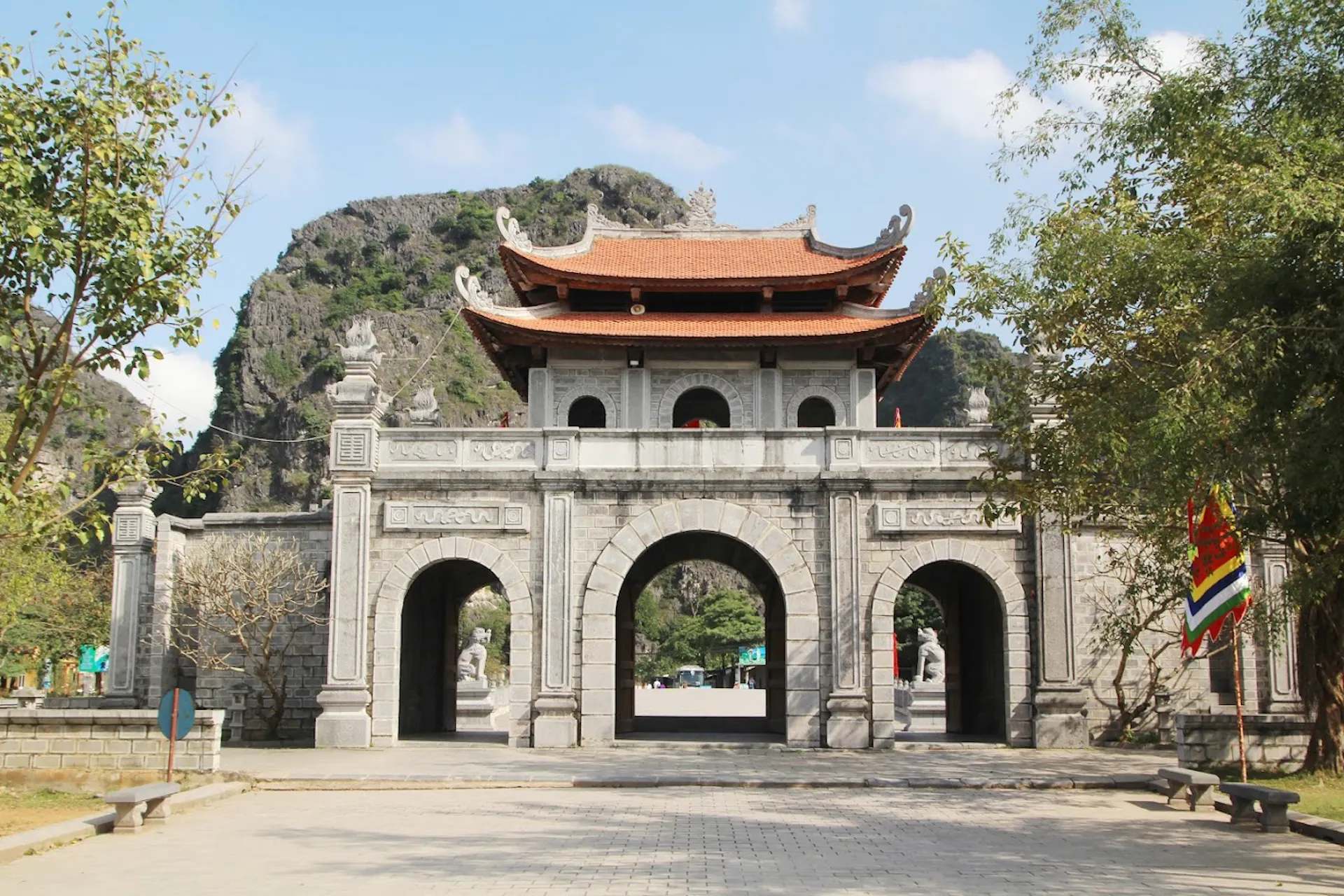
Vietnam’s historical and cultural sites reflect centuries of dynasties, regional traditions, and modern history. Explore ancient capitals, imperial monuments, historic towns, temples, museums, traditional villages, and important wartime sites across the country. From Hoa Lu and the Imperial Citadel of Thang Long in the north to Hue and Hoi An in central Vietnam, and Cu Chi Tunnels and Independence Palace in the south, each destination offers a different perspective on Vietnam’s past. Discover where to go, what to see, and how to experience these places respectfully.
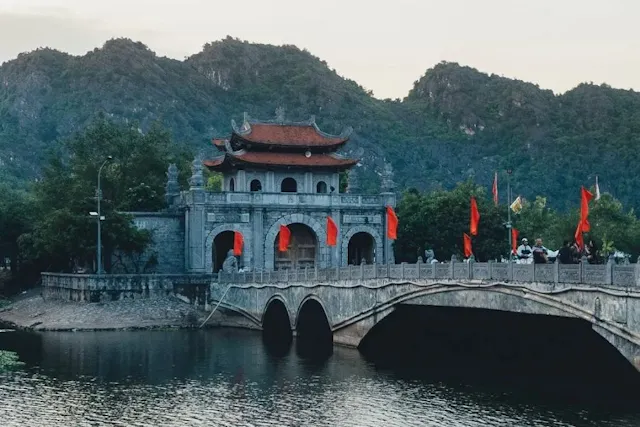
Vietnam’s historical and cultural sites offer a way to understand the country through its cities, architecture, traditions, and important events. Across the north, central region, and south, travelers can find places connected with different periods of Vietnamese history, from ancient kingdoms and imperial dynasties to the events of the 20th century.
In Northern Vietnam, historic destinations include Hoa Lu, the former capital of the Dinh and Early Le dynasties, and the Imperial Citadel of Thang Long in Hanoi. These sites provide insight into Vietnam’s early political history and the development of its capital over many centuries. Hanoi also has historic buildings, traditional neighborhoods, museums, and cultural landmarks that can be explored alongside its modern city life.
Central Vietnam is home to several important heritage destinations. Hue is closely associated with the Nguyen Dynasty and its imperial architecture, while Hoi An preserves a historic trading town with distinctive buildings and streets shaped by centuries of regional and international exchange. Nearby My Son provides another perspective on the history of the Champa civilization.
Southern Vietnam offers a different view of the country’s past. Places such as the Cu Chi Tunnels and Independence Palace in Ho Chi Minh City are associated with the Vietnam War and the political history of modern Vietnam. Other landmarks, museums, and historic sites across the region help explain the development of southern cities and communities.
Historical and cultural travel in Vietnam is not limited to major monuments. Traditional villages, local craft communities, temples, markets, and places connected with important national traditions can also provide valuable cultural context. When visiting these locations, travelers should follow local rules, dress appropriately where required, and respect religious sites and local customs.
Exploring historical and cultural sites across different regions allows visitors to see how Vietnam’s past continues to influence its architecture, traditions, communities, and everyday life.
Uncover the remarkable heritage of Vietnam through its ancient temples, imperial cities, historic towns, museums, and UNESCO World Heritage Sites. These cultural treasures offer visitors an opportunity to experience centuries of history, traditional architecture, and the unique stories that define Vietnam’s national identity.
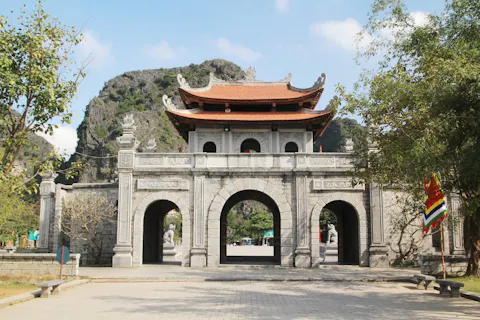
Explore Hoa Lu Ancient Capital, the first imperial capital of Vietnam located in Ninh Binh. Surrounded by dramatic limestone mountains, ancient temples, and rich historical heritage, this UNESCO-linked cultural site offers a fascinating journey into Vietnam’s royal past.
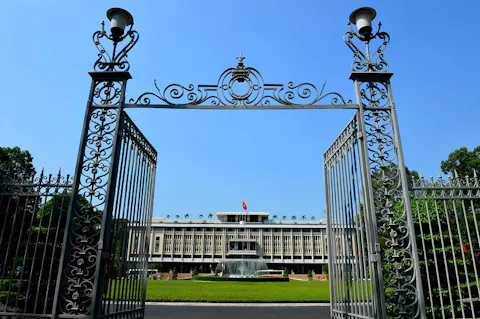
Discover the Independence Palace, one of Vietnam's most significant historical landmarks. Explore its striking architecture, preserved state rooms, underground command bunker, and the events that shaped modern Vietnamese history.
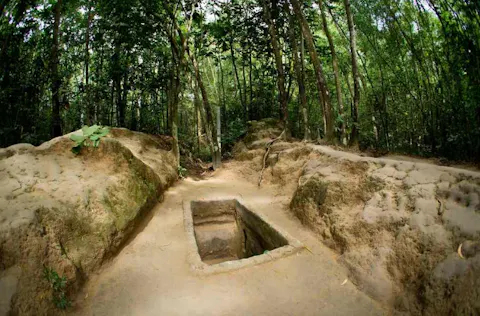
Located northwest of Ho Chi Minh City, the Cu Chi Tunnels are one of Vietnam’s most significant historical sites. This vast underground network offers visitors a fascinating insight into wartime life, military strategy, and the resilience of the Vietnamese people during one of the country’s most important periods of history.
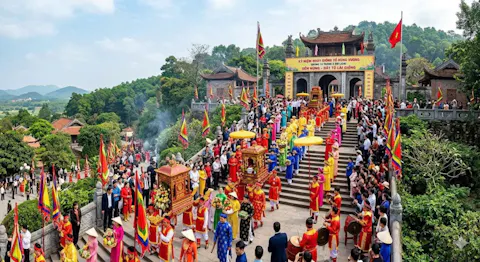
The Hung Kings' Temple Relic Complex is one of Vietnam’s most sacred cultural and historical sites. Located in Phu Tho Province, the complex honors the legendary Hung Kings, the founders of the Vietnamese nation, and remains an important destination for pilgrimage, cultural celebrations, and heritage tourism.
Discover Vietnam’s rich history and cultural identity through its remarkable historical landmarks, ancient temples, traditional villages, and heritage sites. From imperial cities and ancient towns to sacred pagodas and revolutionary landmarks, these destinations reveal the stories, traditions, and values that have shaped Vietnam across generations. Explore iconic sites, experience local culture, and journey through the historical treasures that make Vietnam one of Asia’s most fascinating cultural destinations.
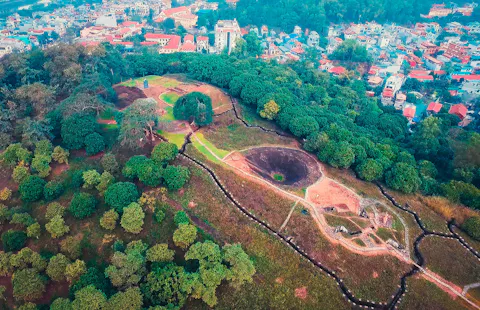
The Dien Bien Phu Victory Relic Area in northwest Vietnam preserves the sites and monuments associated with the historic Battle of Dien Bien Phu in 1954. Visitors can explore A1 Hill, the Dien Bien Phu Victory Museum, De Castries' bunker, Him Lam Hill, and the Victory Monument while learning about one of the defining events of modern Vietnamese history. Set within a scenic mountain valley, Dien Bien Phu offers travelers a meaningful combination of history, culture, and northwestern Vietnamese landscapes.
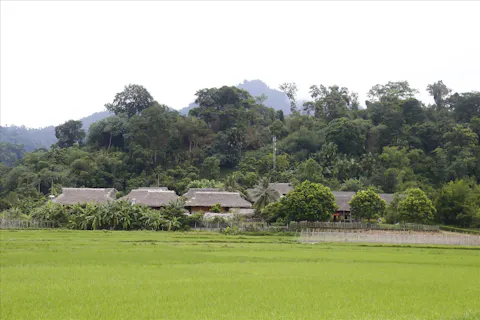
Tan Trao Historical Relic Area in Tuyen Quang is one of Vietnam's most important revolutionary heritage sites, closely associated with the August Revolution of 1945. Set among forested mountains and traditional villages, the area preserves landmarks including Na Lua Shack, Tan Trao Communal House, and the historic Tan Trao Banyan Tree. Visitors can explore the places connected with Ho Chi Minh and the Viet Minh while learning about the events that helped shape modern Vietnam and the country's path toward independence.
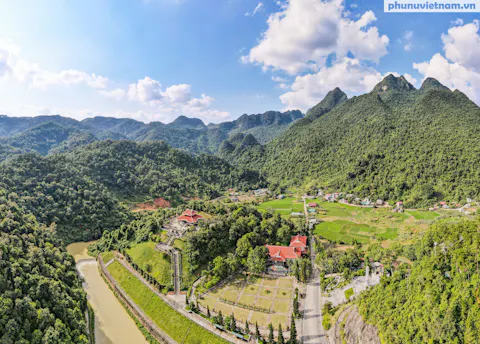
Pac Bo Historical Site in Cao Bang is an important destination connected with Ho Chi Minh's return to Vietnam in 1941 and the development of the Vietnamese revolutionary movement. Set among dramatic limestone mountains and forests, the site includes Pac Bo Cave, Lenin Stream, Karl Marx Mountain, and other historic landmarks. Visitors can explore the modest surroundings where Ho Chi Minh lived and worked while discovering the site's significance in modern Vietnamese history. Pac Bo also offers beautiful natural scenery and insight into northern Vietnam's ethnic cultures.
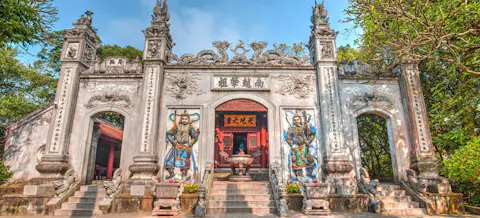
The Hung Kings' Temple Relic Complex in Phu Tho is one of Vietnam's most important cultural and historical sites, dedicated to the legendary Hung Kings, traditionally regarded as the founders of the Vietnamese nation. Set on Nghia Linh Mountain, the complex includes ancient temples, shrines, gates, and monuments surrounded by forested hills. Visitors can explore the site's royal legends, traditional worship practices, and connections to Vietnamese identity while experiencing one of the country's most significant ancestral heritage destinations.
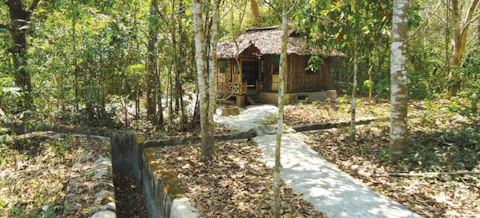
The Cu Chi Tunnels are an extensive underground network near Ho Chi Minh City that played an important role during the Vietnam War. Built and expanded over decades, the tunnels included living areas, storage spaces, meeting rooms, medical facilities, and concealed entrances. Today, the Cu Chi Tunnels are one of Vietnam's most visited historical attractions, offering travelers a glimpse into the difficult conditions faced by people who lived and operated underground. Discover the tunnels' history, layout, major attractions, and what to expect when visiting.
Hoa Lu Ancient Capital in Ninh Binh was the political center of Vietnam during the Dinh and Early Le dynasties in the 10th and early 11th centuries. Surrounded by dramatic limestone mountains, the former capital is now a peaceful historical site featuring traditional temples, ancient foundations, gates, and cultural monuments. Visitors can explore the temples dedicated to King Dinh Tien Hoang and King Le Dai Hanh while discovering an important period in Vietnam's early history. Combine Hoa Lu with Trang An and other Ninh Binh attractions.
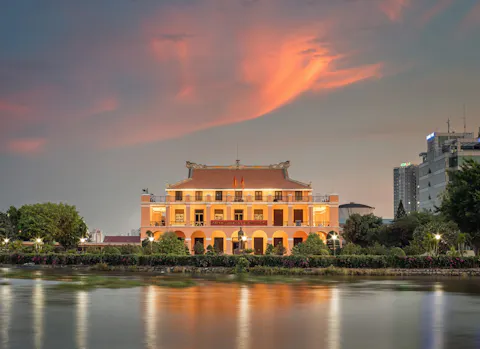
Nha Rong Wharf is one of Ho Chi Minh City's most significant historical landmarks, located along the Saigon River in District 4. Originally built in 1863 as a port facility, the site is closely associated with Ho Chi Minh, who departed from this area in 1911 to begin his journey abroad. Today, Nha Rong Wharf houses the Ho Chi Minh Museum and offers visitors an opportunity to explore historical exhibits, learn about his life and journey, and enjoy views of the Saigon River.
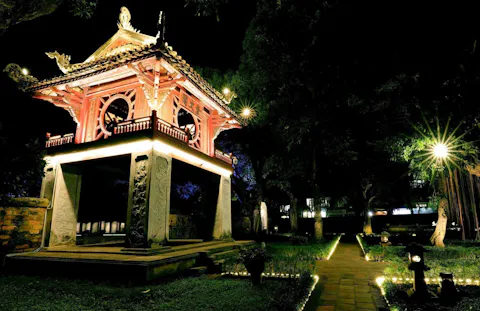
The Temple of Literature, known as Van Mieu Quoc Tu Giam in Vietnamese, is one of Hanoi's most important historical and cultural landmarks. Founded in 1070, the complex is closely associated with Confucian education and Vietnam's early scholarly tradition. Visitors can explore traditional courtyards, ancient gates, gardens, pavilions, and stone steles honoring successful scholars from historic royal examinations. Located in central Hanoi, the Temple of Literature offers travelers a peaceful introduction to Vietnam's history, architecture, education, and Confucian cultural heritage.