
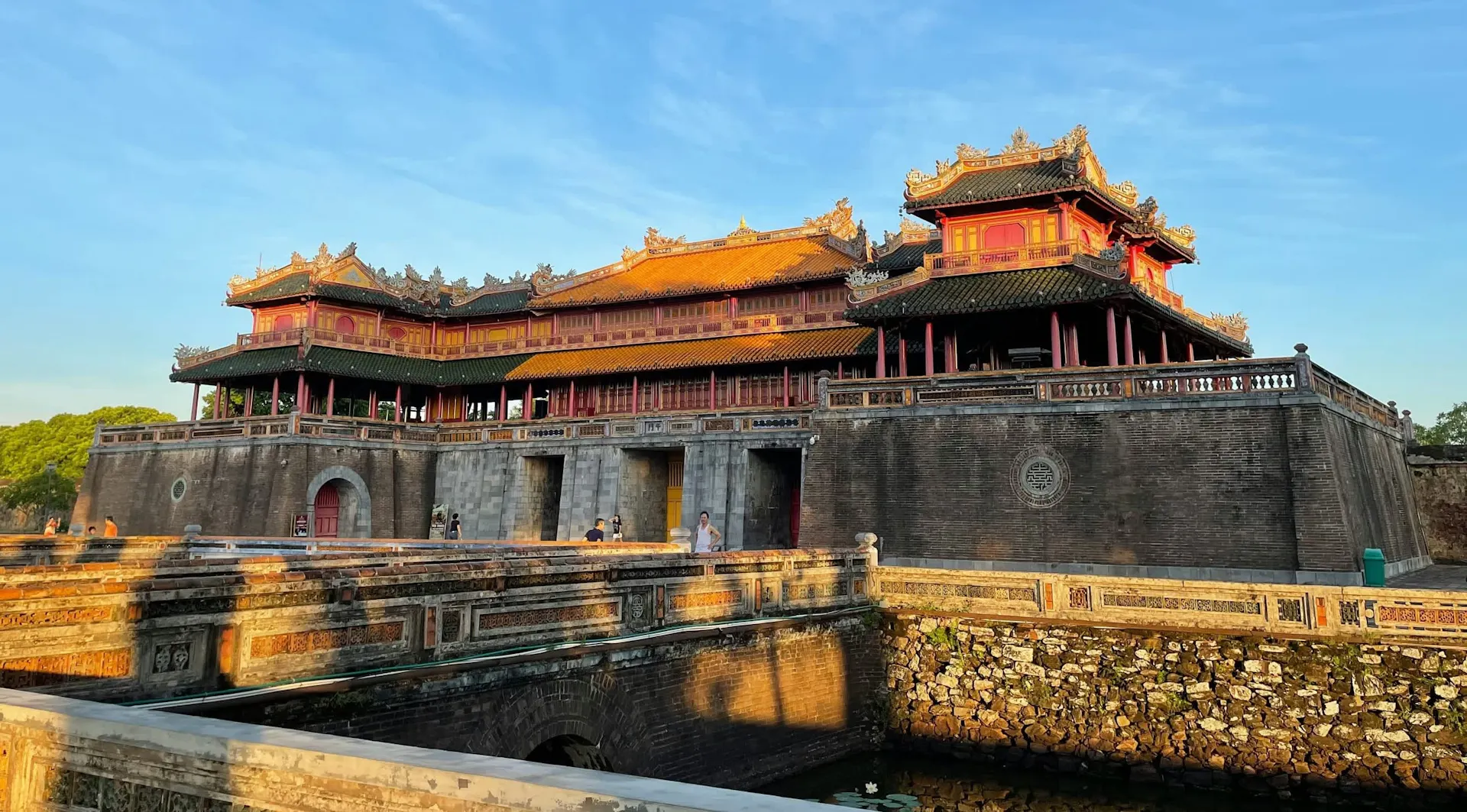
Hue Travel Guide
Hue is a historic destination in Central Vietnam, famous for its ancient imperial heritage, royal architecture, and peaceful landscapes. Once the capital of the Nguyen Dynasty, Hue offers travelers a unique journey through Vietnam’s history with the Imperial City, royal tombs, temples, and traditional culture. Visitors can explore the Perfume River, enjoy local cuisine, discover ancient villages, and experience the city’s elegant atmosphere. With its rich heritage and timeless beauty, Hue is a must-visit destination for culture and history lovers.
Discover Hue – The Historic Imperial City of Vietnam
Hue is one of Vietnam's most important cultural and historical destinations. Located in Central Vietnam along the Perfume River, the city is best known as the former imperial capital of the Nguyen Dynasty and is home to palaces, royal tombs, temples, pagodas, gardens, and historic neighborhoods.
Beyond its imperial heritage, Hue offers distinctive cuisine, peaceful river landscapes, traditional cultural experiences, and convenient access to beaches and surrounding countryside. For travelers interested in history, architecture, food, and Vietnamese culture, Hue is an essential destination in Central Vietnam.
Why Visit Hue?
Hue offers a slower and more atmospheric experience than some of Vietnam's larger cities. The city's imperial past can be seen throughout its architecture and historic monuments, while the Perfume River and surrounding countryside add a peaceful natural setting. Visitors can explore royal palaces in the morning, discover ancient tombs in the afternoon, and enjoy traditional Hue cuisine in the evening. The city is also well positioned between northern and southern Central Vietnam, making it a useful stop on longer journeys.
Hue Imperial City
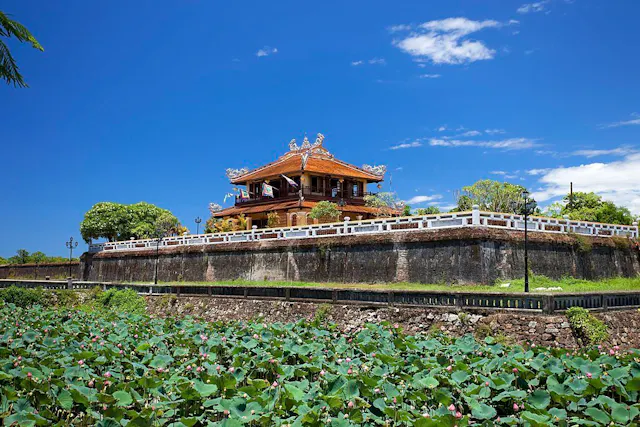
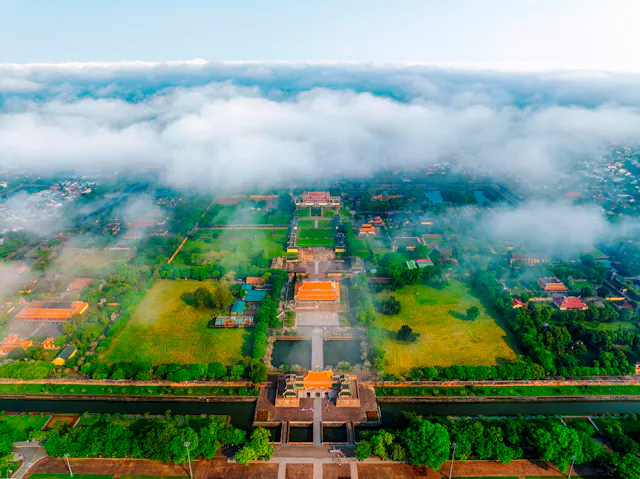
The Imperial City of Hue is the city's most important historical attraction. Located within the Citadel, the complex contains gates, courtyards, temples, palaces, gardens, and other structures associated with the Nguyen Dynasty. Exploring the Imperial City provides insight into Vietnam's royal history, architecture, political institutions, and court culture. Allow several hours to explore the complex because the site contains numerous buildings and open spaces. Early morning or later afternoon can provide more comfortable conditions for walking, particularly during warmer months.
Royal Tombs of Hue
The countryside surrounding Hue contains several impressive royal tombs built for Nguyen Dynasty emperors. The tombs of Tu Duc, Khai Dinh, and Minh Mang are among the best known. Each complex has its own architectural style and relationship with the surrounding landscape. Tu Duc's tomb is known for its gardens and tranquil setting, while Khai Dinh's tomb features a more elaborate combination of Vietnamese and European influences. Minh Mang's tomb is particularly notable for its symmetrical design and natural surroundings.
Thien Mu Pagoda
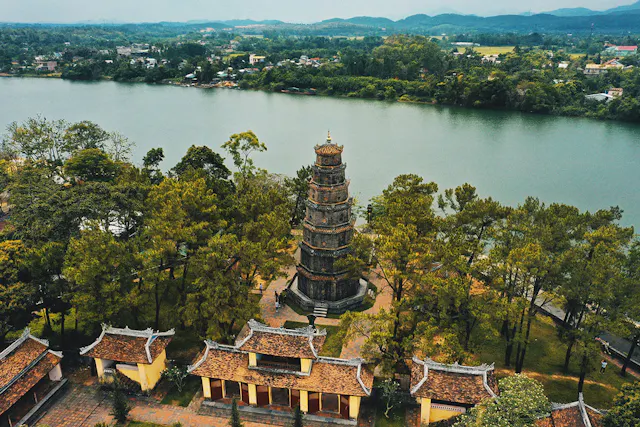
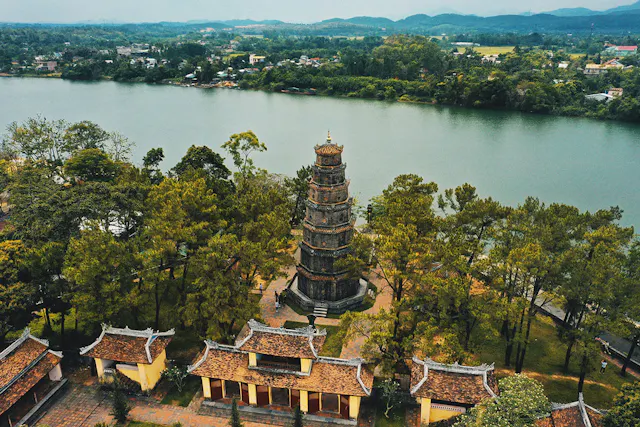
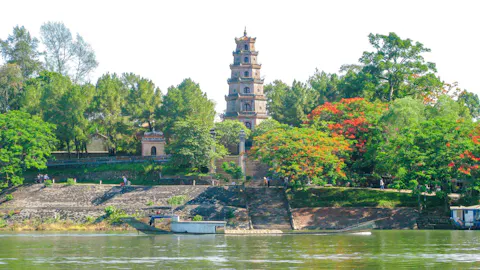
Located beside the Perfume River, Thien Mu Pagoda is one of Hue's most recognizable landmarks. Its seven-story tower has become an iconic symbol of the city. The pagoda remains an active religious site and offers visitors an opportunity to experience Buddhist architecture and spiritual traditions. A visit can easily be combined with a boat trip along the Perfume River or a tour of nearby royal tombs.
Perfume River
The Perfume River runs through the heart of Hue and plays an important role in the city's landscape and identity. Visitors can enjoy riverside walks, scenic viewpoints, or boat trips. A river cruise can be particularly atmospheric around sunset, when the surrounding landscape takes on a softer light. The river also provides a useful way to connect some of Hue's cultural attractions.
Hue Cuisine
Hue is famous throughout Vietnam for its distinctive culinary traditions. The city is associated with dishes such as Bún Bò Huế, a spicy beef noodle soup, as well as Bánh Bèo, Bánh Nậm, Bánh Lọc, and Bánh Khoái. Hue cuisine is often associated with refined presentation and a balance of flavors. Travelers can discover these dishes at local markets, family-run restaurants, street-food stalls, and specialty eateries. Trying a variety of small dishes is one of the best ways to experience Hue's culinary heritage.
Markets and Local Life
Dong Ba Market is one of Hue's most important traditional markets. Visitors can explore stalls selling fresh ingredients, prepared foods, clothing, handicrafts, and local products. The market is also a useful place to discover regional snacks and everyday food culture. Travelers should remember that markets are working environments, so photography and interactions with vendors should be respectful.
Cultural Experiences in Hue
Hue offers several ways to experience Vietnamese culture beyond sightseeing. Travelers can explore traditional craft villages, attend cultural performances, visit historic temples, participate in cooking classes, or learn about royal traditions. Music is also an important part of Hue's cultural heritage, including traditional forms associated with the former imperial court.
Beaches Near Hue
Although Hue is primarily known for history and culture, the city also provides access to Central Vietnam's coastline. Thuan An Beach and Lang Co Beach are among the coastal destinations that can be incorporated into a wider Hue itinerary. These areas offer opportunities for swimming, seafood, relaxation, and scenic coastal experiences.
Best Time to Visit Hue
Hue has a tropical monsoon climate, with significant differences between its dry and rainy periods. The cooler and drier months can be comfortable for exploring historical sites and walking outdoors. During the rainy season, heavy rainfall can affect outdoor activities and river conditions. Travelers should check the local forecast before planning boat trips, beach visits, or full-day sightseeing itineraries.
How to Get to Hue
Hue is accessible by train, bus, road, and air. Phu Bai International Airport provides air connections to Hue, while trains connect the city with other destinations along Vietnam's north-south railway. The scenic journey between Hue and Da Nang can be particularly memorable because of the coastal and mountain landscapes along the route. Buses and private transfers are also convenient for travelers arriving from Hoi An, Da Nang, or other Central Vietnamese destinations.
Getting Around Hue
Hue's major attractions are spread across the city and surrounding countryside. Taxis, ride-hailing services, private cars, bicycles, motorcycles, and organized tours can all be useful depending on the itinerary. Cycling can be particularly enjoyable around quieter areas and rural roads, while private transportation is more convenient for visiting several royal tombs in one day.
How Long to Stay in Hue
A two- to three-day stay provides enough time to explore the Imperial City, several royal tombs, Thien Mu Pagoda, local markets, and Hue's food scene. Travelers interested in cultural experiences, countryside exploration, or nearby beaches may prefer to stay longer. Hue can also be combined with Hoi An and Da Nang to create a broader Central Vietnam itinerary.
Discover Hue
Hue offers a unique combination of imperial history, traditional architecture, Buddhist heritage, river landscapes, regional cuisine, and local culture. From the Imperial City and royal tombs to Thien Mu Pagoda, Dong Ba Market, and the distinctive dishes of Hue cuisine, the city provides a deeper look into Vietnam's cultural heritage.
Whether you are interested in history, food, architecture, photography, or relaxed cultural travel, Hue is one of the most rewarding destinations to explore in Central Vietnam.
Gallery of Huế – Journey Through Vietnam’s Imperial Heritage
Step into the timeless beauty of Huế through a gallery celebrating the city’s imperial history, elegant architecture, and tranquil landscapes. Explore the majestic Imperial City, royal tombs, ancient pagodas, and the peaceful Perfume River that define this UNESCO World Heritage destination. Discover colorful traditional markets, graceful garden houses, vibrant cultural festivals, and the renowned cuisine that makes Huế unique. From historic monuments to poetic riverside scenes, each image captures the charm, culture, and enduring legacy of Vietnam’s former imperial capital.
Explore Attractions in Hue
Discover the historic attractions that make Hue one of Vietnam's most fascinating destinations. Explore the UNESCO-listed Imperial City, ancient royal tombs, peaceful pagodas, traditional garden houses, and scenic landmarks along the Perfume River. From the grandeur of the Nguyen Dynasty to Hue's distinctive cultural and architectural heritage, our guide to Hue attractions helps you discover the city's most memorable places to visit, along with hidden gems and experiences beyond the main tourist sites.
Complex of Hue Monuments
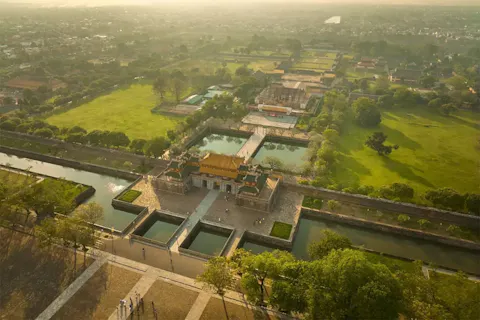
The Complex of Hue Monuments is one of Vietnam's most important historical and cultural treasures. Recognized as a UNESCO World Heritage Site in 1993, it preserves the magnificent legacy of the Nguyen Dynasty through imperial palaces, ancient temples, royal tombs, and the iconic Hue Citadel. Located along the scenic Perfume River, the complex offers visitors a fascinating journey into Vietnam's imperial past, blending remarkable architecture, royal traditions, and centuries of cultural heritage in the heart of central Vietnam.
Thien Mu Pagoda
Perched gracefully on the banks of the Perfume River, Thien Mu Pagoda is one of Vietnam's most famous Buddhist landmarks and a symbol of Hue's rich cultural heritage. Founded in 1601, the pagoda is best known for its elegant seven-story Phuoc Duyen Tower, peaceful gardens, and panoramic riverside views. Visitors come to admire its historic architecture, learn about Vietnamese Buddhism, explore sacred relics, and experience the tranquil atmosphere that has inspired generations of travelers.
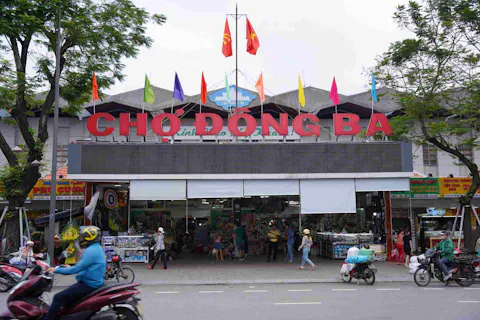
Dong Ba Market
Dong Ba Market is the largest and most historic marketplace in Hue, offering visitors an authentic taste of central Vietnamese culture. Located beside the Perfume River, the market is famous for fresh produce, traditional handicrafts, local specialties, and iconic Hue street food. From colorful conical hats and handmade souvenirs to delicious dishes such as bún bò Huế and bánh bèo, Dong Ba Market provides an unforgettable shopping and culinary experience in Vietnam's former imperial capital.
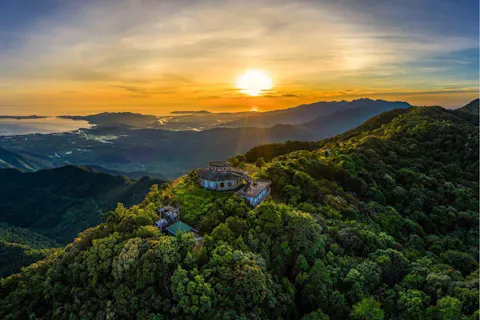
Bach Ma National Park
Bach Ma National Park is a breathtaking nature destination located between Hue and Da Nang, Vietnam, known for its misty mountains, tropical forests, waterfalls, and rich biodiversity. The park offers scenic hiking trails, panoramic viewpoints, and refreshing natural landscapes perfect for adventure and eco-tourism. Visitors can explore Five Lakes, Do Quyen Waterfall, and diverse wildlife within a peaceful mountain environment. Go Visit Vietnam introduces the beauty, attractions, and travel experiences of Bach Ma National Park for nature lovers and explorers.
Read More About Hue
Explore more of Hue with our complete travel guides. Discover the Imperial City, royal tombs, ancient pagodas, the Perfume River, traditional cuisine, suggested itineraries, seasonal travel tips, cultural experiences, and practical advice to help you experience Vietnam's historic imperial capital in depth.
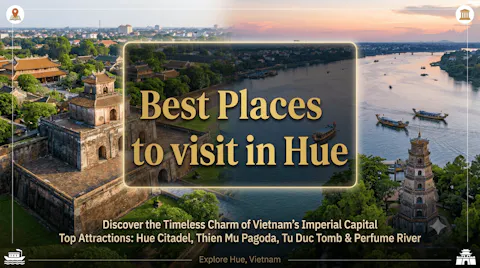
Best Places to Visit in Hue↗
Hue, Vietnam's former imperial capital, is a destination rich in history, culture, and timeless beauty. Visitors can explore the UNESCO-listed Imperial City, magnificent royal tombs, ancient pagodas, traditional villages, and the peaceful Perfume River. The city also offers charming gardens, historic temples, vibrant local markets, and authentic Central Vietnamese cuisine. Whether you're passionate about heritage, architecture, photography, or cultural experiences, this guide highlights the best places to visit in Hue for an unforgettable journey through Vietnam's imperial past.
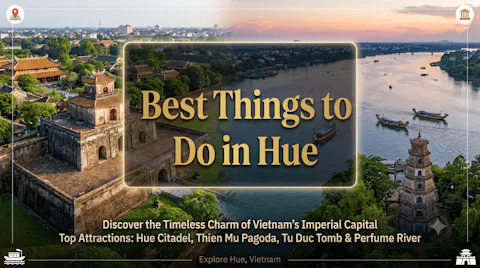
Best Things to Do in Hue↗
Hue offers unforgettable experiences that blend history, culture, and natural beauty. Explore the magnificent Imperial City, visit royal tombs, cruise along the Perfume River, discover ancient pagodas, sample Hue's famous cuisine, and wander through traditional villages. Visitors can also enjoy cultural performances, cycling tours, local markets, and nearby lagoons and beaches. This guide highlights the best things to do in Hue for travelers seeking authentic cultural experiences, imperial history, scenic landscapes, and the timeless charm of Vietnam's former royal capital.

Hue Food Guide↗
Hue is one of Vietnam's greatest culinary destinations, celebrated for its refined imperial cuisine and vibrant street food culture. Visitors can enjoy bun bo Hue, banh beo, banh nam, banh khoai, com hen, sweet soups, and countless traditional specialties that reflect the city's royal heritage. From bustling local markets to family-run restaurants and elegant dining venues, every meal tells a story of history and craftsmanship. This Hue Food Guide introduces the must-try dishes and unforgettable flavors that define Vietnam's former imperial capital.

Best Time to Visit Hue↗
Hue is a fascinating destination that can be enjoyed throughout the year, offering imperial heritage, peaceful riverside scenery, traditional festivals, and remarkable cuisine. The dry season provides ideal weather for exploring the Imperial City, royal tombs, and nearby beaches, while the rainy season creates a tranquil atmosphere with fewer crowds and lush landscapes. Visitors can also experience cultural festivals and authentic local life in every season. This guide helps you choose the best time to visit Hue based on weather, seasonal highlights, and travel interests.
How To Get There Hue
Bus and coach
Bus and coach services are popular options for reaching Hue from major cities such as Da Nang, Hanoi, and Ho Chi Minh City.
Daily sleeper buses and limousine coaches connect travelers to Hue City, offering affordable and comfortable transportation.
Typical travel times:
- 2.5–3 hours from Da Nang
- 14–16 hours from Hanoi
- 20–24 hours from Ho Chi Minh City
This option is suitable for budget travelers and those looking for direct routes.
Train
Hue is located on Vietnam’s North–South railway line, making train travel one of the most scenic ways to reach the city.
Hue Railway Station connects the destination with major cities including Hanoi, Da Nang, Nha Trang, and Ho Chi Minh City.
The train journey offers beautiful views of Vietnam’s coastline, mountains, and countryside, making it a popular choice for travelers who enjoy slow travel.
Driving
Driving to Hue provides flexibility and the opportunity to explore Central Vietnam at your own pace.
The city is connected by major roads, including the North–South route and scenic coastal roads.
Estimated travel times:
- 2.5–3 hours from Da Nang
- 12–14 hours from Hanoi
- 20+ hours from Ho Chi Minh City
A private car or motorbike is a great option for visiting nearby destinations such as beaches, lagoons, and countryside areas.
Flying
The nearest airport serving Hue is Phu Bai International Airport, located about 15 km from Hue city center.
The airport connects Hue with major Vietnamese cities, including:
- Ho Chi Minh City
- Hanoi
From the airport, travelers can reach Hue by:
- Taxi
- Airport shuttle
- Private transfer
The journey usually takes around 30–45 minutes.
Frequently Asked Questions About Hue
Where is Hue located?
Hue is located in Central Vietnam along the North Central Coast region. The city is known as Vietnam’s former imperial capital and is famous for its historical landmarks, royal architecture, and cultural heritage.
What are the best things to do in Hue?
Visitors can explore the Hue Imperial City, visit Nguyen Dynasty royal tombs, discover Thien Mu Pagoda, cruise along the Perfume River, enjoy traditional Hue cuisine, and experience the city’s unique history and culture.
What is the best time to visit Hue?
The best time to visit Hue is from February to April when the weather is mild and comfortable for sightseeing. May to August is suitable for travelers who prefer sunny days, while the rainy season offers a quieter travel experience.
How can I travel to Hue from other cities in Vietnam?
Travelers can reach Hue by flight, train, bus, or private car. Phu Bai International Airport provides quick access by air, while trains and buses connect Hue with major destinations such as Hanoi, Da Nang, and Ho Chi Minh City.
How many days should I spend in Hue?
A 2–3 day trip is recommended to explore Hue’s main attractions, including the Imperial City, royal tombs, pagodas, and local cuisine. Travelers interested in history and culture may enjoy staying longer to discover more traditional experiences.
Advertising box
Nearby Destinations to Explore from Hue
Discover the diverse landscapes and cultural treasures surrounding Hue, the historic heart of Central Vietnam. Head south to the vibrant coastal city of Da Nang, stroll through the UNESCO-listed streets of Hoi An, explore the pristine beaches and islands of Quang Tri and Quang Binh, or journey west into Bach Ma National Park for lush forests, waterfalls, and panoramic mountain views. From imperial heritage and coastal adventures to nature escapes and authentic regional cuisine, these nearby destinations are the perfect additions to your Hue travel itinerary.
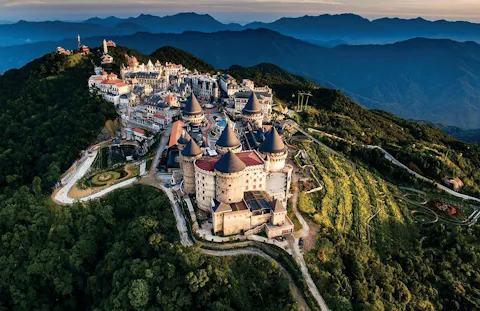
Da Nang Travel Guide
Da Nang is one of Vietnam’s most popular coastal destinations, offering a perfect combination of beautiful beaches, modern city life, natural wonders, and cultural attractions. Located in Central Vietnam, the city is famous for My Khe Beach, Marble Mountains, Ba Na Hills, and its iconic bridges. Visitors can enjoy fresh seafood, explore nearby heritage sites like Hoi An and Hue, and experience a vibrant yet relaxed atmosphere. With its stunning landscapes and convenient location, Da Nang is an ideal destination for every traveler.
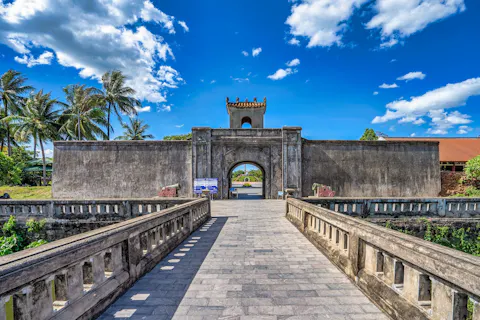
Quang Tri Travel Guide
Quang Tri is a historically rich destination in Central Vietnam, famous for its significant war relics, DMZ sites, ancient citadels, and peaceful coastal landscapes. Known for landmarks such as the Vinh Moc Tunnels, Hien Luong Bridge, and Con Co Island, Quang Tri offers a powerful journey through Vietnam’s history and resilience. Visitors can explore cultural heritage sites, enjoy quiet beaches, and experience authentic local life. With its deep historical significance and natural beauty, Quang Tri is a meaningful travel destination.
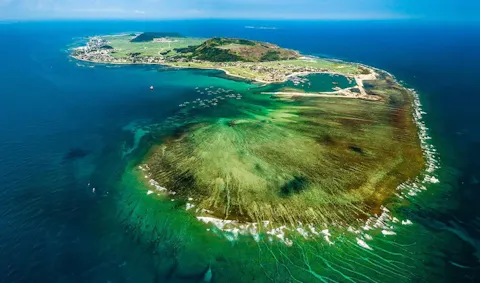
Quang Ngai Travel Guide
Quang Ngai is a charming coastal destination in Central Vietnam, offering a mix of beautiful islands, volcanic landscapes, historical sites, and authentic local culture. Famous for Ly Son Island, pristine beaches, and unique geological formations, Quang Ngai is perfect for travelers seeking peaceful escapes and unforgettable experiences. Visitors can explore island scenery, enjoy fresh seafood, discover traditional villages, and learn about the region’s rich history. With its natural beauty and relaxed atmosphere, Quang Ngai is a hidden gem worth exploring in Vietnam.
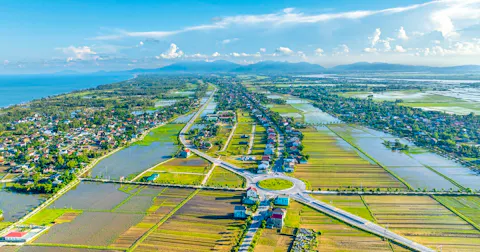
Ha Tinh Travel Guide
Ha Tinh is a serene destination in Central Vietnam, offering a perfect blend of mountains, beaches, lakes, and cultural heritage. Known for its peaceful coastline, natural landscapes, and historical significance, Ha Tinh is ideal for travelers seeking an authentic and less crowded experience. Visitors can explore Thien Cam Beach, Ke Go Lake, Dong Loc T-junction, and traditional villages while enjoying local cuisine and hospitality. With its untouched charm and quiet atmosphere, Ha Tinh is a hidden gem waiting to be discovered.
Nghe An Travel Guide
Nghe An is the largest province in Vietnam, located in the North Central region and known for its diverse landscapes, cultural heritage, and historical importance. As the homeland of President Ho Chi Minh, Nghe An offers meaningful historical sites, beautiful beaches like Cua Lo, and natural attractions such as Pu Mat National Park. Visitors can explore mountains, rivers, traditional villages, and vibrant local culture. With its combination of history and nature, Nghe An is a fascinating destination in Central Vietnam.