
- Destinations
Northern Vietnam
Central Vietnam
- Attractions
Categories
World Heritage
Historical & Cultural
- Things To Do
Categories
Outdoor Adventures
- Food & Drink
Categories
Vietnamese Dishes
- Travel & Planning
Categories
- Inspiration
Categories
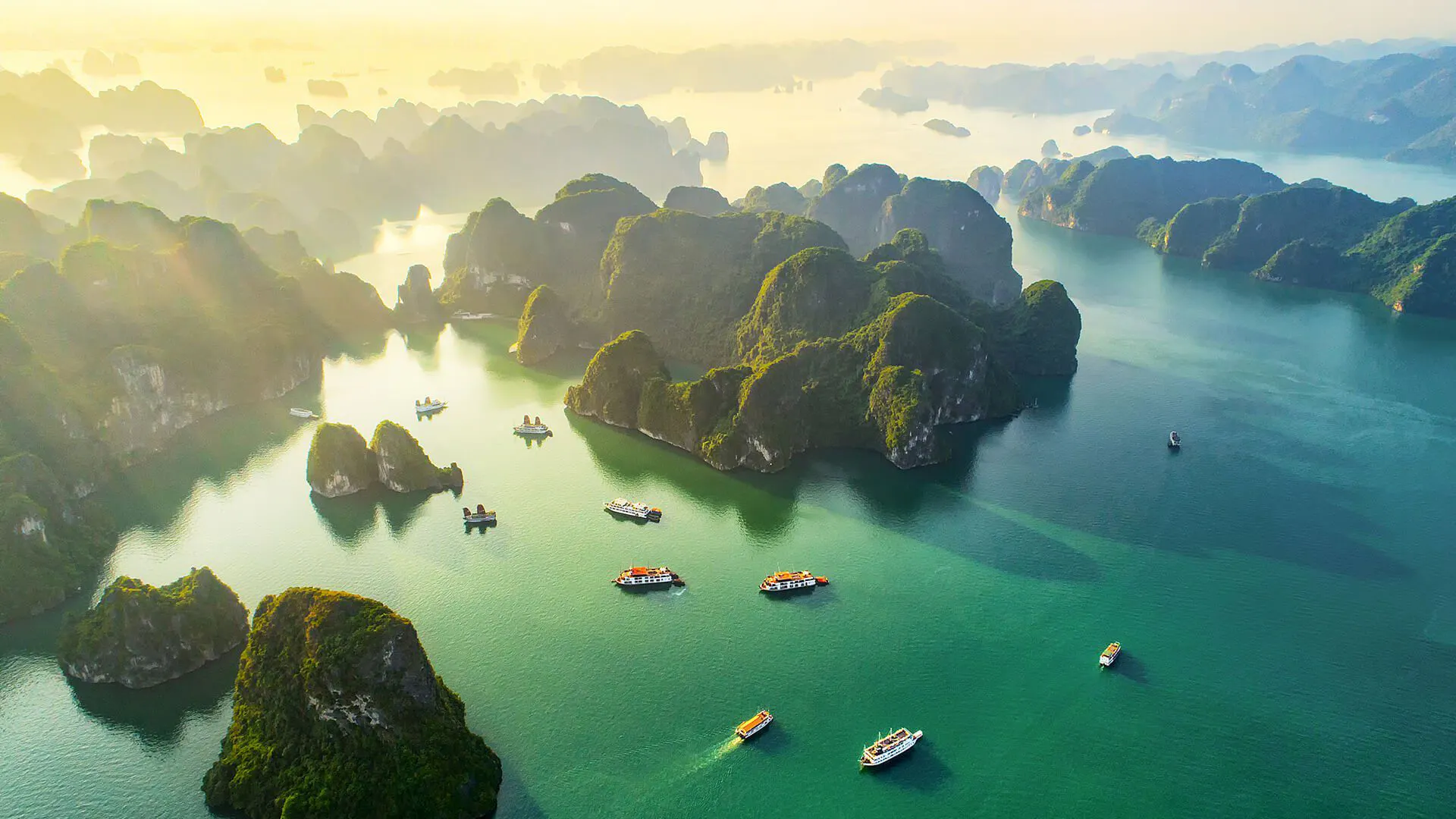
Vietnam is home to nine UNESCO World Heritage properties, covering ancient towns, imperial monuments, archaeological sites, Buddhist landscapes, limestone karsts, caves, and protected natural areas. From Ha Long Bay and Trang An to Hue, Hoi An, My Son, and the newly recognized Yen Tu complex, these sites reveal different chapters of Vietnam’s history, culture, and natural heritage. Explore the UNESCO sites across northern, central, and southern Vietnam and discover what makes each destination worth visiting.
Vietnam’s UNESCO World Heritage Sites offer a glimpse into the country’s long history, diverse cultures, and remarkable natural landscapes. The UNESCO World Heritage List currently includes nine properties in Vietnam, covering cultural, natural, and mixed heritage. Together, they range from ancient trading towns and imperial monuments to archaeological sites, Buddhist landscapes, limestone karsts, and extensive cave systems.
Vietnam’s cultural heritage sites include the Complex of Hue Monuments, Hoi An Ancient Town, My Son Sanctuary, the Imperial Citadel of Thang Long, and the Citadel of the Ho Dynasty. The country’s newest cultural addition is the Yen Tu-Vinh Nghiem-Con Son, Kiep Bac Complex of Monuments and Landscapes, which was inscribed in 2025. These places reflect different periods of Vietnamese history, from imperial rule and ancient Champa civilization to Buddhist traditions and historic trade.
Vietnam also has major natural World Heritage properties. Ha Long Bay - Cat Ba Archipelago is recognized for its spectacular limestone islands and marine landscapes, while the Phong Nha-Ke Bang National Park and Hin Nam No National Park property is known for its exceptional karst formations, caves, forests, and biodiversity. Trang An Landscape Complex is Vietnam’s mixed World Heritage property, combining outstanding natural scenery with archaeological and cultural values.
For travelers, these UNESCO sites are spread across different parts of the country and can be included in a wider Vietnam itinerary. Northern destinations such as Hanoi, Ha Long Bay, and Ninh Binh can be combined on one journey, while Central Vietnam offers a particularly rich concentration of heritage sites around Hue, Hoi An, My Son, and Phong Nha.
Visiting Vietnam’s World Heritage Sites is not only about seeing famous landmarks. Each destination provides an opportunity to understand how geography, history, religion, architecture, and local communities have shaped Vietnam over time. Exploring these sites alongside local food, traditional towns, museums, and cultural experiences can provide a more complete picture of the country’s heritage.
Go beyond the iconic landmarks and uncover the stories, cultures, landscapes, and experiences that make Vietnam's World Heritage Sites truly extraordinary. From ancient civilizations and imperial dynasties to breathtaking natural wonders, there's always more to explore.
A world-famous UNESCO World Heritage Site featuring thousands of limestone islands rising from emerald waters, offering unforgettable cruises and spectacular scenery.
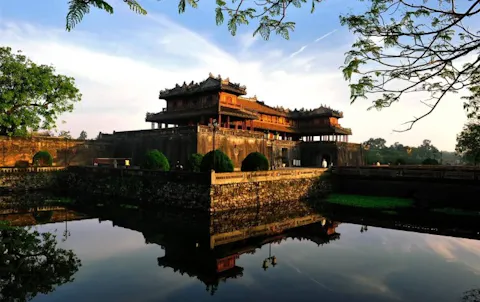
Discover the Complex of Hue Monuments, the former imperial capital of Vietnam and a UNESCO World Heritage Site. Explore ancient citadels, royal palaces, tombs, and temples that reflect the grandeur of the Nguyen Dynasty along the Perfume River.
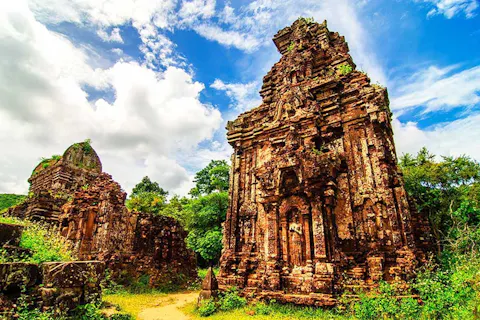
Discover My Son Sanctuary, one of Southeast Asia's most important archaeological sites and a UNESCO World Heritage Site. Explore ancient Cham temples, Hindu influences, centuries of history, and the remarkable cultural legacy of the Champa Kingdom in central Vietnam.
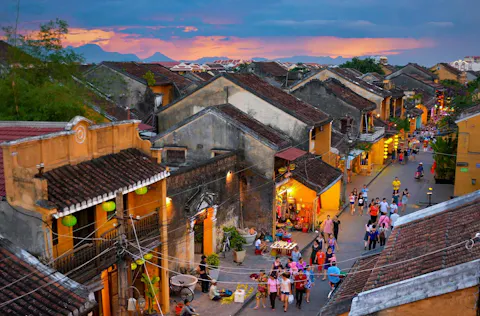
Discover Hoi An Ancient Town, one of Vietnam's most charming UNESCO World Heritage Sites. Wander through lantern-lined streets, explore centuries-old architecture, experience rich cultural traditions, and uncover the history of one of Southeast Asia's most important trading ports.
Discover Vietnam’s most remarkable UNESCO World Heritage Sites, where ancient history, breathtaking landscapes, and unique cultural traditions come together. From imperial cities and ancient towns to spectacular caves, natural wonders, and heritage landscapes, these destinations showcase the diverse beauty and rich identity of Vietnam.
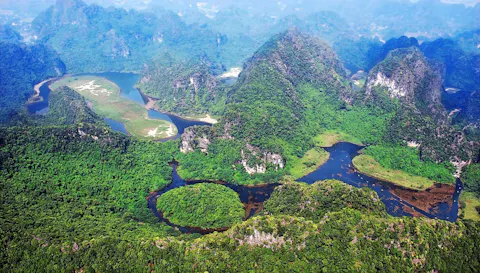
Trang An Scenic Landscape Complex is one of Vietnam's most spectacular natural and cultural treasures. Recognized as the country's first mixed UNESCO World Heritage Site in 2014, Trang An combines towering limestone mountains, winding rivers, mysterious caves, ancient temples, and archaeological sites dating back thousands of years. Located in Ninh Binh Province, this breathtaking landscape offers unforgettable boat journeys through dramatic scenery while revealing the remarkable harmony between nature, history, and Vietnamese cultural heritage.
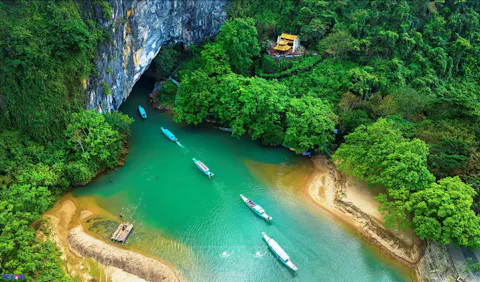
Phong Nha – Ke Bang National Park is one of the world's greatest cave destinations and a UNESCO World Heritage Site celebrated for its extraordinary geology and biodiversity. Home to spectacular underground rivers, ancient limestone mountains, and world-famous caves such as Son Doong and Paradise Cave, the park offers unforgettable adventures for nature lovers and explorers. Located in Quang Binh Province, it is a must-visit destination for anyone seeking Vietnam's most breathtaking natural wonders and outdoor experiences.
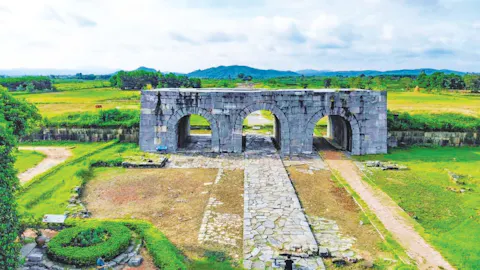
The Citadel of the Hồ Dynasty is one of Vietnam's most extraordinary historical landmarks and a UNESCO World Heritage Site recognized in 2011. Built in 1397 using massive limestone blocks, this remarkable fortress reflects exceptional engineering, strategic planning, and the political vision of the short-lived Hồ Dynasty. Located in Thanh Hoa Province, the citadel offers visitors a fascinating glimpse into Vietnam's medieval history while showcasing one of Southeast Asia's finest examples of monumental stone architecture.
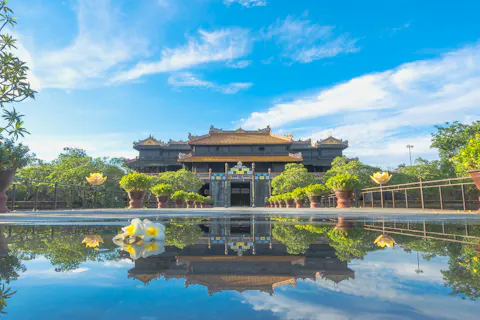
The Complex of Hue Monuments is one of Vietnam's most important historical and cultural treasures. Recognized as a UNESCO World Heritage Site in 1993, it preserves the magnificent legacy of the Nguyen Dynasty through imperial palaces, ancient temples, royal tombs, and the iconic Hue Citadel. Located along the scenic Perfume River, the complex offers visitors a fascinating journey into Vietnam's imperial past, blending remarkable architecture, royal traditions, and centuries of cultural heritage in the heart of central Vietnam.
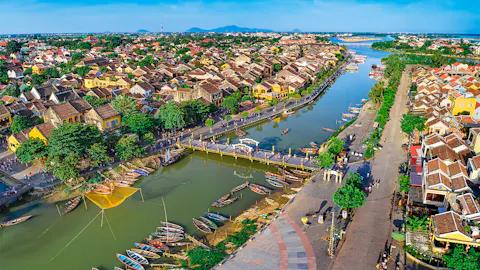
Hoi An Ancient Town is one of Vietnam's most enchanting destinations, where centuries of history blend seamlessly with vibrant local life. Once a thriving international trading port, the town is renowned for its beautifully preserved wooden houses, colorful lanterns, historic temples, riverside cafés, and lively markets. Recognized as a UNESCO World Heritage Site in 1999, Hoi An captivates visitors with its timeless atmosphere, rich multicultural heritage, outstanding cuisine, and unforgettable cultural experiences in central Vietnam.
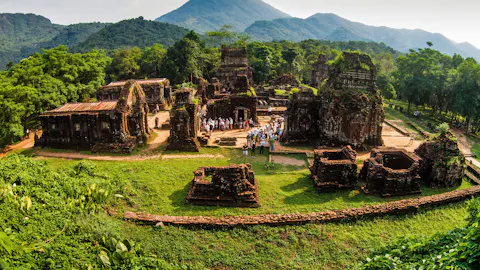
Nestled in a lush valley surrounded by mountains, My Son Sanctuary is one of Vietnam's most remarkable archaeological sites. Once the spiritual and political center of the Champa Kingdom, the sanctuary features centuries-old Hindu temple towers dedicated to the god Shiva. Recognized as a UNESCO World Heritage Site in 1999, My Son offers visitors an extraordinary opportunity to explore ancient architecture, fascinating history, and the enduring cultural legacy of one of Southeast Asia's greatest civilizations.
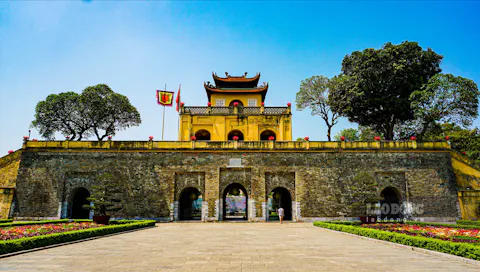
The Imperial Citadel of Thang Long is one of Vietnam's most significant historical landmarks and a UNESCO World Heritage Site located in the heart of Ha Noi. Once the political center of successive Vietnamese dynasties for over thirteen centuries, the citadel preserves ancient palaces, archaeological remains, ceremonial gates, and royal architecture. Visitors can explore centuries of Vietnamese history while discovering remarkable cultural treasures that reflect the country's royal heritage. This guide covers everything you need to know before visiting the Imperial Citadel of Thang Long.
Ha Long Bay is one of Vietnam's most iconic destinations and a UNESCO World Heritage Site celebrated for its thousands of limestone islands rising dramatically from emerald waters. Visitors can enjoy unforgettable cruises, kayaking adventures, hidden caves, floating fishing villages, beautiful beaches, and spectacular sunsets. Beyond its natural beauty, the bay also offers fresh seafood, luxury cruises, and authentic cultural experiences. This Ha Long Bay Travel Guide provides everything you need to plan an unforgettable journey through one of the world's most remarkable seascapes.