
- Destinations
Northern Vietnam
Central Vietnam
- Attractions
Categories
World Heritage
Historical & Cultural
- Things To Do
Categories
Outdoor Adventures
- Food & Drink
Categories
Vietnamese Dishes
- Travel & Planning
Categories
- Inspiration
Categories
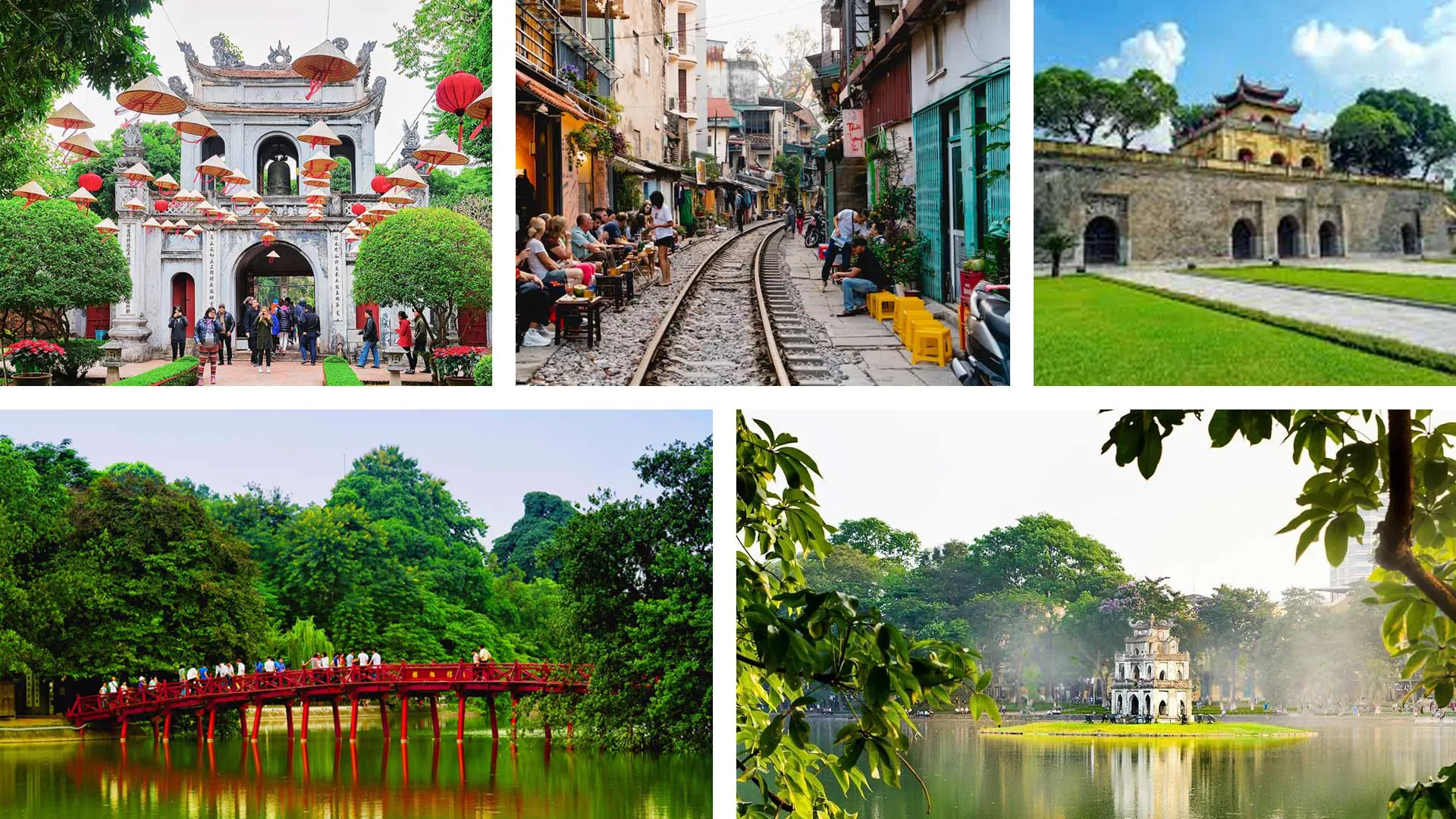
Compare Vietnam destinations, beaches, islands, foods, transportation options, travel experiences, seasons, and travel styles to find what best matches your trip. Explore practical comparisons between popular Vietnamese destinations and discover the differences in attractions, atmosphere, food, costs, weather, and things to do. Whether you are choosing between Hanoi and Ho Chi Minh City, Phu Quoc and Nha Trang, or different ways to travel around Vietnam, these comparisons help you make informed decisions based on your interests, budget, travel style, and itinerary.
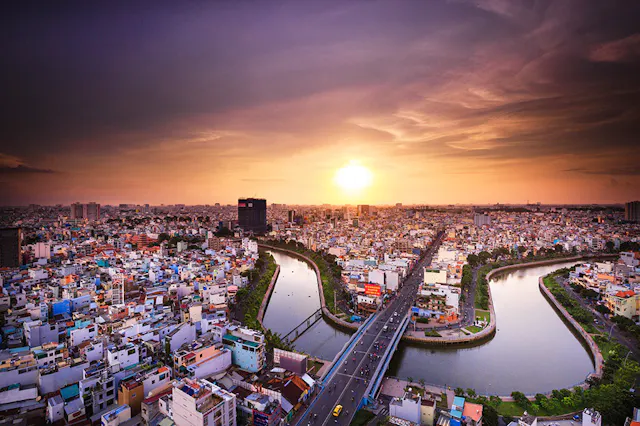
Choosing between destinations, foods, activities, and transportation options can be challenging when planning a trip to Vietnam. Many places offer similar experiences but have different atmospheres, landscapes, costs, weather conditions, and travel styles. Vietnam travel comparisons help you understand these differences and choose the options that best match your interests, budget, available time, and itinerary.
Destination comparisons can help travelers decide where to spend their limited vacation time. Hanoi and Ho Chi Minh City, for example, offer very different urban experiences, while Hoi An and Da Nang combine history, beaches, food, and culture in different ways. Beach destinations such as Phu Quoc, Nha Trang, Quy Nhon, and Da Nang also vary in atmosphere, activities, accessibility, and suitability for different types of travelers. Comparing destinations before booking can make it easier to build a balanced Vietnam itinerary.
Food comparisons provide another way to understand the country's regional diversity. Vietnamese dishes often share ingredients and cooking techniques while differing in seasoning, preparation, texture, and cultural background. Comparing dishes such as phở and bún bò Huế can help travelers decide what to try while also discovering how Vietnamese cuisine changes from one region to another.
Transportation comparisons are equally useful. Vietnam offers domestic flights, trains, sleeper buses, ferries, taxis, ride-hailing services, and motorbike travel. The fastest option is not always the most convenient or memorable, so comparing travel time, comfort, cost, routes, and flexibility can help you choose the right option for each journey.
Travel comparisons can also focus on seasons, costs, activities, and travel styles. A destination that is ideal for a beach holiday may not be the best choice for hiking, while a busy city may suit travelers looking for nightlife but feel less appealing to those seeking a quiet escape.
Use these Vietnam travel comparisons to look beyond simple rankings. Instead of asking which destination is universally better, consider which option is better for your trip. Understanding the differences allows you to make more confident decisions and create a Vietnam itinerary that fits the experience you want.
Compare Vietnam's top destinations, attractions, beaches, islands, cities, transportation, travel seasons, and experiences with easy-to-follow travel guides. Discover the differences, advantages, and insider recommendations to help you choose the best places and activities for your perfect Vietnam itinerary.

Hanoi and Ho Chi Minh City offer two very different ways to experience Vietnam. Hanoi is ideal for travelers drawn to history, traditional culture, atmospheric Old Quarter streets, northern Vietnamese food, and easy access to destinations such as Ninh Binh and Ha Long Bay. Ho Chi Minh City is faster, more cosmopolitan, and better suited to travelers seeking nightlife, diverse food, modern city life, and easy access to the Mekong Delta and southern beaches. Compare attractions, food, weather, costs, and travel styles to choose the right city for your Vietnam trip.
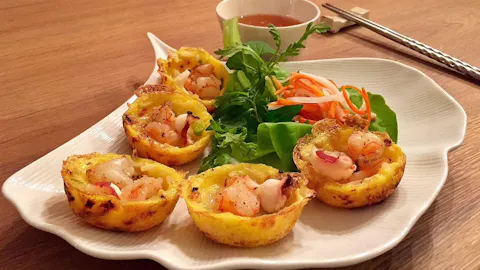
Bánh Căn and Bánh Khọt are two popular Vietnamese savory rice cakes that look similar but taste and cook differently. Bánh Căn is closely associated with Central Vietnam and is traditionally cooked in clay molds with little or no oil, creating a soft, airy texture. Bánh Khọt is a Southern specialty fried in an oiled metal mold, producing a crisp, golden exterior. Compare their ingredients, toppings, cooking methods, dipping sauces, regional origins, and traditional ways to enjoy these iconic Vietnamese street foods.
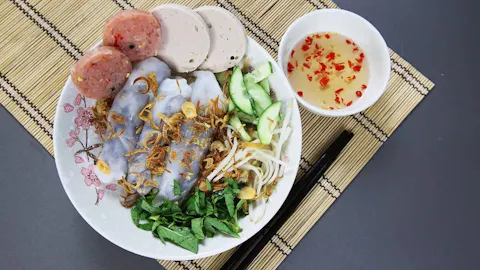
Banh Cuon and Banh Uot are two popular Vietnamese steamed rice dishes made from thin, delicate rice batter, but they differ mainly in how they are prepared and served. Banh Cuon is typically rolled around a savory filling of minced pork and wood-ear mushrooms, while Banh Uot is usually served unfilled with scallion oil, fried shallots, herbs, and dipping sauce. Discover their shared origins, ingredients, textures, toppings, sauces, regional variations, and the easiest ways to tell these Vietnamese rice dishes apart.
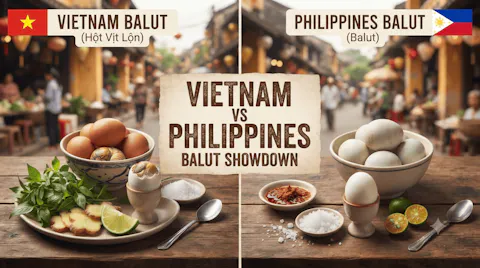
Explore the fascinating comparative gastronomy between Vietnam’s hột vịt lộn and the Philippines' famous balut. This comprehensive guide breaks down the key differences between these two iconic street food traditions, analyzing incubation timelines (19–21 days in Vietnam vs. 16–18 days in the Philippines), sensory taste profiles, and textural variations. Learn how distinct seasoning philosophies—from Vietnamese lime-pepper salt (muối tiêu chanh) paired with peppery rau răm herbs to Filipino spiced vinegars—shape unique cultural dining rituals across Southeast Asia.

Bun Rieu and Bun Bo Hue are two of Vietnam's most beloved noodle soups, but they offer completely different flavors and dining experiences. Bun Rieu features a light tomato and crab-based broth with freshwater crab paste, while Bun Bo Hue is famous for its rich, spicy beef broth infused with lemongrass and chili. This guide compares their ingredients, taste, regional origins, toppings, and cooking styles to help you understand what makes each dish unique and decide which one to try first.
Comparing destinations helps you understand differences in atmosphere, attractions, food, transportation, costs, weather, and travel styles. It can help you choose where to spend your time based on your interests, budget, and itinerary rather than simply choosing the most popular destination.
Popular comparisons include Hanoi vs Ho Chi Minh City, Hoi An vs Da Nang, Sapa vs Ha Giang, Ninh Binh vs Ha Long Bay, and Phu Quoc vs Nha Trang. Each comparison can help travelers decide between destinations with different landscapes, activities, cultural experiences, and atmospheres.
Both cities are excellent choices, but they offer different experiences. Hanoi is particularly appealing for travelers interested in history, traditional culture, the Old Quarter, and Northern Vietnamese cuisine. Ho Chi Minh City is known for modern city life, nightlife, shopping, museums, and Southern Vietnamese food. The better choice depends on your travel interests.
Hoi An is generally better suited to travelers looking for a historic atmosphere, traditional architecture, lantern-lit streets, local food, and a slower pace. Da Nang offers a larger city environment, broad beaches, modern facilities, and convenient access to surrounding attractions. Many travelers combine both destinations because they are relatively close to each other.
Sapa is a convenient choice for travelers who want mountain scenery, trekking, ethnic communities, and established tourism infrastructure. Ha Giang is better suited to travelers looking for dramatic mountain roads, scenic motorbike journeys, remote landscapes, and a more adventurous experience. Travel conditions and transportation options should be considered before choosing.
Phu Quoc is a strong choice for travelers seeking island scenery, beaches, resorts, and a more tropical getaway. Nha Trang offers a developed coastal city with beaches, restaurants, nightlife, island excursions, and convenient urban facilities. The better option depends on whether you prefer an island holiday or a city-and-beach combination.
Consider location, travel time, transportation, accommodation, food, attractions, activities, weather, costs, atmosphere, and trip length. You should also consider whether you are traveling alone, as a couple, with family, or as part of a larger group.
Compare the main components of a trip, including accommodation, meals, local transportation, attractions, tours, and activities. Also consider transportation costs to reach the destination. A destination with cheaper hotels may not be cheaper overall if transportation or activities cost significantly more.
Vietnam can offer good value across a wide range of travel styles, from budget accommodation and street food to luxury hotels and high-end dining. However, costs vary by destination, season, accommodation type, and activities. Comparing specific destinations and travel styles provides a more useful estimate than using one national average.
Yes. Vietnam has significant regional climate differences. Northern, Central, and Southern Vietnam can experience different temperatures, rainfall patterns, and seasonal conditions at the same time. Weather should be considered when comparing destinations for beaches, trekking, sightseeing, or outdoor activities.
Advertising box