- Destinations
Northern Vietnam
Central Vietnam
- Attractions
Categories
World Heritage
Historical & Cultural
- Things To Do
Categories
Outdoor Adventures
- Food & Drink
Categories
Vietnamese Dishes
- Travel & Planning
Categories
- Inspiration
Categories
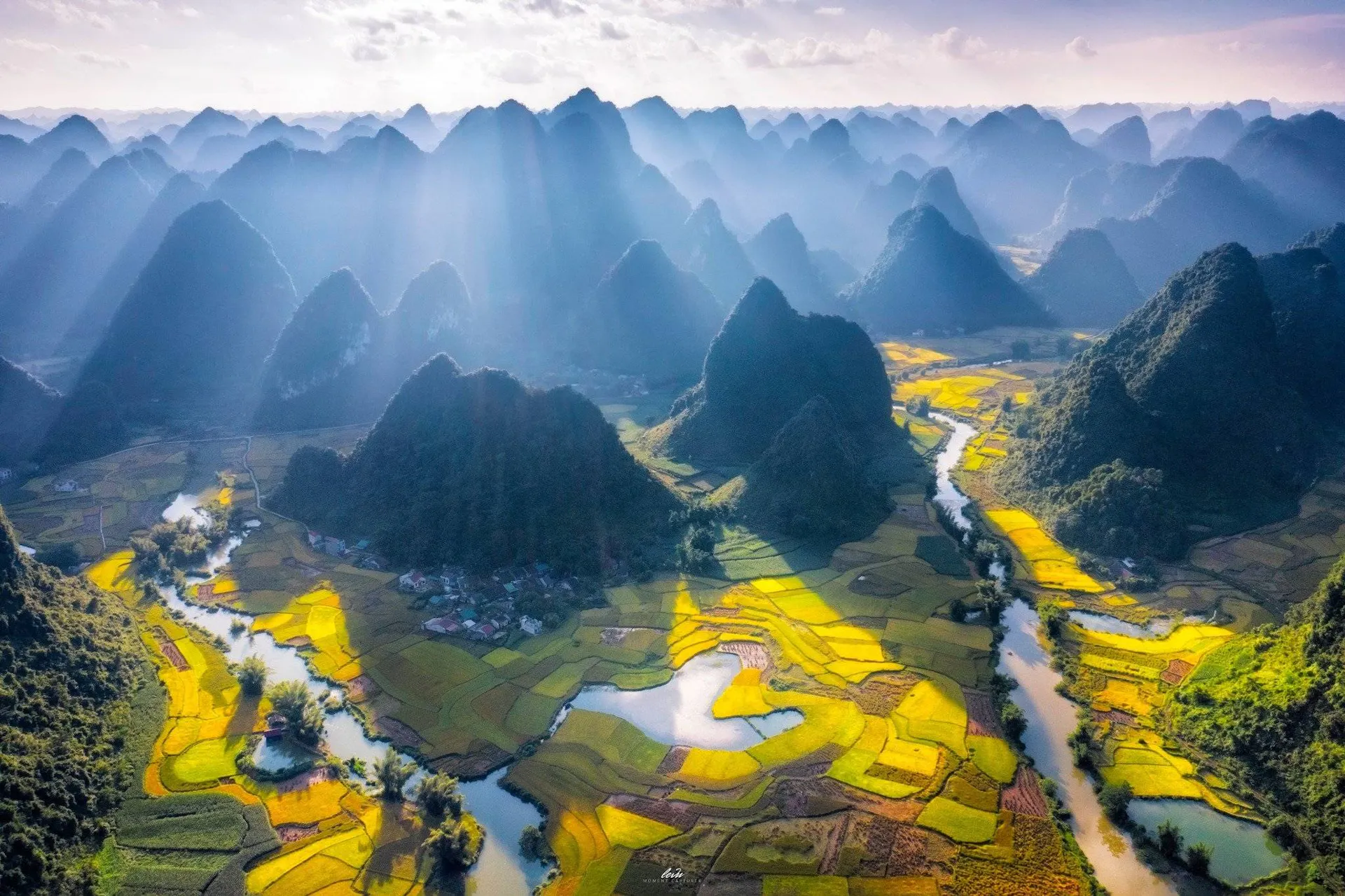
Vietnam offers different travel experiences throughout the year, from spring festivals and summer beach escapes to autumn mountain landscapes and winter adventures. Explore Vietnam by season and discover the best experiences for food, nature, culture, beaches, festivals, and outdoor activities. This guide helps travelers understand what makes each season special and choose destinations that match their interests, travel style, and itinerary. Whether you are planning your first trip or returning to explore more, discover seasonal inspiration for experiencing Vietnam at its best.
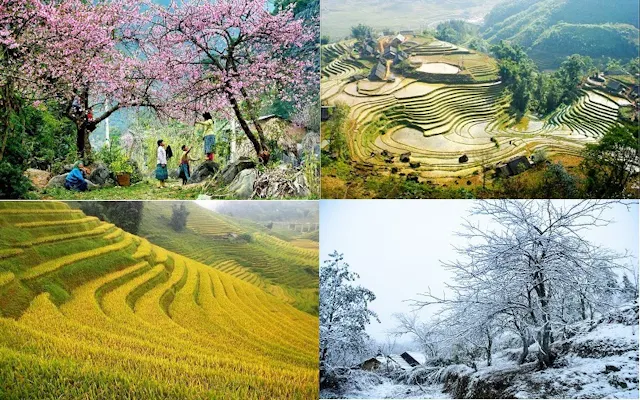
Vietnam is a year-round destination, but the character of the country changes with the seasons. From colorful spring celebrations and lush summer landscapes to golden autumn mountains and cool northern winters, each period offers its own atmosphere, activities, and travel experiences. Because Vietnam stretches from north to south, seasonal conditions also vary considerably between regions, making it possible to find a destination that suits almost any time of year.
Spring is a wonderful time to experience Vietnamese culture and local traditions. Around Tet, streets, markets, homes, and public spaces come alive with flowers, decorations, family gatherings, and festive foods. As the weather becomes warmer, travelers can explore historic cities, countryside landscapes, and cultural attractions across the country.
Summer brings long, warm days that are ideal for coastal escapes and outdoor adventures in many parts of Vietnam. Beaches, islands, waterfalls, rivers, and green mountain landscapes become especially appealing to travelers looking for swimming, kayaking, hiking, cycling, or simply relaxing outdoors. Flexible planning is useful because tropical rain showers can occur in some regions.
Autumn is particularly rewarding in northern Vietnam, where cooler temperatures and changing landscapes create excellent conditions for mountain trips and photography. Rice terraces around destinations such as Sapa and Mu Cang Chai can take on golden colors during harvest season, while mountain roads and rural communities offer memorable experiences away from major cities.
Winter creates an interesting contrast between regions. Northern destinations can become cool and misty, especially in the mountains, while southern Vietnam remains warm and provides opportunities for tropical beach and island getaways.
Seasonal travel is about more than choosing the perfect weather. It is also about discovering festivals, regional food, local traditions, natural landscapes, and activities that make each period unique. Use these seasonal guides to explore Vietnam by season and find experiences that match your interests, destination, and travel style.
Find the perfect time to explore Vietnam with expert seasonal travel guides. Discover monthly weather insights, regional highlights, festivals, beach seasons, mountain adventures, packing advice, and destination recommendations to help you plan an unforgettable trip any time of the year.
Vietnam can be visited throughout the year, but the best season depends on the regions and experiences you want. Spring and autumn can be comfortable for exploring several areas, while summer is popular for beaches and outdoor activities and winter offers cool northern landscapes and warm southern escapes.
Spring brings warmer weather to many parts of Vietnam and is strongly associated with Tet, the Vietnamese Lunar New Year. Travelers can experience flower markets, festive decorations, traditional foods, cultural activities, and celebrations, particularly around the Tet holiday.
Yes. Summer is a popular period for beach holidays, island trips, waterfalls, and outdoor activities. However, temperatures can be hot and humid, and some regions experience frequent rain, so flexible daily plans are recommended.
Autumn is especially attractive in northern Vietnam. Travelers can explore mountain destinations such as Sapa and Ha Giang, enjoy cooler conditions, photograph rice terraces, and experience rural landscapes during the harvest period.
Northern Vietnam can become cool during winter, particularly in mountain areas such as Sapa and Ha Giang. Central and southern Vietnam are generally warmer, making destinations in the south attractive for travelers looking for sunshine and tropical experiences.
The ideal beach season varies by destination because Vietnam's long coastline experiences different weather patterns. Travelers should check the seasonal conditions of specific destinations such as Da Nang, Hoi An, Nha Trang, Quy Nhon, Phu Quoc, and Con Dao.
Cooler and relatively dry periods are generally more comfortable for hiking and trekking. Northern mountain destinations such as Sapa, Ha Giang, and Cao Bang can offer excellent outdoor experiences during suitable seasonal conditions, although weather can change quickly in mountainous areas.
Vietnam has cultural festivals throughout the year. Tet is the country's most important annual celebration, while other events include the Mid-Autumn Festival, Hung Kings Festival, Lim Festival, and regional religious and cultural festivals. Dates for many celebrations follow the lunar calendar and change each year.
Yes. Northern, central, and southern Vietnam have noticeably different seasonal patterns. Northern Vietnam has the strongest seasonal variation, central Vietnam has distinct dry and rainy periods, and southern Vietnam remains warm throughout the year with clearer dry and wet seasons.
Seasonal food varies by region and time of year. Travelers can explore fresh tropical fruits, seafood, traditional festival foods, regional noodle dishes, street food, Vietnamese coffee, tea, and locally prepared drinks while traveling through different parts of the country.
Advertising box