
- Destinations
Northern Vietnam
Central Vietnam
- Attractions
Categories
World Heritage
Historical & Cultural
- Things To Do
Categories
Outdoor Adventures
- Food & Drink
Categories
Vietnamese Dishes
- Travel & Planning
Categories
- Inspiration
Categories
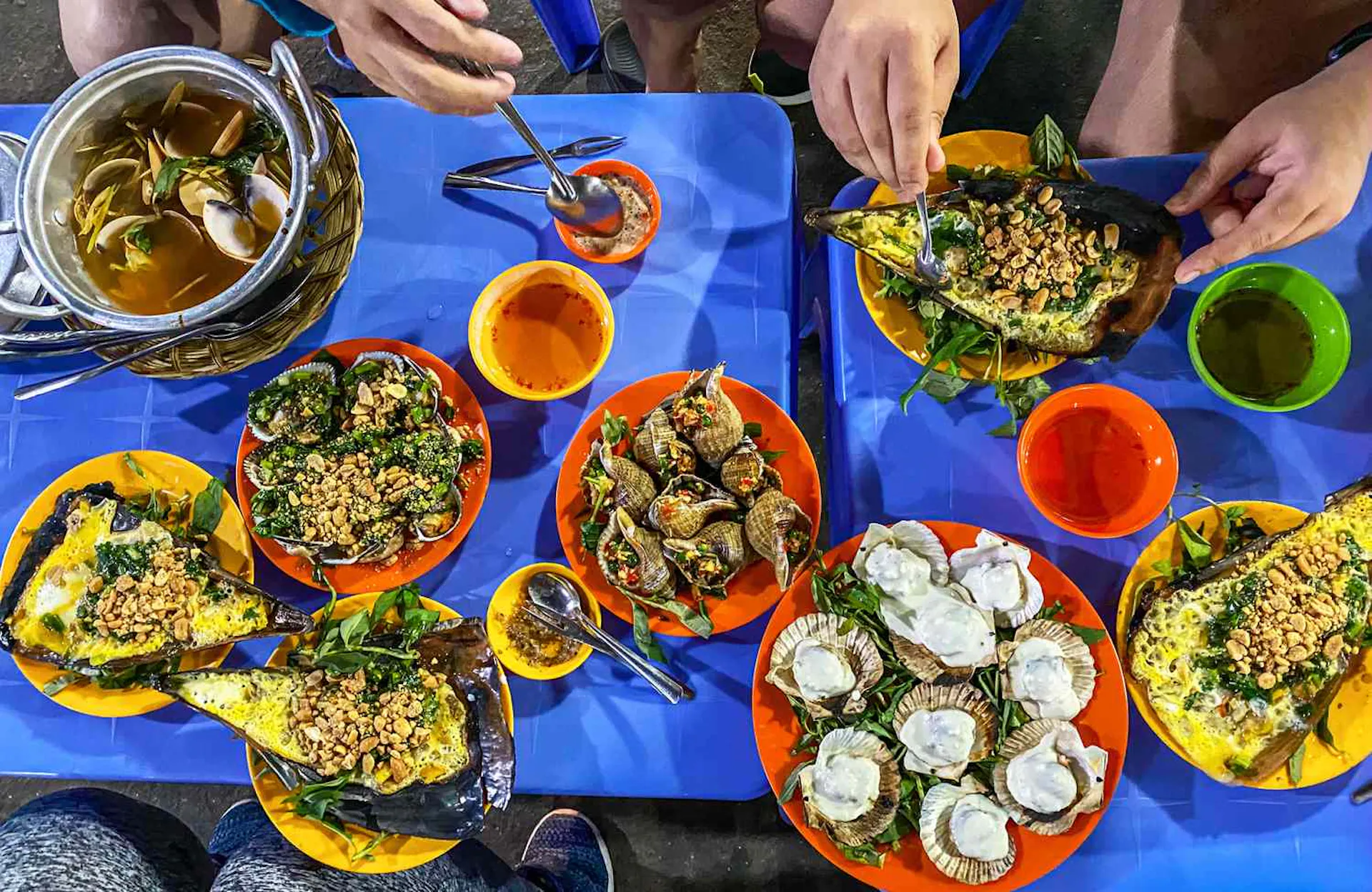
Seafood in Vietnam reflects the country's long coastline, islands, rivers, lagoons, and fertile delta regions. From grilled squid and steamed crab to prawns, oysters, clams, fish, and seafood hot pots, travelers can discover a wide variety of fresh local specialties. This guide explores the best seafood dishes in Vietnam, regional differences, popular coastal destinations, seafood markets, sauces, seasonal considerations, and practical tips for choosing and enjoying seafood. Discover where to eat and what to try on your Vietnam trip.
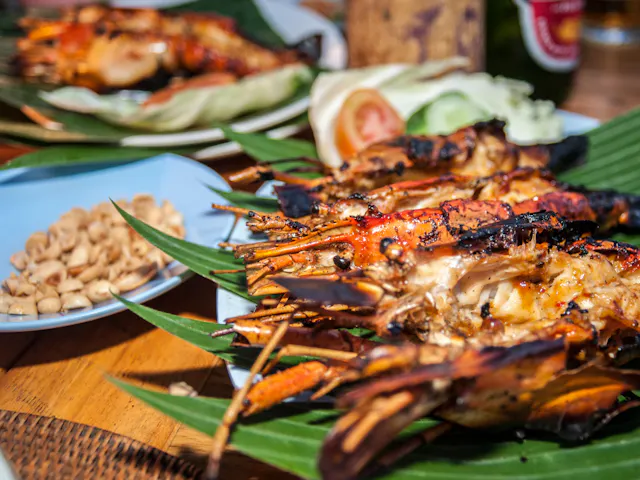
Seafood is an important part of Vietnam's culinary culture, shaped by the country's long coastline, offshore islands, rivers, lagoons, and fertile delta regions. From fishing villages along the Central Coast to bustling seafood markets in major cities, travelers can find a remarkable variety of fish, shrimp, crab, squid, shellfish, and other local ingredients. For visitors interested in Vietnamese food, exploring seafood is an opportunity to experience how geography and local traditions influence what appears on the table.
Vietnam's seafood culture varies considerably from one region to another. In Northern Vietnam, coastal provinces and destinations such as Ha Long and Hai Phong are known for marine specialties including crab, prawns, squid, clams, and other shellfish. Seafood is commonly steamed, grilled, stir-fried, or incorporated into noodle dishes and hot pots.
Central Vietnam offers some of the country's most diverse coastal seafood experiences. Destinations such as Da Nang, Nha Trang, Quy Nhon, Phu Yen, and Phan Thiet have access to abundant marine resources and lively local markets. Fresh seafood may be grilled over charcoal, cooked with herbs and spices, served in hot pots, or prepared simply to highlight its natural flavor.
In Southern Vietnam, seafood traditions extend beyond the coastline into the rivers and waterways of the Mekong Delta. Coastal destinations provide fresh crab, shrimp, squid, and shellfish, while inland areas are particularly known for freshwater species such as river fish, prawns, and other aquatic ingredients. Southern cooking also makes frequent use of herbs, vegetables, coconut, and sweet-sour flavors.
For travelers, enjoying seafood in Vietnam is about more than choosing a dish. Visiting a local market, selecting seasonal ingredients, watching seafood being prepared, or dining at a casual coastal restaurant can provide a closer connection to local food culture. Availability, prices, and seasonal catches vary by destination, so exploring local specialties and asking vendors or restaurants about the day's catch can make the experience even more rewarding.
Discover Vietnam's incredible seafood culture through fresh local catches, coastal specialties, traditional recipes, and regional favorites. From bustling fishing ports and floating seafood markets to beachfront restaurants and island delicacies, explore the finest seafood experiences from every corner of Vietnam.
Vietnam is known for a wide variety of seafood, including shrimp, prawns, crab, squid, oysters, clams, scallops, lobster, and many types of fish. Coastal destinations also offer local specialties based on the day's catch, while the Mekong Delta is known for freshwater fish and prawns.
Popular choices include grilled squid, grilled prawns, steamed crab, seafood hot pot, seafood noodles, bún cá, and seafood bánh xèo. Preparation and ingredients vary by region, so trying local specialties in different destinations is part of the experience.
Some of Vietnam's most popular seafood destinations include Ha Long, Hai Phong, Da Nang, Nha Trang, Quy Nhon, Phu Quoc, Vung Tau, and Phan Thiet. The Mekong Delta is another excellent region for freshwater seafood and river-based specialties.
Several Vietnamese cities are well known for seafood. Nha Trang, Da Nang, Quy Nhon, Ha Long, and Phu Quoc are particularly popular for fresh coastal seafood. Each destination has its own local specialties, preparation methods, and seafood markets.
Seafood prices vary considerably depending on the species, size, season, location, restaurant type, and preparation method. Local markets and casual seafood restaurants can offer affordable options, while premium restaurants and high-value species can be considerably more expensive.
Seafood is widely enjoyed in Vietnam, but travelers should choose restaurants and markets that maintain good hygiene and proper food handling. Look for busy establishments with high customer turnover, ensure seafood is properly cooked, and be cautious with raw or poorly refrigerated seafood.
At a seafood market or restaurant, look for seafood that is properly chilled or kept in clean tanks. Fresh fish should have clear eyes and firm flesh, while shellfish should generally be alive or tightly closed before cooking. When in doubt, ask the vendor what was caught locally that day.
Yes. Seafood markets are common in coastal cities, fishing communities, and island destinations. They can be excellent places to see local catches and learn about regional seafood culture. Some markets also allow customers to select seafood that is then prepared by nearby restaurants.
Central Vietnam has many strong seafood destinations, including Da Nang, Nha Trang, Quy Nhon, Phu Yen, and Phan Thiet. Nha Trang and Da Nang offer extensive restaurant choices, while smaller coastal destinations can provide a more local seafood experience.
The Mekong Delta is particularly associated with freshwater fish, prawns, river fish, crab, and other aquatic ingredients. Local cooking often combines these ingredients with herbs, vegetables, coconut, and regional sauces.
Advertising box
