
- Destinations
Northern Vietnam
Central Vietnam
- Attractions
Categories
World Heritage
Historical & Cultural
- Things To Do
Categories
Outdoor Adventures
- Food & Drink
Categories
Vietnamese Dishes
- Travel & Planning
Categories
- Inspiration
Categories

Museums in Vietnam offer visitors a closer look at the country’s history, culture, art, ethnic communities, and modern development. From the Vietnam Museum of Ethnology and art museums in Hanoi to the War Remnants Museum and historical collections in Ho Chi Minh City, each museum presents a different perspective on Vietnam. Explore museums by city and theme, including history, archaeology, art, ethnology, military history, and natural science, and find practical tips for planning museum visits during your trip.
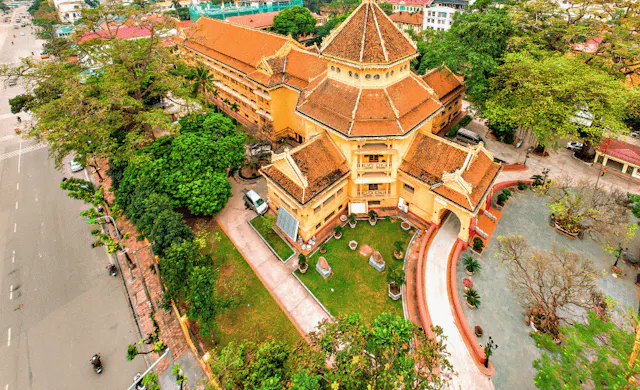
Museums in Vietnam provide an accessible way to learn about the country’s history, cultures, art, ethnic communities, and natural environment. Across major cities and regional destinations, museums range from national collections and specialist institutions to smaller local museums that focus on the history and traditions of a particular area. Visiting them can add context to historic sites, temples, markets, and neighborhoods explored during a trip.
Hanoi has a particularly wide selection of museums, including institutions dedicated to Vietnamese history, ethnology, fine arts, women’s history, and natural science. These museums can help visitors understand Vietnam’s dynastic periods, cultural diversity, traditional crafts, and artistic development. Several are also located near major historical and cultural attractions, making them convenient additions to a city itinerary.
In Ho Chi Minh City, museums cover subjects including modern Vietnamese history, military history, art, and local heritage. The city’s museums provide different perspectives on the country's more recent past while also introducing visitors to Vietnamese art, culture, and everyday life. Smaller museums and historical collections can also be found in other cities and provinces.
Beyond the two largest cities, Hue, Da Nang, Hoi An, and other destinations offer museums and cultural institutions connected to regional history and heritage. Some focus on imperial Vietnam, archaeology, traditional crafts, ethnic communities, or local development.
Museums in Vietnam can be grouped into several broad categories, including history and archaeology, art, ethnology and culture, military and modern history, and science and natural history. This makes it easier for travelers to choose museums based on their interests and available time.
When planning a museum visit, check opening hours, admission fees, photography rules, and temporary closures in advance. Allowing enough time to read exhibits and explore collections can make a museum visit more useful than simply adding it as a short stop between other attractions.
Discover the museums every traveler should experience while exploring Vietnam. These carefully selected destinations showcase the country’s fascinating history, vibrant artistic traditions, diverse ethnic cultures, remarkable scientific discoveries, and unforgettable stories of resilience. Whether you are interested in ancient civilizations, contemporary art, cultural heritage, or natural history, these must-visit museums provide enriching experiences for visitors of all ages. Add them to your Vietnam itinerary to gain a deeper understanding of the people, traditions, and heritage that make the country one of Southeast Asia’s most captivating destinations.
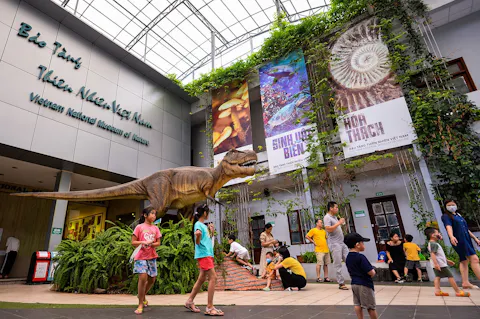
The Vietnam National Museum of Nature offers visitors an exciting journey through the country's incredible biodiversity, geological history, and unique ecosystems. Featuring dinosaur fossils, rare minerals, preserved wildlife specimens, and interactive scientific exhibits, the museum provides an engaging experience for families, students, and nature enthusiasts. Located in Hanoi, it introduces the fascinating evolution of life in Vietnam while promoting environmental conservation and scientific education. Go Visit Vietnam provides everything you need to plan an enjoyable and educational visit.
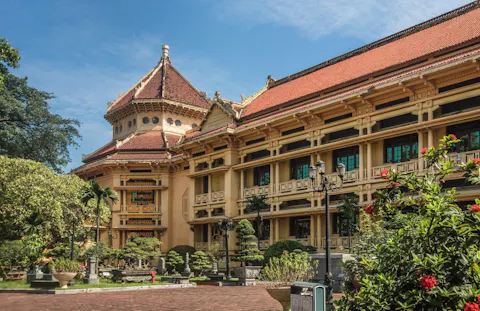
The Vietnam National Museum of History is one of Hanoi’s most important cultural landmarks, preserving the story of Vietnam from prehistoric times to the modern era. Through remarkable collections of ancient artifacts, royal treasures, ceramics, sculptures, coins, and historical documents, visitors can explore the development of Vietnamese civilization across thousands of years. Located near the Hanoi Opera House, the museum offers an enriching experience for history enthusiasts, students, and travelers. Go Visit Vietnam provides everything you need to plan your visit.
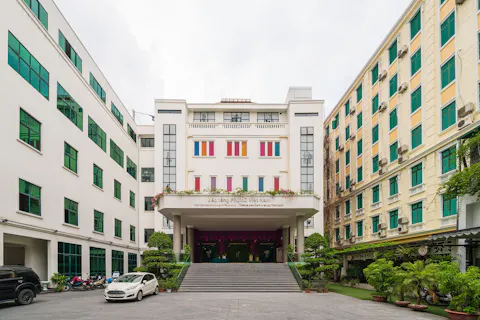
The Vietnamese Women's Museum is one of Hanoi’s most inspiring cultural attractions, showcasing the remarkable contributions of Vietnamese women throughout history and modern society. Through engaging exhibitions, traditional costumes, personal stories, family customs, and cultural artifacts, visitors gain insight into the diverse roles women have played across Vietnam’s many communities. Located in central Hanoi, the museum offers an enriching experience for travelers interested in culture, history, and social heritage. Go Visit Vietnam provides everything you need to plan your visit.
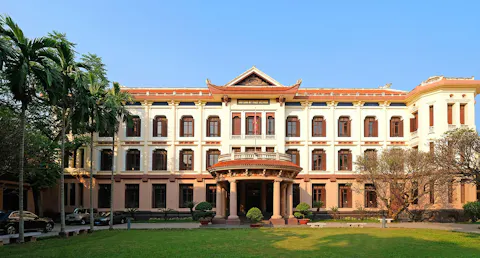
The Vietnam National Museum of Fine Arts is one of Hanoi’s leading cultural attractions, showcasing the evolution of Vietnamese art from ancient civilizations to contemporary masterpieces. Visitors can admire traditional paintings, sculptures, ceramics, lacquer art, folk artworks, and modern collections that reflect the country’s rich artistic heritage. Located near the Temple of Literature, the museum offers an inspiring experience for art lovers, history enthusiasts, and cultural travelers. Go Visit Vietnam provides everything you need to plan your visit to this remarkable museum.
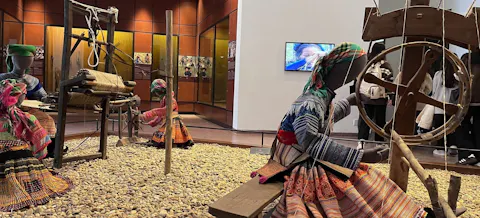
The Vietnam Museum of Ethnology is one of Hanoi’s most fascinating cultural attractions, showcasing the traditions, lifestyles, and heritage of Vietnam’s 54 officially recognized ethnic groups. Through engaging indoor exhibitions, authentic artifacts, and an impressive outdoor collection of traditional houses, visitors gain a deeper understanding of the country’s remarkable cultural diversity. Whether you are interested in history, architecture, or local traditions, the museum offers an enriching experience for travelers of all ages. Go Visit Vietnam helps you plan the perfect visit.
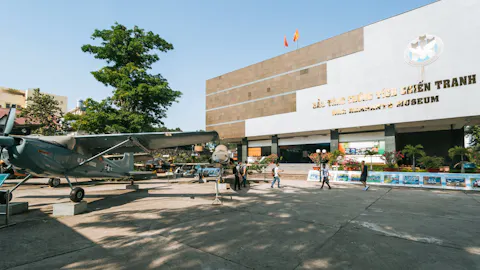
The War Remnants Museum is one of Ho Chi Minh City’s most visited cultural attractions, offering visitors a deeper understanding of Vietnam’s modern history through powerful exhibitions, historical artifacts, military equipment, and photographic collections. The museum presents the impact of war from multiple perspectives while promoting peace and historical awareness. Located in the heart of the city, it is an essential stop for travelers interested in Vietnam’s past, culture, and resilience. Go Visit Vietnam provides everything you need to plan your visit.