
Best Beaches in Vietnam
Explore the diverse shorelines of Vietnam with this expert seasonal guide. From the high-octane wind tunnels of Mũi Né to the secluded, eco-protected coves of Con Dao, learn how to successfully navigate the country's unique micro-climates to secure pristine waters and empty sands.
On this page
When planning a Vietnam beach holiday, the most dangerous assumption an international traveler can make is that tropical geography guarantees year-round perfection. It simply does not. Stretching over 3,260 kilometers from the jagged limestone karsts of the Gulf of Tonkin to the balmy, jade-colored waters of the Gulf of Thailand, Vietnam’s vast coastline is governed by highly localized, conflicting micro-climates. If you are seeking the best beaches in Vietnam, you must first master the nation's complex monsoon calendar.
Forget the superficial marketing brochures promising endless sunshine and uninterrupted bliss. The cold, geographic reality is that a stunning, crystal-clear bay in March can effortlessly transform into a turbulent, jellyfish-plagued, and heavily eroded shore by late September. Coastal conditions dictate everything—from water visibility and sand retention to luxury resort viability and basic physical safety. Consequently, timing your trip correctly is the single most critical factor in experiencing the pristine beaches Vietnam actually has to offer.
As a seasoned travel consultant and journalist who has spent years rigorously assessing these coastlines, I have engineered this exhaustive master guide to protect your time, your budget, and your expectations. We will bypass the crowded, over-hyped municipal sands and delve into the objective realities of the country's top coastal enclaves. From the dramatic cliffs of the central provinces to the remote archipelagos of the deep south, this is the definitive, unvarnished blueprint for finding the best beaches in Vietnam exactly when they are at their absolute peak.
The Geographic Reality: Understanding Vietnam’s Beach Seasons
Before we can confidently identify the best beaches in Vietnam, we must establish the immutable rules of the region's weather systems. The quest for the best time for beach in Vietnam is entirely dependent on whether your itinerary focuses on the Central Coast or the Deep South. The country does not share a uniform dry season, and understanding this climatic duality is the hallmark of an expertly planned, fail-proof itinerary.
The Central Coast (Da Nang, Hoi An, Nha Trang, Quy Nhon) The central provinces represent the classic, heavily photographed image of the Vietnamese riviera. Here, the optimal window for travel runs strictly from February to late August. During these prime months, the South China Sea is exceptionally calm, providing the ideal, glass-like conditions for swimming, sailing, and admiring high water visibility. The temperatures hover comfortably in the low 30s Celsius, the humidity is manageable, and the skies are reliably clear.
However, from September through December, this region becomes ground zero for the Northeast Monsoon. The central coast faces relentless, heavy wave action, severe undercurrents, and a significantly heightened risk of typhoons. The ocean churns up massive amounts of sediment, stripping the water of its famous turquoise hue, while seasonal debris often washes ashore. If you blindly book a luxury stay in Hoi An or Da Nang in November, expect red flag conditions, shuttered beach clubs, and heavily restricted ocean access.
The South & Islands (Phu Quoc, Con Dao, Mui Ne) Conversely, the southern coastline and its spectacular offshore archipelagos operate on an inverted schedule. For destinations like Phu Quoc and the isolated Con Dao Islands, the peak season for calm, azure waters occurs from November through April. This is when the Gulf of Thailand and the southern sea are shielded from the severe winds plaguing the central coast, offering a flawless, tranquil environment for high-end resort guests, divers, and sun-seekers.
Once May arrives, the Southwest Monsoon takes aggressive control, persisting all the way through October. While you may still experience intermittent sunny days and spectacular sunsets, the southern seas become notoriously rough. Boat transfers to remote islands face frequent cancellations, visibility for offshore snorkeling plummets to near zero, and the windward beaches inevitably accumulate seasonal flotsam. By strictly aligning your destination with these distinct weather patterns, you guarantee an elite coastal experience rather than an expensive, rain-soaked disappointment.
> Read more: List Beaches in Vietnam
Top 7 Best Beaches in Vietnam (Deep-Dive Analysis)
Navigating the multitude of options requires understanding the distinct personality and seasonal temperament of each destination. When debating a Nha Trang vs Da Nang beach experience or seeking the absolute elite Phu Quoc best beaches, contextual geography is everything. Here is an unfiltered, expert analysis of the top seven coastal stretches in the country.
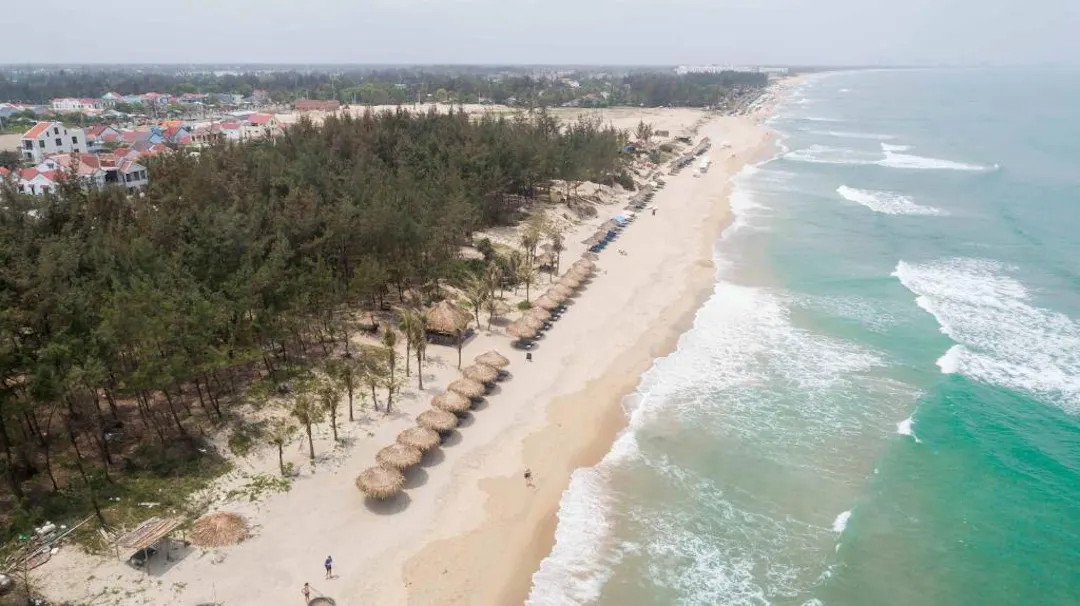
1. An Bang Beach (Hoi An)
Located just a short, highly scenic bicycle ride from the UNESCO-listed Ancient Town of Hoi An, An Bang Beach presents a refined yet laid-back bohemian atmosphere that appeals to a diverse, international crowd. Unlike the heavily engineered, high-rise resort strips further north, An Bang has miraculously retained a low-rise, organic charm characterized by chic beachfront bistros, boutique homestays, and rustic seafood shacks shaded by palm fronds. The sand here is remarkably soft, and the gradual slope into the ocean makes it an inviting location for casual swimming and paddleboarding. However, it is not a pristine wilderness; it is a lively, culturally integrated coastal village where local fishermen still launch their traditional basket boats. During the peak summer months, the water is glassy and inviting. Conversely, arriving in November guarantees harsh winds, aggressively eroded shorelines, and shuttered beach clubs, transforming the vibrant strip into a bleak, unswimmable landscape.
Insider Tips
- Best Month to Visit: April to July for optimal water clarity and vibrant local culture.
- Vibe: Bohemian chic, culinary-focused, expatriate-friendly, and highly social.
- Hidden Safety Hazard: Severe coastal erosion and strong rip currents during the autumn monsoon (October-December).
2. My Khe Beach (Da Nang)
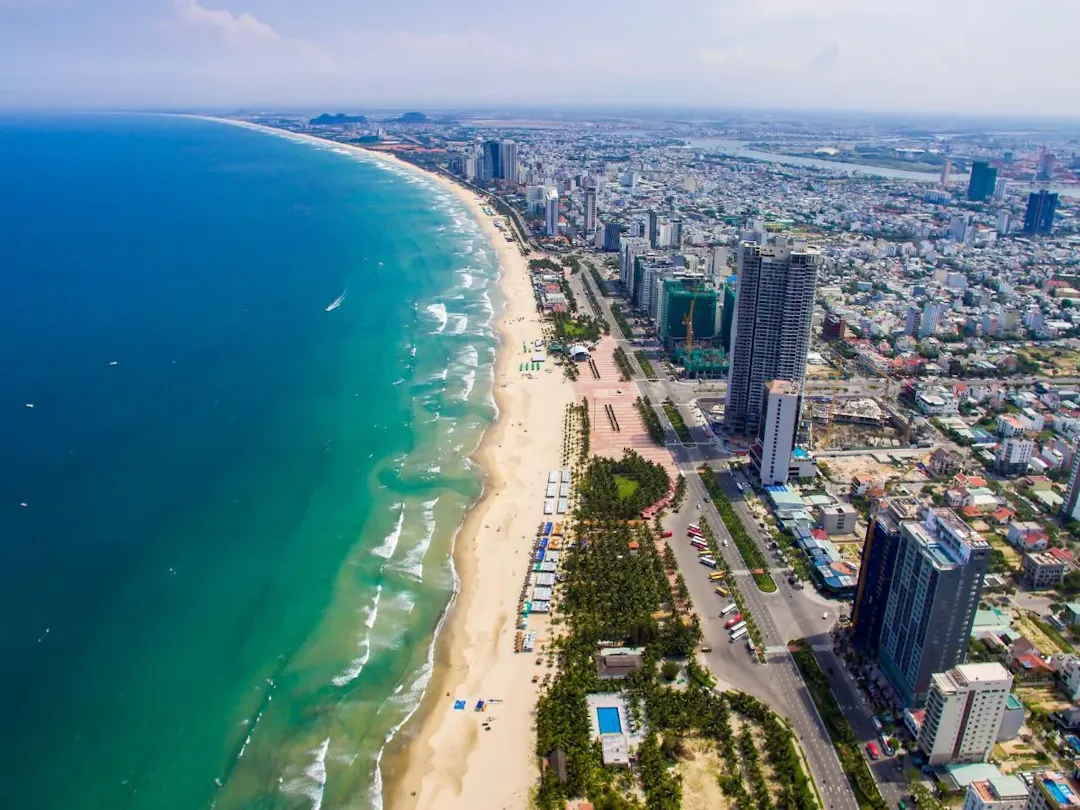
My Khe Beach is the undisputed gold standard for urban beach infrastructure in Southeast Asia. Spanning over 30 kilometers of prime coastline, this formidable stretch of sand offers a masterful blend of metropolitan convenience and undeniable natural beauty. The sand is remarkably wide, meticulously maintained, and framed by the dramatic, jungle-clad slopes of the Son Tra Peninsula. What truly sets My Khe apart is its highly organized civic management; it boasts dedicated swimming zones, vigilant lifeguard towers, and a thriving watersports culture spanning surfing to parasailing. When evaluating the Nha Trang vs Da Nang beach environments, My Khe emerges as vastly superior in terms of cleanliness, width, and modern urban planning. The early morning hours reveal a fascinating local fitness culture, while the evenings cater to high-end seafood dining. It is not secluded, but it is undeniably impressive in its scale.
Insider Tips
- Best Month to Visit: March to August for flat waters and uninterrupted sunshine.
- Vibe: Energetic, cosmopolitan, meticulously organized, and sport-oriented.
- Hidden Safety Hazard: Sudden drop-offs in the sandbank; always swim strictly between the red-and-yellow lifeguard flags to avoid lateral currents.
> Read more: My Khe Beach (Da Nang)
3. Starfish Beach & Sao Beach (Phu Quoc)
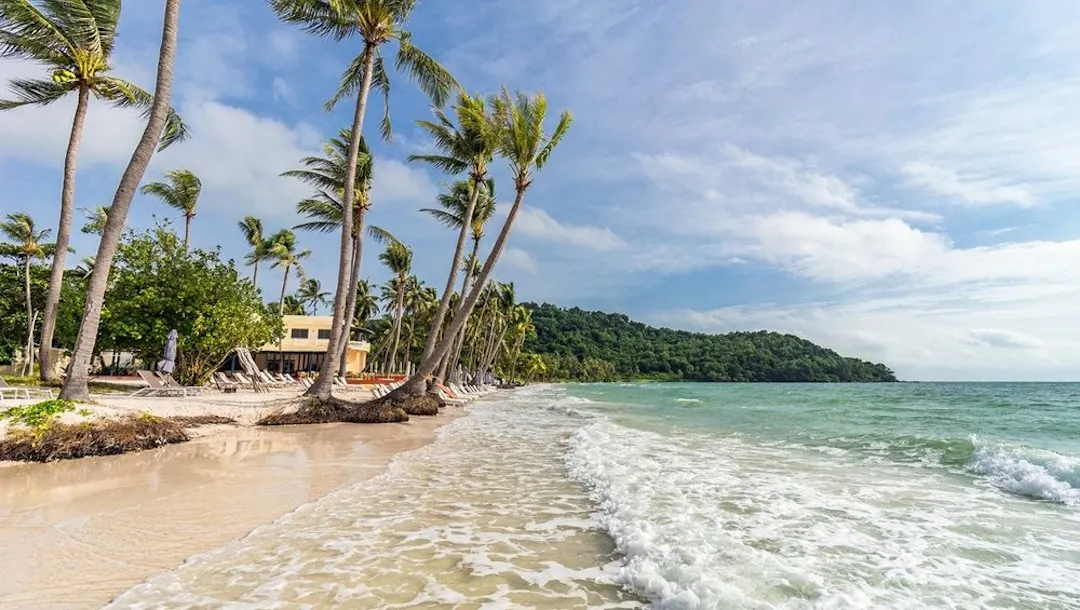
Often conflated in generic marketing materials, Sao Beach (Bãi Sao) in the southeast and Starfish Beach (Rạch Vẹm) in the north are the most famous names when discussing the Phu Quoc best beaches. Sao Beach undeniably possesses the highest concentration of silica in its sand, yielding a blindingly white, powdery shoreline that effortlessly rivals the Caribbean. The water is remarkably shallow, warm, and striking turquoise. However, the reality of rampant commercialization has hit hard; expect aggressive jet ski operators and massive sections crowded with busloads of tour groups. While it remains visually stunning, the pristine isolation of a decade ago is entirely gone. Starfish Beach offers a quieter, mangrove-backed alternative where vibrant red starfish dot the shallows, though access requires navigating unpaved, rutted dirt roads. Environmental management remains an ongoing challenge at both locations during the rainy off-season.
Insider Tips
- Best Month to Visit: December to March for the calmest, clearest Gulf of Thailand waters.
- Vibe: Visually spectacular but highly commercialized and frequently crowded.
- Hidden Safety Hazard: Inadequate municipal waste management during the summer monsoon; occasional seasonal water hyacinth blooms.
4. Dam Trau Beach (Con Dao Islands)
For travelers seeking raw, untamed isolation away from the mainland's mass tourism, Dam Trau Beach in the Con Dao archipelago represents the absolute pinnacle of pristine beaches Vietnam possesses. Tucked completely behind thick, jungle-clad hills on the western coast of Con Son island, this crescent of golden sand feels entirely removed from modern civilization. The water here remains incredibly calm and remarkably clear, offering excellent snorkeling among coral patches just offshore. The most defining and surreal characteristic of Dam Trau, however, is its incredible proximity to the island’s small airport runway. Visitors can literally float in the tranquil, azure water while twin-engine propeller planes make dramatic, low-altitude descents directly over the beach. It is an exhilarating contrast between rugged nature and modern aviation, completely devoid of large-scale resort development or noisy beach clubs.
Insider Tips
- Best Month to Visit: March to September (notably avoiding the worst of the mainland's summer storms).
- Vibe: Rugged, adventurous, serene, and uniquely photogenic.
- Hidden Safety Hazard: Opportunistic macaque monkeys that emerge from the jungle to aggressively target unattended food and belongings.
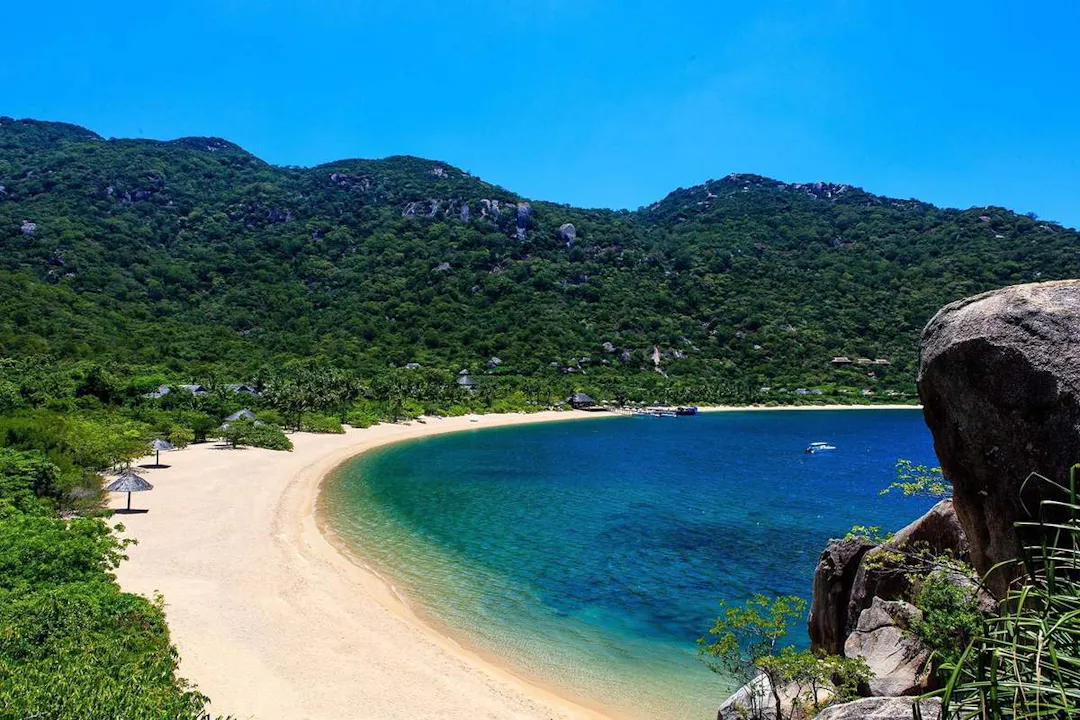
5. Ky Co Beach (Quy Nhon)
Ky Co is a spectacular geological masterpiece, often accurately compared to the Maldives due to its striking, luminescent turquoise waters and dramatic topography. Located on the Phuong Mai Peninsula, it is trapped between steep, arid mountains and the open sea, accessible primarily by a thrilling speedboat ride from the mainland (or a highly precipitous, winding coastal road). The water clarity here is arguably the highest in the entire central region, revealing vibrant coral clusters and unique hexagonal volcanic rock formations. Because Quy Nhon remains largely off the primary international mass-tourism circuit, Ky Co maintains an exclusive, frontier feel. While local domestic tourism is developing rapidly, the sheer scale of the surrounding cliffs ensures the beach retains its majestic, awe-inspiring atmosphere. It is a mandatory stop for visual purists.
Insider Tips
- Best Month to Visit: February to August; access is often completely severed by rough seas in late autumn.
- Vibe: Dramatic, cinematic, remote, and geologically fascinating.
- Hidden Safety Hazard: Severe sunstroke and dehydration; the beach offers virtually zero natural shade against the fierce central Vietnamese sun.
> Read more: Ky Co Beach
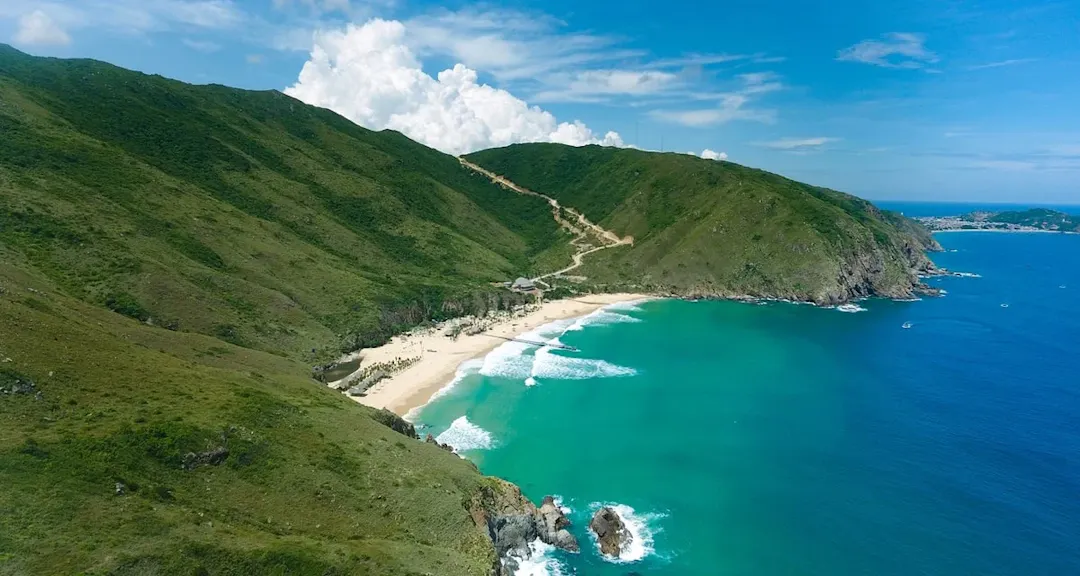
6. Doc Let Beach (Nha Trang Outskirts)
The main municipal beach of Nha Trang is heavily developed, often uncomfortably loud, and dominated by an imposing wall of high-rise hotels. For a highly sophisticated alternative, elite travelers head 50 kilometers north to the sanctuary of Doc Let Beach. This sweeping, perfectly arc-shaped bay features blindingly white sand, towering casuarina trees, and a remarkably shallow gradient. You can walk dozens of meters into the ocean with the water barely reaching your waist, making it an exceptionally safe and relaxing environment for families with small children. The backdrop includes tranquil salt pans and quiet fishing hamlets, offering a glimpse into a slower, more authentic coastal lifestyle. Doc Let provides the luxurious serenity that the main city strip sorely lacks, proving that a short drive can completely transform your coastal experience.
Insider Tips
- Best Month to Visit: February to September for glass-like, incredibly shallow waters.
- Vibe: Serene, family-friendly, slow-paced, and highly restorative.
- Hidden Safety Hazard: Seasonal influxes of stinging box jellyfish between June and August; always strictly consult local resort staff before swimming.
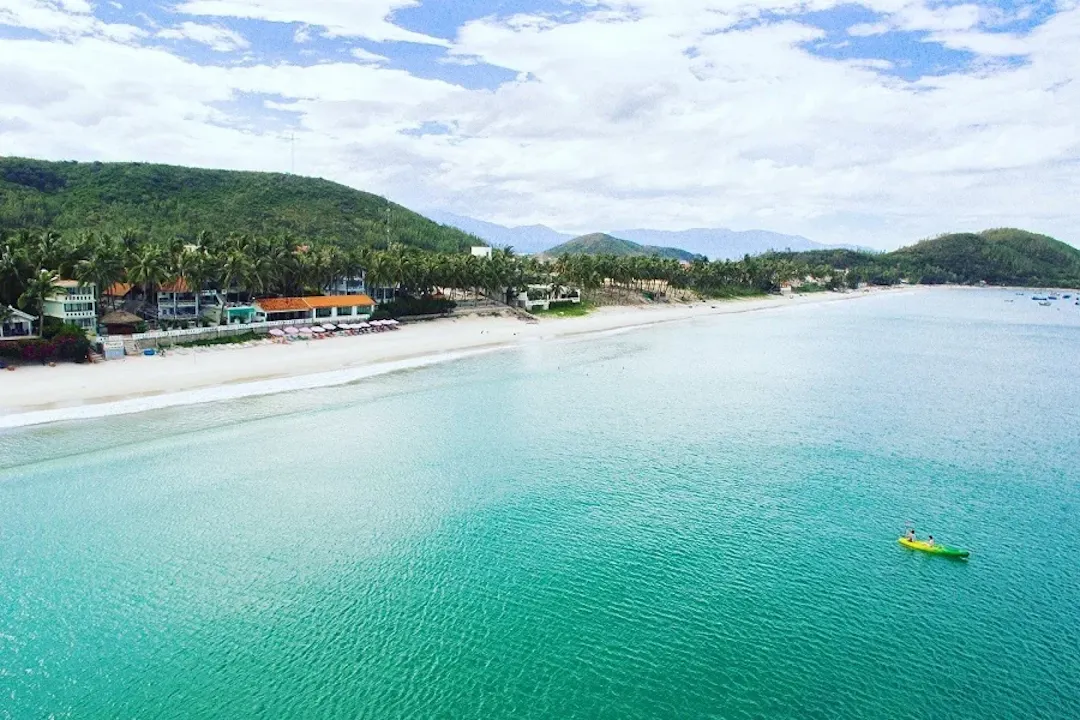
7. Khem Beach (Phu Quoc)
If you are seeking the ultimate luxury enclave among the best beaches in Vietnam, Khem Beach (Bãi Khem) stands completely unrivaled. Anchored by world-class, five-star properties like the JW Marriott Phu Quoc Emerald Bay, this southern cove has been meticulously curated for high-net-worth travelers. The sand is exceptionally fine—often likened to powdered sugar—and the bay is naturally sheltered by a pronounced curve in the coastline, resulting in virtually zero wave action and crystalline water during the dry season. Unlike Sao Beach, Khem Beach is rigidly maintained by the luxury resorts, ensuring pristine environmental conditions, raked sand, and elite service directly on the shore. It is the epitome of the manicured tropical resort experience, offering unparalleled exclusivity, sophisticated dining, and a flawless, heavily controlled environment for those who demand absolute perfection.
Insider Tips
- Best Month to Visit: November to April for peak luxury resort conditions.
- Vibe: Exclusive, manicured, ultra-luxurious, and uncompromisingly upscale.
- Hidden Safety Hazard: Occasional sea lice (thimble jellyfish larvae) in warmer months that can cause minor but irritating skin rashes.
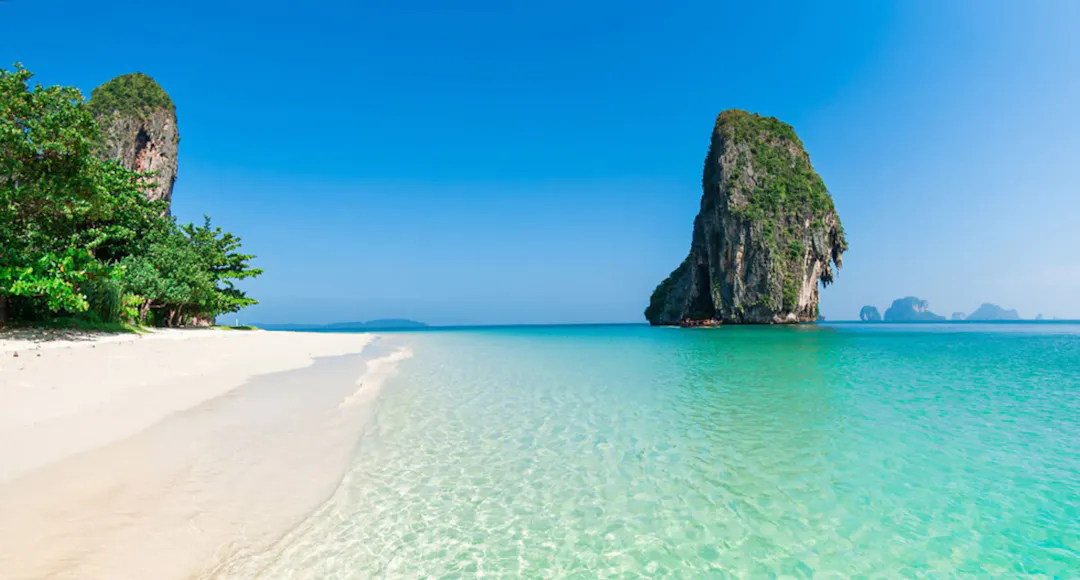
Practical Coastal Survival Guide
Securing a flawless experience on the best beaches in Vietnam requires significantly more than just booking a first-class ticket. The tropical coastal environment demands deep respect, adequate preparation, and practical geographic awareness. Ignoring these harsh realities can quickly degrade a luxury holiday into an uncomfortable, potentially dangerous ordeal.
Rip Currents & Flag Systems The central coast of Vietnam, particularly during the unpredictable shoulder seasons of August and January, is notorious for sudden, incredibly powerful rip currents. Beaches like My Khe and An Bang utilize a strict red-and-yellow flag system to indicate safe swimming zones. If you see a solid red flag, ocean access is definitively closed due to fatal undertow risks. Never swim on unsupervised, deserted stretches of the central coast when the surf is visibly churning, regardless of your personal swimming ability or fitness level. The ocean here takes no prisoners during the monsoon shift.
Sandflies & Tropical Pests While the heavily manicured sands of Khem Beach are meticulously treated, remote island destinations like Dam Trau in Con Dao or the untouched northern coves of Phu Quoc are thriving, natural ecosystems. Consequently, sandflies (often called no-see-ums) are highly prevalent at dawn and dusk. Standard commercial mosquito repellents are frequently entirely ineffective against them; you must aggressively pack heavy-duty, DEET-based repellents or procure specialized local botanical oils upon arrival. Failing to do so can easily result in intensely itchy, inflamed bites that last for weeks, ruining a luxury vacation.
Responsible Travel & Environmental Realities Southeast Asia faces a massive, well-documented battle with marine plastics, and Vietnam is absolutely no exception to this crisis. During the shifting monsoons, powerful ocean currents inevitably deposit vast amounts of offshore debris onto windward beaches. While elite, five-star resorts will clean their immediate frontage multiple times a day, public beaches heavily rely on perpetually strained municipal services. Practice responsible tourism by actively rejecting single-use plastics, supporting eco-certified local vendors, and managing your psychological expectations regarding the complex environmental realities of rapidly developing tropical nations.
Conclusion
From the sophisticated, resort-backed shores of Khem Beach to the rugged, aviation-adjacent isolation of Dam Trau, the best beaches in Vietnam offer a truly staggering diversity of premium coastal experiences. However, as this comprehensive master guide has rigorously detailed, your ultimate success is entirely dictated by geographic timing and strategic planning. Chasing the pristine waters this country is famous for requires expertly aligning your travel dates with the strict monsoon dictates of either the Central Coast or the Deep South.
Do not leave your highly anticipated Vietnam beach holiday to mere chance, and absolutely do not fall victim to out-of-season booking errors based on misleading brochures. Drop your exact travel dates and your preferred travel style in the comments below. As an experienced coastal consultant, I will personally review your itinerary and point you directly toward the specific region offering the flattest, clearest waters for your exact window of travel.
Frequently Asked Questions
When is the absolute best month to visit Phu Quoc vs. Da Nang to ensure clear water?
To secure the highest possible water clarity, you should visit Phu Quoc in January and Đà Nẵng in June. In January, Phu Quoc is deeply settled into its dry season, characterized by minimal rainfall and calm seas within the Gulf of Thailand. Conversely, June brings peak summer conditions to Đà Nẵng, meaning flat, swell-free waters in the East Sea before the autumn monsoons arrive.
Which beach in Vietnam offers the best offshore coral reefs for scuba diving and snorkeling?
The Con Dao Archipelago, specifically the reefs surrounding Hon Cau and Hon Tai, provides the most pristine diving in Vietnam. Because the islands are protected within a national park, they feature healthy fields of table corals, massive brain corals, and vertical wall drops. Visibility frequently exceeds 20 meters, offering divers a great chance to encounter green sea turtles, reef sharks, and large schools of pelagic fish.
How has recent highway and infrastructure development affected travel time from Ho Chi Minh City to Mũi Né?
The completion of the Dau Giay - Phan Thiet Expressway has fundamentally changed travel to Mũi Né. The driving time from Ho Chi Minh City has been slashed from an unpredictable 5-to-6-hour trip on local roads down to a clean 2 to 2.5 hours via the modern highway. This transformation has made Mũi Né an easy weekend getaway for travelers coming out of the southern economic hub.
Are there any beaches in Northern Vietnam worth visiting, or should I focus entirely on the South and Central regions?
Northern Vietnam offers exceptional, visually unique coastal landscapes centered around the Cat Ba Archipelago and Lan Ha Bay. Rather than classic, expansive sandy shorelines, the north features hundreds of small, hidden pocket beaches tucked beneath towering limestone peaks. Beaches like Ba Trai Dao (Three Peaches) offer an unforgettable swimming experience where you float in emerald waters directly beneath sheer karst cliffs.
What are the top safety protocols regarding rip currents and undertows on Vietnam’s open-sea beaches?
If you get caught in a rip current on an open beach like My Khe or Nha Trang, never try to swim directly back to the shore against the current. Instead, remain calm, float to conserve your energy, and swim parallel to the shoreline until you break free from the narrow pull of the channel. Once out of the current, use the incoming surf to help guide you back to the sand, and always swim in zones monitored by local lifeguards.
Is it easy to find authentic, locally-caught seafood right on the sand, and how do I avoid tourist pricing traps?
Yes, authentic seafood can be found easily at local beachside operations known as quán hải sản. To avoid tourist pricing traps, look for spots where the seafood is kept alive in aerated tanks or plastic bins with clear theo thời giá (market price per kilo) signs posted directly on the glass. Always confirm the exact weight and total price with the vendor before they take the seafood to the kitchen to be grilled or steamed.
Advertising box