
- Destinations
Northern Vietnam
Central Vietnam
- Attractions
Categories
World Heritage
Historical & Cultural
- Things To Do
Categories
Outdoor Adventures
- Food & Drink
Categories
Vietnamese Dishes
- Travel & Planning
Categories
- Inspiration
Categories
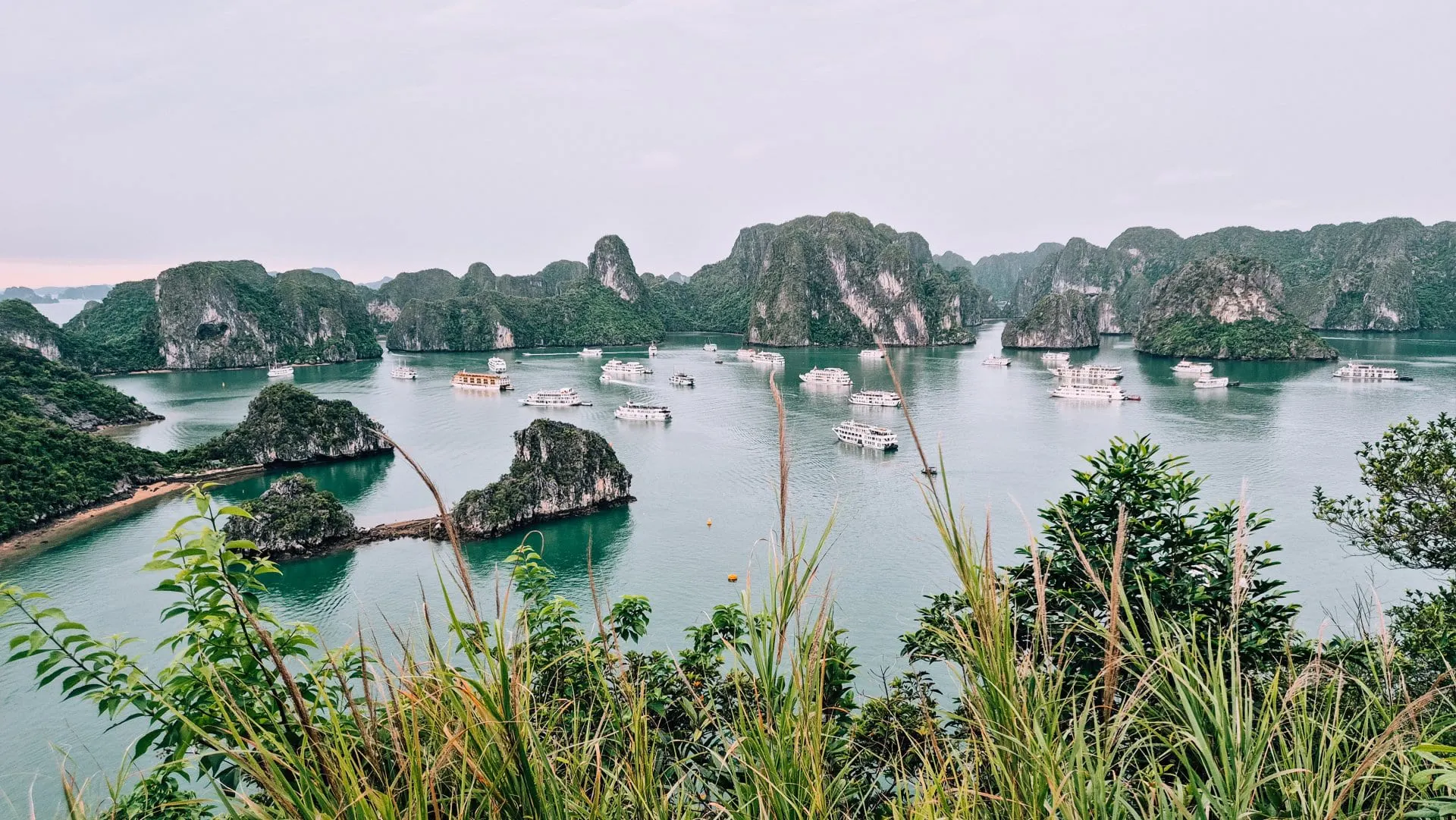
Planning a trip to Vietnam is easier with practical advice tailored to the country’s climate, geography, transportation, food culture, and everyday customs. Learn what to pack, how to manage cash and connectivity, choose transportation, stay safe, cross busy streets, order local food, and respect cultural traditions. Vietnam’s regions also have different weather patterns and travel distances, so understanding where and when you travel can help you build a more comfortable itinerary. Use these Vietnam travel tips to prepare confidently and make better decisions throughout your journey.
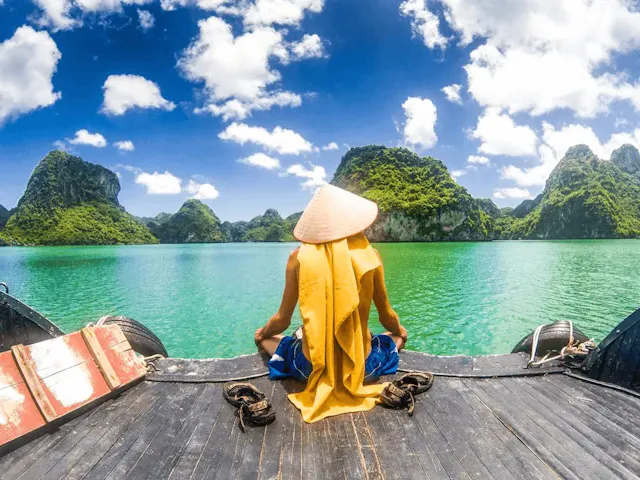
Traveling in Vietnam is easier and more enjoyable when you understand a few practical details before you arrive. Vietnam stretches from the mountains of the north to the tropical Mekong Delta in the south, so weather, transportation, travel time, and local conditions can vary considerably by region. Good preparation does not mean planning every moment of your trip. Instead, knowing how to manage money, connectivity, transportation, food, weather, and local customs can help you travel more comfortably.
One of the first things to consider is Vietnam's regional weather. Northern Vietnam can experience cooler temperatures during winter, while Central and Southern Vietnam generally remain warmer. Rainy seasons also differ between regions. Check the weather for your specific destinations before deciding what to pack or when to travel.
Cash remains useful throughout Vietnam, particularly at local markets, street-food stalls, small restaurants, and businesses outside major tourist areas. Cards and digital payments are increasingly common in cities, but carrying some Vietnamese dong provides flexibility. A local SIM or eSIM can also be useful for maps, translation, ride-hailing, bookings, and staying in contact while traveling.
Transportation requires some planning because Vietnam is a long country. Domestic flights, trains, buses, private cars, and ride-hailing services each suit different journeys. Avoid creating an itinerary with too many distant destinations. Allow enough time for traffic, transfers, weather, and occasional delays, especially when traveling through mountainous or rural areas.
Food is another important part of the experience. Try local dishes and busy food establishments, while considering food allergies and personal dietary requirements. Bottled or reliably treated water is a practical choice when you are uncertain about the local water supply.
Respect for Vietnamese customs and religious spaces is equally important. Dress appropriately when visiting temples and pagodas, ask before photographing people in sensitive situations, and observe local practices during religious ceremonies.
Finally, leave some flexibility in your itinerary. A slower schedule gives you time to explore local cafés, markets, neighborhoods, and unexpected stops. By combining basic preparation with flexibility, travelers can experience Vietnam more comfortably while leaving room for spontaneous discoveries.
Get practical travel tips for exploring Vietnam with confidence. Discover useful advice on transportation, local customs, food, weather, budgeting, safety, and everyday travel essentials to help you plan a smoother and more enjoyable trip.
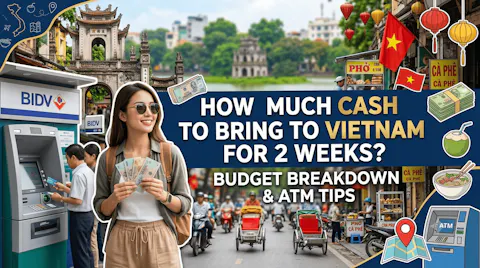
Planning a 2-week trip to Vietnam? This guide helps you estimate how much cash to bring, based on daily travel costs, accommodation, food, transportation, and activities. It also explains ATM usage, currency exchange tips, and whether you should rely on cash or cards while traveling in Vietnam. Understanding your budget in advance helps you avoid overspending and travel with confidence. Go Visit Vietnam provides a practical breakdown to help you manage your money efficiently during your Vietnam adventure.
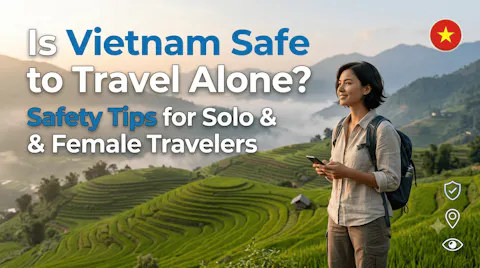
Vietnam is considered one of Southeast Asia’s most welcoming destinations for solo travelers, including women exploring the country independently. This guide covers personal safety, transportation, accommodation, scams to avoid, cultural etiquette, and practical advice for traveling confidently across Vietnam. Whether you are backpacking through the mountains, visiting vibrant cities, or relaxing on tropical islands, understanding local customs and basic safety tips can help you enjoy a smooth and memorable journey. Go Visit Vietnam helps you travel independently with confidence.
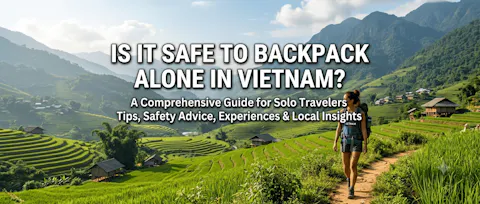
Vietnam is one of Southeast Asia’s most popular backpacking destinations, attracting independent travelers from around the world. This honest guide explores what it’s really like to backpack alone in Vietnam, covering personal safety, transportation, accommodation, local customs, scams to avoid, and practical travel advice. Whether you are traveling on a budget, exploring mountain villages, visiting bustling cities, or relaxing on tropical beaches, Go Visit Vietnam helps you prepare for a safe, enjoyable, and unforgettable solo backpacking adventure.
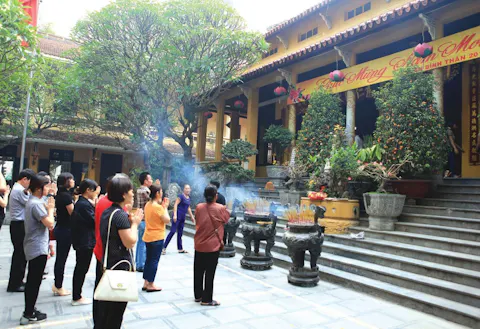
Visiting temples is an important part of experiencing Vietnam’s rich cultural and spiritual heritage. Wearing appropriate clothing shows respect for local customs and creates a more meaningful travel experience. This guide explains what to wear when visiting temples in Vietnam, including recommended outfits, cultural etiquette, items to avoid, and practical tips for exploring religious sites comfortably. Whether you visit ancient pagodas, Buddhist temples, or historic shrines, Go Visit Vietnam helps you prepare with confidence and respect for local traditions.
Travel smarter with expert tips designed to help you make the most of your journey through Vietnam. From money-saving advice and cultural etiquette to transportation, packing guides, safety recommendations, and local insights, these articles provide everything you need for a smooth, enjoyable, and unforgettable travel experience across Vietnam.
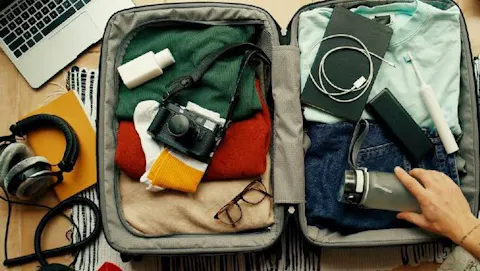
Planning a trip to Vietnam? This practical Vietnam packing list covers the essentials you need for cities, beaches, mountains, and multi-region itineraries. Learn what clothing, shoes, toiletries, electronics, travel documents, and weather gear to bring, plus what to pack for different seasons and destinations. Whether you are exploring Hanoi, relaxing on a tropical island, trekking in the northern mountains, or traveling around Vietnam for two weeks, these packing tips help you stay comfortable, prepared, and ready for changing weather and local cultural expectations.

The right travel apps can make exploring Vietnam easier, from booking rides and finding local restaurants to translating Vietnamese, checking the weather, and navigating unfamiliar streets. This guide covers the best apps for traveling in Vietnam, including transportation, maps, translation, food delivery, communication, weather, and connectivity tools. Find out which apps are worth downloading before your trip, how they can help you travel more independently, and practical tips for using them across Vietnam’s cities, countryside, beaches, and mountain destinations.

Understanding Vietnamese currency and payment methods can make traveling in Vietnam easier and more convenient. The official currency is the Vietnamese dong (VND), and cash remains widely used for street food, local markets, small shops, taxis, and services. Credit and debit cards are increasingly accepted at hotels, restaurants, supermarkets, and larger businesses, while ATMs are available in most cities and tourist destinations. This guide explains Vietnamese money, currency exchange, cash and card payments, ATMs, tipping, and practical money tips for travelers.

Learn how to recognize and avoid common tourist scams in Vietnam, including taxi scams, currency mistakes, fake tour operators, overcharging, unsolicited services, and online payment risks. This practical guide explains common warning signs and simple ways to protect your money, belongings, and travel plans. Whether you are visiting Hanoi, Ho Chi Minh City, Da Nang, Hoi An, or exploring other parts of Vietnam, these practical safety tips can help you travel with greater confidence while enjoying the country's food, culture, and local experiences.

Planning your first trip to Vietnam? A little preparation can make your journey much easier. From checking visa requirements and understanding Vietnamese currency to choosing the right transportation, preparing for regional weather, staying connected, and navigating local customs, there are several things worth knowing before you arrive. This practical guide covers the essentials for traveling around Vietnam, including food, safety, tipping, bargaining, packing, public holidays, and itinerary planning, helping you travel with greater confidence and make the most of your time.

Planning your first trip to Vietnam is easier when you understand the country’s regional weather, transportation, money, food, safety, and cultural customs. This practical guide covers essential Vietnam travel tips, from preparing travel documents and managing Vietnamese dong to using local transportation, staying connected, choosing food and water, and visiting temples respectfully. You’ll also learn how to plan around Vietnam’s long distances and different regional climates. Use these tips alongside destination-specific guides to build a comfortable, flexible, and rewarding Vietnam itinerary.

Hidden beneath the limestone mountains of Phong Nha – Ke Bang National Park, Son Doong Cave contains extraordinary natural wonders unlike anywhere else on Earth. Massive cave chambers, lush underground jungles, towering skylights, giant cave pearls, and unique ecosystems have made it one of the world's greatest geological discoveries. This guide explores five incredible features that make Son Doong more than just the world's largest cave—it is one of the most spectacular natural environments ever found.
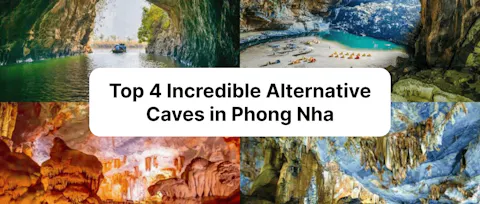
Son Doong Cave may be the world's largest cave, but limited permits mean many travelers miss the opportunity to visit. Fortunately, Phong Nha – Ke Bang National Park is home to dozens of spectacular caves that offer equally memorable adventures. From the massive chambers of Hang En and the breathtaking formations of Paradise Cave to underground rivers and jungle expeditions in Tu Lan, these incredible alternatives deliver unforgettable experiences while showcasing the extraordinary natural beauty of central Vietnam.