- Destinations
Northern Vietnam
Central Vietnam
- Attractions
Categories
World Heritage
Historical & Cultural
- Things To Do
Categories
Outdoor Adventures
- Food & Drink
Categories
Vietnamese Dishes
- Travel & Planning
Categories
- Inspiration
Categories
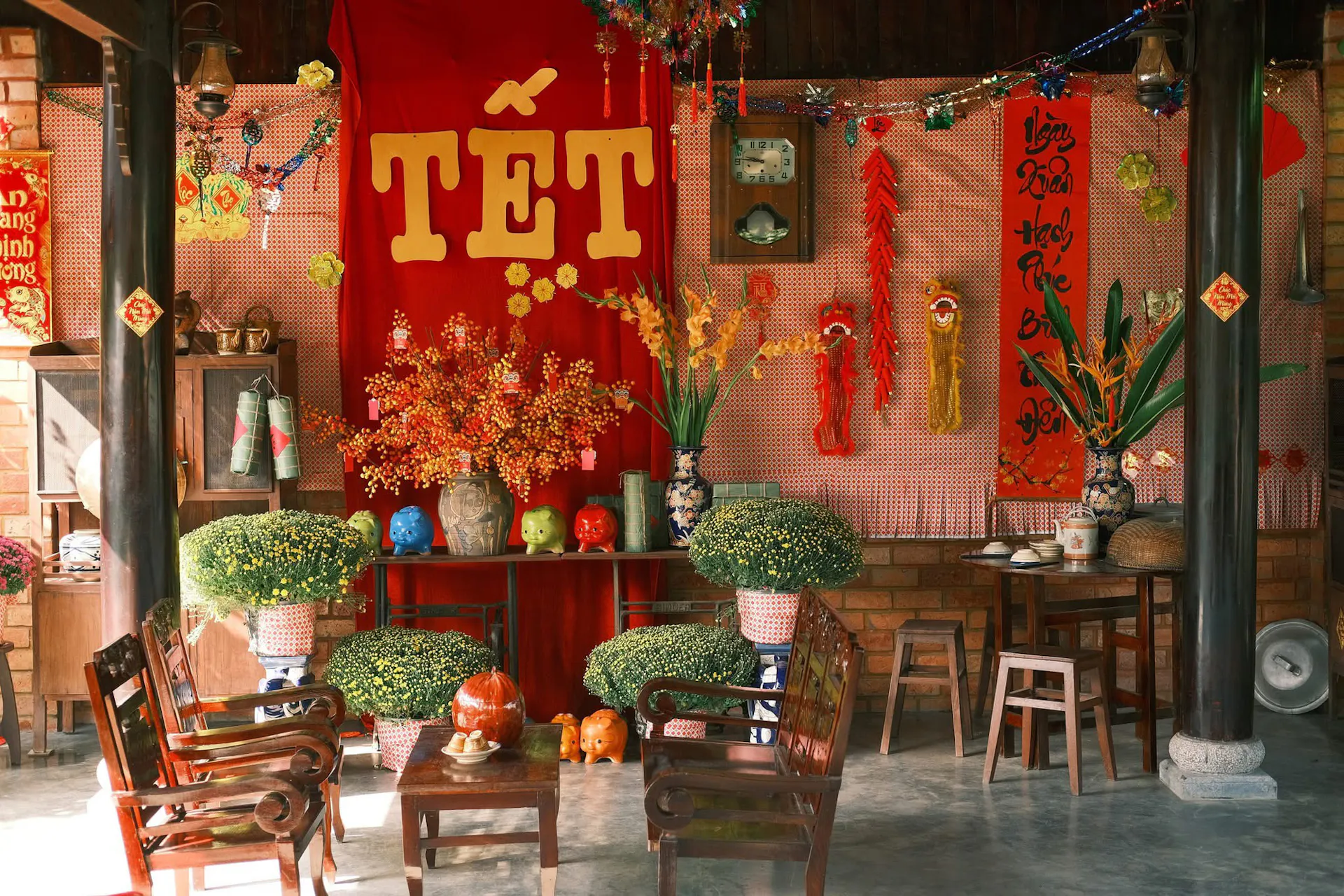
Discover the best events in Vietnam, from traditional festivals and religious celebrations to food festivals, cultural performances, music events, and seasonal gatherings. Explore major events across Northern, Central, and Southern Vietnam, learn when they take place, understand how lunar calendar dates affect festival schedules, and find practical tips for attending local celebrations. Whether you want to experience Tet, explore the Hue Festival, join a traditional ceremony, or discover a regional cultural event, this guide helps you plan a memorable Vietnam travel experience around the country's vibrant event calendar.
Vietnam's event calendar offers travelers a fascinating way to experience the country's culture beyond its famous landscapes and attractions. Throughout the year, cities, towns, villages, and local communities host a wide variety of events, from traditional festivals and religious celebrations to food fairs, cultural performances, music events, and seasonal gatherings. Many celebrations are closely connected to Vietnamese history, family traditions, local beliefs, and regional customs, making them an important part of everyday cultural life.
One of the most significant celebrations is Tet Nguyen Dan, the Vietnamese Lunar New Year, when families reunite, streets become decorated with flowers and lanterns, and communities celebrate the beginning of a new year. Other important occasions, such as the Hung Kings' Commemoration, Mid-Autumn Festival, and Huong Pagoda Festival, offer visitors opportunities to observe traditional rituals, local performances, religious practices, and distinctive regional customs. In Central Vietnam, events such as the Hue Festival highlight the country's imperial heritage through art, music, performances, and cultural activities.
Vietnamese events are not limited to traditional festivals. Travelers can also discover modern music performances, art exhibitions, culinary festivals, sporting events, night markets, and seasonal celebrations in major cities and tourist destinations. Hanoi, Ho Chi Minh City, Da Nang, Hue, Hoi An, and destinations across the Mekong Delta each have their own local event calendars and cultural highlights.
When planning around an event, travelers should remember that many traditional Vietnamese festivals follow the lunar calendar, meaning their dates change from year to year. Weather, local schedules, and temporary road closures can also affect the experience. Checking current event information before traveling is therefore important, especially for major celebrations.
Whether you are interested in traditional culture, Vietnamese food, local history, music, or community celebrations, attending an event can add a deeper cultural dimension to your trip. Exploring Vietnam through its festivals and events allows you to see how communities preserve traditions while embracing modern life.
Experience Vietnam's vibrant calendar of festivals, cultural celebrations, traditional ceremonies, music events, food festivals, and seasonal activities. Explore guides to the country's most exciting events and discover the best times and places to experience Vietnam's rich culture, history, and local traditions.
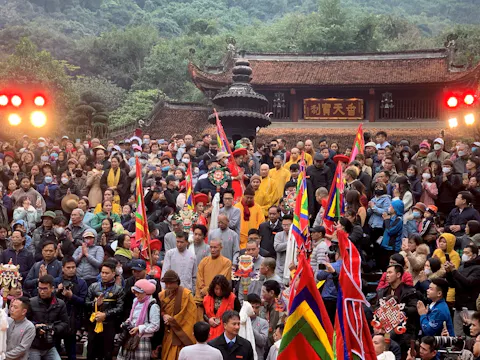
The Huong Pagoda Festival is one of Vietnam’s most important Buddhist pilgrimages, attracting visitors to the scenic Huong Son mountains southwest of Hanoi each spring. Also known as the Perfume Pagoda Festival, it combines Buddhist ceremonies, traditional worship, boat rides along the Yen Stream, mountain temples, and the sacred Huong Tich Cave. This guide covers the festival’s history, traditions, 2026 dates, main attractions, cultural etiquette, transportation, and practical travel tips to help international visitors experience this unique Vietnamese cultural celebration.
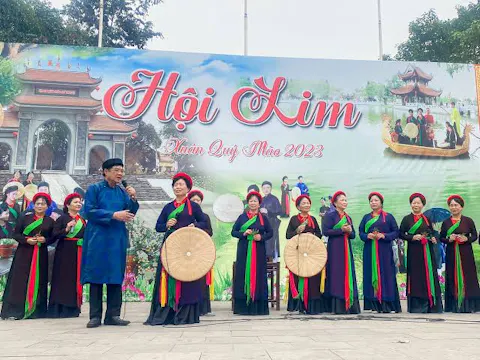
Discover Lim Festival Vietnam, one of northern Vietnam’s most distinctive cultural celebrations. Held in Bac Ninh during the first lunar month, the festival brings Quan Ho folk singing, traditional costumes, temple ceremonies, dragon boat performances, folk games, and local traditions together. Learn about the history of Lim Festival, the meaning of Quan Ho, where to experience the celebrations, what to expect as a traveler, and practical tips for visiting Bac Ninh during this colorful Vietnamese cultural festival.
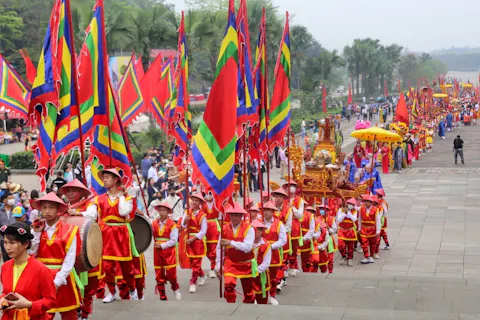
The Hung Kings Festival, or Giỗ Tổ Hùng Vương, is one of Vietnam’s most important cultural celebrations, honoring the legendary Hung Kings and the country’s ancestral heritage. Held annually on the 10th day of the third lunar month, the main ceremonies take place at Hung Kings Temple in Phu Tho. Discover the festival’s history, traditional rituals, bánh chưng and bánh giầy offerings, Hát Xoan performances, and practical travel tips for visiting this sacred cultural site from Hanoi and beyond.
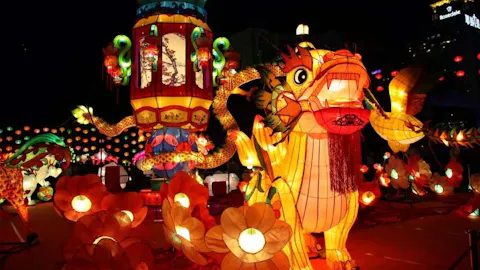
The Mid-Autumn Festival in Vietnam, known as Tet Trung Thu, is a colorful celebration of family, children, lanterns, mooncakes, and lion dances. Held on the 15th day of the eighth lunar month, the festival brings streets and neighborhoods to life with traditional performances and festive activities. Discover the history and customs of Trung Thu, learn about Vietnamese mooncakes and lanterns, and find the best places to experience the festival in Hanoi, Hoi An, and Ho Chi Minh City as a traveler.
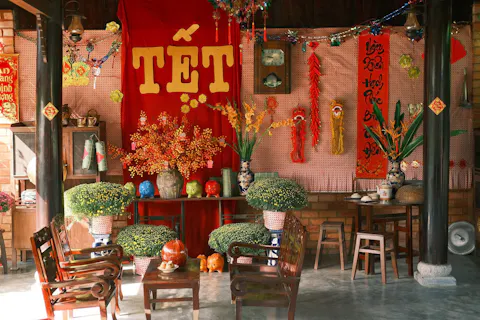
Tet, or Tết Nguyên Đán, is Vietnam’s most important annual celebration and marks the beginning of the Vietnamese Lunar New Year. From colorful flower markets and family reunions to ancestral rituals, lucky money, traditional foods, and lively temple visits, Tet offers travelers a unique look at Vietnamese culture. This guide explains when Tet takes place, its most important traditions and foods, what happens across Vietnam, and what travelers should know about transportation, business closures, etiquette, and visiting Vietnam during the holiday.
Some of the most well-known events in Vietnam include Tet Nguyen Dan, the Vietnamese Lunar New Year; the Hue Festival; the Huong Pagoda Festival; the Hung Kings' Commemoration; and the Mid-Autumn Festival. Vietnam also hosts many regional food festivals, cultural performances, music events, and seasonal celebrations throughout the year.
The best time depends on the type of event you want to experience. The period around Tet is particularly important for traditional Vietnamese culture, while spring is a popular season for many local festivals. Major cultural and food events also take place throughout the summer and autumn. Since many traditional celebrations follow the lunar calendar, dates can change each year.
Yes. Many traditional festivals in Vietnam follow the lunar calendar, so their dates on the Gregorian calendar vary from year to year. Travelers should check the latest official or local event information before planning flights, accommodation, and transportation around a specific festival.
Travelers can experience many types of events, including traditional festivals, religious celebrations, cultural performances, food festivals, music events, art exhibitions, sporting events, seasonal celebrations, and local community gatherings. The type of event varies considerably between regions and destinations.
Yes. Many Vietnamese festivals welcome visitors and provide an excellent opportunity to experience local traditions, food, music, performances, and community life. However, travelers should respect local customs, follow instructions at religious sites, and avoid disrupting ceremonies or taking inappropriate photographs.
Many public festivals and community celebrations are free to attend. However, some organized performances, exhibitions, cultural attractions, or special events may require an entrance ticket. Additional costs may also apply for transportation, food, activities, or guided experiences.
For general outdoor festivals, comfortable and weather-appropriate clothing is usually suitable. If you are visiting a temple, pagoda, shrine, or religious ceremony, modest clothing that covers the shoulders and knees is recommended. Comfortable footwear is also useful because some festivals involve considerable walking or standing.
It is recommended, especially for major celebrations such as Tet or large festivals in popular tourist destinations. Hotels and transportation can become busier around major events, and prices may increase during peak periods. Booking early gives travelers more accommodation and transportation choices.
Bring comfortable shoes, drinking water, sun protection, a fully charged phone, and some Vietnamese cash for small purchases. A portable power bank can also be useful during crowded events. For outdoor festivals, check the weather forecast and bring appropriate rain or sun protection.
Yes. Food-related events take place in different cities and regions throughout the year. These events can showcase Vietnamese specialties, regional cuisine, street food, local ingredients, cooking demonstrations, and cultural performances. Travelers interested in Vietnamese food should check local event calendars during their trip.
Advertising box