
- Destinations
Northern Vietnam
Central Vietnam
- Attractions
Categories
World Heritage
Historical & Cultural
- Things To Do
Categories
Outdoor Adventures
- Food & Drink
Categories
Vietnamese Dishes
- Travel & Planning
Categories
- Inspiration
Categories
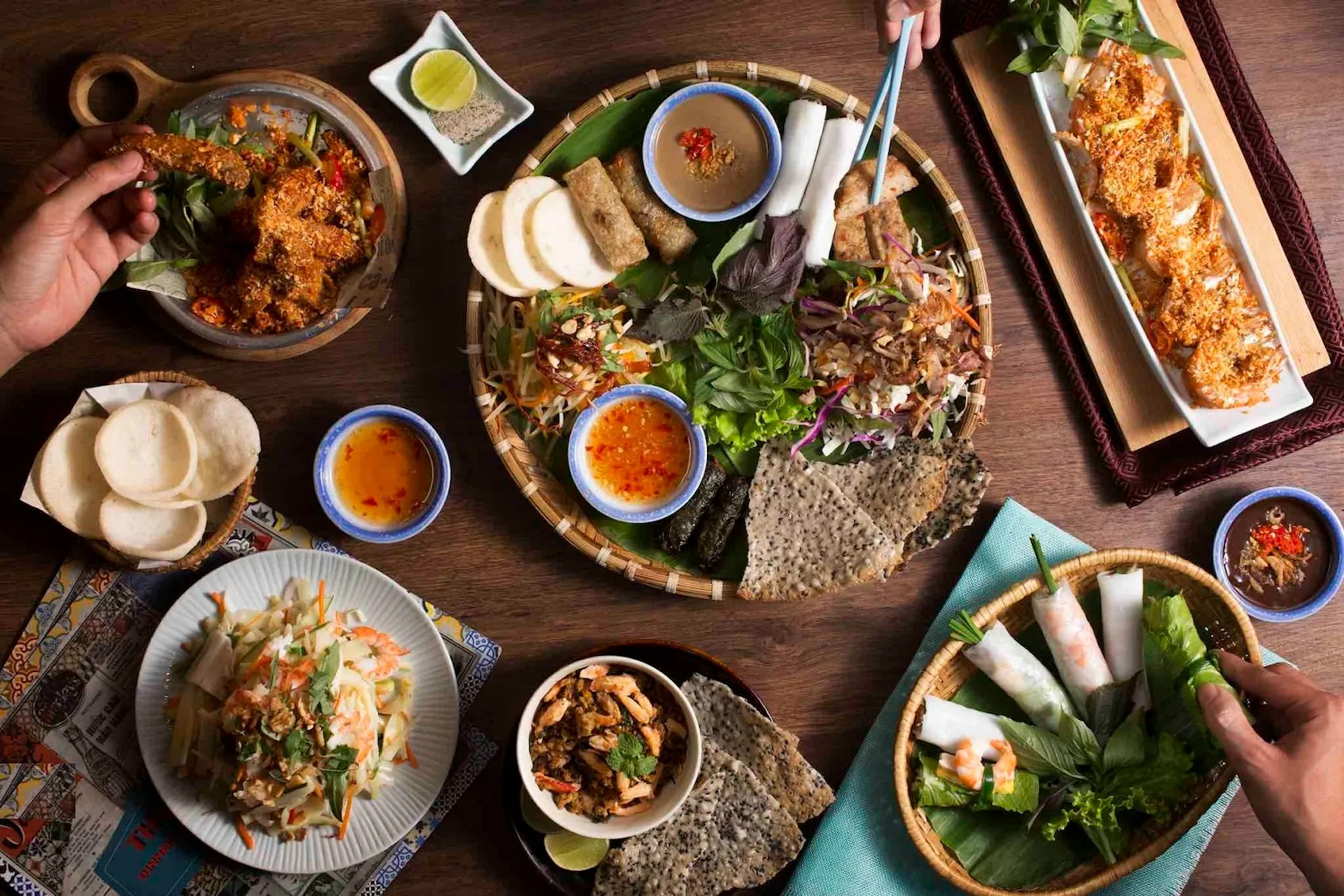
Vietnamese cuisine is known for its fresh herbs, aromatic broths, rice-based dishes, balanced flavors, and remarkable regional diversity. From iconic pho and banh mi to bun cha, banh xeo, bun bo Hue, com tam, and lesser-known local specialties, Vietnam offers dishes for every type of traveler. This guide explores the best Vietnamese dishes to try, explains how food differs across Northern, Central, and Southern Vietnam, and highlights popular dishes by type and destination. Discover what to eat and how to experience Vietnam’s diverse food culture.
Vietnamese dishes reflect the country's diverse geography, agricultural traditions, and long culinary history. Rice, rice noodles, fresh herbs, vegetables, seafood, meat, and fermented sauces form the foundation of many everyday meals, while regional cooking traditions give familiar ingredients different flavors and preparation methods. For travelers, exploring Vietnamese dishes is an opportunity to understand the country through its food, from simple breakfasts and noodle soups to family-style meals and regional specialties.
One of the defining characteristics of Vietnamese cuisine is its balance of flavors and textures. A single dish may combine savory, sweet, sour, spicy, and aromatic elements with ingredients such as fish sauce, lime, chili, garlic, ginger, lemongrass, and fresh herbs. Noodle soups such as phở, bún bò Huế, and hủ tiếu demonstrate how broth, noodles, meat, seafood, and herbs can create very different dining experiences.
Vietnamese food also varies significantly between regions. Northern Vietnam is often associated with relatively balanced and subtle seasoning, with dishes such as phở, bún chả, and bánh cuốn. Central Vietnam, including Hue, Da Nang, and Hoi An, is known for distinctive local specialties, stronger seasoning, and a wide range of small rice and noodle dishes. Southern Vietnam commonly features sweeter flavor profiles and abundant tropical produce, with dishes such as cơm tấm and hủ tiếu representing the region's culinary character.
The best way to explore Vietnamese dishes is not to focus only on internationally famous foods. Travelers can combine well-known choices such as bánh mì and phở with regional dishes that may be less familiar outside Vietnam. Visiting different cities also reveals how the same ingredients can be used in completely different ways.
Whether you prefer noodle soups, rice dishes, savory pancakes, fresh rolls, grilled foods, seafood, or vegetarian options, Vietnam offers a wide range of dishes to explore. Understanding the basic categories and regional differences can help first-time visitors choose what to eat and discover flavors beyond the country's most famous culinary exports.
Discover the most popular Vietnamese dishes that represent the country’s rich culinary heritage and diverse flavors. From iconic street foods to traditional regional specialties, Vietnamese cuisine offers a unique combination of fresh ingredients, aromatic herbs, balanced flavors, and time-honored cooking techniques.
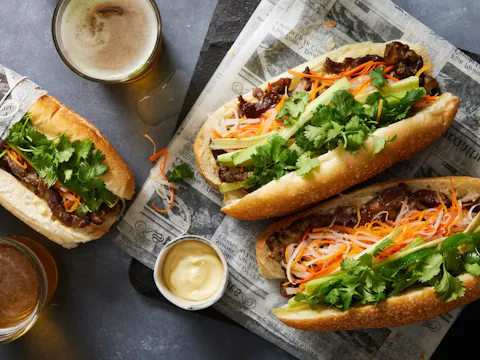
Banh Mi is Vietnam’s iconic street food sandwich, combining crispy baguette, savory fillings, fresh herbs, and rich sauces. Discover its history, flavors, and where to enjoy the best Banh Mi in Vietnam.
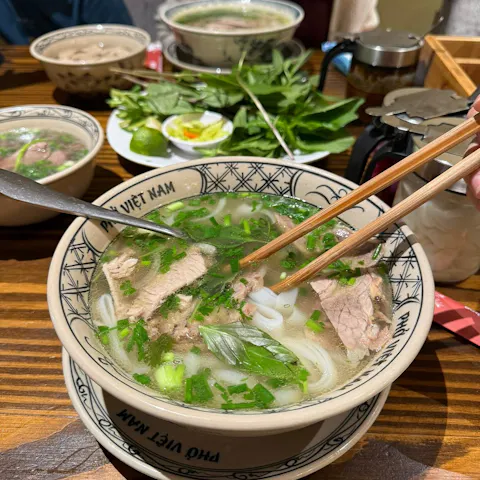
Pho is one of Vietnam’s most famous dishes, representing the country’s rich culinary heritage and traditional flavors. This beloved noodle soup combines aromatic broth, rice noodles, fresh herbs, and carefully prepared ingredients to create a simple yet unforgettable experience. Discover the origins of Pho, explore regional variations from Northern to Southern Vietnam, and learn why this dish has become a symbol of Vietnamese cuisine around the world. Go Visit Vietnam brings you closer to the stories, flavors, and culture behind authentic Vietnamese Pho.
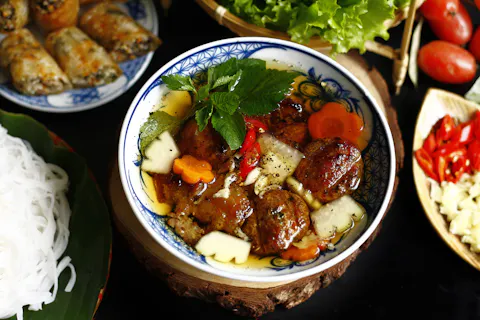
Bun Cha is one of Vietnam’s most beloved dishes, especially famous in Hanoi for its smoky grilled pork, fresh rice noodles, herbs, and sweet-savory dipping sauce. This traditional dish represents the balance and simplicity of Vietnamese cuisine, combining fresh ingredients with rich flavors. Discover the origins of Bun Cha, its preparation methods, regional variations, and the best way to enjoy this authentic Vietnamese specialty. Go Visit Vietnam brings you closer to the culture, flavors, and stories behind Hanoi’s iconic street food.
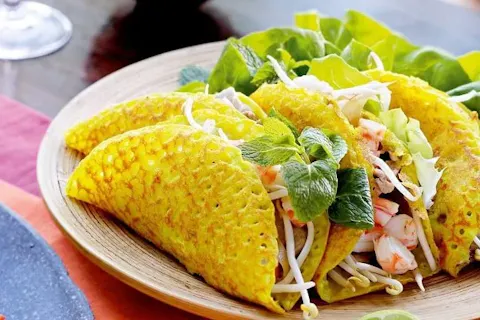
Banh Xeo is one of Vietnam’s most popular traditional dishes, known for its crispy golden shell, flavorful fillings, and fresh herbs served with dipping sauce. This Vietnamese savory pancake is made from rice flour batter and commonly filled with shrimp, pork, bean sprouts, and vegetables. Each region offers its own unique version, from the large crispy pancakes of Southern Vietnam to smaller styles in Central Vietnam. Discover the flavors, traditions, and local experiences behind this iconic Vietnamese street food.
Explore the must-try Vietnamese dishes that showcase the country’s rich culinary heritage, diverse regional flavors, and unique food culture. From iconic favorites like Pho, Banh Mi, and Bun Cha to regional specialties, fresh seafood, traditional street food, and local delicacies, Vietnamese cuisine offers an unforgettable journey of taste and tradition. Discover the stories behind each dish, the ingredients, and the best food experiences across Vietnam. Go Visit Vietnam guides you through the authentic flavors that make Vietnamese cuisine famous around the world.
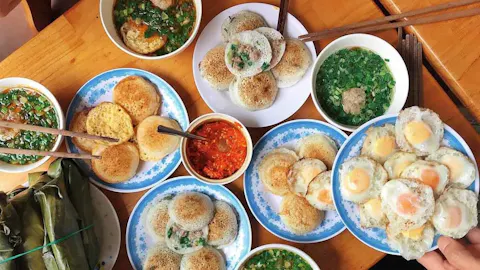
Bánh Căn is a popular Vietnamese street food made from small rice-flour cakes cooked in round clay molds until lightly crisp on the outside and soft inside. Often topped with quail eggs, shrimp, squid, or pork, these bite-sized cakes are served with dipping sauces, green onions, and fresh herbs. Especially popular in Central and South Vietnam, Bánh Căn is closely associated with destinations such as Nha Trang and Phan Thiet. Discover its ingredients, flavors, origins, preparation, and traditional serving styles.
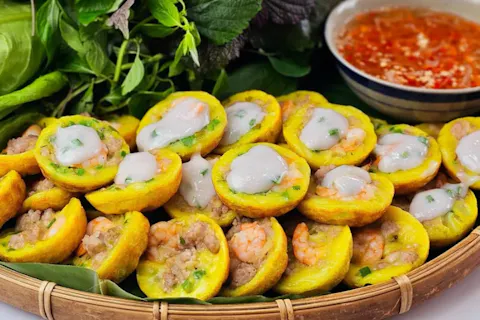
Banh Khot is a popular Vietnamese street food made from small, crispy rice flour pancakes cooked in special round molds. Traditionally topped with shrimp, green onions, and other savory ingredients, these golden bites are served with fresh herbs, lettuce, pickled vegetables, and a flavorful dipping sauce. Popular in southern and central Vietnam, Banh Khot offers a delicious contrast of crispy edges, soft centers, savory seafood, and fresh herbs. Discover its ingredients, preparation, regional variations, and the best ways to enjoy this Vietnamese specialty.
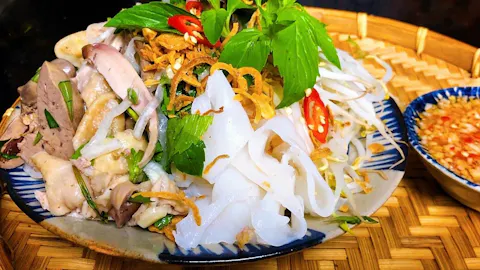
Banh Uot is a traditional Vietnamese dish made from thin, soft sheets of steamed rice batter. Similar to fresh rice paper, these delicate sheets are typically served with herbs, vegetables, savory toppings, and a flavorful dipping sauce. Depending on the region, Banh Uot may be enjoyed with grilled pork, Vietnamese ham, fried shallots, mung beans, or other local ingredients. Its soft texture and subtle rice flavor make it a popular breakfast, street food, and everyday dish across Vietnam.
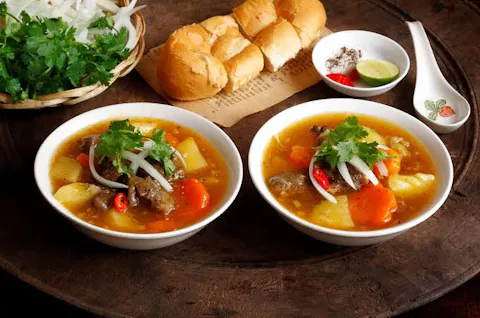
Bò Kho is a rich and aromatic Vietnamese beef stew made with tender pieces of beef, carrots, lemongrass, garlic, chili, and fragrant spices. Slow-cooked until the meat becomes tender, the dish develops a flavorful broth with savory, spicy, sweet, and aromatic notes. Bò Kho can be enjoyed in several ways, commonly served with Vietnamese baguette for dipping or rice noodles for a heartier meal. Popular throughout Vietnam, this comforting dish reflects the country's distinctive combination of fresh herbs, spices, and slow-cooked flavors.
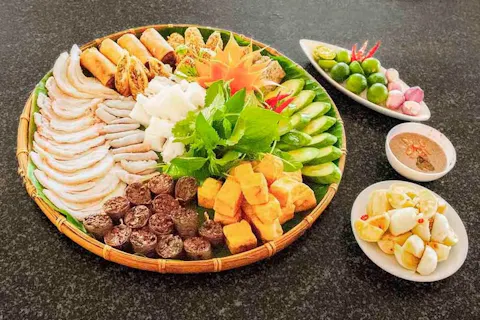
Bún Đậu Mắm Tôm is a popular Vietnamese street food platter featuring fresh rice vermicelli, crispy fried tofu, herbs, and savory pork served with fermented shrimp paste. Traditionally associated with Hanoi and northern Vietnamese cuisine, the dish is known for its contrasting textures and bold, salty, umami-rich dipping sauce. Other ingredients may include pork belly, Vietnamese sausage, fried pork intestines, or crispy pork. For travelers exploring Vietnamese food, Bún Đậu Mắm Tôm offers a distinctive local experience and an introduction to Vietnam's love of fermented flavors.
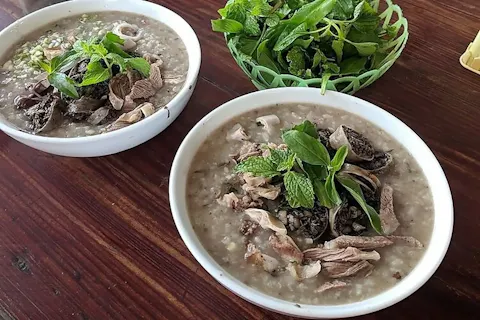
Cháo Lòng is a traditional Vietnamese rice porridge served with assorted pork offal, such as liver, intestines, heart, and stomach, along with fresh herbs and savory seasonings. The creamy rice porridge provides a mild base that complements the rich and varied textures of the pork toppings. Often enjoyed as a hearty breakfast or casual meal, Cháo Lòng is especially popular at local eateries and traditional markets across Vietnam. Discover its ingredients, preparation, flavors, cultural background, and how locals traditionally enjoy this distinctive Vietnamese dish.
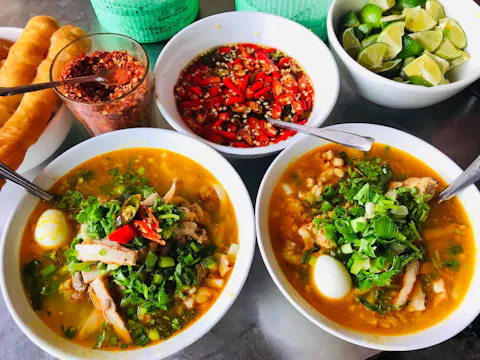
Bánh Canh is a traditional Vietnamese noodle soup known for its thick, chewy noodles and flavorful broth. Made from tapioca flour, rice flour, or a combination of both, the noodles are served with ingredients such as crab, shrimp, fish, pork, or seafood depending on the regional variety. From Bánh Canh Cua to fish-based versions found in Central and Southern Vietnam, this comforting dish offers a wide range of textures and flavors. Discover its ingredients, varieties, history, and traditional ways to enjoy Bánh Canh in Vietnam.
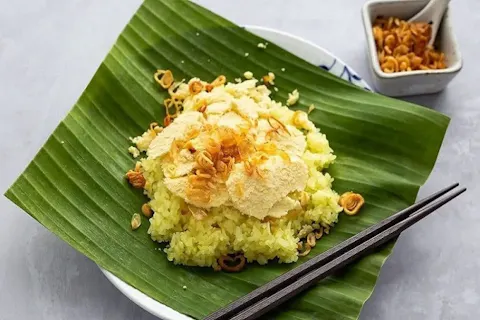
Xôi is a traditional Vietnamese sticky rice dish enjoyed across the country as a breakfast, snack, dessert, and part of special occasions. Made from glutinous rice, Xôi comes in many varieties, ranging from savory versions topped with chicken, pork, mung beans, or fried shallots to sweet preparations with coconut, corn, peanuts, or beans. Affordable, filling, and deeply connected to Vietnamese food culture, Xôi is an essential dish to discover when exploring local cuisine, markets, and everyday life in Vietnam.
Some of the most famous Vietnamese dishes include phở, bánh mì, bún chả, bún bò Huế, bánh xèo, cơm tấm, gỏi cuốn, bánh cuốn, and hủ tiếu. Each dish represents a different aspect of Vietnamese cuisine, from noodle soups and rice dishes to fresh rolls and regional specialties.
First-time visitors can start with familiar favorites such as phở and bánh mì, then explore bún chả, bánh xèo, gỏi cuốn, cơm tấm, and bún bò Huế. Trying dishes from different regions is a good way to experience the variety of Vietnamese food.
Phở is arguably the most internationally recognized Vietnamese dish. However, popularity varies by region, and dishes such as bánh mì, bún chả, cơm tấm, bún bò Huế, and hủ tiếu are also widely enjoyed throughout the country.
Traditional Vietnamese food includes a wide range of noodle soups, rice dishes, steamed rice cakes, savory pancakes, fresh rolls, grilled meats, seafood, and vegetable dishes. Common ingredients include rice, rice noodles, fresh herbs, fish sauce, vegetables, seafood, meat, garlic, ginger, chili, and lemongrass.
Vietnamese cuisine is commonly divided into Northern, Central, and Southern culinary traditions. Northern dishes often emphasize balanced and relatively subtle flavors. Central Vietnamese cuisine is known for distinctive seasoning and specialties such as bún bò Huế. Southern cuisine frequently uses sweeter flavors, tropical ingredients, and dishes such as cơm tấm and hủ tiếu.
Many Vietnamese dishes are naturally mild and can be ordered without additional chili. Phở, bánh cuốn, gỏi cuốn, cơm tấm, and bánh mì are generally approachable choices. Travelers can ask for less chili by saying “không cay”, meaning “not spicy.”
Yes. Vietnam has many vegetarian dishes, including vegetarian versions of phở, bánh mì, gỏi cuốn, bánh xèo, rice dishes, tofu dishes, and vegetable-based meals. Travelers should confirm that sauces and broths are vegetarian because fish sauce and meat-based stock are common ingredients.
Common ingredients include rice, rice noodles, fresh herbs, vegetables, fish sauce, soy sauce, garlic, shallots, ginger, lemongrass, chili, lime, and fermented ingredients. Depending on the dish and region, pork, beef, chicken, seafood, tofu, and eggs are also widely used.
Travelers can experience Vietnamese food at local restaurants, family-run eateries, markets, food courts, cafés, and street-food vendors. Exploring different cities is particularly rewarding because Hanoi, Hue, Hoi An, Da Nang, Ho Chi Minh City, and the Mekong Delta each have distinctive local specialties.
Vietnamese dishes is a broad category covering traditional and modern foods served in restaurants, homes, markets, and street settings. Vietnamese street food specifically focuses on foods and dining experiences commonly found from street vendors, markets, food stalls, and informal local eateries.
Advertising box