
- Destinations
Northern Vietnam
Central Vietnam
- Attractions
Categories
World Heritage
Historical & Cultural
- Things To Do
Categories
Outdoor Adventures
- Food & Drink
Categories
Vietnamese Dishes
- Travel & Planning
Categories
- Inspiration
Categories

Vietnamese coffee and tea are deeply connected to everyday life, hospitality, and regional traditions. From strong phin-brewed coffee and sweet cà phê sữa đá to egg coffee, salt coffee, and fragrant lotus tea, each drink offers a different taste of Vietnam. This guide explores popular Vietnamese coffee and tea drinks, brewing traditions, coffee-growing regions, tea culture, and the best destinations to experience them. Discover how coffee and tea became an essential part of Vietnamese culture and travel.

Vietnamese coffee and tea culture is deeply woven into everyday life, social connections, and traditional hospitality. From a small sidewalk café in Hanoi to a modern specialty coffee shop in Ho Chi Minh City, sharing a drink is often as much about spending time together as it is about taste. Travelers can experience this culture in many forms, from slowly brewed coffee prepared with a traditional phin filter to fragrant tea served during family gatherings, conversations, and welcoming rituals.
Vietnam is particularly famous for its distinctive coffee culture. The country is one of the world's major coffee producers, with the Central Highlands playing an important role in coffee cultivation. Vietnamese coffee is often associated with robusta beans, strong flavors, and slow brewing. Popular drinks include cà phê sữa đá, made with coffee and sweetened condensed milk, as well as cà phê đen đá, egg coffee, coconut coffee, and the increasingly popular salt coffee. Each drink reflects a different combination of local ingredients, preparation methods, and regional preferences.
Tea has an equally important place in Vietnamese culture. Green tea is widely consumed and is commonly offered to guests as a gesture of hospitality. Other traditional varieties include lotus tea, jasmine tea, and locally produced teas from northern mountain regions. Tea drinking can be a quiet daily ritual or a social occasion where family members, friends, and visitors gather to talk.
The experience also changes from one destination to another. Hanoi is known for traditional cafés and egg coffee, while Ho Chi Minh City has a lively combination of sidewalk cafés and contemporary specialty coffee shops. Hue is associated with distinctive local drinks such as salt coffee, while Da Lat and the Central Highlands provide opportunities to explore Vietnam's coffee-growing landscapes.
For travelers, discovering Vietnamese coffee and tea is an easy way to experience local culture beyond major attractions. Sitting at a neighborhood café, visiting a coffee-growing region, ordering tea at a traditional establishment, or simply watching daily life unfold over a cup can reveal an intimate and authentic side of Vietnam.
Discover the rich traditions of Vietnamese coffee and tea through iconic local drinks, historic cafés, mountain plantations, traditional tea houses, and unique brewing methods. Explore the stories, flavors, and cultural experiences that make Vietnam one of the world's most fascinating destinations for coffee and tea lovers.

Avocado Coffee is a creative Vietnamese drink that combines rich, strong coffee with the smooth texture and mild flavor of ripe avocado. Inspired by Vietnam’s popular avocado smoothie, the drink creates an unusual balance of roasted coffee, creamy avocado, and gentle sweetness. It can be served chilled or blended into a thick, refreshing beverage. Discover the ingredients, flavor, preparation, and café culture behind Avocado Coffee while exploring one of Vietnam’s more creative modern coffee drinks.
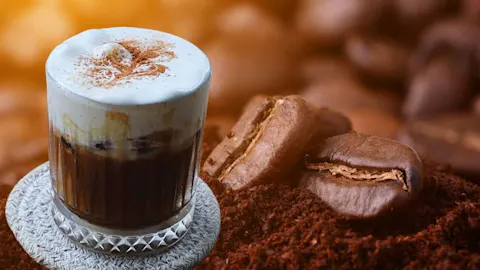
Salt Coffee is a distinctive Vietnamese coffee drink known for combining strong coffee with a creamy, lightly salted topping. Originating in Hue, this modern Vietnamese specialty balances the bitterness of coffee with the gentle saltiness and richness of its creamy mixture. Often served over ice, Salt Coffee has become popular in cafés across Vietnam. Discover its ingredients, flavor, preparation, origins, and place in Vietnamese coffee culture while exploring one of Vietnam’s most memorable coffee drinks.
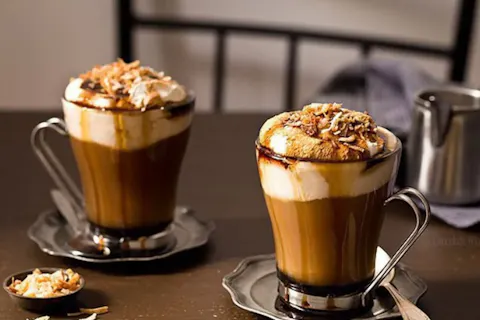
Coconut Coffee is a refreshing Vietnamese coffee drink that combines strong Vietnamese coffee with creamy coconut milk or coconut cream. Known for its rich tropical flavor, smooth texture, and gentle sweetness, it offers a delicious twist on traditional Vietnamese coffee. Often served over ice, Coconut Coffee is especially popular in modern cafés and warm-weather destinations. Discover its ingredients, flavor, preparation, and connection to Vietnam’s vibrant coffee culture while exploring one of the country’s most creative and refreshing coffee drinks.

Bac Xiu is a popular Vietnamese coffee drink known for its sweet, creamy flavor and high proportion of milk compared with traditional Vietnamese iced coffee. Often made with sweetened condensed milk, fresh milk, and a smaller amount of strong Vietnamese coffee, Bac Xiu has a smooth and milky taste with a gentle coffee aroma. It is commonly served hot or over ice and can be enjoyed at traditional Vietnamese cafés, making it a great choice for travelers exploring Vietnam's distinctive coffee culture.

Cà Phê Trứng, or Vietnamese egg coffee, is a distinctive Hanoi specialty made with strong Vietnamese coffee and a rich, creamy topping of whipped egg yolk and sweetened condensed milk. The silky egg mixture creates a dessert-like layer that balances the coffee's bold, roasted bitterness with gentle sweetness. Traditionally served in a small glass, often placed in warm water to maintain its temperature, Cà Phê Trứng is an iconic part of Hanoi's coffee culture. Discover its ingredients, preparation, flavor, history, and where to try it.

Cà Phê Sữa Đá is Vietnam's iconic iced coffee, made with strong Vietnamese coffee, sweetened condensed milk, and ice. Traditionally brewed through a small metal phin filter, the coffee develops a bold, aromatic flavor that pairs perfectly with the rich sweetness of condensed milk. Served over ice, it is a refreshing yet intensely caffeinated drink enjoyed throughout Vietnam. From busy street cafés in Ho Chi Minh City to traditional coffee shops in Hanoi, Cà Phê Sữa Đá offers an essential taste of Vietnamese coffee culture.
Vietnamese coffee is known for its strong flavor, slow preparation, and use of the traditional phin filter. Robusta beans are particularly common, and many popular drinks combine concentrated coffee with ingredients such as sweetened condensed milk, coconut, yogurt, or egg.
Cà phê sữa đá is Vietnamese iced milk coffee made by slowly brewing concentrated coffee through a phin filter and combining it with sweetened condensed milk and ice. It is one of the most popular Vietnamese coffee drinks and can be found throughout the country.
A phin is a small metal coffee filter traditionally used to brew Vietnamese coffee. Ground coffee is placed inside the filter, hot water is added, and the coffee slowly drips into a cup below. The slow brewing process produces a concentrated and distinctive cup of coffee.
Vietnamese egg coffee, or cà phê trứng, combines strong coffee with a creamy mixture traditionally made with egg yolk and sweetened condensed milk. The drink is particularly associated with Hanoi and is one of the country's best-known specialty coffee experiences.
Vietnamese salt coffee, known as cà phê muối, combines coffee with a lightly salted creamy mixture. The small amount of salt helps balance the bitterness of the coffee and creates a rich, slightly savory flavor. Hue is particularly associated with this style of coffee.
Vietnam's most important coffee-growing region is the Central Highlands, including areas such as Dak Lak, Gia Lai, and Lam Dong. The region's elevation, climate, and agricultural conditions make it particularly suitable for coffee cultivation.
Hanoi, Ho Chi Minh City, Hue, and Da Lat are among the best-known destinations for experiencing Vietnamese coffee culture. Hanoi is strongly associated with traditional cafés and egg coffee, Ho Chi Minh City has a vibrant modern café scene, Hue is known for salt coffee, and Da Lat is closely connected with coffee-growing areas.
Travelers can try cà phê sữa đá, cà phê đen đá, egg coffee, coconut coffee, yogurt coffee, and salt coffee. Trying several varieties is a good way to understand how Vietnamese coffee can range from strong and bitter to creamy, sweet, and aromatic.
Green tea is one of the most widely consumed teas in Vietnam. Other notable varieties include lotus tea, jasmine tea, and teas produced in northern mountainous regions. Tea is commonly enjoyed at home, during social gatherings, and when welcoming guests.
Vietnamese lotus tea is traditionally made by scenting green tea with the fragrance of lotus flowers. It is particularly associated with Hanoi and is valued for its delicate floral aroma and connection with Vietnamese cultural traditions.
Advertising box