
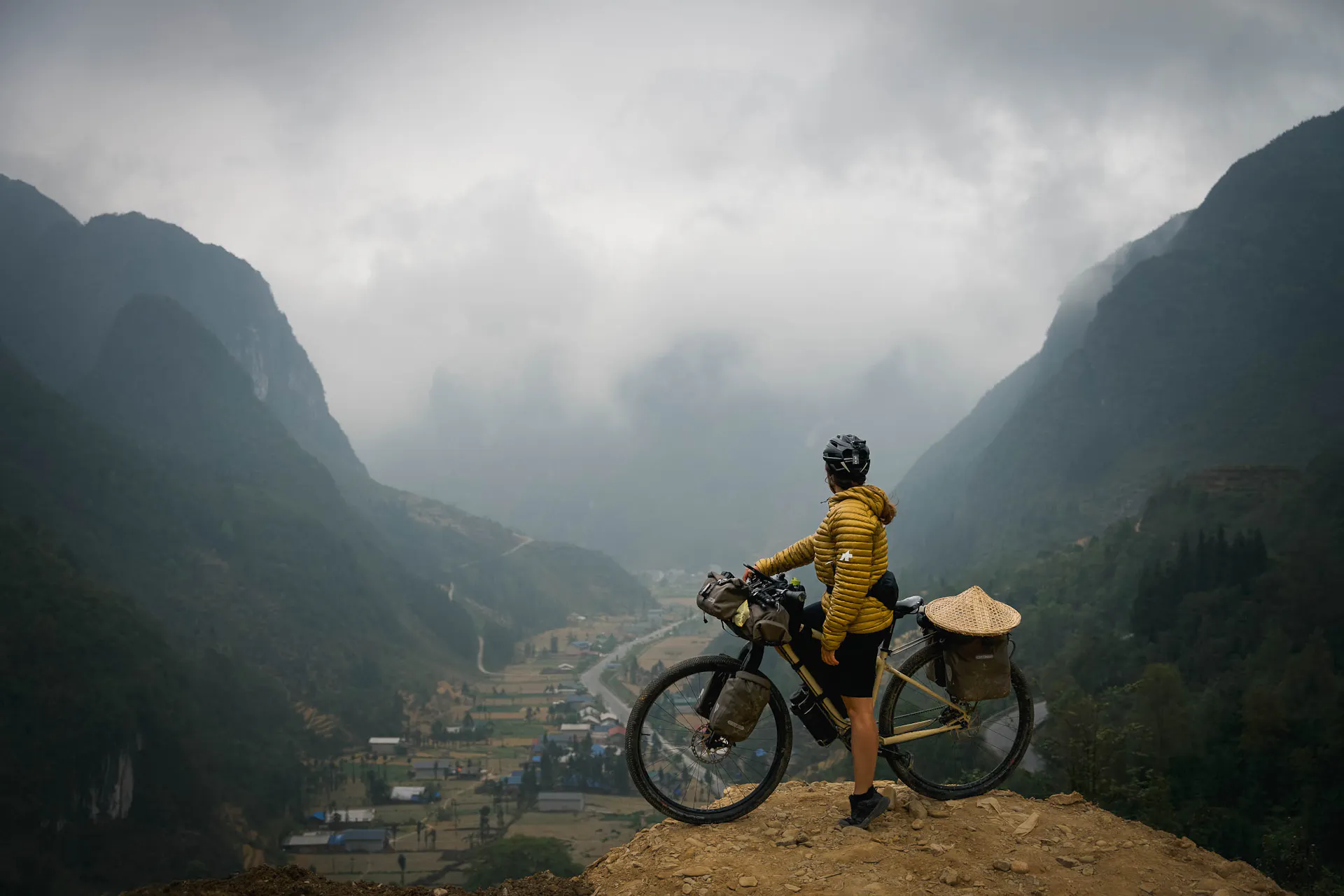
Cycling in Vietnam: Best Routes, Bike Tours & Travel Guide
Discover cycling in Vietnam through scenic mountain roads, peaceful countryside lanes, coastal routes, and vibrant river landscapes. From the challenging Ha Giang Loop and Hai Van Pass to the relaxed countryside of Ninh Binh, Hoi An, and the Mekong Delta, Vietnam offers cycling experiences for different fitness levels and travel styles. Explore the best cycling routes, recommended seasons, itineraries, bike tours, essential gear, safety advice, and practical tips for planning an unforgettable cycling adventure across Vietnam.
On this page
- Best Cycling Routes in Vietnam
- Is Vietnam Good for Cycling?
- Best Time for Cycling in Vietnam
- Vietnam Cycling Difficulty Guide
- Vietnam Cycling Itineraries
- Vietnam Cycling Tours vs Independent Bike Touring
- Choosing a Bicycle for Vietnam
- What to Pack for a Cycling Trip in Vietnam
- Cycling Safety in Vietnam
- Cycling Etiquette in Vietnam
- How Much Does Cycling in Vietnam Cost?
- Conclusion
Vietnam is one of Southeast Asia’s most rewarding countries to explore by bicycle. From quiet rice-field lanes and coastal roads to challenging mountain passes, cycling allows travelers to experience the country at a slower and more personal pace.
The best cycling routes in Vietnam cover a remarkable range of landscapes. In the north, cyclists can ride through the limestone scenery of Ninh Binh, explore the valleys of Mai Chau, or take on the demanding mountain roads of Ha Giang. In central Vietnam, the Hai Van Pass, Hoi An countryside, and Da Lat offer a mix of coastal, rural, and highland cycling. Further south, the flat roads and village paths of the Mekong Delta are ideal for relaxed bicycle touring.
Vietnam also works well for different types of cyclists. Beginners can enjoy short countryside rides, while experienced riders can plan multi-day mountain or cross-country journeys. Travelers can join organized cycling tours with guides and support vehicles or create an independent itinerary using a combination of bicycles, trains, and domestic transport.
This guide covers the best cycling routes in Vietnam, the best time to ride, suggested itineraries, bike options, safety advice, and practical tips for planning a cycling trip.
Best Cycling Routes in Vietnam
Vietnam offers cycling routes for almost every level of experience. From easy countryside rides to demanding mountain roads, each region provides a different cycling experience.
Cycling in Ninh Binh
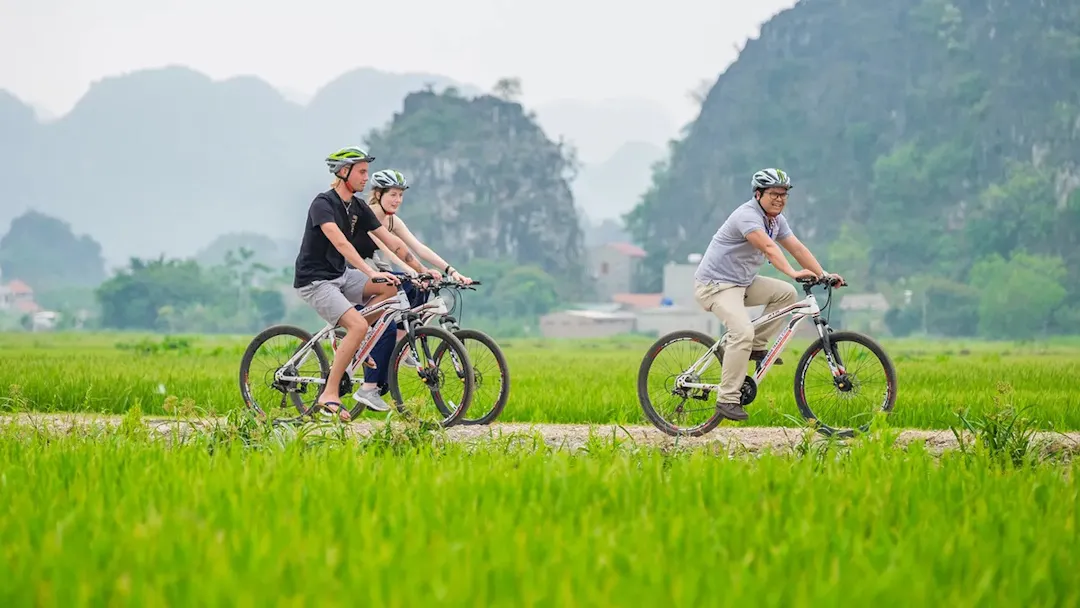
Ninh Binh is one of the best destinations in Vietnam for travelers who want scenic cycling without extreme climbs. The area around Tam Coc, Trang An, Hoa Lu, and nearby villages combines quiet roads with dramatic limestone mountains, rice fields, rivers, and traditional rural landscapes.
Most popular cycling routes in Ninh Binh are relatively flat, making the region suitable for beginners and casual cyclists. Riders can spend a few hours exploring the countryside or combine cycling with boat trips and visits to cultural attractions.
A typical cycling day can include Tam Coc, Bich Dong Pagoda, Thai Vi Temple, and the surrounding rice fields. Early morning is particularly pleasant because temperatures are cooler and the roads are generally quieter.
- Difficulty: Easy
- Recommended stay: 1–2 days
- Best for: Beginners, families, photographers, and leisure cyclists
Cycling in Mai Chau
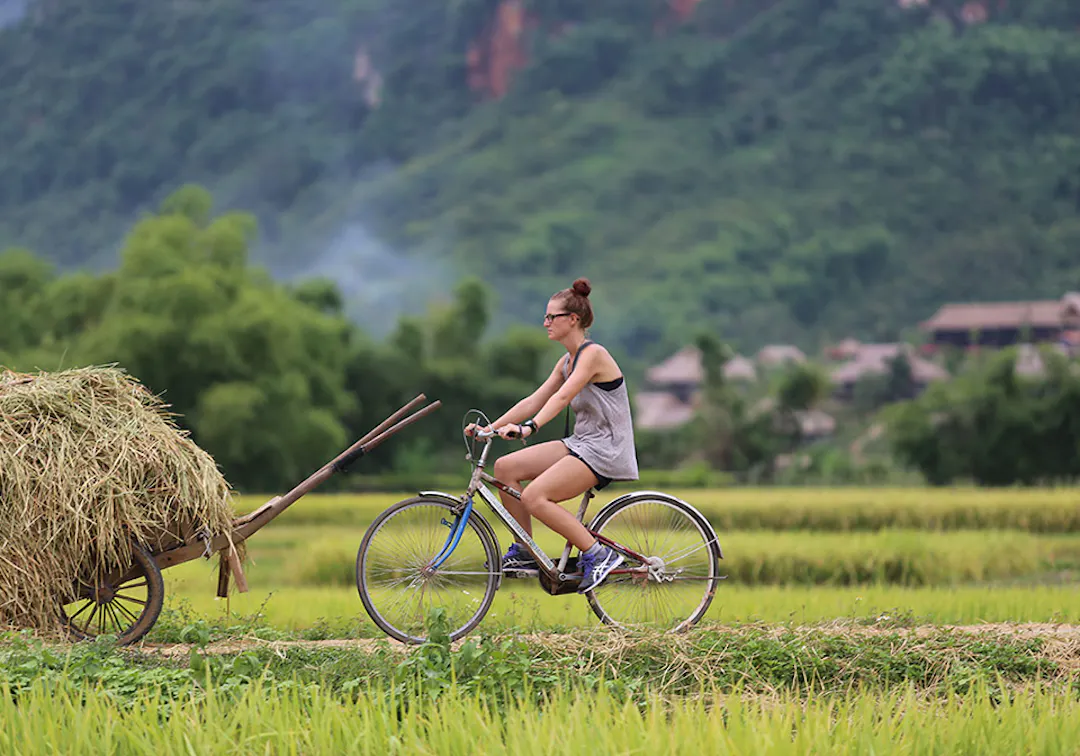
Mai Chau is a peaceful valley surrounded by mountains and traditional villages in northern Vietnam. Cycling here is less about long-distance endurance and more about enjoying rural scenery and local culture.
Quiet village roads pass rice paddies, vegetable gardens, streams, and traditional stilt houses. The relatively gentle terrain makes Mai Chau a good option for travelers who want to combine cycling with cultural experiences.
A ride through Lac Village and surrounding communities can easily be combined with an overnight stay in a traditional homestay.
- Difficulty: Easy to moderate
- Recommended stay: 1–2 days
- Best for: Countryside cycling and cultural experiences
Cycling in Ha Giang
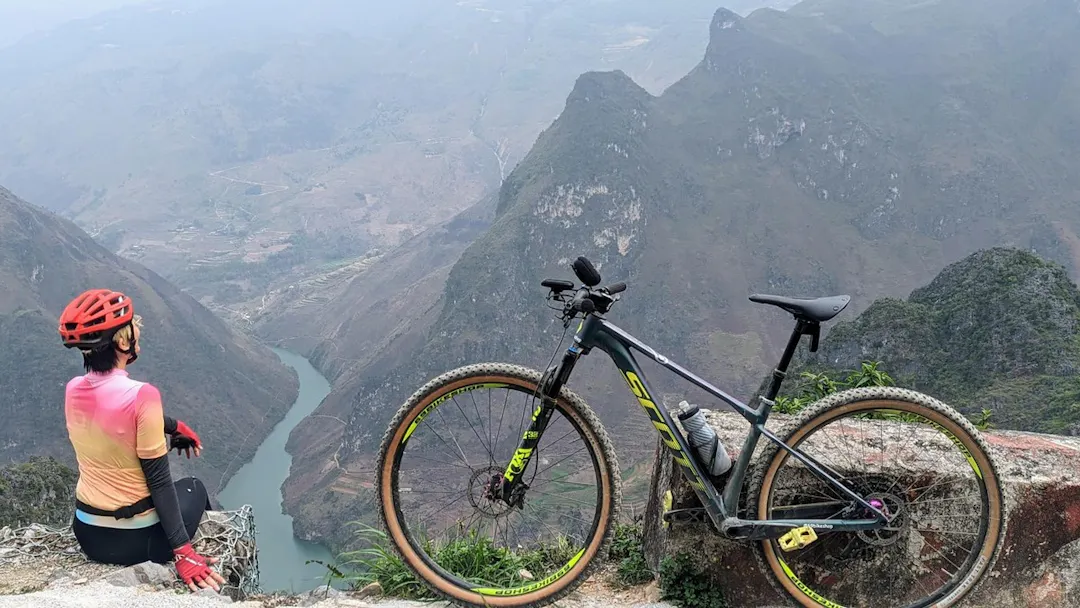
Ha Giang is one of Vietnam’s most challenging cycling destinations. The northern province is known for dramatic limestone mountains, deep valleys, winding roads, and high mountain passes.
Experienced cyclists can follow sections of the famous Ha Giang Loop, including routes through Dong Van, Meo Vac, and the Ma Pi Leng Pass. The terrain includes frequent climbs and descents, so riders should be comfortable with sustained elevation gain and changing weather conditions.
Road conditions can vary between sections, and mountain weather can change quickly. Riders should allow enough time for mechanical issues, weather delays, and rest stops rather than trying to complete the route too quickly.
For less experienced cyclists, a supported cycling tour with a local guide and vehicle assistance can make the journey considerably easier.
- Difficulty: Hard
- Recommended stay: 4–6 days
- Best for: Experienced cyclists and adventure travelers
Cycling in Hoi An
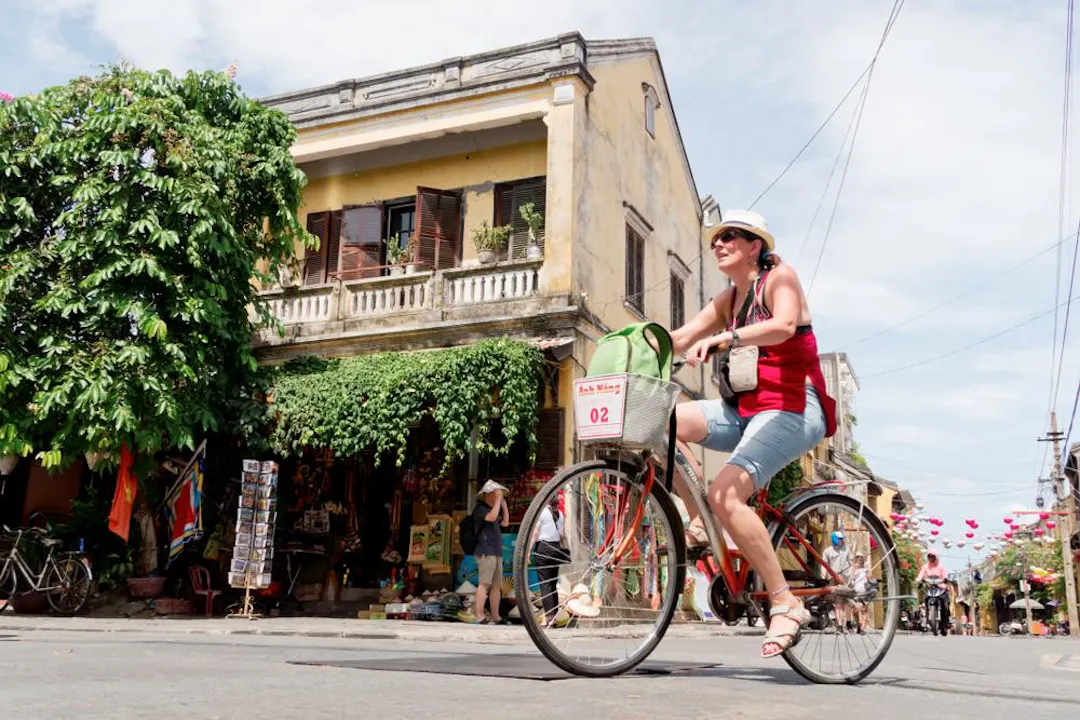
Hoi An is one of the easiest places in Vietnam to explore by bicycle. Flat roads extend from the historic town toward rice fields, vegetable gardens, rivers, villages, and the coast.
A popular cycling experience is the route between Hoi An and the countryside around Cam Thanh and Tra Que. Riders can combine a morning bike trip with local food experiences, traditional villages, and the Ancient Town.
The flat terrain makes Hoi An particularly suitable for beginners and travelers who do not want a demanding cycling itinerary.
- Difficulty: Easy
- Recommended stay: 1–2 days
- Best for: Leisure cycling, families, and first-time visitors
Cycling the Hai Van Pass
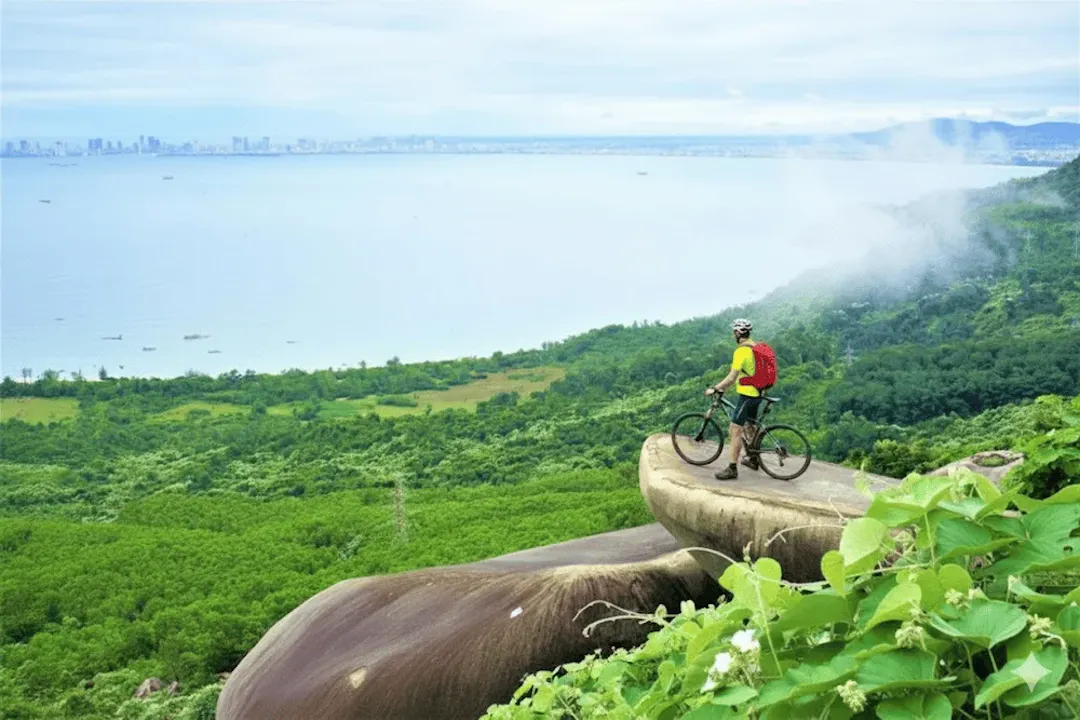
The Hai Van Pass is one of central Vietnam’s most memorable road cycling experiences. The route connects the areas around Hue and Da Nang and climbs through forested mountain terrain before opening to views of the coast and surrounding mountains.
The climb is demanding but manageable for cyclists with reasonable fitness. Riders should plan their ascent carefully, particularly during hot or wet weather.
Many travelers combine the Hai Van Pass with a wider central Vietnam itinerary that includes Hue, Da Nang, and Hoi An.
- Difficulty: Moderate to hard
- Recommended time: Half day to one day
- Best for: Road cyclists and experienced recreational riders
Cycling in Da Lat
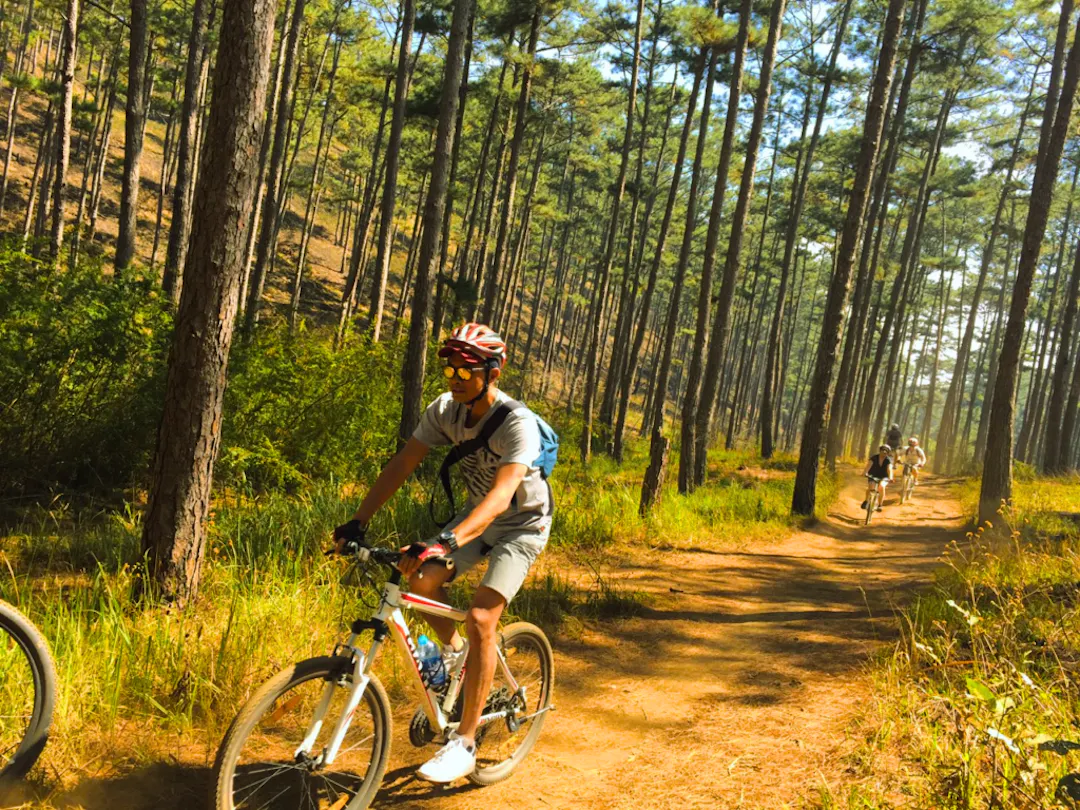
Da Lat offers a completely different cycling environment from the tropical lowlands. Located in Vietnam’s Central Highlands, the city sits at an elevation of around 1,500 meters and is surrounded by pine forests, farms, lakes, and mountain roads.
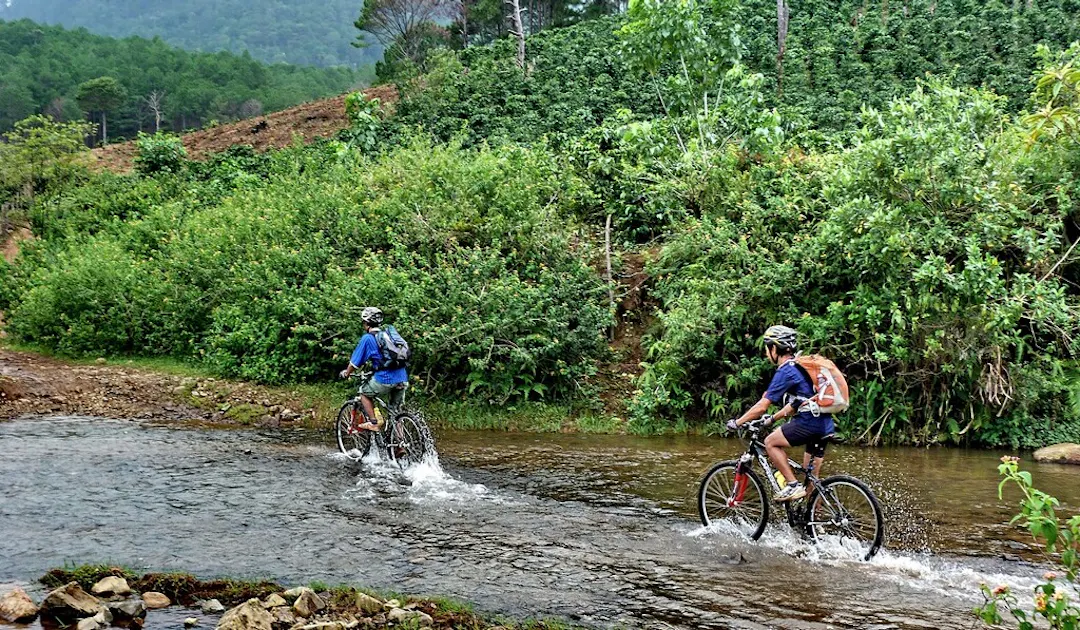
The cooler climate makes Da Lat attractive for cyclists who prefer highland conditions. Road cyclists can tackle mountain climbs and long descents, while mountain bikers can explore off-road routes in the surrounding countryside.
The terrain around Da Lat is more demanding than the flat cycling routes of Hoi An or Ninh Binh, so riders should be prepared for regular climbs.
- Difficulty: Moderate to hard
- Recommended stay: 2–3 days
- Best for: Road cycling, mountain biking, and active travelers
Cycling in the Mekong Delta
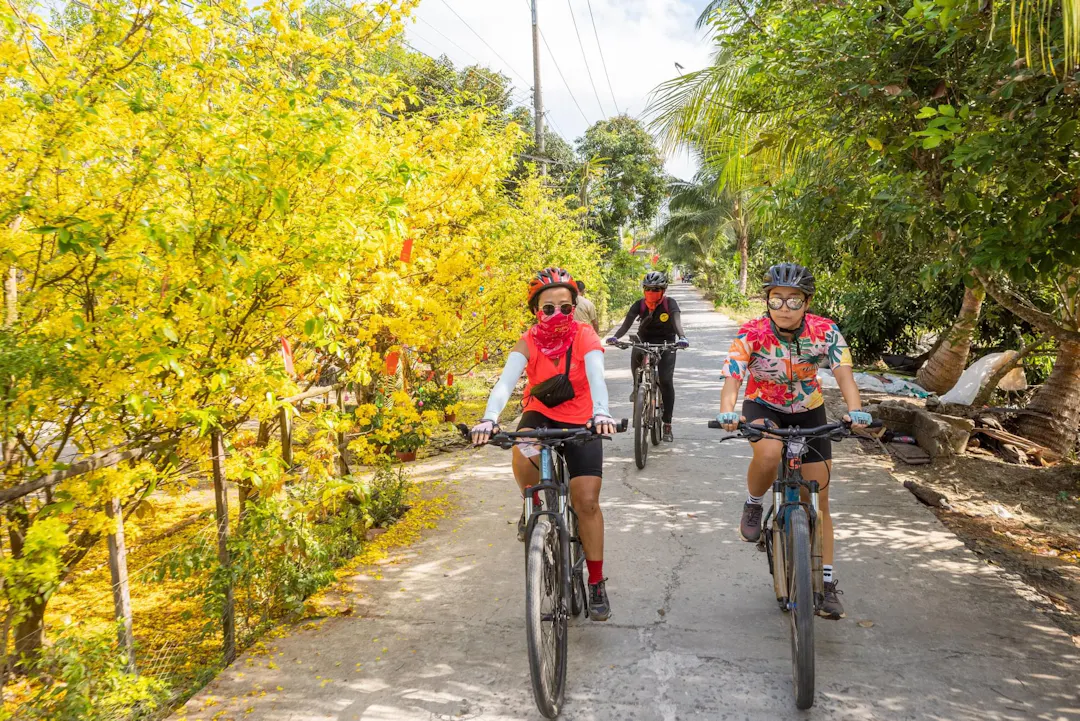
The Mekong Delta is ideal for travelers looking for a slower and more relaxed cycling experience. The landscape is dominated by rivers, canals, orchards, coconut palms, farms, and small villages.
Cyclists can ride along narrow local roads and paths connecting communities around Ben Tre, Vinh Long, Can Tho, and other parts of the delta. The terrain is generally flat, allowing riders to cover comfortable distances without significant elevation gain.
Rather than focusing on speed or distance, cycling in the Mekong Delta is about experiencing local life. Stops at fruit orchards, villages, markets, and riverside communities can easily become part of the journey.
- Difficulty: Easy to moderate
- Recommended stay: 2–4 days
- Best for: Bicycle touring, families, and cultural travel
Is Vietnam Good for Cycling?
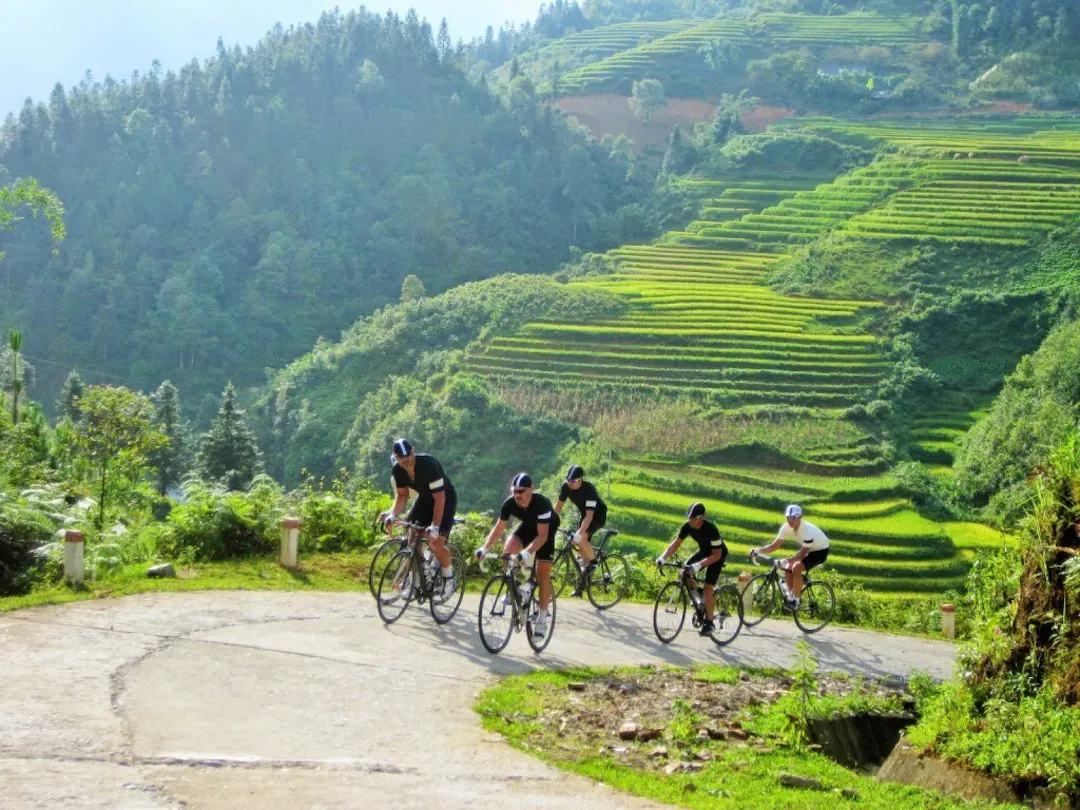
Yes. Vietnam is particularly attractive for cycling because of its geographic diversity, extensive rural road network, affordable travel infrastructure, and variety of landscapes.
However, the cycling experience varies significantly between regions.
Northern Vietnam offers dramatic mountains and challenging climbs. Central Vietnam combines coastal roads, historic cities, and highland terrain. Southern Vietnam is generally flatter and more suitable for relaxed touring.
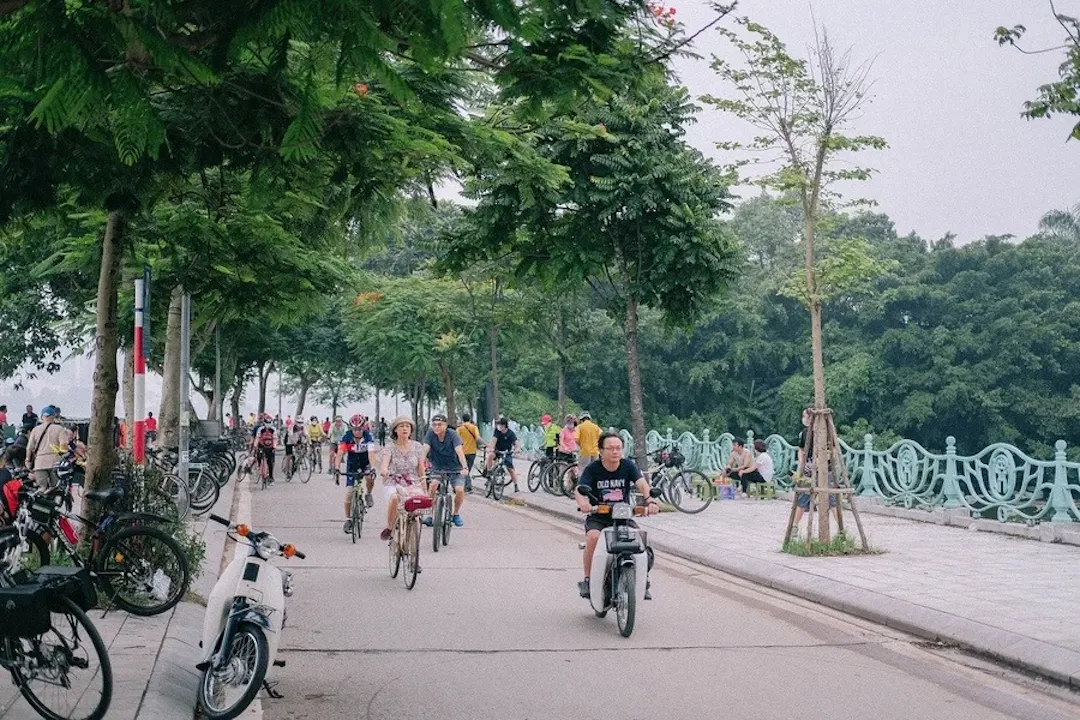
Traffic is the main challenge for cyclists, especially around major cities and busy highways. Riders should use defensive cycling techniques, avoid sudden movements, and choose quieter roads whenever possible.
For travelers who are uncomfortable riding in heavy traffic, countryside destinations such as Ninh Binh, Mai Chau, Hoi An, and the Mekong Delta can provide a more relaxed experience.
Best Time for Cycling in Vietnam
Vietnam has several climate zones, so the best cycling season depends on where you plan to ride.
Northern Vietnam
The cooler and drier months from around October to April are generally comfortable for cycling in northern destinations. Mountain areas can become cold, particularly during winter.
Spring can bring pleasant temperatures, while summer is typically hotter and wetter.
Central Vietnam
Central Vietnam is generally more suitable for cycling during the drier months, although conditions vary between the coast and highlands.
Cyclists should pay particular attention to the rainy season because heavy rainfall can affect mountain roads and visibility.
Southern Vietnam
The dry season is generally the most convenient period for cycling in southern Vietnam. The Mekong Delta can be hot throughout the year, so early morning rides are often more comfortable.
Vietnam Cycling Difficulty Guide
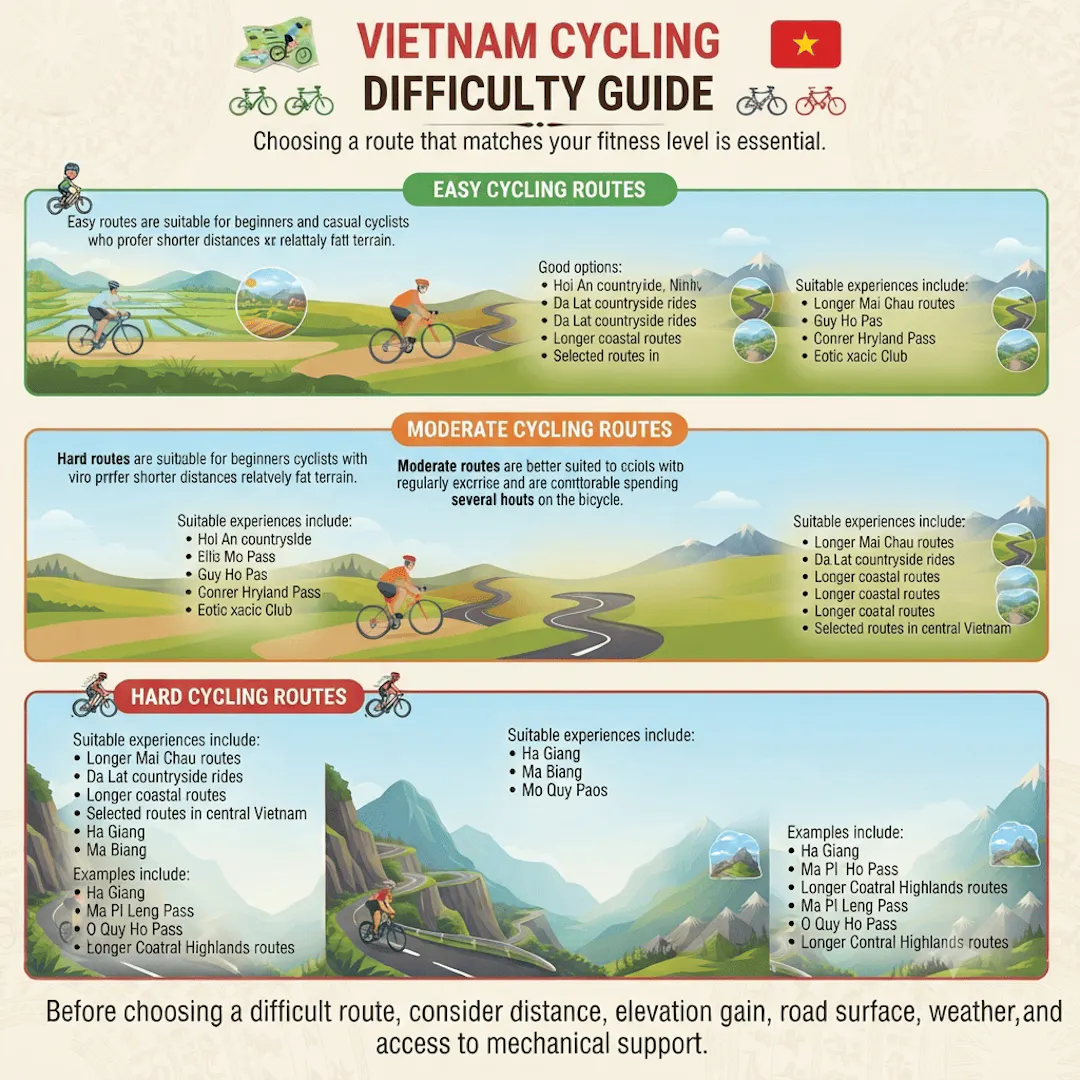
Choosing a route that matches your fitness level is essential.
Easy Cycling Routes
Easy routes are suitable for beginners and casual cyclists who prefer shorter distances and relatively flat terrain.
Good options include:
- Hoi An countryside
- Ninh Binh
- Mekong Delta village roads
- Short rides around Mai Chau
Moderate Cycling Routes
Moderate routes are better suited to cyclists who regularly exercise and are comfortable spending several hours on the bicycle.
Suitable experiences include:
- Longer Mai Chau routes
- Da Lat countryside rides
- Longer coastal routes
- Selected routes in central Vietnam
Hard Cycling Routes
Hard routes are designed for experienced cyclists who are comfortable with sustained climbs, long riding days, and changing mountain conditions.
Examples include:
- Ha Giang
- Ma Pi Leng Pass
- O Quy Ho Pass
- Longer Central Highlands routes
Before choosing a difficult route, consider distance, elevation gain, road surface, weather, and access to mechanical support.
Vietnam Cycling Itineraries
The ideal itinerary depends on your fitness level and the amount of time available.
3-Day Cycling Itinerary
A short cycling trip can focus on one destination rather than attempting to cover too much of the country.
Day 1: Hanoi to Ninh Binh
Travel to Ninh Binh and enjoy an introductory countryside ride around Tam Coc.
Day 2: Ninh Binh cycling
Explore rural roads around Tam Coc, Trang An, Hoa Lu, or Bich Dong.
Day 3: Ninh Binh to Hanoi
Enjoy a shorter morning ride before returning to Hanoi.
This itinerary is suitable for beginners and travelers who want to add cycling to a wider Vietnam trip.
7-Day Cycling Itinerary
A week allows travelers to combine different landscapes.
- Day 1: Hanoi and surrounding countryside
- Day 2: Ninh Binh
- Day 3: Ninh Binh and transfer
- Day 4: Hoi An countryside
- Day 5: Hoi An and surrounding villages
- Day 6: Hai Van Pass
- Day 7: Central Vietnam countryside and departure
For stronger cyclists, some transfers can be replaced with longer riding days.
14-Day Cycling Itinerary
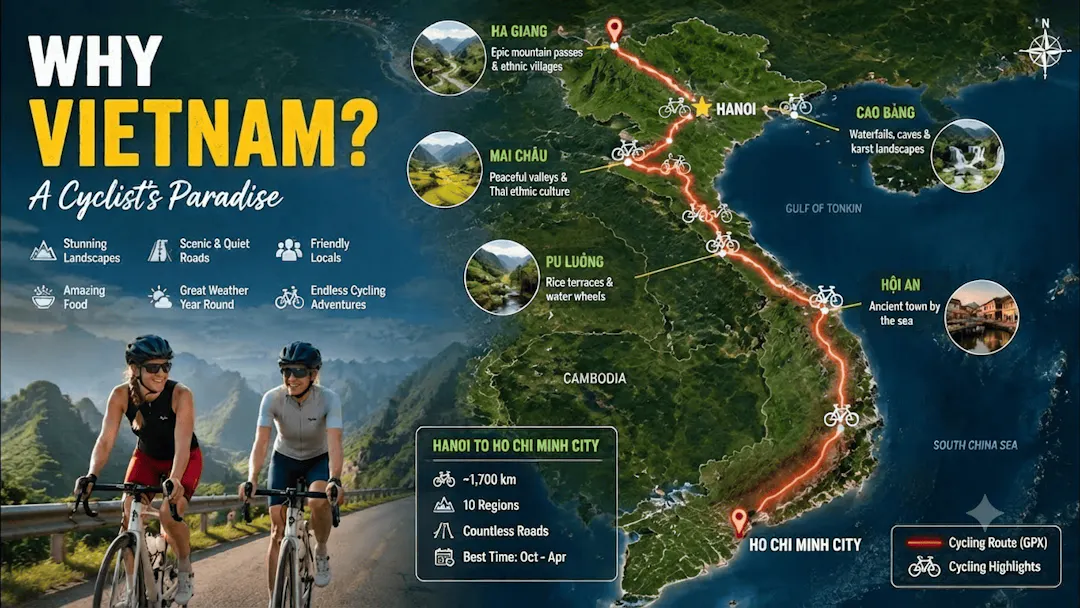
A two-week journey can combine northern, central, and southern Vietnam.
One possible route includes:
- Days 1–3: Hanoi and Ninh Binh
- Days 4–5: Mai Chau
- Days 6–8: Central Vietnam and Hoi An
- Day 9: Hai Van Pass
- Days 10–11: Da Lat
- Days 12–14: Mekong Delta
There is no need to cycle every kilometer between destinations. Combining bicycles with trains, flights, or private transfers can create a more comfortable and practical trip.
Vietnam Cycling Tours vs Independent Bike Touring
Travelers can explore Vietnam independently or join an organized cycling tour.
Independent Cycling
Independent touring offers greater flexibility. You can choose your own daily distance, stop whenever you want, and adjust your itinerary according to weather and energy levels.
It works particularly well in destinations such as Ninh Binh, Hoi An, and the Mekong Delta.
The disadvantages are that you need to handle navigation, accommodation, luggage, repairs, and unexpected route changes yourself.
Organized Cycling Tours
A cycling tour can be a better choice for challenging routes or first-time bicycle travelers.
Depending on the operator, a supported tour may include:
- Professional cycling guides
- Accommodation
- Meals
- Bicycle rental
- Luggage transportation
- Mechanical assistance
- Support vehicles
- Airport or hotel transfers
For demanding mountain routes such as Ha Giang, having local support can significantly simplify logistics.
Choosing a Bicycle for Vietnam
The right bicycle depends on your route and riding style.
Road Bike
A road bike is suitable for cyclists focusing on paved roads and longer distances. It works particularly well for road cycling routes but may be less practical on rough rural paths.
Gravel Bike
A gravel bike offers a useful balance between speed and versatility. It can handle paved roads as well as many unpaved and rural surfaces.
Touring Bike
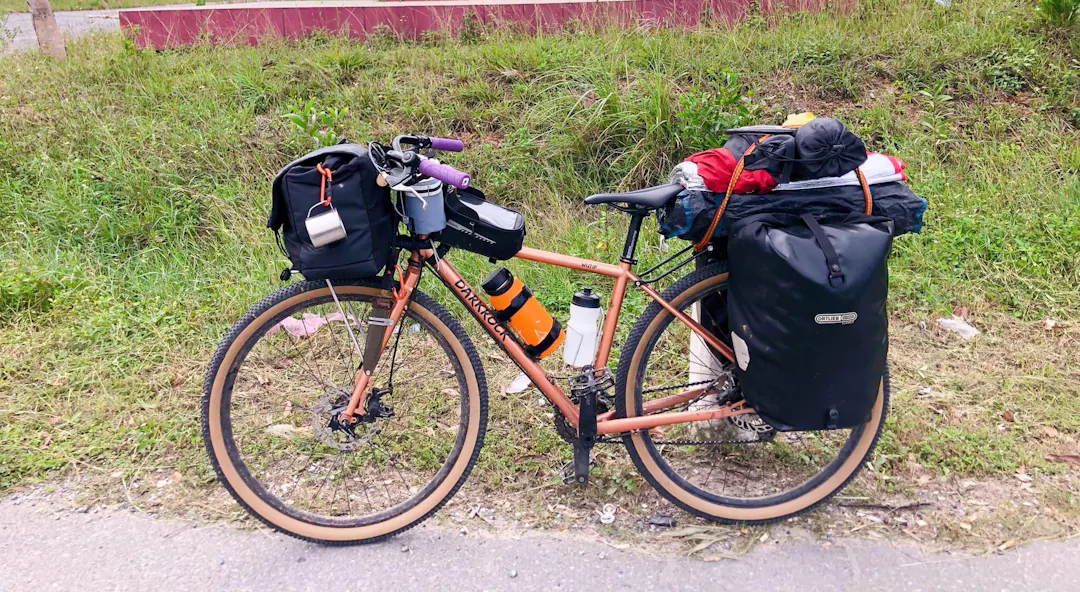
A touring bicycle is designed for carrying luggage over long distances. It is a practical choice for self-supported multi-day trips.
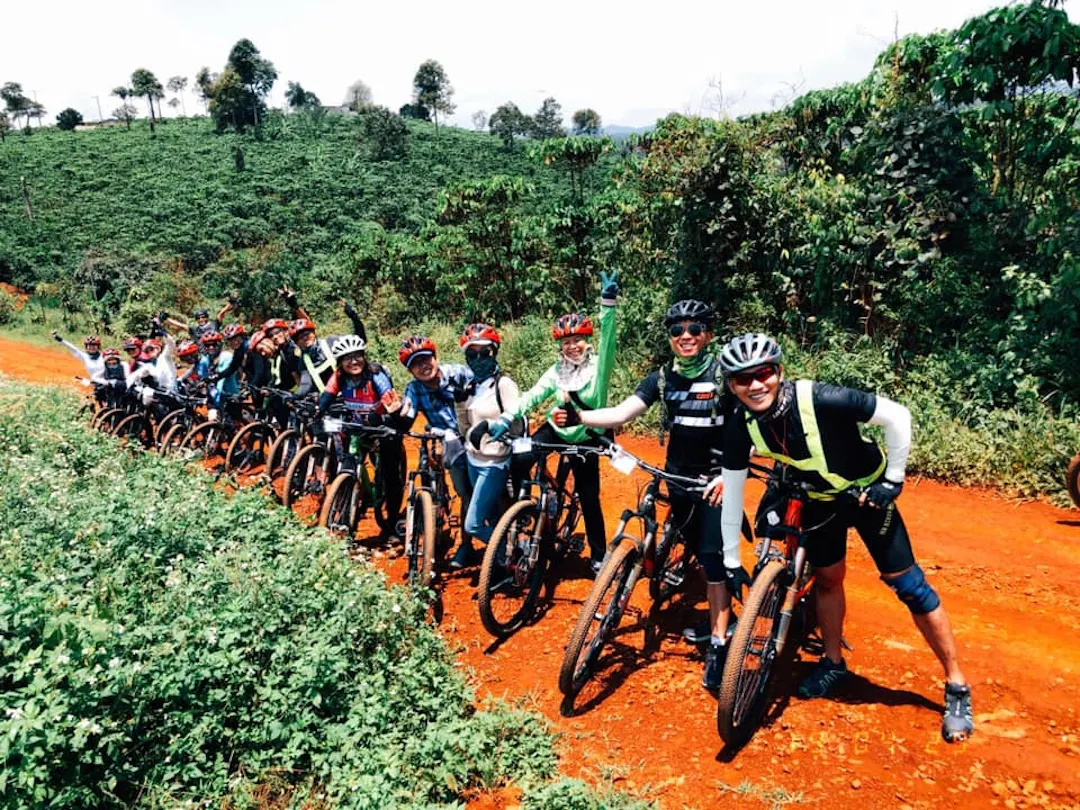
Mountain Bike
A mountain bike is useful for rougher terrain, trails, and highland routes. It is generally heavier than a road or gravel bike but offers greater stability on uneven surfaces.
For a mixed Vietnam itinerary, a durable gravel, touring, or hardtail mountain bike can be a practical choice.

What to Pack for a Cycling Trip in Vietnam
A well-prepared cycling kit can make a significant difference during a multi-day trip.
Essential items include:
- Helmet
- Cycling gloves
- Front and rear lights
- Water bottles or hydration system
- Sunglasses
- Lightweight rain jacket
- Sunscreen
- Basic first-aid supplies
- Spare tubes or tubeless repair kit
- Tire levers
- Portable pump
- Multi-tool
- Spare brake pads for longer trips
- Phone and offline maps
- Lightweight cycling clothing
For northern mountain routes during cooler months, bring additional layers because temperatures can drop significantly at higher elevations.
Cycling Safety in Vietnam
Cycling in Vietnam requires extra attention to traffic, particularly in cities and on major roads.
Ride Predictably
Maintain a steady line and avoid sudden movements. Other road users need to be able to anticipate your position.
Use Lights
Front and rear lights are useful even during daylight, especially on busy roads and when visibility is reduced.
Be Careful Around Large Vehicles
Buses and trucks can pass closely and may create strong air movement. Give large vehicles plenty of space and avoid riding alongside them for long periods.
Expect Frequent Horn Use
Drivers in Vietnam commonly use their horns to communicate their presence. A horn does not necessarily indicate anger or aggressive behavior.
Avoid Peak Traffic
In large cities, early morning can be a more comfortable time to ride. When possible, use quieter streets and rural roads instead of major urban highways.
Stay Hydrated
Vietnam's heat and humidity can make dehydration a serious concern. Carry enough water and consider electrolyte replacement during long rides.
Check the Weather
Mountain weather can change quickly. Before starting a long ride, check the forecast and be prepared to change your route if conditions deteriorate.

Cycling Etiquette in Vietnam
Cycling is also an opportunity to interact with local communities.
When riding through villages, slow down near homes, schools, markets, and pedestrians. Ask permission before photographing people, especially in rural communities.
A simple “Xin chào” is a friendly way to greet people you meet along the road.
Respect local customs, avoid blocking narrow roads, and take your rubbish with you. Small gestures of consideration can make the experience more enjoyable for both travelers and local residents.
How Much Does Cycling in Vietnam Cost?
The cost of a cycling trip depends heavily on your travel style.
Independent cyclists can keep costs relatively low by using local accommodation, restaurants, and public transportation. Organized tours generally cost more because they may include guides, accommodation, meals, bicycle rental, transfers, and support vehicles.
Your main expenses may include:
- Bicycle rental or transport
- Accommodation
- Food and drinks
- Transportation between cycling regions
- Tour fees
- Entrance fees
- Mechanical repairs
- Luggage transfers
Mountain routes and supported multi-day tours usually cost more than short recreational rides around destinations such as Hoi An or Ninh Binh.
Conclusion
Cycling in Vietnam offers an opportunity to experience the country beyond its major tourist attractions. You can ride between limestone mountains and rice fields in Ninh Binh, explore traditional villages around Mai Chau, challenge yourself on the mountain roads of Ha Giang, cycle through the countryside surrounding Hoi An, climb the Hai Van Pass, explore the highlands around Da Lat, or follow quiet village roads through the Mekong Delta.
The best route depends on your experience, available time, preferred terrain, and travel style. Beginners can start with flat countryside routes, while experienced cyclists can take on Vietnam’s mountain passes and longer touring routes.
Plan your journey around the weather, choose a bicycle suited to the terrain, prepare essential repair and safety equipment, and allow enough time to enjoy the places along the way. With the right preparation, cycling can be one of the most memorable ways to explore Vietnam.

By Roy Trinh
Editor
Roy Trinh is a travel writer and destination expert at Go Visit Vietnam, dedicated to helping travelers discover the beauty, culture, and diversity of Vietnam. Through well-researched travel guides, practical itineraries, local insights, and authentic recommendations, Roy shares valuable information to inspire memorable journeys across the country. From vibrant cities and breathtaking landscapes to regional cuisine and cultural heritage, every guide is created to help visitors experience Vietnam with confidence and curiosity.
Frequently Asked Questions - Cycling in Vietnam
Is Vietnam good for cycling?
Yes. Vietnam offers a wide range of cycling experiences, from easy countryside rides to challenging mountain routes. The best destination depends on your fitness level and preferred type of cycling.
Is cycling safe in Vietnam?
Cycling can be safe when travelers use defensive riding techniques, choose appropriate roads, use lights, and remain aware of surrounding traffic. Busy urban roads require more caution than rural routes.
What are the best cycling routes in Vietnam?
Popular routes include Ha Giang, Ninh Binh, Mai Chau, Hoi An, the Hai Van Pass, Da Lat, and the Mekong Delta. Each offers a different combination of terrain, scenery, and difficulty.
What is the best time for cycling in Vietnam?
There is no single best season for the entire country. Northern Vietnam is generally more comfortable from October to April, while central and southern destinations have different seasonal patterns.
Can beginners cycle in Vietnam?
Yes. Beginners should start with relatively flat destinations such as Ninh Binh, Hoi An, Mai Chau, or the Mekong Delta before attempting demanding mountain routes.
Should I join a cycling tour or travel independently?
Independent cycling provides flexibility, while organized tours offer guides, logistics, mechanical support, and sometimes support vehicles. A guided tour can be especially useful for challenging mountain routes.
What type of bicycle is best for Vietnam?
A gravel, touring, or mountain bike can be suitable for mixed routes. Road bikes work well on paved roads, while mountain bikes are better for rougher terrain and trails.
How many days do I need for a cycling trip in Vietnam?
A short cycling experience can take one to three days, while a more extensive journey can last one to several weeks. Many travelers combine cycling with trains, flights, or other transportation between regions.
Advertising box
Explore Outdoor Adventures in Vietnam
Experience Vietnam's most exciting outdoor activities, from mountain trekking and jungle hiking to cave exploration, kayaking, cycling, waterfall adventures, island escapes, and national park discoveries. Find inspiring guides to help you explore Vietnam's spectacular landscapes and unforgettable nature experiences.
Hiking & Trekking in Vietnam: Best Trails, Routes & Travel Guide
Discover hiking and trekking in Vietnam through spectacular mountain trails, rice terraces, tropical forests, limestone karsts, national parks, and remote rural landscapes. From the famous Sapa and Fansipan trails to the rugged mountains of Ha Giang, jungle adventures in Phong Nha, and the scenic Ta Nang Phan Dung trek, Vietnam offers routes for different experience levels. Explore the best hiking destinations, trekking routes, seasons, difficulty levels, multi-day adventures, guided tours, safety advice, essential gear, and practical tips for planning your journey.
Mountain Hiking in Vietnam: Best Peaks, Trails & Hiking Guide
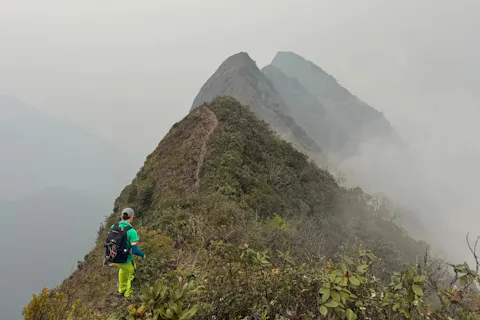
Journey to the rugged northern frontier of Vietnam and conquer Southeast Asia's most majestic alpine peaks. This definitive high-altitude guide explores legendary summit trails across the Hoang Lien Son range, including Mount Fansipan, Ngu Chi Son, Ky Quan San, Lao Than, and the remote border wilderness of Pu Si Lung. Discover expert insights on vertical elevation profiles, technical scramble grades, seasonal weather windows, high-altitude gear requirements, and essential acclimatization protocols for an extraordinary mountain expedition.
Jungle Trekking in Vietnam: Best Rainforest Treks & National Parks
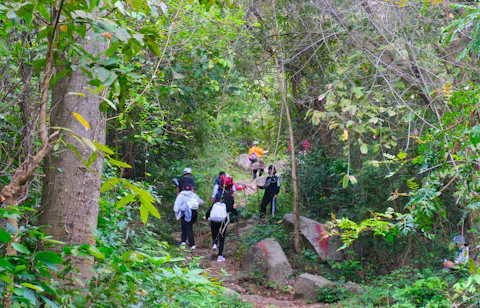
Step beneath ancient tropical canopies and discover the untouched wilderness of Southeast Asia with this ultimate rainforest expedition guide. From the vast subterranean cave networks and limestone karst valleys of Phong Nha-Kẻ Bàng to the thousand-year-old botanical archives of Cúc Phương, misty cloud forests of Bạch Mã, and coastal island reserves of Cát Bà, explore Vietnam’s premier national parks. Learn essential gear recommendations, survival strategies, microclimate navigation, and eco-conservation protocols for an unforgettable deep-jungle adventure.
Easy Hikes in Vietnam for Beginners: Top Scenic & Family Trails
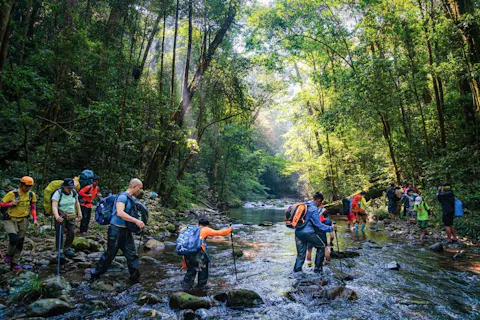
Exploring Vietnam’s stunning natural landscapes doesn't require technical climbing skills or grueling multi-day survival treks. This soft adventure travel guide highlights the country’s most accessible, beginner-friendly trails designed for novice walkers, active families, and leisure travelers. Discover gentle valley walks in Sapa and Mai Chau, pine-scented highland paths in Da Lat, coastal island boardwalks in Cat Ba, and misty cloud-forest loops in Bach Ma National Park, all offering breathtaking scenery with minimal physical strain.
Best Trekking Routes in Vietnam: Top Multi-Day Treks & Adventures
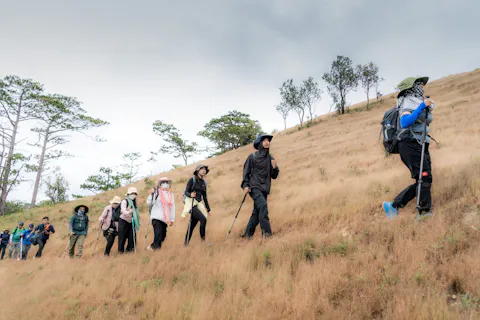
Embark on an epic journey across Southeast Asia's most dramatic landscapes with this comprehensive guide to multi-day trekking in Vietnam. From the misty terraced valleys of Sapa and the steep granite peak of Mount Fansipan to the rugged karst pinnacles of Ha Giang, primeval jungle caverns of Phong Nha, and sweeping pine ridgelines of Ta Nang-Phan Dung, discover top wilderness itineraries, essential gear requirements, seasonal timing, and expert guidance for an unforgettable outdoor expedition.
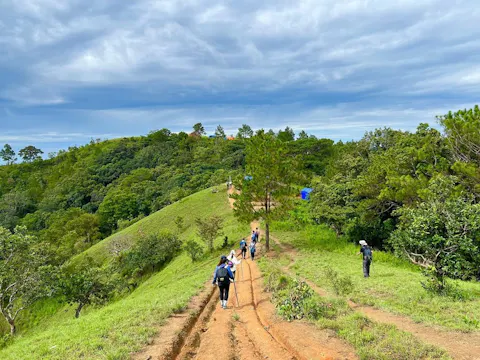
Best Hiking Trails in Vietnam: The Ultimate Wilderness Trekking Guide
From misty mountain valleys to deep subterranean caves, Vietnam offers some of Southeast Asia's most spectacular trekking routes. This definitive wilderness guide explores the best hiking trails across the nation, including the terraced paths of Sapa, the steep vertical ascent of Mount Fansipan, the primeval jungle caves of Phong Nha, the rugged karst limestone peaks of Ha Giang, and the sweeping ridgelines of Ta Nang Phan Dung. Discover essential expedition logistics, seasonal insights, and cultural etiquette for your next mountain adventure.