
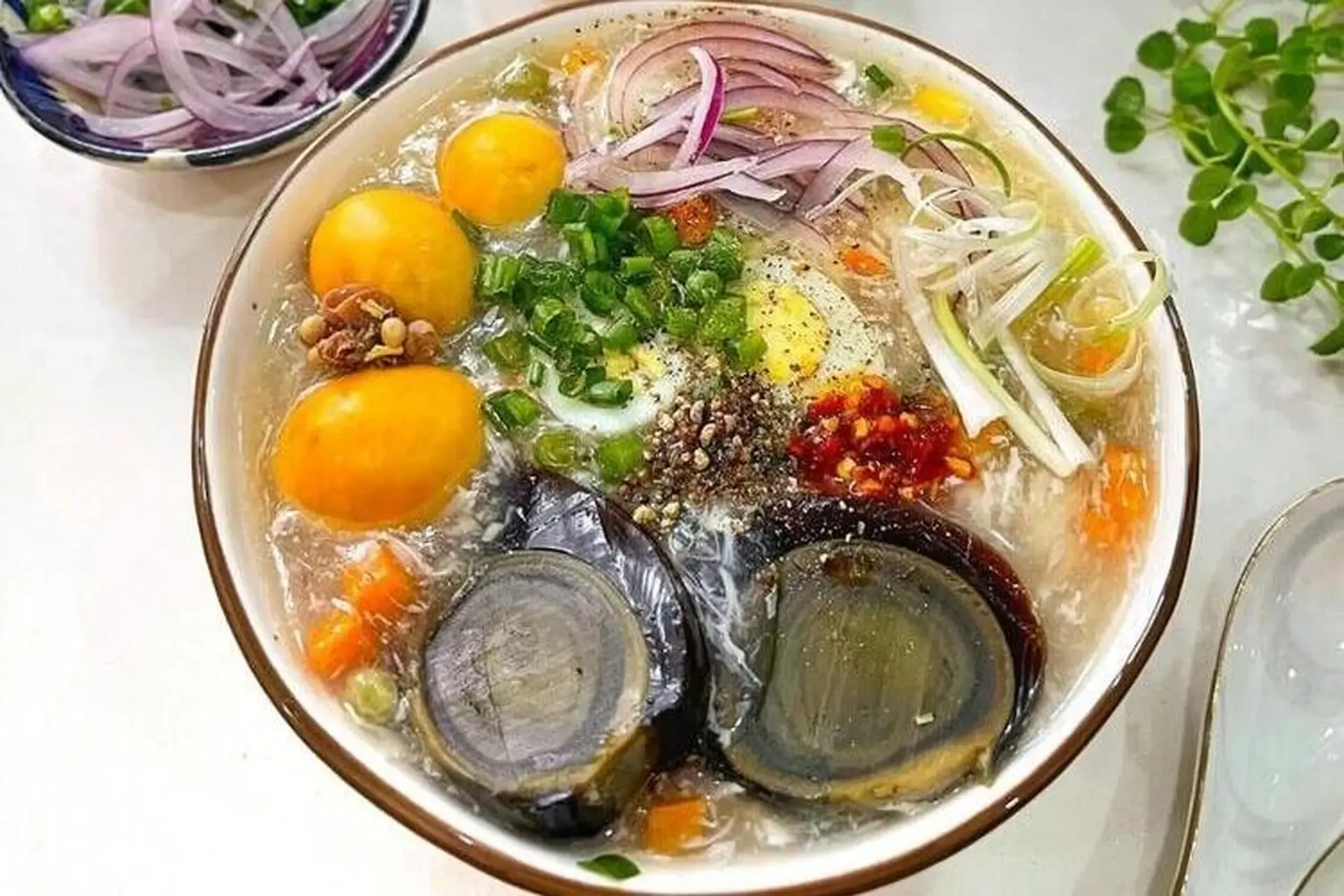
Súp Cua: Vietnam's Vietnamese Crab Soup
Súp Cua is a popular Vietnamese crab soup known for its thick, silky texture and savory combination of crab meat, eggs, mushrooms, corn, and flavorful broth. Often finished with black pepper, cilantro, and other Vietnamese seasonings, the soup offers a comforting balance of delicate seafood flavor and rich umami. Commonly served as a quick snack, appetizer, or light meal, Súp Cua is especially popular at street food stalls and casual eateries in southern Vietnam. Discover its ingredients, flavors, preparation, and place in Vietnamese food culture.
About Sup Cua
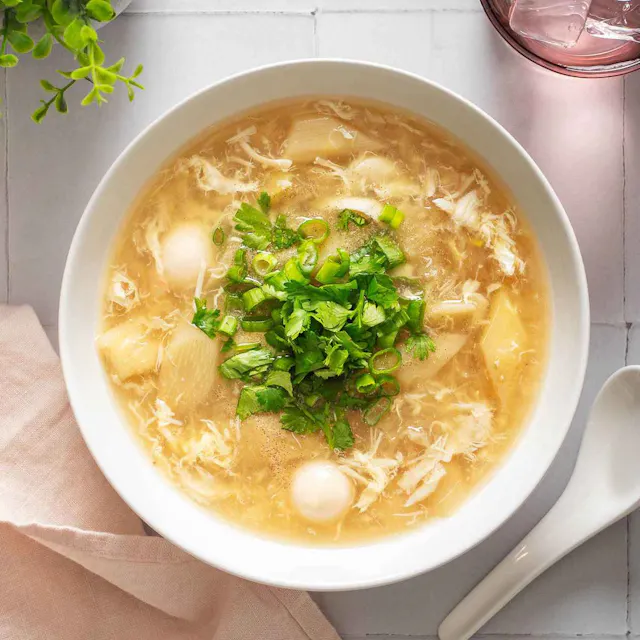
Sup Cua, known as Súp Cua in Vietnamese, is a popular Vietnamese crab soup made with crab meat, eggs, vegetables, mushrooms, and a lightly thickened savory broth. Warm, comforting, and easy to eat, Súp Cua is commonly served as a street food snack, appetizer, or light meal in restaurants and local food stalls.
The dish is particularly popular in southern Vietnam and can be found throughout Ho Chi Minh City. Vendors often prepare individual bowls to order, making Súp Cua a convenient choice for a quick meal while exploring Vietnam's busy food streets.
What Is Súp Cua?
Súp Cua literally means crab soup in Vietnamese.
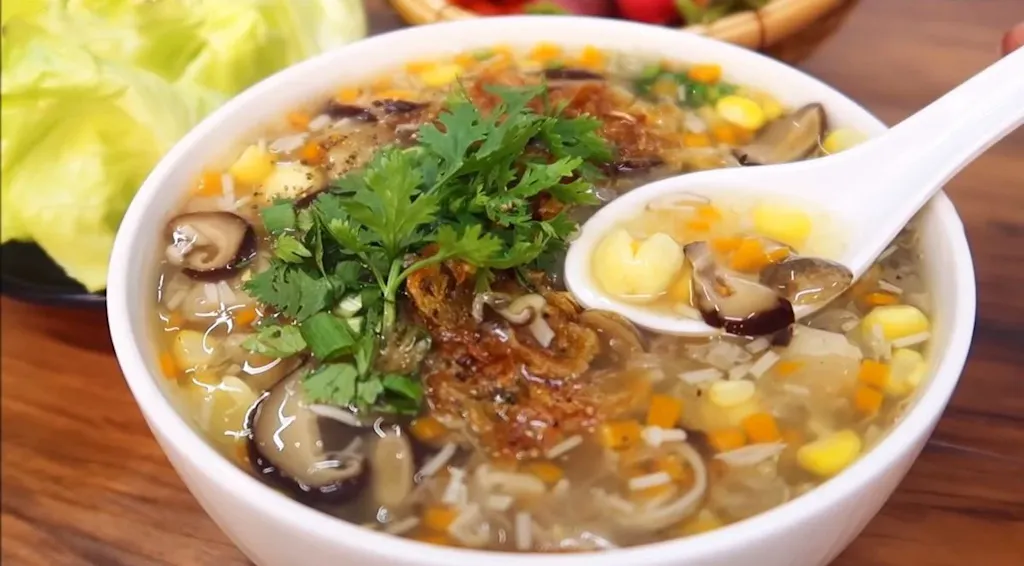
The soup typically has a smooth, lightly thickened consistency and contains shredded or small pieces of crab meat combined with egg, mushrooms, corn, carrots, or other vegetables.
Unlike clear Vietnamese noodle soups, Súp Cua has a thicker texture. Cornstarch or another starch is commonly used to give the broth its characteristic consistency.
Crab Meat
Crab is the defining ingredient of Súp Cua.
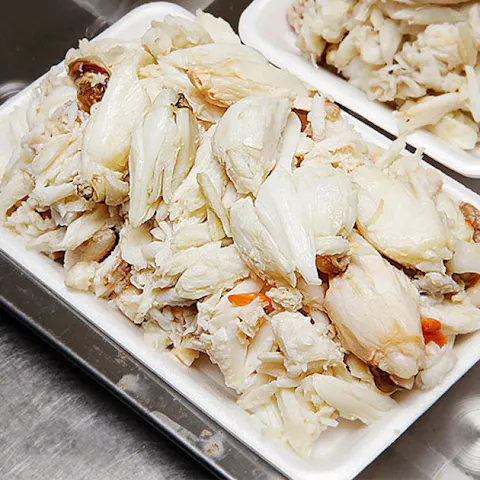
Cooked crab meat provides a delicate sweetness and savory seafood flavor. The meat is usually shredded or separated into small pieces so that it can be distributed throughout the soup.
Some vendors use a generous amount of crab, while more affordable versions may combine crab with other seafood or ingredients.
The quality of the crab can have a noticeable effect on the overall flavor of the soup.
Egg
Egg is another important ingredient in Vietnamese Crab Soup.
Beaten egg is slowly added to the hot broth, creating thin strands throughout the soup. These delicate ribbons give the dish a distinctive appearance and add a soft, silky texture.
The mild flavor of egg also complements the sweetness of crab without overpowering the seafood.
Mushrooms and Vegetables
Different versions of Súp Cua may include a variety of vegetables and mushrooms.
Common additions include sweet corn, shiitake mushrooms, carrots, peas, and wood ear mushrooms. These ingredients add texture, color, and natural sweetness to the soup.
The combination varies between vendors and restaurants, so no two bowls necessarily look exactly the same.
The Thickened Broth
The broth of Súp Cua is usually lightly thickened with cornstarch.
This creates a smooth consistency that is thicker than a traditional Vietnamese noodle soup but still light enough to enjoy as a snack.
The broth is commonly seasoned with salt, fish sauce, pepper, and other ingredients to create a savory base.
Some versions may have a richer or more strongly seasoned broth depending on the recipe.
What Does Súp Cua Taste Like?
Súp Cua has a mild, savory, and slightly sweet flavor.
Crab provides delicate seafood sweetness, while egg contributes richness and a soft texture. Corn and vegetables can add additional natural sweetness, while mushrooms provide earthy and savory notes.
Black pepper, fish sauce, and other seasonings give the soup more depth.
The warm, thick broth makes it especially comforting on cooler evenings or when enjoyed as a quick snack.
Súp Cua as Vietnamese Street Food
Súp Cua is particularly popular as an urban street food.
In Ho Chi Minh City, vendors can often be found serving hot bowls of crab soup from small stalls or casual eateries.
The dish is quick to prepare and easy to eat, making it popular with students, office workers, families, and visitors.
Some street stalls specialize in Súp Cua, while others serve it alongside other Vietnamese snacks and light meals.
Popular Variations
Vietnamese Crab Soup can vary considerably depending on the vendor.
Some bowls include more crab and seafood, while others emphasize mushrooms, corn, or egg. More elaborate versions may include shrimp, quail eggs, fish maw, or other ingredients.
Chili sauce, black pepper, and fresh herbs can also be added to customize the flavor.
These variations allow Súp Cua to range from a simple everyday snack to a more substantial appetizer.
Where to Try Súp Cua
Súp Cua is widely available in southern Vietnam and is particularly associated with Ho Chi Minh City's street food scene.
Travelers can find it at local markets, small neighborhood stalls, casual restaurants, and specialized soup vendors.
For an authentic experience, look for a busy local stall serving freshly prepared bowls throughout the day.
How to Enjoy Súp Cua
Súp Cua is generally served hot in a small bowl.
It can be eaten with a spoon on its own or enjoyed as an appetizer before other Vietnamese dishes.
Black pepper, chili sauce, or a small amount of fresh chili can be added for extra flavor. Because the broth is thick and hot, allowing it to cool slightly before eating is recommended.
Discover Súp Cua
Súp Cua demonstrates how Vietnamese cuisine can turn simple ingredients into a comforting and flavorful street food.
Crab meat, egg, mushrooms, vegetables, and a lightly thickened savory broth come together to create a bowl with contrasting textures and delicate seafood flavor.
For travelers exploring Vietnam's street food culture, especially in Ho Chi Minh City, trying a bowl of freshly prepared Súp Cua is an easy and delicious way to experience the everyday flavors of southern Vietnam.
Signature Ingredients of Vietnamese Crab Soup (Súp Cua)
The comforting flavor of Súp Cua comes from a carefully balanced combination of fresh seafood, nourishing broth, and delicate toppings. Each ingredient contributes to the soup’s silky texture and naturally sweet taste, making it one of Vietnam’s most beloved traditional soups.
Fresh Crab Meat↗
Fresh crab is the star ingredient, providing a naturally sweet, delicate flavor and tender texture. It is carefully shredded into the soup, giving every spoonful a rich seafood taste while remaining light and refined.
Egg Ribbons & Sweet Corn↗
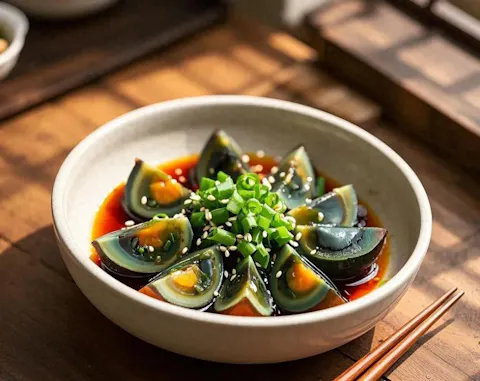
Beaten eggs are slowly poured into the hot broth to create soft, silky ribbons, while sweet corn adds gentle sweetness and a pleasant crunch. Together, they create the classic texture that defines authentic Vietnamese Crab Soup.
Flavorful Broth & Aromatic Garnishes↗
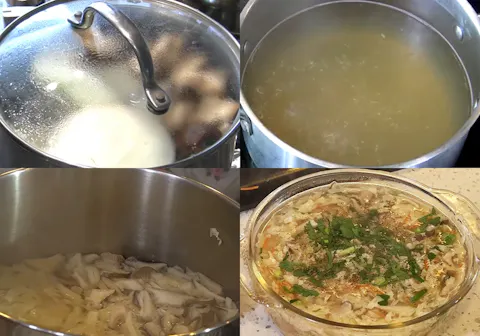
A clear broth made from chicken or pork stock is lightly thickened to achieve a smooth consistency. Fresh spring onions, coriander, black pepper, and optional chili sauce or soy sauce add fragrance and depth, allowing diners to customize each bowl to their taste.
Frequently Asked Questions About Vietnamese Crab Soup (Súp Cua)
What is Vietnamese Crab Soup (Súp Cua)?
Súp Cua is a traditional Vietnamese soup made with fresh crab meat, eggs, sweet corn, mushrooms, and a lightly thickened savory broth. It is commonly served as an appetizer or a light meal and is especially popular at celebrations and family gatherings.
What does Súp Cua taste like?
The soup has a delicate, naturally sweet seafood flavor with a smooth, silky texture. Fresh crab, egg ribbons, and sweet corn create a comforting combination that is both light and satisfying.
Is Vietnamese Crab Soup healthy?
Yes. Súp Cua is rich in protein from crab and eggs while also containing vegetables such as mushrooms and sweet corn. Because it is relatively low in fat and served in a light broth, it is considered a nutritious and balanced dish.
Can I find Súp Cua throughout Vietnam?
Absolutely. Although the recipe may vary slightly by region, Vietnamese Crab Soup is widely available in restaurants, local eateries, street food stalls, and seafood establishments across the country, especially in major cities such as Hanoi and Ho Chi Minh City.
What condiments are usually served with Súp Cua?
Many Vietnamese enjoy Súp Cua with freshly ground black pepper, chopped coriander, spring onions, chili sauce, soy sauce, or a splash of black vinegar. These optional condiments allow diners to adjust the flavor according to their personal preference.
Advertising box
Related Street Food in Vietnam
Discover more of Vietnam's vibrant street food culture through iconic local dishes, from savory noodle bowls and crispy snacks to fresh rolls and regional specialties. Explore the flavors, ingredients, cooking traditions, and stories behind popular Vietnamese street foods, and find new dishes to try as you travel across the country.
Gỏi Cuốn: Vietnam's Fresh Spring Rolls
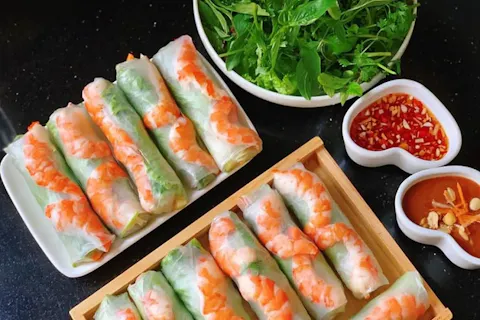
Gỏi Cuốn is a popular Vietnamese dish made by wrapping fresh shrimp, pork, rice vermicelli, herbs, and vegetables in soft rice paper. Unlike fried spring rolls, these fresh rolls are served without deep-frying, allowing the natural flavors and textures of the ingredients to stand out. They are commonly paired with hoisin-peanut sauce or a savory Vietnamese dipping sauce. Light, fresh, and easy to eat, Gỏi Cuốn is enjoyed throughout Vietnam and is a popular introduction to Vietnamese cuisine for travelers seeking a refreshing local dish.
Bánh Bèo: Vietnam's Savory Steamed Rice Cakes
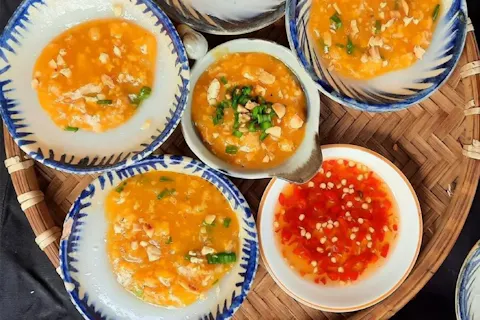
Bánh Bèo is a traditional Vietnamese dish made from small, delicate steamed rice cakes topped with savory ingredients such as dried shrimp, scallions, crispy pork skin, and fried shallots. Served with a flavorful Vietnamese fish sauce, these bite-sized cakes combine soft rice texture with crunchy, savory toppings and a balanced sweet-salty flavor. Especially popular in Central Vietnam, Bánh Bèo is closely associated with Hue and is commonly enjoyed as a snack, appetizer, or light meal. Discover its ingredients, history, regional variations, and traditional ways to enjoy it.
Bánh Tráng Trộn: Vietnam's Rice Paper Salad
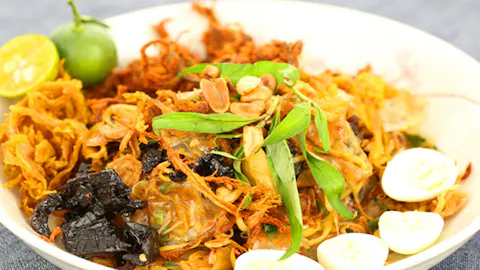
Bánh Tráng Trộn is a popular Vietnamese street food made with strips of soft rice paper mixed with dried shrimp, shredded green mango, quail eggs, Vietnamese herbs, chili, peanuts, and savory seasonings. Often finished with kumquat juice and chili oil, the snack combines chewy, crunchy, sour, spicy, salty, and savory flavors in every bite. Especially popular among young people and street food lovers, Bánh Tráng Trộn is commonly sold at roadside stalls and casual snack shops throughout Vietnam, particularly in Ho Chi Minh City.
Balut (Hột Vịt Lộn)
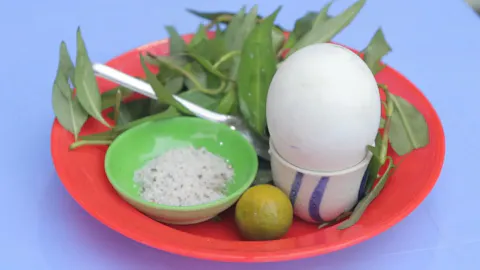
Balut, known locally as Hột Vịt Lộn, is one of Vietnam’s most iconic and adventurous street foods. Made from a fertilized duck egg that is carefully incubated before being boiled, it is enjoyed by locals as a nutritious snack or light meal. Served with Vietnamese coriander, salt, pepper, lime, and sometimes ginger, Balut offers a rich flavor and deep cultural significance. Go Visit Vietnam introduces everything you need to know before trying this unforgettable Vietnamese delicacy.