
- Destinations
Northern Vietnam
Central Vietnam
- Attractions
Categories
World Heritage
Historical & Cultural
- Things To Do
Categories
Outdoor Adventures
- Food & Drink
Categories
Vietnamese Dishes
- Travel & Planning
Categories
- Inspiration
Categories
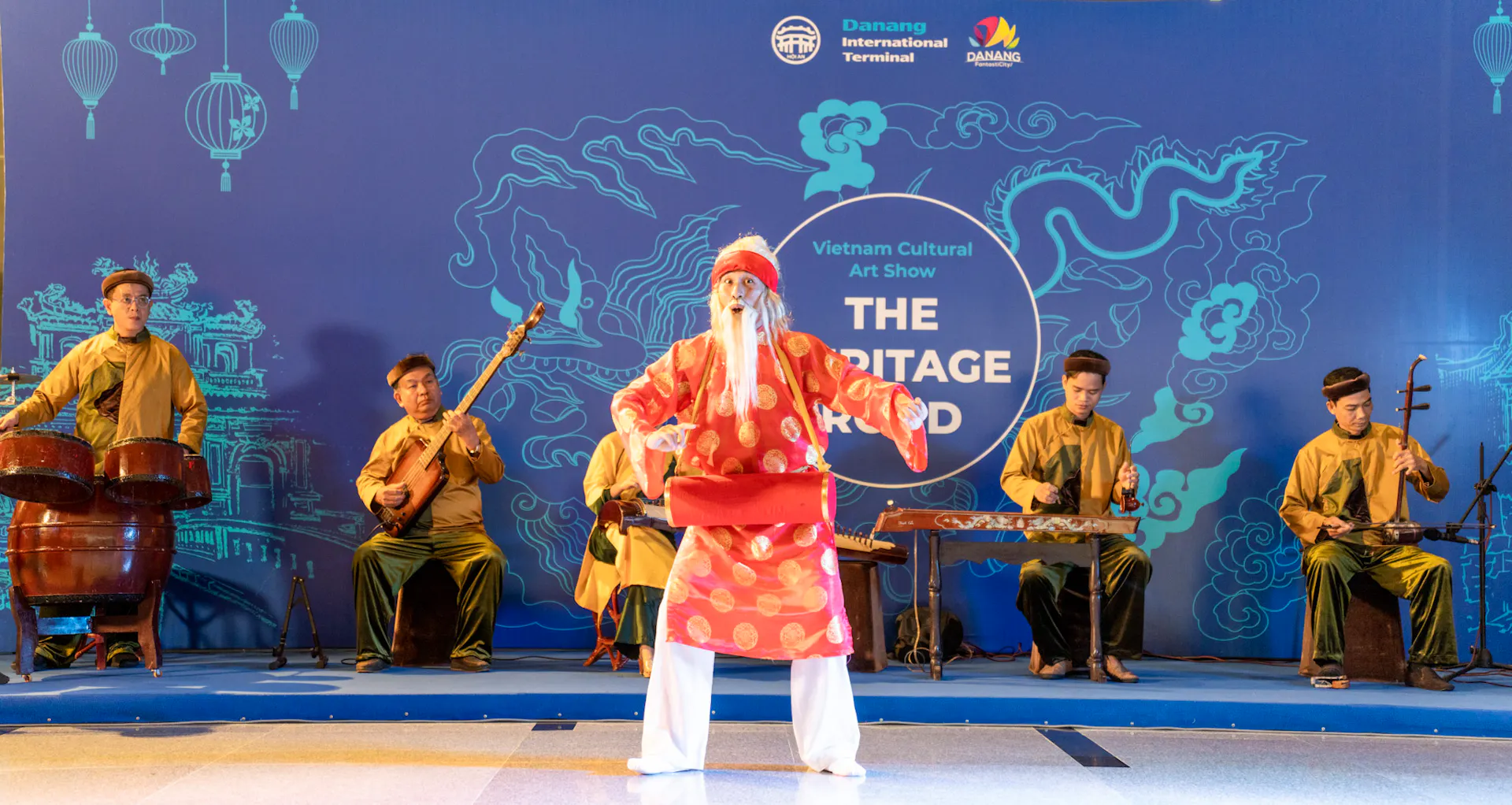
Discover authentic cultural experiences in Vietnam through traditional food, local markets, craft villages, festivals, coffee and tea culture, traditional arts, and everyday community life. From exploring historic traditions in Hanoi and Hue to visiting craft villages near Hoi An and experiencing local life in the northern mountains, Vietnam offers travelers many ways to connect with its diverse heritage. This guide highlights meaningful cultural activities, regional traditions, practical etiquette, and responsible ways to experience Vietnamese culture during your journey.
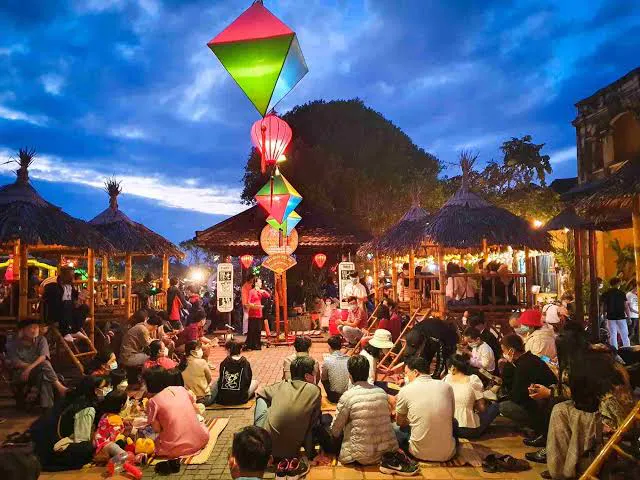
Vietnam’s culture is shaped by thousands of years of history, regional traditions, family customs, local communities, and influences from different civilizations. For travelers, experiencing Vietnamese culture goes beyond visiting historical landmarks. It can mean sharing a meal with a local family, exploring a busy traditional market, learning how to make a traditional craft, watching a cultural performance, joining a festival, or simply observing everyday life in a neighborhood. These experiences offer a more personal way to understand the people, traditions, and values that shape Vietnam.
Across Northern Vietnam, travelers can discover a rich mix of ancient traditions, craft villages, mountain communities, and historic neighborhoods. Hanoi provides opportunities to experience traditional markets, street food culture, coffee traditions, temples, and performing arts. In destinations such as Ha Giang, Sapa, and Cao Bang, travelers can learn about local communities, traditional crafts, village life, and regional customs through respectful homestays and community-based experiences.
Central Vietnam offers a different cultural perspective. Hue is closely associated with imperial heritage, traditional cuisine, royal traditions, and classical arts, while Hoi An combines historic architecture with local food, lantern traditions, handicrafts, and nearby village communities. The region also provides opportunities to learn about Cham cultural heritage and traditional coastal lifestyles.
In Southern Vietnam, cultural experiences are often connected to river life, markets, food, and community traditions. Travelers exploring Ho Chi Minh City can experience a dynamic combination of modern urban culture and long-established local customs, while the Mekong Delta offers opportunities to discover waterways, floating markets, family-run businesses, traditional food production, and rural communities.
Cultural experiences can also be tailored to different travel styles. Food lovers may join cooking classes or market tours, families can explore craft workshops and traditional performances, and slow travelers may prefer village homestays or local cultural activities. Wherever you travel, approaching local traditions with curiosity and respect helps create more meaningful connections while supporting communities and preserving Vietnam’s cultural heritage.
Immerse yourself in Vietnam's rich cultural heritage through traditional festivals, ancient temples, historic landmarks, local villages, museums, craft workshops, authentic cuisine, and everyday customs. Discover meaningful experiences that reveal the history, traditions, and vibrant spirit of Vietnam beyond its famous attractions.
Some of the best cultural experiences in Vietnam include exploring traditional markets, visiting craft villages, joining local cooking classes, watching water puppetry, experiencing Vietnamese coffee culture, staying with local families, attending traditional festivals, and learning about everyday customs and traditions.
You can experience Vietnamese culture by eating at local restaurants and markets, joining a cooking class, visiting traditional craft villages, attending cultural performances, staying in a local homestay, exploring historic neighborhoods, and interacting respectfully with local communities.
Authentic experiences can include visiting local markets, learning traditional crafts, sharing meals with local families, exploring rural villages, drinking Vietnamese coffee at a traditional café, attending community events, and experiencing local customs away from major tourist attractions.
Cultural experiences are available throughout Vietnam. Hanoi and northern Vietnam are known for historic traditions, markets, craft villages, and mountain communities. Hue and Hoi An offer rich heritage and traditional arts, while southern Vietnam provides experiences connected to urban life, the Mekong Delta, food, markets, and river communities.
In Hanoi, travelers can explore the Old Quarter, visit traditional markets, experience Vietnamese coffee culture, try local street food, watch water puppetry, visit historic sites, and discover traditional craft villages around the city.
Hue offers opportunities to experience Vietnam’s imperial heritage, traditional cuisine, classical music, historic architecture, royal traditions, pagodas, and local cultural practices. Travelers can combine visits to heritage sites with food and arts experiences.
Hoi An offers a variety of cultural experiences, including exploring the historic town, visiting traditional craft workshops, taking cooking classes, learning about local food traditions, visiting nearby villages, and exploring the cultural heritage of the surrounding region.
Yes. Northern destinations such as Ha Giang, Sapa, and Cao Bang offer opportunities to experience village life through responsible homestays, local meals, traditional crafts, markets, and community activities. Travelers should respect local customs and ask permission before photographing people or private spaces.
Families can enjoy cultural experiences such as water puppet shows, traditional craft workshops, cooking classes, food tours, local markets, and easy village visits. These activities can introduce children to Vietnamese traditions in an interactive and enjoyable way.
Advertising box