
- Destinations
Northern Vietnam
Central Vietnam
- Attractions
Categories
World Heritage
Historical & Cultural
- Things To Do
Categories
Outdoor Adventures
- Food & Drink
Categories
Vietnamese Dishes
- Travel & Planning
Categories
- Inspiration
Categories
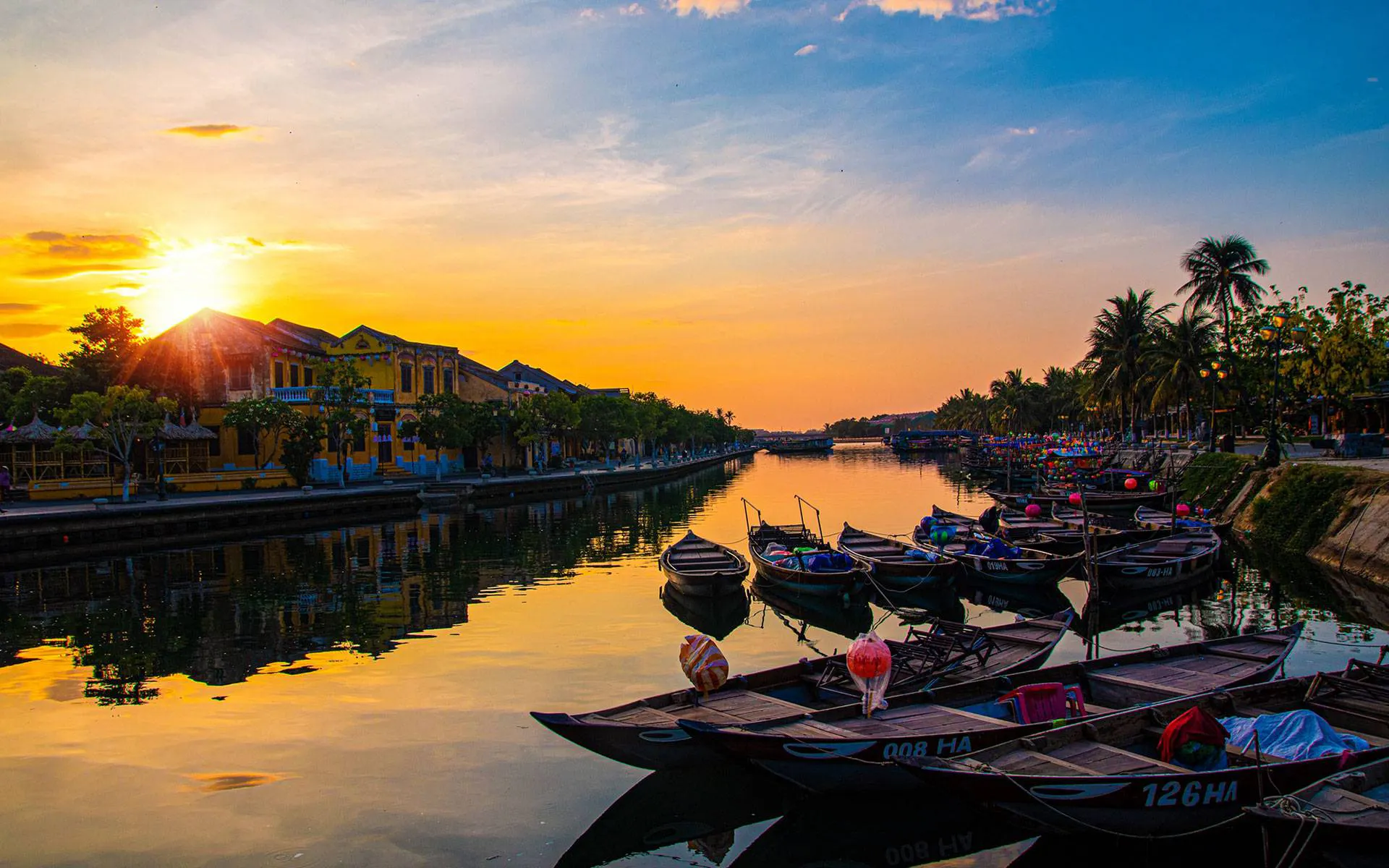
Explore Vietnam by season with practical travel guides covering weather, regional climate differences, beaches, hiking, festivals, food, and seasonal activities. From the cooler mountains of northern Vietnam to the tropical beaches and islands of the south, each season offers different experiences. Discover how weather changes across the country, when to plan outdoor adventures, which destinations suit different travel periods, and how to prepare for your trip. Use these seasonal guides to build a Vietnam itinerary that matches your interests, destinations, and travel dates.
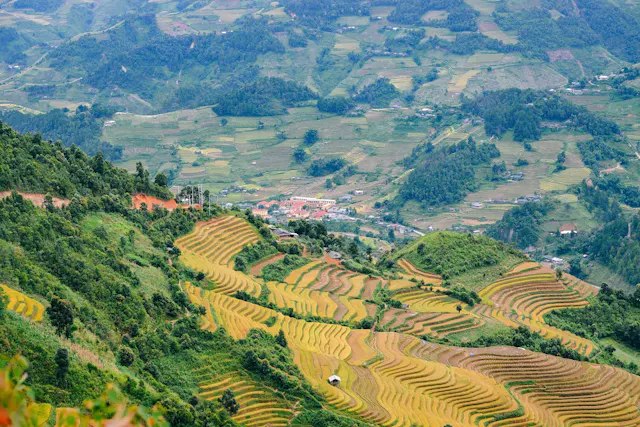
Vietnam is a year-round destination, but the best travel experience can vary significantly depending on the season, region, and activities you have in mind. Stretching from the mountains of the north to the tropical islands of the south, Vietnam covers a long geographic area with several distinct climate patterns. This means the weather you experience in Hanoi may be very different from what you find in Da Nang, Hoi An, or Ho Chi Minh City at the same time of year.
Understanding Vietnam's seasons can help you make better decisions when planning your itinerary. Northern Vietnam experiences the most noticeable seasonal changes, with cooler winters, warm springs, hot summers, and pleasant autumn periods. Central Vietnam has its own rainfall patterns, with generally drier conditions during much of the spring and summer before wetter weather arrives later in the year. Southern Vietnam remains warm and tropical throughout the year, with a clearer distinction between dry and rainy seasons.
Seasonal planning is about more than checking the weather forecast. Different times of year can be better suited to different travel experiences. Beach destinations may offer calmer seas and sunnier conditions during their local dry season, while northern mountain destinations can be particularly rewarding during trekking or rice harvest periods. Festivals, local events, seasonal produce, and cultural celebrations can also influence when you choose to visit.
Your ideal travel season ultimately depends on your destination and priorities. A traveler planning a multi-region journey may choose shoulder-season months for a balance of weather and fewer crowds, while someone focused on beaches, trekking, food, or festivals may benefit from selecting specific months for those experiences.
These Seasonal Guides for Vietnam bring together practical information about weather by region, travel by season, outdoor activities, beaches and islands, festivals, local food, and monthly travel conditions. Use them alongside our detailed destination and travel-planning guides to build an itinerary that fits your interests, schedule, and preferred travel experience.
Discover the best places to visit in Vietnam throughout the year with expert seasonal travel guides. Explore weather insights, regional highlights, festivals, packing tips, and recommended activities for every season, helping you choose the perfect time to experience Vietnam at its very best.
July and August bring Vietnam's warmest temperatures, vibrant green landscapes, and occasional tropical showers. While some regions experience monsoon rains, others enjoy sunny beaches and spectacular natural scenery. This guide explains regional weather patterns, highlights the best destinations to visit during summer, and provides practical advice on avoiding heavy rain, staying comfortable in the heat, and planning flexible itineraries. With the right preparation, Vietnam's summer can be an exciting season filled with unique travel experiences.

February is one of the most exciting months to visit Vietnam, combining pleasant weather with the vibrant atmosphere of the Lunar New Year season. Depending on the year, Tet celebrations may influence transportation, opening hours, and accommodation availability, making advance planning essential. This guide explains Vietnam's February weather by region, how Tet affects travel, the best destinations to visit, and recommended routes so you can enjoy cultural festivals, stunning landscapes, delicious food, and unforgettable experiences throughout the country.
Tet, Vietnam's Lunar New Year, is the country's most important holiday and one of its most fascinating cultural experiences. While colorful festivals, family traditions, flower markets, and festive decorations create a unique atmosphere, travelers should also prepare for business closures, busy transportation, and limited services. This guide explains what to expect during Tet, how to plan ahead, where to experience the celebrations, and practical tips to help you enjoy Vietnam's biggest annual festival with confidence.

Ten days is enough to experience many of Vietnam's highlights—if you plan your itinerary wisely. This practical guide helps first-time visitors choose the best route, balance travel time with sightseeing, and discover the country's most rewarding destinations. Whether you're interested in culture, nature, beaches, or food, you'll find realistic itinerary ideas, transportation advice, budgeting tips, and essential travel recommendations to help you enjoy an unforgettable 10-day adventure across Vietnam without feeling rushed.

Discover the best time to visit Vietnam with a practical month-by-month weather guide covering northern, central, and southern Vietnam. Learn which months offer the best conditions for beaches, trekking, sightseeing, cultural experiences, and a north-to-south itinerary. Find out when Vietnam’s rainy and dry seasons occur, how weather varies by region, and which months are best for different types of travelers. Use this guide to choose the right travel season and plan a more comfortable Vietnam trip.
There is no single best season for the entire country because Vietnam has different weather patterns in the north, central, and south. Generally, spring and autumn can offer favorable conditions for traveling across multiple regions, but the best time depends on your destinations and planned activities.
Northern Vietnam experiences four more noticeable seasons: spring, summer, autumn, and winter. Central and southern Vietnam have more tropical weather patterns, with temperature and rainfall varying according to regional monsoon cycles.
The rainy season varies by region. Southern Vietnam generally has wetter conditions from around May through November, while central Vietnam typically receives more rainfall later in the year. Northern Vietnam has hot, humid summers with frequent rainfall.
The best beach season depends on the destination. Central and southern coastal areas can have different dry and rainy periods, so travelers should check the weather for specific destinations such as Da Nang, Hoi An, Nha Trang, Phu Quoc, and Quy Nhon before booking.
Cooler and relatively dry periods are generally more comfortable for trekking. Northern mountain destinations such as Sapa and Ha Giang can have very different conditions throughout the year, so check local weather and trail conditions before starting a trek.
Yes. Rainy-season travel can still be rewarding, particularly because showers are often regional and may occur for only part of the day. Travelers can enjoy lower visitor numbers, lush landscapes, and seasonal experiences while planning flexible outdoor activities.
Pack lightweight, breathable clothing for hot and humid areas, along with comfortable walking shoes and sun protection. A compact rain jacket or umbrella is useful during wetter months. If visiting northern mountains during cooler periods, bring additional layers.
For a north-to-south itinerary, shoulder-season periods can provide a useful balance between weather conditions across different regions. However, conditions can vary considerably, so plan your route around the destinations and activities that matter most to you.
Yes. Regional differences are one of the most important things to understand when planning a Vietnam trip. Northern Vietnam has the strongest seasonal variation, central Vietnam has distinctive rainy and dry periods, while southern Vietnam remains warm throughout the year with distinct dry and wet seasons.
Our seasonal guides provide an overview of Vietnam's weather patterns and travel conditions throughout the year. For more detailed monthly planning, see the Vietnam Weather by Month guide and destination-specific travel guides before finalizing your itinerary.
Advertising box