
- Destinations
Northern Vietnam
Central Vietnam
- Attractions
Categories
World Heritage
Historical & Cultural
- Things To Do
Categories
Outdoor Adventures
- Food & Drink
Categories
Vietnamese Dishes
- Travel & Planning
Categories
- Inspiration
Categories
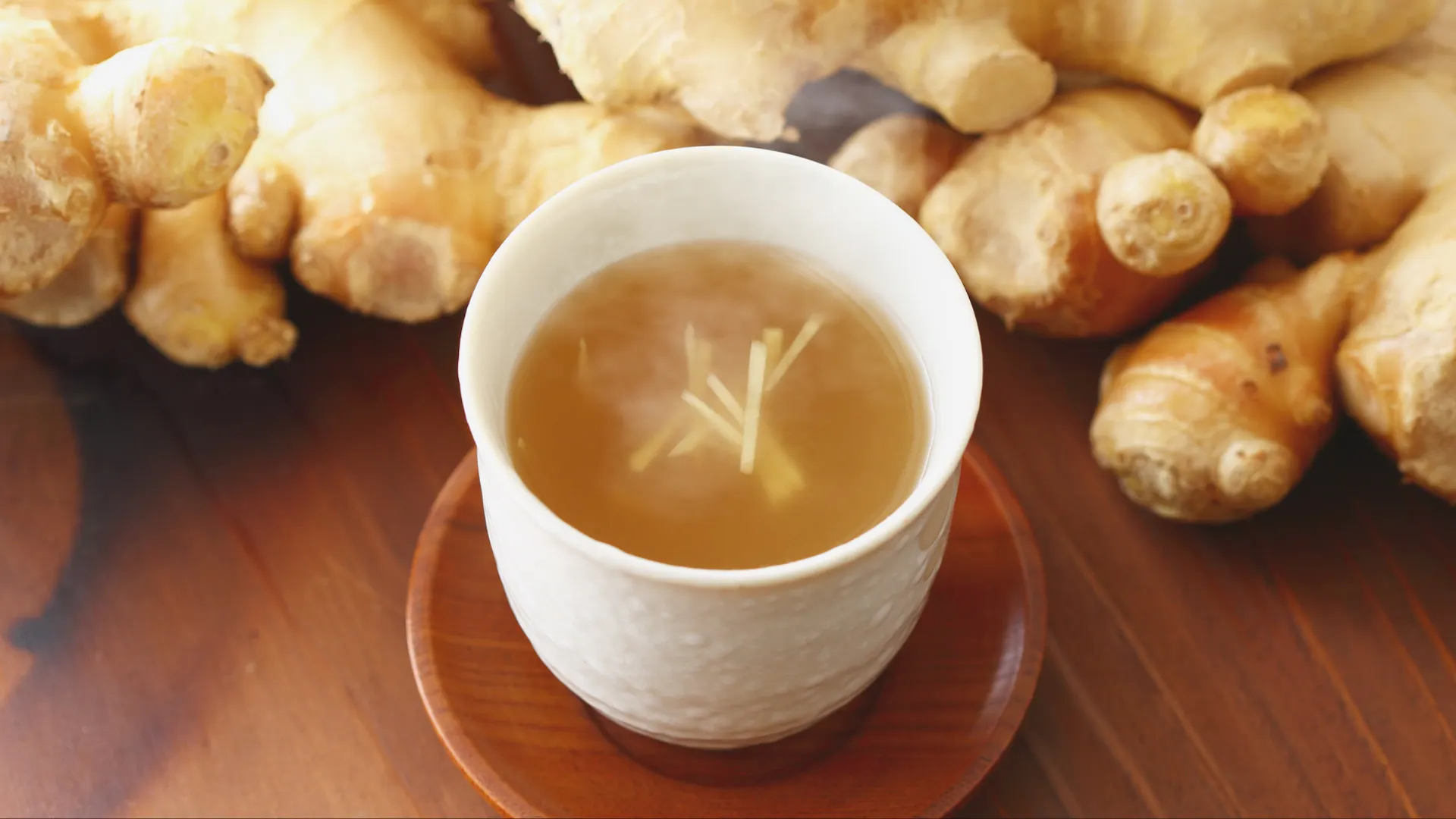
Discover the local drinks of Vietnam, from refreshing sugarcane juice and fresh coconut water to tropical fruit smoothies, herbal beverages, and traditional drinks. Explore popular Vietnamese beverages, learn how local drinks vary across northern, central, and southern Vietnam, and find out where travelers can experience authentic drinks at markets, street stalls, cafés, and local shops. Whether you are exploring Hanoi, Hue, Ho Chi Minh City, or the Mekong Delta, trying local drinks offers a simple and flavorful way to experience everyday Vietnamese culture.
Local drinks are an important part of everyday life in Vietnam, offering travelers an easy and flavorful way to experience the country's tropical ingredients, regional traditions, and vibrant street culture. Beyond the internationally recognized Vietnamese coffee and tea, Vietnam has a diverse range of beverages made from fresh fruit, sugarcane, coconut, herbs, beans, and other locally available ingredients. These drinks can be found everywhere from busy street stalls and traditional markets to neighborhood cafés, family-run shops, and restaurants.
Vietnam's tropical climate provides an abundance of fresh ingredients for refreshing beverages. Sugarcane juice, or nước mía, is one of the country's most familiar street drinks and is often served freshly pressed over ice. Fresh coconut water is especially popular in southern and coastal areas, where coconuts are widely cultivated. Travelers can also find colorful fruit juices and smoothies made with mango, avocado, passion fruit, watermelon, dragon fruit, pineapple, and other seasonal produce.
Traditional and herbal beverages add another dimension to Vietnamese drink culture. Pennywort juice, known as nước rau má, is commonly enjoyed as a refreshing local drink, while soy milk and various herbal or bean-based beverages are popular in different communities. Some drinks are strongly associated with particular regions because local agriculture and climate influence which ingredients are readily available.
Regional differences are particularly noticeable when exploring local drinks. Northern Vietnam has a strong tradition of tea and neighborhood beverages, while Central Vietnam offers distinctive local drinks influenced by its food culture and climate. Southern Vietnam and the Mekong Delta are especially rich in tropical fruits, coconuts, sugarcane, and other ingredients used in refreshing beverages.
For travelers, discovering local drinks is not simply about finding something to quench your thirst. Visiting a market, ordering a freshly prepared juice from a street vendor, or enjoying a cold drink while watching daily life unfold can become part of the travel experience. Exploring local beverages also provides a simple way to discover Vietnam's regional flavors and connect with the country's everyday food culture.
Explore Vietnam's rich beverage culture through traditional coffee, fragrant teas, tropical fruit juices, herbal drinks, rice wine, and refreshing regional specialties. Discover the unique flavors, local traditions, and must-try drinks that accompany every unforgettable journey across Vietnam.
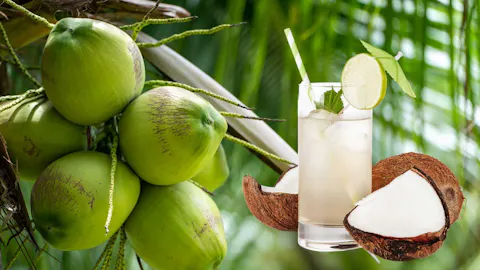
Fresh coconut water is one of the simplest and most refreshing drinks to enjoy in Vietnam. Served directly from young green coconuts, it offers a naturally sweet, mildly floral flavor and is especially popular in hot weather. Travelers can find fresh coconut water at local markets, street stalls, restaurants, beaches, and roadside vendors across the country. Discover how coconut water is served in Vietnam, where to try it, what it tastes like, and why it is a favorite tropical drink.
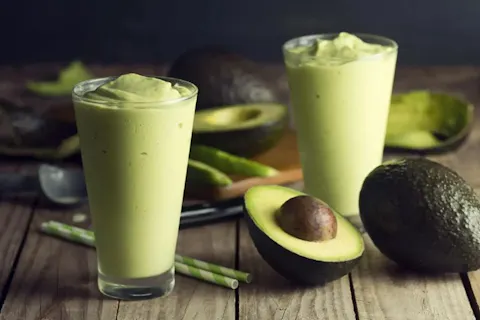
Sinh Tố Bơ is a popular Vietnamese avocado smoothie made by blending ripe avocado with milk, sweetened condensed milk, and ice. Rich, creamy, and naturally buttery, this refreshing drink combines the mild flavor of avocado with a touch of sweetness. Found at street drink stalls, local cafés, juice shops, and dessert shops throughout Vietnam, Sinh Tố Bơ is a favorite tropical beverage among locals and visitors. Discover its ingredients, preparation, flavor, popular variations, and why this creamy avocado smoothie is a must-try Vietnamese drink.
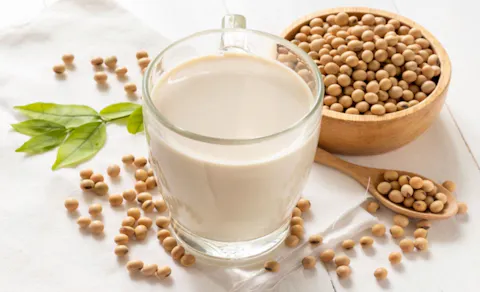
Sữa Đậu Nành is a popular Vietnamese soy milk drink made from freshly prepared soybeans, water, and often sugar. It is commonly served warm or chilled at local markets, street stalls, breakfast shops, and casual drink vendors throughout Vietnam. Smooth, creamy, and mildly nutty, Vietnamese soy milk is enjoyed as an affordable everyday beverage and can be paired with traditional snacks or breakfast foods. Some vendors offer variations flavored with pandan, sesame, or other ingredients, adding new aromas and textures to this familiar Vietnamese drink.
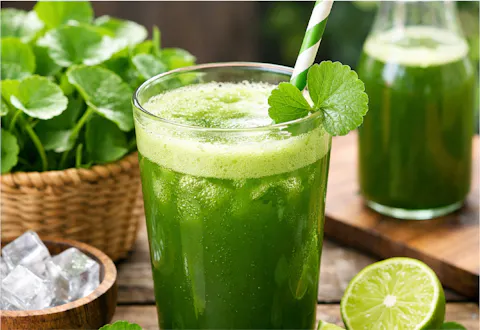
Nước Rau Má is a refreshing Vietnamese drink made by blending fresh pennywort, also known as gotu kola, with water and often sugar or ice. Popular at street drink stalls, local markets, and casual juice shops, it has a distinctive green color and a fresh, mildly grassy flavor. Some versions are combined with coconut water, mung beans, or other ingredients for extra sweetness and texture. Widely enjoyed across Vietnam, Nước Rau Má is a simple introduction to the country's diverse tradition of fresh herbal and plant-based beverages.
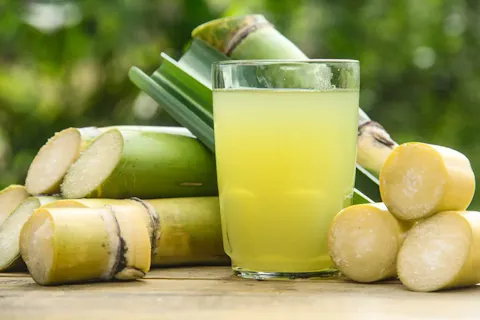
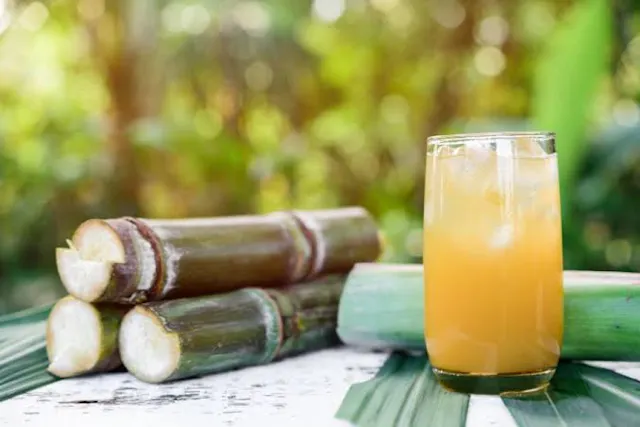
Nước Mía is Vietnam's popular fresh sugarcane juice, made by pressing sugarcane stalks through a specialized machine to extract a naturally sweet and refreshing drink. It is commonly served chilled over ice, sometimes with a splash of lime or kumquat juice to add a bright citrus flavor. Widely available at street stalls, markets, and casual drink shops across Vietnam, Nước Mía is an affordable way to cool down in the tropical climate. Discover its ingredients, preparation, flavor, cultural popularity, and where to try it.
Some of the most popular Vietnamese local drinks include sugarcane juice, fresh coconut water, fruit smoothies, fresh fruit juices, pennywort juice, soy milk, and traditional herbal drinks. Availability varies by region and season.
Travelers should consider trying nước mía (sugarcane juice), nước dừa (fresh coconut water), sinh tố bơ (avocado smoothie), nước ép trái cây (fresh fruit juice), and nước rau má (pennywort juice). These drinks provide a good introduction to Vietnam's tropical ingredients and everyday beverage culture.
Vietnamese sugarcane juice, known as nước mía, is made by pressing fresh sugarcane through a mechanical juicer. It is usually served cold, often over ice, and may be combined with citrus or other ingredients for additional flavor.
Yes. Fresh coconut water is widely enjoyed in Vietnam, particularly in southern and coastal areas where coconuts are abundant. It is commonly served directly from a young coconut or poured over ice as a refreshing tropical drink.
Vietnamese fruit smoothies, known as sinh tố, are blended drinks made with fresh fruits and other ingredients. Popular versions include avocado, mango, banana, passion fruit, soursop, watermelon, and dragon fruit. Some are prepared with condensed milk or other sweeteners.
Pennywort juice, or nước rau má, is a traditional Vietnamese beverage made from pennywort leaves. It has a fresh, grassy flavor and is commonly served chilled. Some versions are blended with sugar, coconut milk, or other ingredients.
Vietnam has many beverages beyond coffee and tea, including sugarcane juice, coconut water, pennywort juice, soy milk, herbal drinks, bean-based beverages, and fresh fruit juices. These drinks are particularly common at local markets and street stalls.
Local drinks are widely available at street stalls, traditional markets, neighborhood cafés, fresh juice shops, restaurants, and small family-run businesses. Markets and street vendors can be particularly good places to see how local beverages are prepared and served.
Local drinks can be found throughout the country, but Ho Chi Minh City, the Mekong Delta, Hanoi, Hue, Da Nang, and coastal destinations offer many opportunities to explore regional beverages. Southern Vietnam is especially well known for tropical fruit and coconut-based drinks.
The Mekong Delta is rich in tropical fruits and coconut production, making fresh coconut water, sugarcane juice, fruit juices, smoothies, and other fruit-based beverages particularly common. Local markets and agricultural communities are good places to discover regional drinks.
Advertising box