
How to Eat Balut: A Step-by-Step Guide for First-Time Visitors
Master the art of eating balut (hột vịt lộn) like a local with this comprehensive step-by-step dining guide. Learn the proper technique for cracking the shell's air cell, sipping the warm, savory duck broth, and applying the essential pepper-lime salt dip (muối tiêu chanh). Discover how to pair creamy yolk and tender duck embryo with fresh rau răm (Vietnamese coriander) herbs, navigate table etiquette, and enjoy one of Vietnam’s most iconic street food rituals with confidence.
On this page
As twilight settles over the energetic streetscapes of Ho Chi Minh City, Hanoi, and the Mekong Delta, the clatter of porcelain spoons against small ceramic cups signals the start of an iconic evening ritual. Beneath the warm glow of incandescent bulbs at neighborhood street stalls, vendors serve steaming, porcelain-white shells directly from bubbling cauldrons, releasing a rich poultry-infused steam into the night air. For international travelers navigating Non nước Việt Nam, encountering hột vịt lộn—the fertilized duck egg—is often perceived as a ultimate test of culinary courage. However, viewing this beloved delicacy as an intimidating obstacle misses its true place in Southeast Asian foodways. Understanding how to eat balut transforms a potentially daunting encounter into an empowering, culturally fluent dining experience. By learning the precise mechanical steps, flavor balancing rules, and local table manners, travelers can move beyond hesitation and engage directly with an authentic culinary tradition. Mastering the traditional way to eat balut requires a thoughtful appreciation for tactile mechanics, rich poultry broths, sharp citrus dips, and fresh peppery herbs, serving as a gateway into the vibrant soul of Vietnamese street food culture.
Preparation, Tools, and the Anatomy of the Shell
Understanding the Tools Needed to Eat Balut
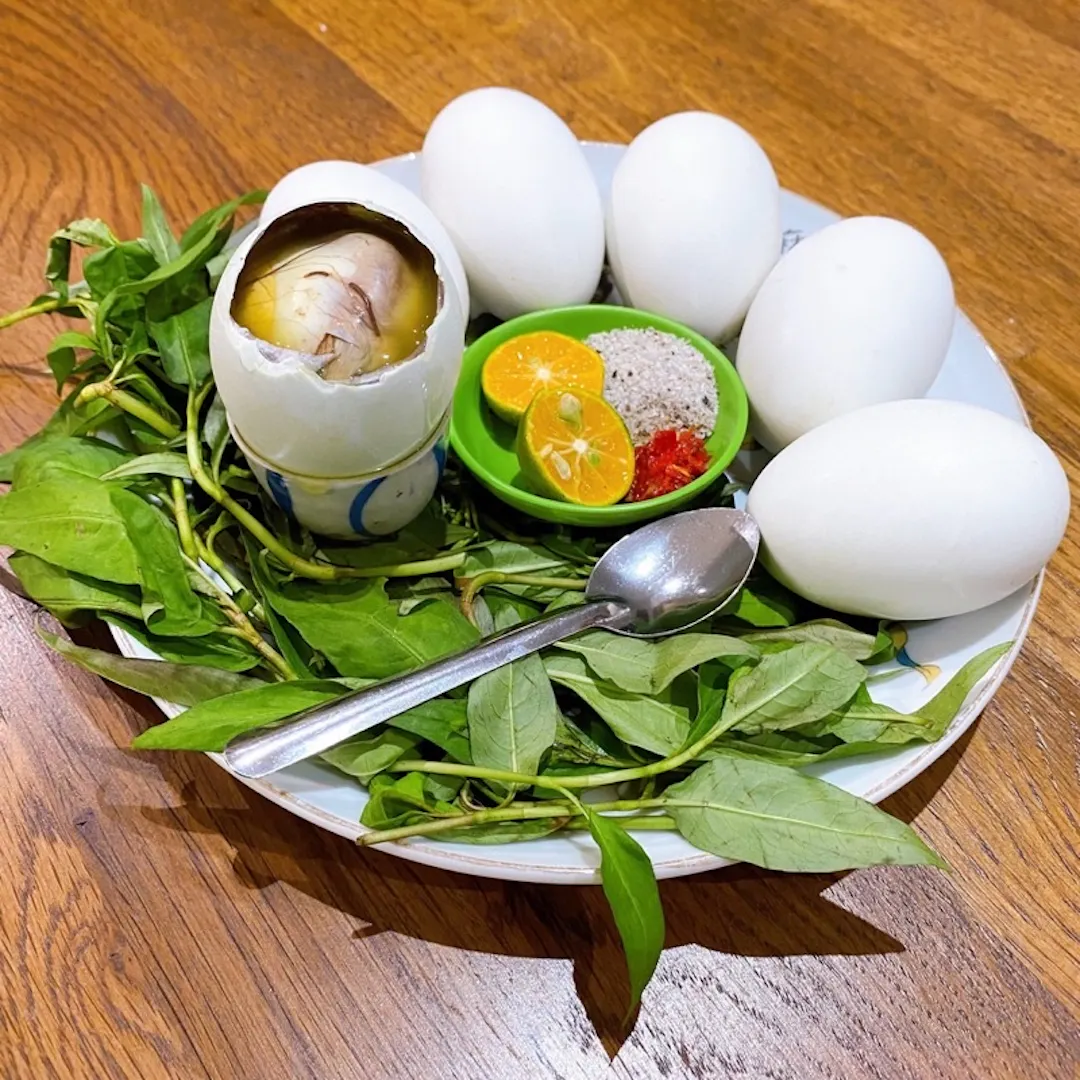
Approaching a street food stall to enjoy a fertilized duck egg begins with observing the simple, functional table setup provided by the vendor. Recognizing the specific tools needed to eat balut helps demystify the experience and ensures you handle the hot egg with confidence. When you place an order, the vendor will present a piping-hot egg alongside a specialized porcelain or plastic egg cup, designed to hold the egg perfectly vertical during consumption. Alongside this pedestal sits a small teaspoon or specialized flat-bowled ceramic spoon, a tiny dish containing dipping salt, a fresh lime wedge, and a generous basket of fresh herbs. Knowing how to handle exotic eggs requires recognizing that the shell acts as a natural, self-contained serving vessel that retains heat throughout the meal. Rather than peeling the entire shell away at once—which causes the precious internal broth to spill out—you treat the egg as a miniature soup bowl that remains upright in its holder from the first crack to the final bite.
How to Open a Balut Egg and Locate the Air Cell
Mastering how to crack and eat balut begins with identifying the correct end of the egg before making your initial crack. An egg possesses two distinct ends: a narrow, pointed tip and a broader, blunt base. The broad base houses a natural internal air cell where the rich, savory broth gathers during the boiling process. Following a proper step by step guide to eating balut, you must position the egg upright in its cup with the broad, blunt end facing directly toward you. Using the back of your spoon or a gentle tap against the table, strike the top of the blunt end with light, controlled pressure until a network of fine cracks forms across the upper crown. Gently pick away a small, circular disk of fractured shell about the size of a coin, taking care not to puncture the delicate inner membrane with your fingernails. Once the shell pieces are removed, carefully peel away the soft white membrane beneath to reveal the golden, steaming broth inside.
Savoring the Broth – The Liquid Preamble
Drinking Broth from Balut Safely and Elegantly
Once you have created a small opening at the top of the shell, you reach the most revered part of the dish: drinking broth from balut. Known in Vietnam as nước ngọt (sweet broth), this liquid is a natural duck stock formed as the amniotic fluid absorbs rich lipids, minerals, and proteins during the cooking process. To enjoy this liquid preamble without spilling or burning your fingers, raise the small egg cup directly to your lips, or use your small spoon to transfer the broth sip by sip into your mouth. The liquid delivers a rich, soothing flavor profile reminiscent of a long-simmered, highly concentrated duck consommé or bone broth. It is clean, deeply savory, and completely free of harsh or fishy undertones. Taking time to enjoy this hot broth first serves as an essential part of the proper way to eat balut, warming the palate and preparing your taste buds for the solid textures inside.
Temperature Control and Olfactory Appreciation
Consuming the broth while it is steaming hot is a fundamental principle of Vietnamese style balut eating. Heat keeps the natural lipids in the broth fully dissolved, creating a smooth, velvety mouthfeel and releasing a comforting aroma of roasted poultry and sweet corn. If you allow the egg to sit unopened for too long on the table, the broth cools, allowing the fats to congeal and dampening its rich, aromatic appeal. Paying attention to temperature ensures you experience the broth at its peak flavor clarity. As the rich steam rises from the opened shell, inhaling its warm, savory scent builds positive sensory expectations, proving that an authentic eating fertilized duck egg guide relies as much on aroma and temperature management as it does on technique.
Seasoning Mastery – The Condiment Symphony
Pairing Balut with Salt, Pepper, and Citrus
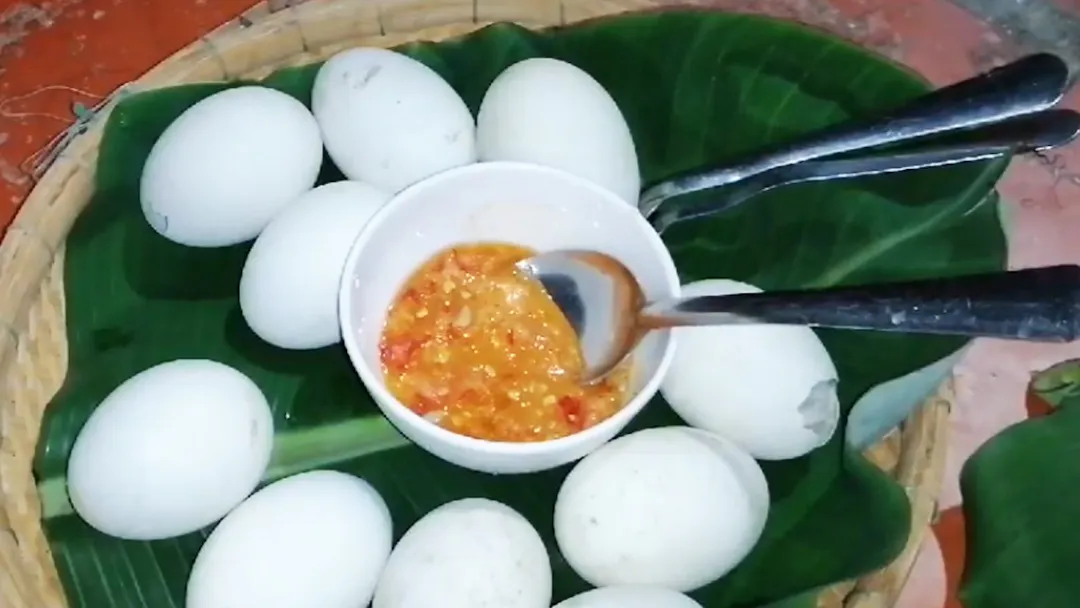
After sipping the warm broth, the next step is applying the proper seasoning for balut to balance the rich, dense core of yolk and embryo. In Vietnamese culinary tradition, richness is always balanced with bright acidity, sharp salt, and fresh herbs. Vendors provide a small saucer of muối tiêu chanh—a classic mixture of fine sea salt, coarse black pepper, fresh lime juice, and minced red chili. Understanding what condiments to eat with balut means mastering the ratio: squeeze the lime wedge over the salt and pepper mixture, stirring it with the tip of your spoon until a cloudy, tangy slurry forms. Using your spoon, transfer a small drop of this citrusy, peppery dip directly into the exposed opening of the egg. The bright acid of the lime cuts through the heavy fats of the yolk, while the sharp bite of black pepper complements the deep, umami-rich flavors of the meat, turning a simple egg into a dynamic, highly balanced dish.
Integrating the Best Herbs for Balut
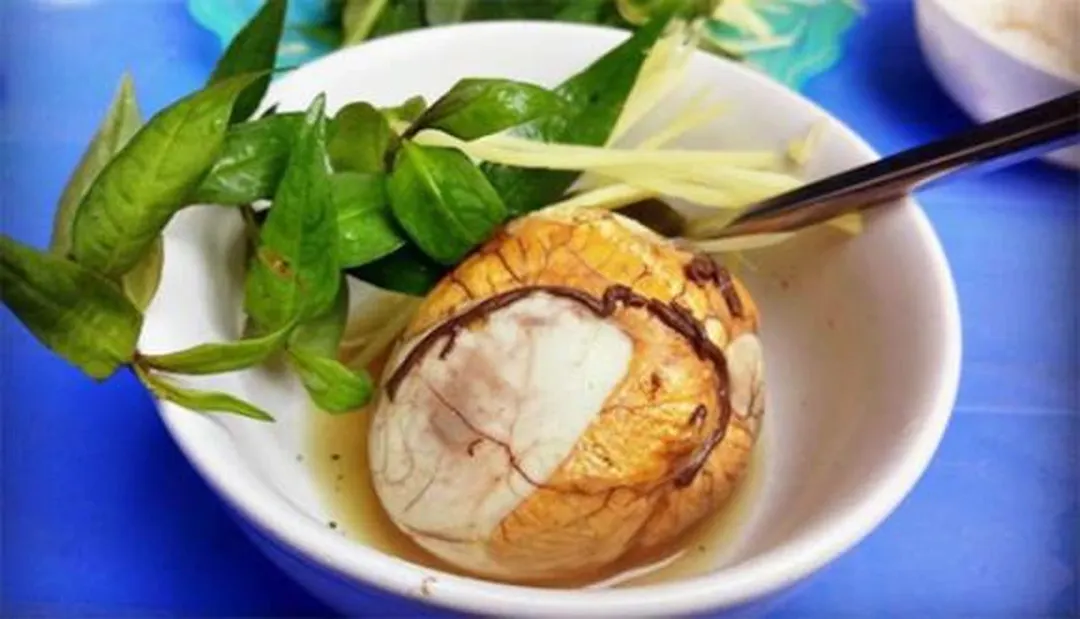
Equally vital to the flavor balance is selecting the best herbs for balut from the fresh basket at your table. In Vietnam, hột vịt lộn is always paired with rau răm (Vietnamese coriander or Vietnamese mint). This peppery, aromatic herb possesses a unique flavor profile featuring notes of coriander, citrus peel, and a mild, lingering bitterness. According to traditional medicine, the egg is rich and warming (bổ/âm), while rau răm is peppery and digestive (dương), creating a harmonious health pairing. To eat them together, tear off two or three fresh rau răm leaves and hold them in your hand. As you scoop out a bite of yolk or embryo with your spoon, place the fresh leaves directly onto the spoon or pop them into your mouth immediately after swallowing the bite. The peppery bite of the herb cleanses the palate, making each mouthful feel fresh, balanced, and deeply satisfying.
Consuming the Solid Core – Yolk and Embryo
Eating Duck Embryo Correctly and Mindfully
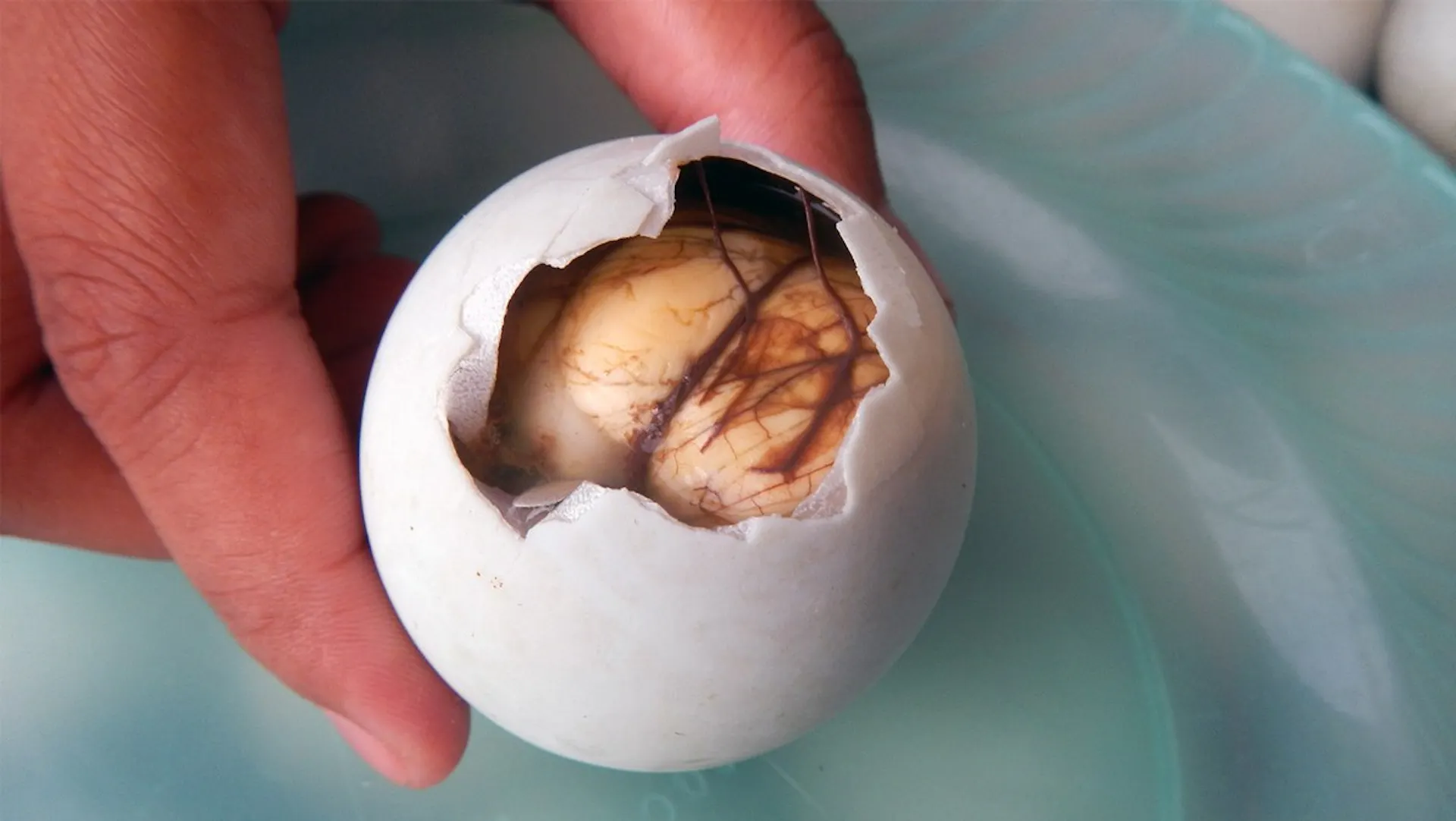
With the broth enjoyed and the seasonings added, you are ready to focus on eating duck embryo correctly. Use your spoon to gently expand the shell opening, revealing the internal structure of the egg. Inside, you will find two distinct components: the golden, creamy yolk and the tender, dark embryonic tissue. A practical beginner guide to eating balut encourages taking small, combined bites rather than separating the components. Scoop a small portion that includes both a piece of the buttery yolk and a section of the tender embryo, dipping it lightly into your lime-pepper salt before eating. In a traditional Vietnamese egg incubated for 19 to 21 days, the embryonic tissue is remarkably soft and tender, tasting like slow-braised duck leg or poached duck liver. The tiny, developing cartilage structures yield with a delicate, satisfying crunch rather than any hard bone resistance, blending smoothly with the velvety yolk.
Navigating Textures and Mental Preparation
For first-time eaters, overcoming visual hesitation is often the biggest hurdle to enjoying the dish. Essential tips for eating balut first time center on mindful pacing and focusing on flavor rather than appearance. Remember that millions of locals enjoy this delicacy daily because it is genuinely delicious, satisfying, and comforting. If seeing the embryo creates hesitation, simply scoop a combined bite of yolk, herb, and seasoning together, bringing it straight to your mouth without overanalyzing the visual details. At the very base of the shell, you will encounter a firm, white disk known as lòng trắng (the hard albumen). This portion is rubbery and offers very little flavor; while it is completely safe to eat, most locals choose to leave it behind at the bottom of the shell. Focusing your attention on the rich broth, creamy yolk, and tender meat ensures an enjoyable tasting experience from start to finish.
Street Food Etiquette and Cultural Integration
Mastering Street Food Etiquette in Vietnam
Navigating a local street stall involves following key rules of street food etiquette Vietnam that showcase respect for your hosts and dining neighbors. When sitting at busy street-side tables, space is shared and dining is efficiency-driven. As you finish your egg, place the empty shell fragments back into your small porcelain egg cup or onto the small side dish provided by the vendor; never drop broken eggshells directly onto the floor or table. Use the provided paper napkins to wipe your fingers and lips, placing used tissues into the small waste basket beneath your table. If you enjoyed the dish, a simple nod and a polite thank you in Vietnamese (Cảm ơn) to the vendor demonstrates warm appreciation for their craft. Engaging with local foodways with confidence, cleanliness, and cultural respect transforms a simple late-night snack into a memorable, authentic connection with Vietnamese street food culture.
Ultimately, mastering how to eat balut offers far more than a simple culinary story; it grants access to an authentic, time-honored aspect of Southeast Asian street food life. By following this structured approach—orienting the shell, cracking the blunt end, sipping the warm broth, seasoning with lime-pepper salt, and pairing each bite with fresh rau răm—you transform a potentially intimidating dish into an extraordinarily satisfying meal. The rich, golden broth, velvety yolk, and tender duck meat showcase the clever flavor balancing that defines Vietnamese gastronomy. The next time you find yourself sitting on a low plastic stool amidst the bustling night markets of Vietnam, set aside your hesitation, order a steaming hột vịt lộn, and enjoy one of the region's most iconic and comforting delicacies like a true local.
Read more: Balut (Hột Vịt Lộn)

By Roy Trinh
Editor
Roy Trinh is a travel writer and destination expert at Go Visit Vietnam, dedicated to helping travelers discover the beauty, culture, and diversity of Vietnam. Through well-researched travel guides, practical itineraries, local insights, and authentic recommendations, Roy shares valuable information to inspire memorable journeys across the country. From vibrant cities and breathtaking landscapes to regional cuisine and cultural heritage, every guide is created to help visitors experience Vietnam with confidence and curiosity.
Frequently Asked Questions - How to Eat Balut
Which end of the balut shell should I crack first?
Always crack the broader, blunter end of the egg first. This end contains an internal air cell where the hot, savory duck broth gathers during boiling. Cracking the narrow, pointed end instead will cause the liquid to leak onto your hands and table.
How do I sip the broth without burning myself or making a mess?
Keep the egg upright in its porcelain cup. After peeling back a small circle of shell and inner membrane at the top, bring the cup directly to your lips or use your small spoon to scoop out the broth. Sip slowly, as the liquid inside retains high heat directly from the boiling pot.
What is the purpose of the small dish of salt, pepper, and lime?
The dipping condiment—known in Vietnam as muối tiêu chanh—combines sea salt, black pepper, fresh lime juice, and chili. The bright acidity of the lime cuts through the dense fats of the yolk, while the pepper and salt highlight the natural umami notes of the duck meat.
Do I have to eat the hard white part at the bottom of the shell?
No. The dense, rubbery white disk at the bottom is the unconsumed albumen (lòng trắng). While completely safe to eat, it has a tough texture and very little flavor. Most locals leave this firm white base behind in the shell.
What should I do with the empty eggshell when I am finished?
Place the broken shell fragments back into your small porcelain egg cup or onto the small side dish provided by the vendor. Never leave eggshell pieces directly on the table or drop them on the floor. Throw used paper napkins into the waste bin under your table.
Advertising box
Explore More About Balut (Hột Vịt Lộn)
Discover everything you need to know about Balut (Hột Vịt Lộn), one of Vietnam's most iconic and intriguing street foods. Learn what balut is, how it's made, what it tastes like, how locals eat it, its nutritional value, and the cultural traditions behind this unique delicacy. Whether you're preparing to try balut for the first time or simply want to understand its place in Vietnamese cuisine, explore our expert guides covering every aspect of this unforgettable culinary experience.
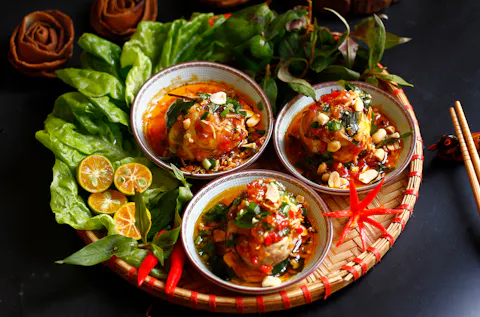
What Is Balut? Vietnam's Fertilized Duck Egg Explained
Discover the fascinating story behind balut—known in Vietnam as hột vịt lộn—one of Southeast Asia's most iconic and nutrient-dense street food delicacies. This comprehensive guide explores the precise incubation science of the fertilized duck egg, compares regional differences between Filipino and Vietnamese preparations, and breaks down the unique sensory blend of rich broth, creamy yolk, and tender embryo. Learn the traditional step-by-step etiquette for eating balut like a local alongside fresh herbs and pepper-lime dipping salt.
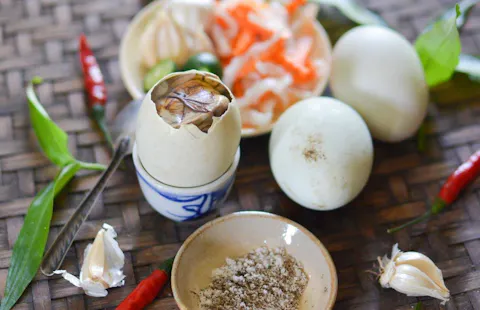
Is Balut Healthy? Nutrition, Benefits & Things to Know
Delve into the scientific and biochemical profile of one of Southeast Asia's most famous street food delicacies: the fertilized duck egg (hột vịt lộn). This comprehensive nutritional guide breaks down balut's caloric density, complete amino acid structure, high biological value protein, bio-available heme iron, and essential vitamins like A and B12. Explore its historical reputation as a vitality tonic alongside objective dietary considerations, including cholesterol management, microbial food safety, and ideal consumption protocols.
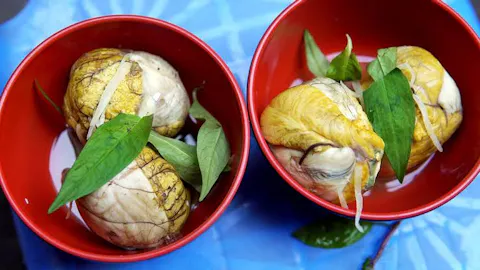
What Does Balut Taste Like? Flavor, Texture & What to Expect
Uncover the true taste profile of one of Southeast Asia's most intriguing street food delicacies: the fertilized duck egg (hột vịt lộn). Moving past visual expectations, this sensory guide deconstructs balut’s complex flavor layering—from its warm, savory poultry consommé broth and velvety, custard-like yolk to the tender, braised duck meatiness of the embryo. Learn how traditional accompaniments like peppery rau răm herbs and citrusy lime-pepper salt create a perfectly balanced, delicious culinary experience.
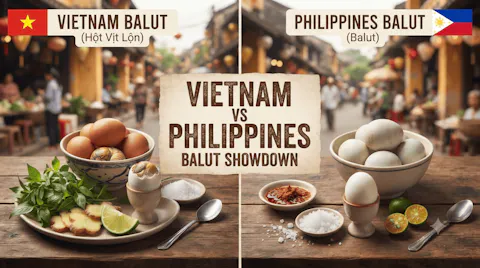
Vietnam Balut vs Philippines Balut: Key Differences Explained
Explore the fascinating comparative gastronomy between Vietnam’s hột vịt lộn and the Philippines' famous balut. This comprehensive guide breaks down the key differences between these two iconic street food traditions, analyzing incubation timelines (19–21 days in Vietnam vs. 16–18 days in the Philippines), sensory taste profiles, and textural variations. Learn how distinct seasoning philosophies—from Vietnamese lime-pepper salt (muối tiêu chanh) paired with peppery rau răm herbs to Filipino spiced vinegars—shape unique cultural dining rituals across Southeast Asia.
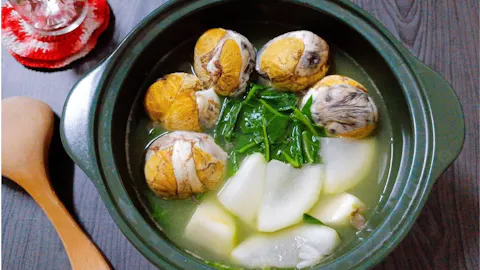
Balut Nutrition: Calories, Protein, Iron, Cholesterol & Health Benefits
Discover the nutrition profile of balut, including calories, protein, iron, cholesterol, fat, and other essential nutrients. This guide explains how much nutrition you can get from one balut egg, explores potential health benefits and dietary considerations, and answers common questions about whether balut is healthy. Learn what makes this traditional Vietnamese food distinctive, how its nutritional value compares with regular eggs, and what to consider when enjoying balut as part of a balanced diet and varied eating pattern in moderation.
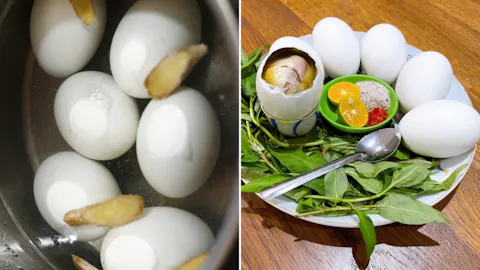
Balut Recipe: How to Cook & Eat Vietnamese Balut
Learn how to cook and enjoy balut, Vietnam’s famous fertilized duck egg, at home. This guide explains the essential ingredients, cooking time, traditional Vietnamese seasonings, and simple steps for serving balut with rau răm, ginger, salt, pepper, and lime. You’ll also discover what balut tastes like, how locals eat it, and popular variations such as hột vịt lộn xào me. Whether you’re curious about Vietnamese street food or want to recreate this traditional dish, this guide makes preparing balut simple and approachable.