
Visiting Vietnam in February: Weather, Tet Holiday Impact & Best Routes
February is one of the most exciting months to visit Vietnam, combining pleasant weather with the vibrant atmosphere of the Lunar New Year season. Depending on the year, Tet celebrations may influence transportation, opening hours, and accommodation availability, making advance planning essential. This guide explains Vietnam's February weather by region, how Tet affects travel, the best destinations to visit, and recommended routes so you can enjoy cultural festivals, stunning landscapes, delicious food, and unforgettable experiences throughout the country.

On this page
Stretching across sixteen hundred kilometers of vibrant coastline, fertile river deltas, and towering mountain ranges, Vietnam in the heart of late winter presents a dramatic, highly captivating meteorological tapestry. When considering visiting Vietnam in February, travelers step into a fascinating geographical landscape where northern mountain passes are routinely veiled in cinematic, mystical mists while southern tropical beaches bask in radiant, cloudless sunshine. February represents one of the absolute most dynamic, visually stunning, and culturally profound months of the entire year to experience the nation, provided that visitors master the complexities of its distinct regional microclimates and navigate the sweeping operational shifts of the Lunar New Year. By aligning your travel schedule with precise meteorological realities and anticipating national holiday logistics, you unlock an extraordinary journey that balances sublime outdoor exploration with deep, immersive encounters with local heritage across Non nước Việt Nam.
Decoding February Weather – A Three-Region Meteorological Guide
The Chilly, Misty North: Hanoi and the Highlands
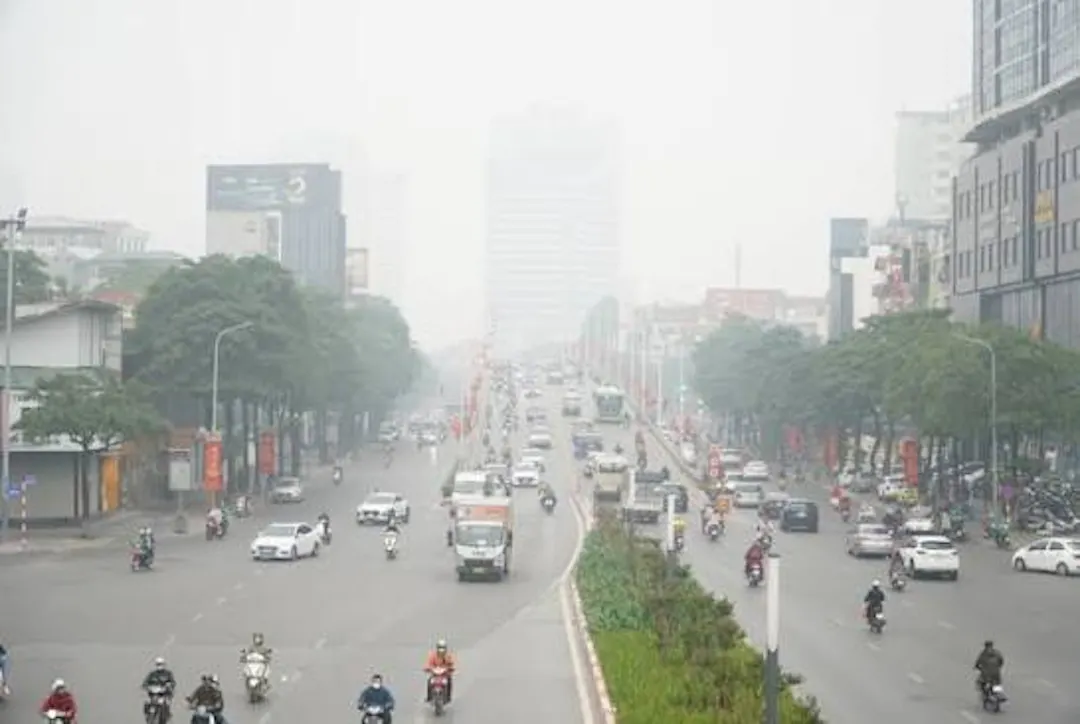
To truly appreciate the climatic diversity encountered when visiting Vietnam in February, one must analyze the unique atmospheric conditions prevailing across the northern provinces. Unlike the tropical south, Hanoi and the surrounding mountain sectors of Ha Giang and Sapa experience a true winter season during this month. Daytime temperatures in the capital hover comfortably around seventeen to twenty degrees Celsius, but the air is frequently saturated with a persistent, fine mist known locally as mưa phùn (drizzle), casting a moody, poetic veil over French colonial architecture and ancient temples. Heading further into the high-altitude frontier passes reveals significantly colder conditions, where temperatures can plummet toward freezing, requiring substantial technical outerwear. This cool, atmospheric climate makes urban exploration deeply atmospheric and romantic, especially when pausing at a sidewalk stall to sip piping-hot bowls of phở while protected from the damp chill by layers of warm wool.
The Stabilizing Central Corridor: Da Nang, Hue, and Hoi An
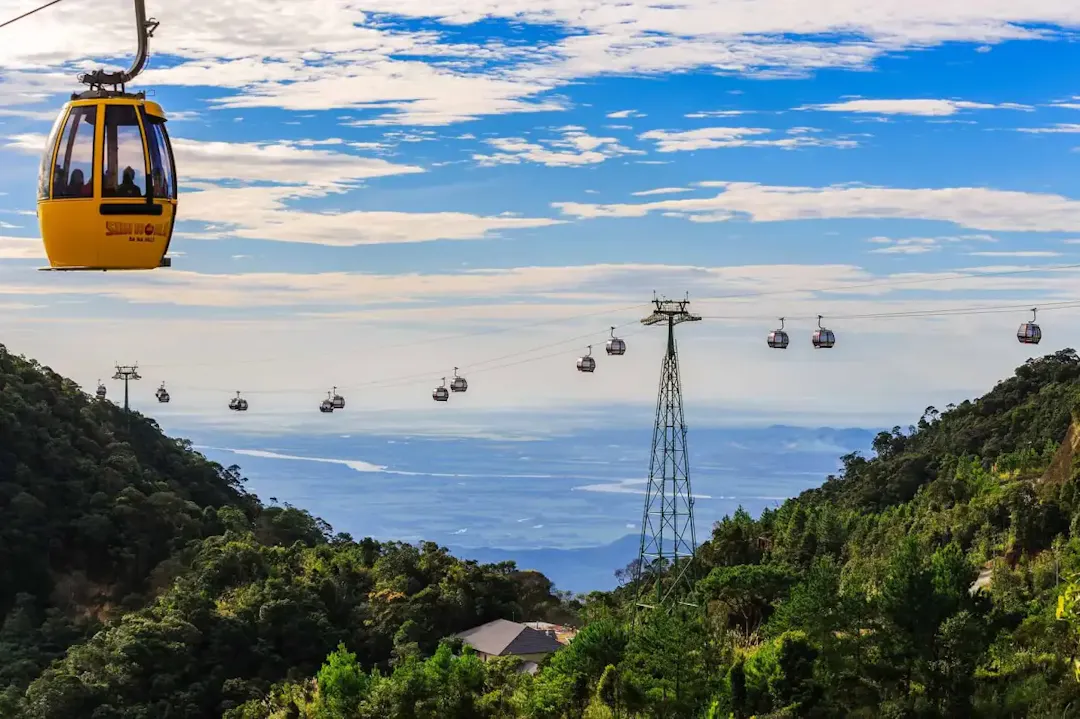
Transitioning southward down the narrow waist of the country into the Central Heritage Corridor reveals a much-welcomed meteorological shift as February progresses. During the late autumn and early winter months, this central coastal sector is routinely battered by heavy monsoonal rains and storms; however, by February, the weather patterns begin a decisive, stabilizing transition toward dry, comfortable conditions. While early February can still witness occasional overcast skies and passing ocean showers, the latter half of the month opens up expansive, highly reliable dry windows for heritage sightseeing. Temperatures moderate pleasantly into the mid-twenties, making it ideal for walking through the pedestrianized alleyways of Hoi An ancient town or exploring the monumental imperial citadel of Hue without the oppressive humidity that characterizes the peak summer months.
The Sun-Drenched South: Saigon and the Mekong Delta
Descending into the southern expanse provides a dramatic, sun-drenched contrast to the chilly mist of the North, establishing the ultimate tropical sanctuary for travelers visiting Vietnam in February. Ho Chi Minh City and the sprawling agrarian labyrinth of the Mekong Delta experience the absolute pinnacle of their dry season during this month. Humidity levels drop to their lowest annual averages, skies remain brilliantly blue and cloudless day after day, and daytime temperatures hover reliably around thirty degrees Celsius. This flawless meteorological stability creates pristine conditions for outdoor urban wandering, architectural photography, and navigating the bustling river distributaries on wooden sampans. The South offers a reliable, sun-soaked haven for those seeking to escape cold western winters entirely.

The Tet Holiday Factor – Navigating Lunar New Year in February
Understanding the Timing and Nationwide Closures
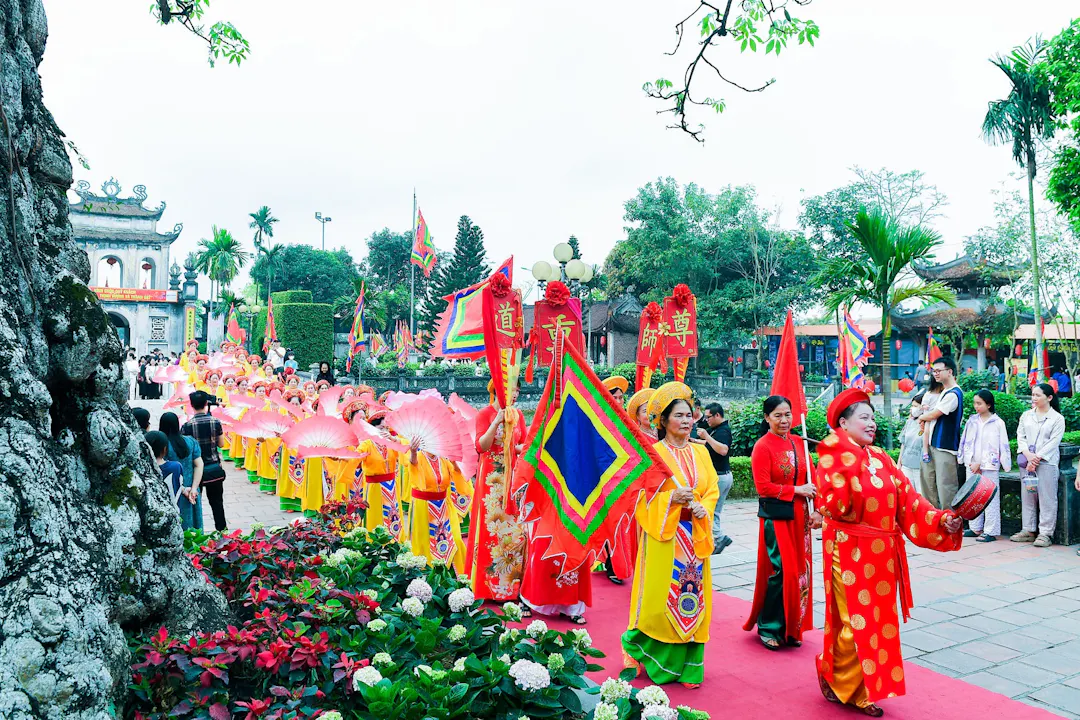
While the meteorological profile of February is undeniably alluring, anyone planning on visiting Vietnam in February must account for a monumental variable that frequently falls across this specific month: Tết Nguyên Đán (the Lunar New Year). Because the lunar calendar shifts annually, Tet frequently arrives during late January or throughout the weeks of February, instantly triggering the most significant cultural and logistical event of the national calendar. During the primary days of the festival, the country undergoes a sweeping operational transformation. Major metropolitan hubs slow down dramatically as millions of urban workers travel về quê (return to their hometowns) to reunite with their families, resulting in widespread, multi-day closures of local street food vendors, independent family-run restaurants, and traditional markets. For the unprepared tourist, this sudden vacuum of secular commerce requires careful advance provisioning to avoid logistical friction.
Strategic Planning Around the Holiday Migration
The weeks immediately preceding and following the Lunar New Year witness the largest domestic migration wave in Southeast Asia, creating severe logistical pressure across the nation's transport corridors. Domestic flights, reunification express trains (tàu hỏa), and long-distance sleeper buses routinely book out months in advance, often commanding heavily inflated holiday pricing and experiencing extreme schedule congestion. Consequently, expert travel strategists emphasize that visiting Vietnam in February requires meticulous advance planning. Travelers must secure their long-distance transit segments and accommodations well ahead of schedule, completely avoiding travel during the core days of the holiday migration window to ensure a smooth, stress-free progression across the country.
The Optimal February Itineraries – Maximizing Regional Highlights
Crafting a Weather-Resilient Route
Designing a weather-resilient fourteen-day itinerary for visiting Vietnam in February demands an intelligent route that leverages regional climate strengths while respecting holiday closures. A classic north-to-south traverse starting in Hanoi allows you to embrace the atmospheric winter chill of the capital before flying down to Da Nang as the central coastline enters its dry, comfortable transition phase. From there, you can explore the ancient merchant streets of Hoi An and take an overnight train or domestic flight down to Saigon and the Mekong Delta to bask in the glorious, cloudless tropical sunshine. This carefully calibrated linear trajectory ensures that your journey remains physically comfortable and visually stunning, bypassing regional weather vulnerabilities by placing you in the right latitude at the precise optimal meteorological window.
Coastal Escapes and Island Living
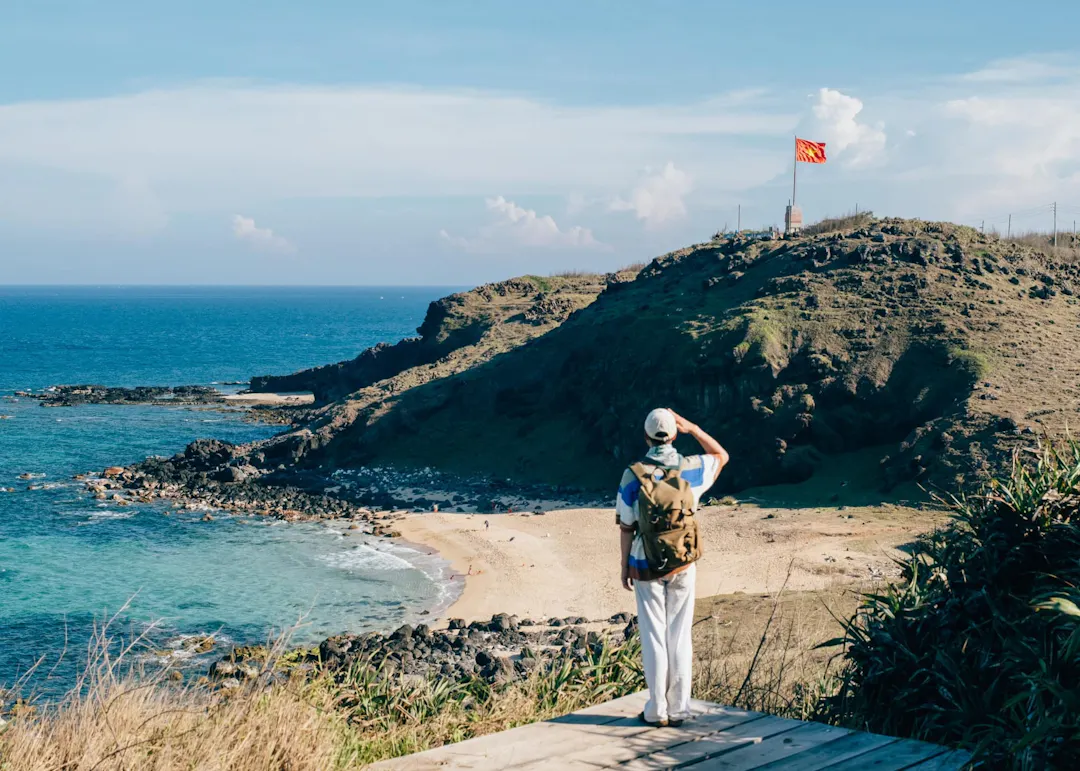
For travelers prioritizing pristine beach conditions and island relaxation, visiting Vietnam in February opens up the premier annual window for exploring southern maritime paradises such as Phu Quoc and Con Dao. During this dry, tranquil month, the western and southern coastlines of these tropical islands experience exceptionally calm sea conditions, crystal-clear visibility, and minimal wave action, making them world-class destinations for scuba diving, snorkeling, and uninterrupted coastal repose. The warm ocean breezes and absence of monsoonal squalls provide an idyllic coastal retreat, balancing the high-energy cultural immersion of the mainland cities with profound natural serenity.
Practical Logistics and Packing Wisdom for February
Layering for Multi-Climate Travel
The sheer geographical length of the country means that packing for visiting Vietnam in February requires a sophisticated, highly strategic approach to clothing. Because you may require heavy thermal jackets, scarves, and closed-toe footwear to combat the freezing mountain mists in Sapa, yet need light, breathable linen shirts and sandals to navigate the sweltering sunshine of Saigon, minimalist packing strategies must be adapted for multi-climate resilience. Utilizing modular, lightweight layers that can be easily added or stripped away as your regional latitude shifts ensures complete physical comfort without overburdening your luggage capacity during domestic transfers.
Securing Transport and Cultural Awareness
Finalizing your operational readiness involves ensuring all private transfers and domestic transit connections are confirmed through reputable agencies, particularly if your dates intersect with spring festival celebrations. Approaching local cultural traditions during the spring (mùa xuân) with profound respect—such as observing temple etiquette and maintaining a gracious, positive demeanor during holiday service adjustments—ensures your presence is welcomed with warmth, elevating your journey into a deeply memorable exploration of living heritage.

Conclusion
Ultimately, visiting Vietnam in February rewards the well-prepared international traveler with an unmatched, extraordinary blend of sublime meteorological variety and profound cultural immersion. By mastering the distinct regional microclimates—from the misty northern highlands to the sun-drenched southern coast—and planning meticulously around the operational realities of the Lunar New Year, you lay the absolute best foundation for a triumphant adventure. I strongly encourage you to review your calendar, check the exact Tet holiday dates for your chosen year, and begin mapping out your magnificent February expedition across this captivating nation today.
Frequently Asked Questions About Visiting Vietnam in February
Is February a good time to visit Vietnam?
Yes. February is one of the best months to visit Vietnam thanks to generally pleasant weather across much of the country. Northern Vietnam enjoys cool temperatures, central beaches begin to warm up, and southern Vietnam experiences sunny, dry conditions.
How does Tet holiday affect travel in February?
If Tet falls in February, transportation, hotels, and popular attractions can become much busier. Many local businesses close for several days, while flights and train tickets often sell out early. Booking accommodation and transport well in advance is highly recommended.
Which destinations are best to visit in Vietnam during February?
Excellent choices include Hanoi, Ha Long Bay, Ninh Binh, Hoi An, Da Nang, Hue, Ho Chi Minh City, Phu Quoc, and the Mekong Delta. February offers a great balance of comfortable sightseeing weather and beautiful natural scenery.
What should I pack for Vietnam in February?
Pack light clothing for southern Vietnam and central beaches, but bring a light jacket or sweater if you're visiting Hanoi, Sapa, Ha Giang, or other northern mountain regions, where mornings and evenings can be cool.
Is February suitable for beaches and outdoor activities?
Absolutely. Southern Vietnam offers excellent beach weather in destinations such as Phu Quoc and Con Dao, while central Vietnam begins to enjoy warmer conditions. February is also ideal for hiking, cycling, boat cruises, and exploring cultural attractions throughout the country.
Advertising box