
Vietnam in July and August: How to Beat the Summer Heat and Monsoon Tips
July and August bring Vietnam's warmest temperatures, vibrant green landscapes, and occasional tropical showers. While some regions experience monsoon rains, others enjoy sunny beaches and spectacular natural scenery. This guide explains regional weather patterns, highlights the best destinations to visit during summer, and provides practical advice on avoiding heavy rain, staying comfortable in the heat, and planning flexible itineraries. With the right preparation, Vietnam's summer can be an exciting season filled with unique travel experiences.
On this page
Stepping onto the bustling, vibrant streets of Southeast Asia during the height of the calendar year reveals a nation pulsing with an intense, raw energy. When experiencing Vietnam in July and August, travelers are immediately greeted by a dramatic sensory landscape where shimmering asphalt heatwaves in the metropolitan lowlands give way to sudden, majestic afternoon cloudbursts and endless expanses of vibrant emerald-green rice paddies stretching toward the horizon. While traversing the country during these peak summer months presents undeniable meteorological challenges—ranging from scorching tropical temperatures and high humidity to the active seasonal monsoons in the southern latitudes—mastering regional weather patterns and adopting smart pacing transforms a potentially grueling expedition into a deeply rewarding, crowd-free adventure. By analyzing the unique microclimates governing the country and deploying strategic tactical adjustments, you unlock a side of Non nước Việt Nam that most fast-paced tourists entirely miss, revealing a land of lush natural beauty, dramatic skies, and authentic cultural immersion.
Decoding Summer Weather – Heat, Humidity, and Monsoon Realities
The Blistering Heat of Northern and Southern Lowlands
To safely and successfully navigate Vietnam in July and August, one must first confront the unvarnished meteorological reality of the lowland heat. Both Hanoi in the North and Ho Chi Minh City in the South transform into powerful urban heat islands during the peak of summer, where ambient temperatures regularly soar past thirty-five degrees Celsius, accompanied by oppressive relative humidity levels that often exceed eighty percent. This intense combination creates a punishing apparent temperature index, making outdoor physical exertion hazardous if approached without proper thermoregulation strategies. The scorching afternoon sun beats down mercilessly on concrete alleyways and open boulevards, requiring a disciplined structural shift in how daily activities are managed. Urban exploration must be strictly concentrated during the cool, gentle hours of early dawn, leaving the sweltering peak ultraviolet radiation hours of midday to be spent resting in air-conditioned sanctuaries, exploring indoor historical museums, or engaging in the local customs of slowing down and cooling off.
Navigating the Southwest Monsoon in the South and Highlands
Simultaneously, the southern half of the country and the Central Highlands find themselves fully gripped by the active tropical mechanics of the southwest monsoon, locally referred to as mùa mưa. This seasonal weather system draws moisture-laden air directly from the Indian Ocean, dumping heavy, predictable volumes of rain across Saigon, the Mekong Delta, and the mountain retreat of Da Lat. However, understanding the true nature of tropical monsoons prevents unnecessary travel anxiety; these weather events are rarely all-day, relentless washouts. Instead, they typically manifest as dramatic, high-intensity afternoon cloudbursts that arrive swiftly, deluge the streets for an hour or two, and clear just as rapidly, leaving behind a freshly washed atmosphere, cooled air, and brilliant blue skies. Navigating this seasonal reality simply requires building flexible scheduling buffers into your daily plans and accepting that a sudden downpour is an expected, atmospheric feature of tropical summer travel.
Finding the Dry Zones – Central Coast and Northern Peaks
The Pristine Summer Shield of Central Vietnam
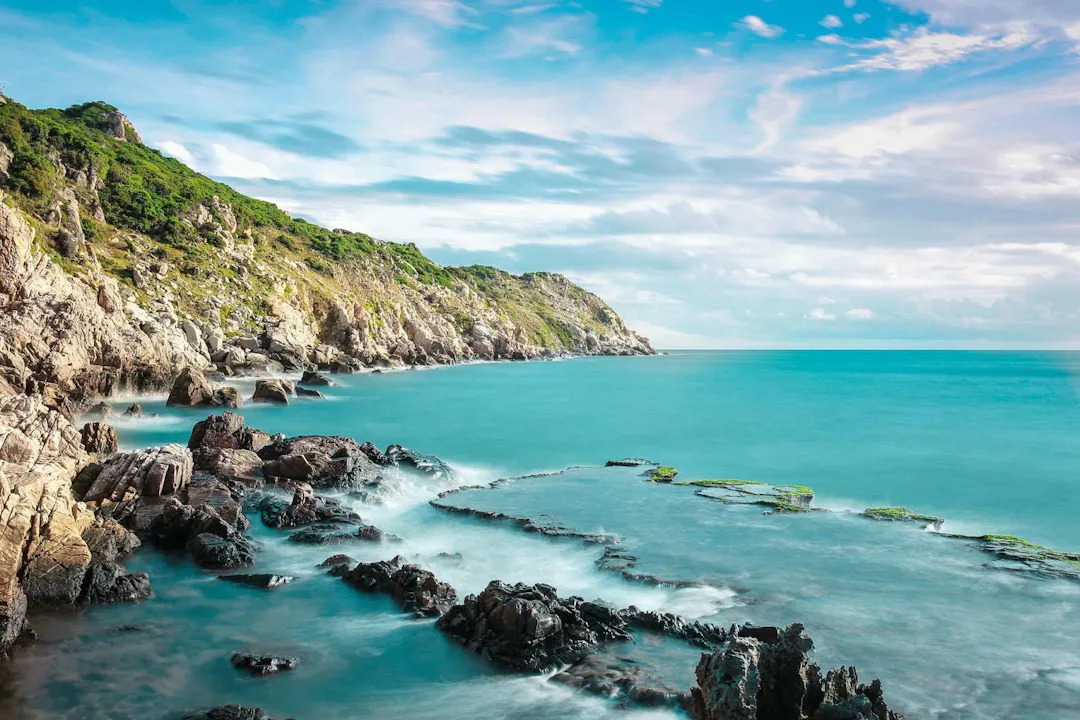
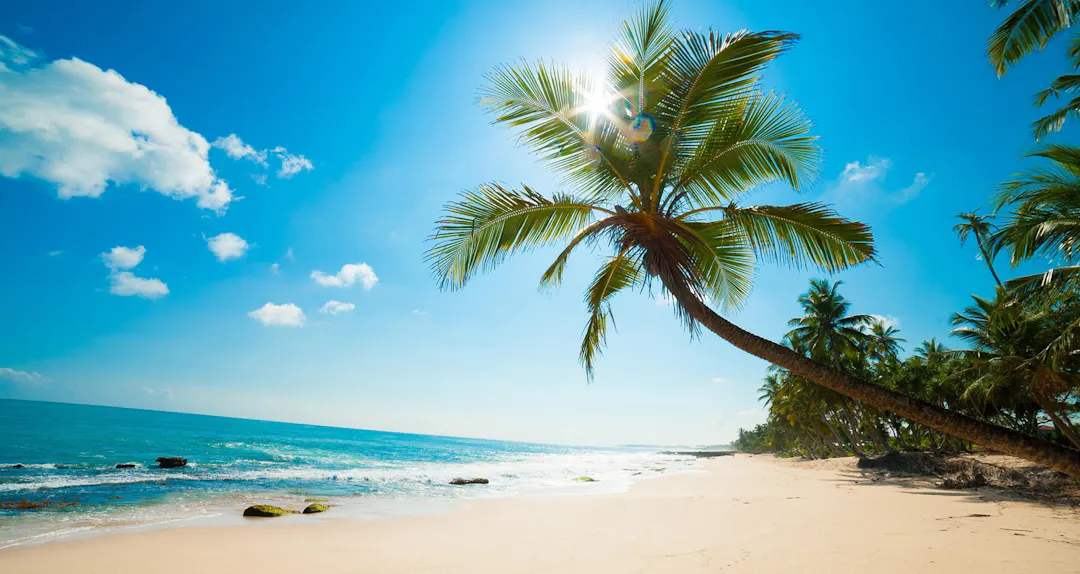
Fortunately, the complex geography of the country creates a brilliant microclimatic anomaly that shields a massive portion of the coastline from the worst of the summer rains, establishing the Central corridor as the ultimate refuge when visiting Vietnam in July and August. While the North and South grapple with extreme heat and monsoonal storms, cities like Da Nang, Hue, and Hoi An experience their premier dry and sunny weather window during these exact summer months. The regional mountain ranges successfully block the moisture-bearing winds, resulting in extended stretches of cloudless skies, calm turquoise ocean waters, and golden sunshine that make coastal resorts and historic heritage beaches an absolute haven for travelers. This pristine summer weather window allows visitors to explore the pedestrianized alleyways of Hoi An or lounge along the central shores in ideal conditions, proving that strategic regional routing is the ultimate key to conquering seasonal weather constraints.
High-Altitude Escapes in the Northern Mountains
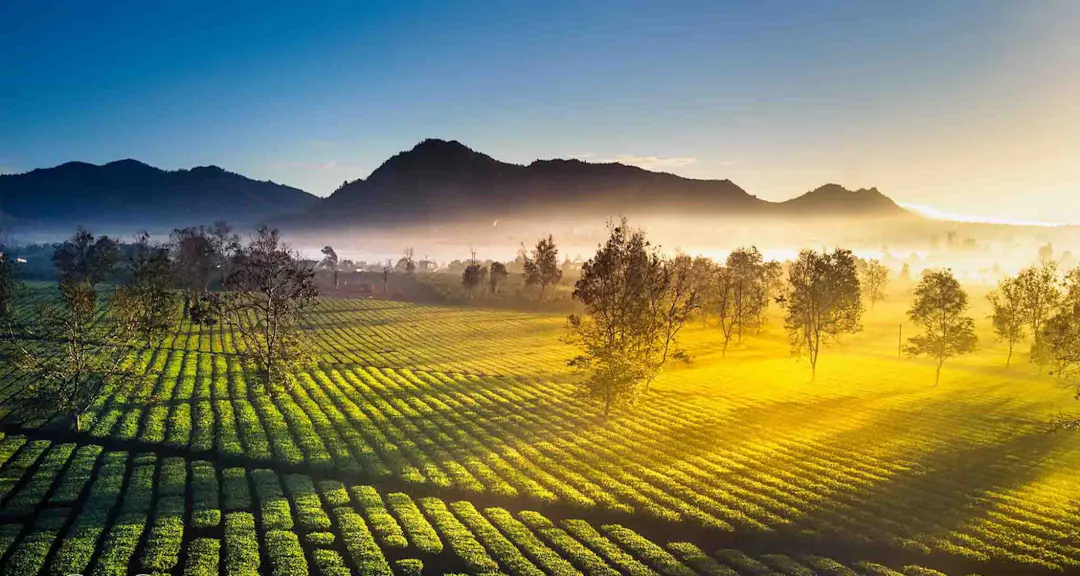
For travelers seeking an alternative to the scorching heat of the southern and northern metropolitan lowlands, venturing deep into the majestic high-altitude frontiers of the Far North offers a profoundly refreshing sanctuary. Provinces such as Ha Giang, Cao Bang, and the towering mountain passes of Sapa experience significantly cooler ambient temperatures during July and August, tempered by their elevation and frequent refreshing breezes. While these northern peaks still experience summer rainfall associated with localized weather patterns, the torrential heat is entirely absent, replaced by dramatic, mist-shrouded limestone pinnacles and cascading terraced rice fields that reach their absolute visual zenith during this wet summer phase. Exploring these rugged northern highlands provides an exhilarating escape for adventurous spirits seeking physical relief from the lowland heat while immersing themselves in unvarnished, raw wilderness.
Tactical Survival – How to Beat the Summer Heat and Monsoons
Master Class in Daily Pacing and Hydration
Surviving the intense environmental conditions encountered in Vietnam in July and August demands a strict, highly disciplined approach to daily pacing and aggressive hydration management. Savvy travelers mirror the daily rhythms of local residents, waking before sunrise to witness morning street life when the air is crisp, and retreating indoors during the brutal heat of the early afternoon. To combat rapid dehydration and maintain electrolyte balance, you must continuously consume clean fluids, embracing the ubiquitous local custom of pausing at sidewalk cafes to sip ice-cold mineral water, fresh coconut juice, or traditional trà đá (iced green tea). Clothing choices must be meticulously curated from lightweight, breathable, moisture-wicking natural linen or cotton fabrics that shield the skin from direct ultraviolet exposure while promoting rapid sweat evaporation, ensuring absolute physical comfort amidst high humidity.
Flood Preparedness and Waterproof Gear Logistics
Conquering the seasonal monsoons requires proactive logistical preparation to ensure that sudden urban downpours and minor street flooding never disrupt your itinerary. When traversing cities like Saigon or Hoi An during a heavy afternoon cloudburst, low-lying streets can rapidly accumulate several inches of standing water, making appropriate footwear—such as secure, quick-drying sandals or waterproof trail shoes—an absolute non-negotiable packing requirement. Furthermore, protecting sensitive electronic gear requires investing in heavy-duty dry bags or waterproof backpack covers before setting out on daily excursions. Maintaining total operational flexibility in your transportation schedules, utilizing reliable ride-hailing applications rather than scrambling for street-side transport during a storm, and remaining patient when traffic temporarily slows guarantees that you glide through tropical downpours with absolute confidence and zero stress.
Crafting the Ultimate Summer Itinerary
Designing a Weather-Resilient Route
Synthesizing all meteorological data into a cohesive fourteen-day journey for Vietnam in July and August requires an intelligent, weather-resilient route that leverages the dry Central coast while avoiding vulnerable, flood-prone lowlands during peak storm windows. Begin your summer expedition by flying directly into Da Nang, immediately anchoring yourself in the sun-drenched sanctuary of the Central heritage corridor. Spend your first five days luxuriating in the dry beach climate of Hoi An, exploring the imperial monuments of Hue, and relaxing along the coastline. Following this sun-soaked coastal phase, catch a short domestic flight northward into Hanoi, treating the capital as a brief transit hub before escaping upward into the cool, breezy mountain elevations of Ha Giang or Sapa for a week of high-altitude trekking. This carefully engineered linear trajectory bypasses the worst of the southern monsoons, maximizes clear weather windows, and guarantees a physically comfortable, visually stunning summer adventure.

Conclusion
Ultimately, experiencing Vietnam in July and August rewards the well-prepared, strategically minded explorer with an extraordinary travel narrative characterized by dramatically fewer international crowds, hyper-vibrant landscapes, and deep cultural clarity. By understanding the complex interplay between urban heat islands, regional monsoons, and protective coastal microclimates, you transform potential weather obstacles into manageable features of an unforgettable journey. Embrace the vibrant summer skies, respect the natural rhythms of the tropical environment, pack your waterproof gear and lightweight layers, and step confidently into an extraordinary warm-weather expedition across this captivating nation today.
Frequently Asked Questions About Visiting Vietnam in July and August
Is July and August a good time to visit Vietnam?
Yes. Although July and August are among the hottest months of the year, Vietnam remains a rewarding destination. Summer offers lush landscapes, fewer crowds at some attractions, vibrant local festivals, and excellent opportunities to explore beaches, islands, and mountain regions depending on the weather.
Does it rain every day during Vietnam's monsoon season?
Not necessarily. In many regions, rain usually falls as short but heavy afternoon or evening showers rather than lasting all day. Morning hours are often sunny, making it possible to enjoy sightseeing before the rain arrives.
Which destinations are best in Vietnam during July and August?
Central coastal destinations such as Da Nang, Hoi An, Quy Nhon, and Nha Trang often enjoy good beach weather. Northern mountain areas like Sapa and Ha Giang remain beautiful, while southern cities can still be visited with flexible planning around afternoon showers.
How can I stay comfortable in Vietnam's summer heat?
Wear lightweight clothing, drink plenty of water, use sunscreen, wear a hat, and schedule outdoor activities early in the morning or late in the afternoon. Taking regular breaks in cafés or museums during the hottest part of the day is also recommended.
Should I change my travel plans because of the monsoon?
Usually not. Instead of canceling your trip, build flexibility into your itinerary. Keep an eye on local weather forecasts, have indoor activities as backup options, and allow extra travel time in case of heavy rain or temporary transportation delays.
Advertising box