
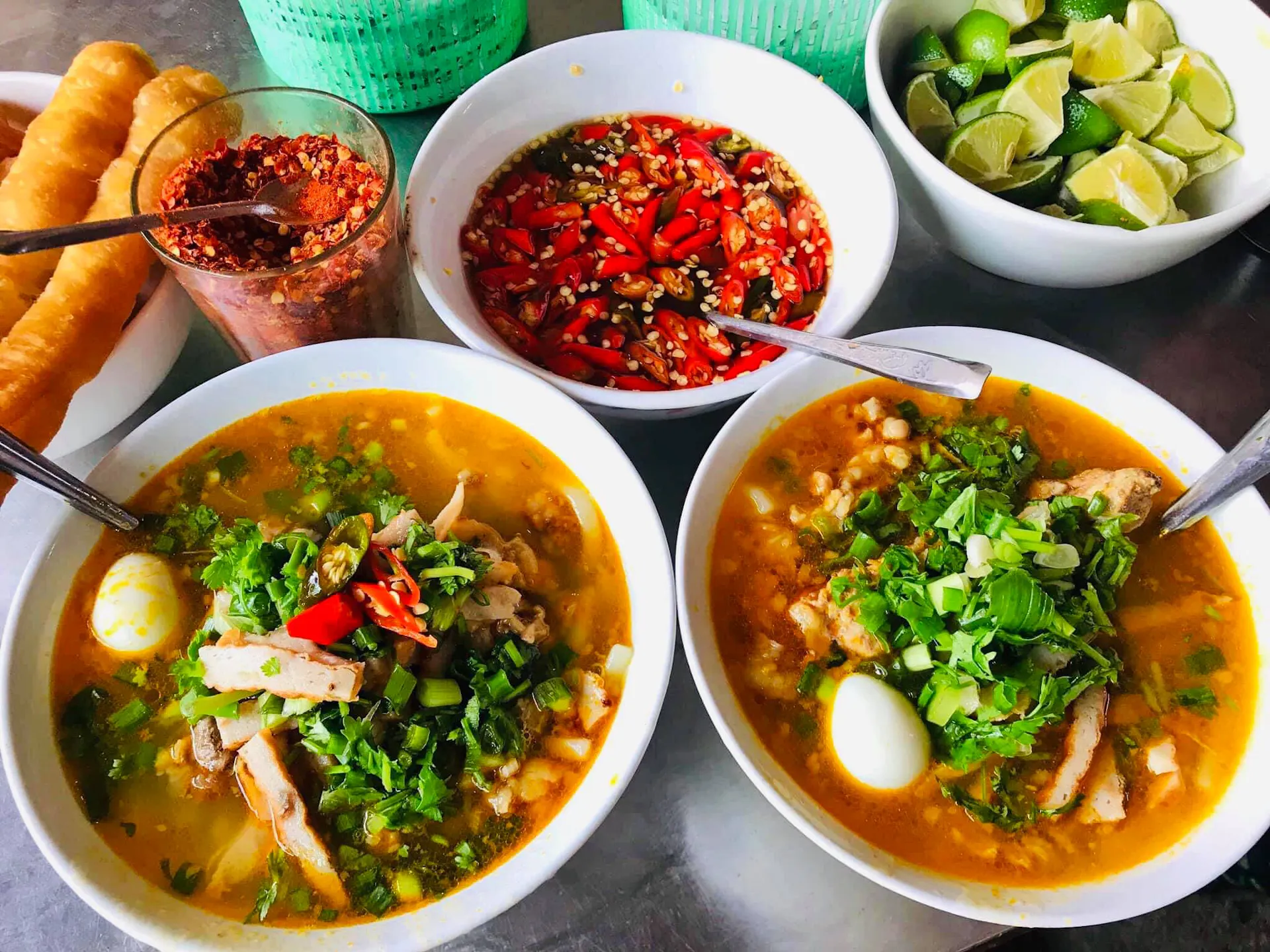
Bánh Canh: Vietnam's Thick Noodle Soup
Bánh Canh is a traditional Vietnamese noodle soup known for its thick, chewy noodles and flavorful broth. Made from tapioca flour, rice flour, or a combination of both, the noodles are served with ingredients such as crab, shrimp, fish, pork, or seafood depending on the regional variety. From Bánh Canh Cua to fish-based versions found in Central and Southern Vietnam, this comforting dish offers a wide range of textures and flavors. Discover its ingredients, varieties, history, and traditional ways to enjoy Bánh Canh in Vietnam.
About Banh Canh
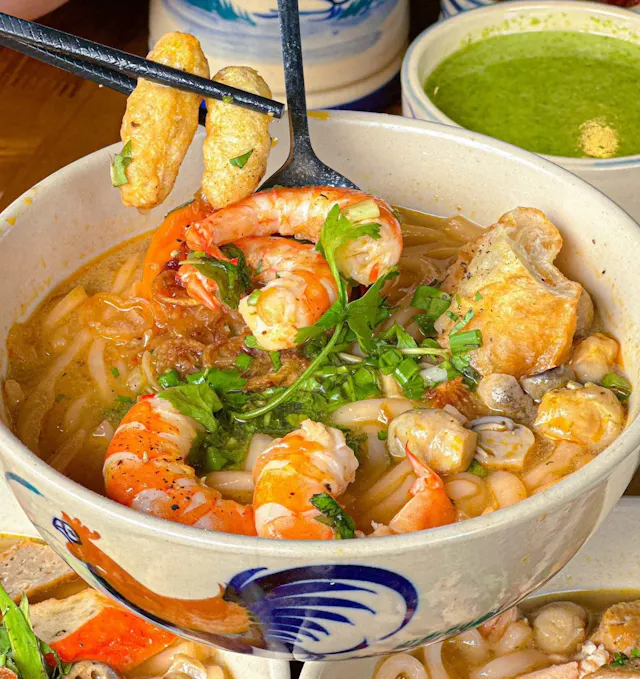
Banh Canh is a traditional Vietnamese noodle soup made with thick, chewy noodles and a flavorful broth. Depending on the regional style, the noodles can be made from tapioca flour, rice flour, or a combination of both, creating a texture that is noticeably thicker and chewier than the noodles used in Pho or Bun dishes.
Popular throughout Vietnam, Banh Canh comes in many varieties featuring crab, shrimp, pork, fish, chicken, or other seafood. Each region has developed its own interpretation, making Banh Canh an excellent dish for travelers who want to explore the diversity of Vietnamese cuisine.
What Is Banh Canh?
Banh Canh refers to both the thick noodles and the noodle soup made with them.
The noodles are typically short, round, and relatively thick. Their chewy texture allows them to hold up well in a rich broth and gives the dish its distinctive character.
Depending on the recipe, Banh Canh can have a clear, savory broth or a thicker, slightly cloudy soup.
Thick Noodles
The noodles are the defining feature of Banh Canh.
Rice flour creates a softer texture, while tapioca flour gives the noodles greater elasticity and chewiness. Some recipes combine both types of flour to achieve a texture that is soft but pleasantly springy.
Fresh Banh Canh noodles are often prepared daily and cooked directly before serving.
Crab Banh Canh
Banh Canh Cua, or crab noodle soup, is one of the best-known versions.
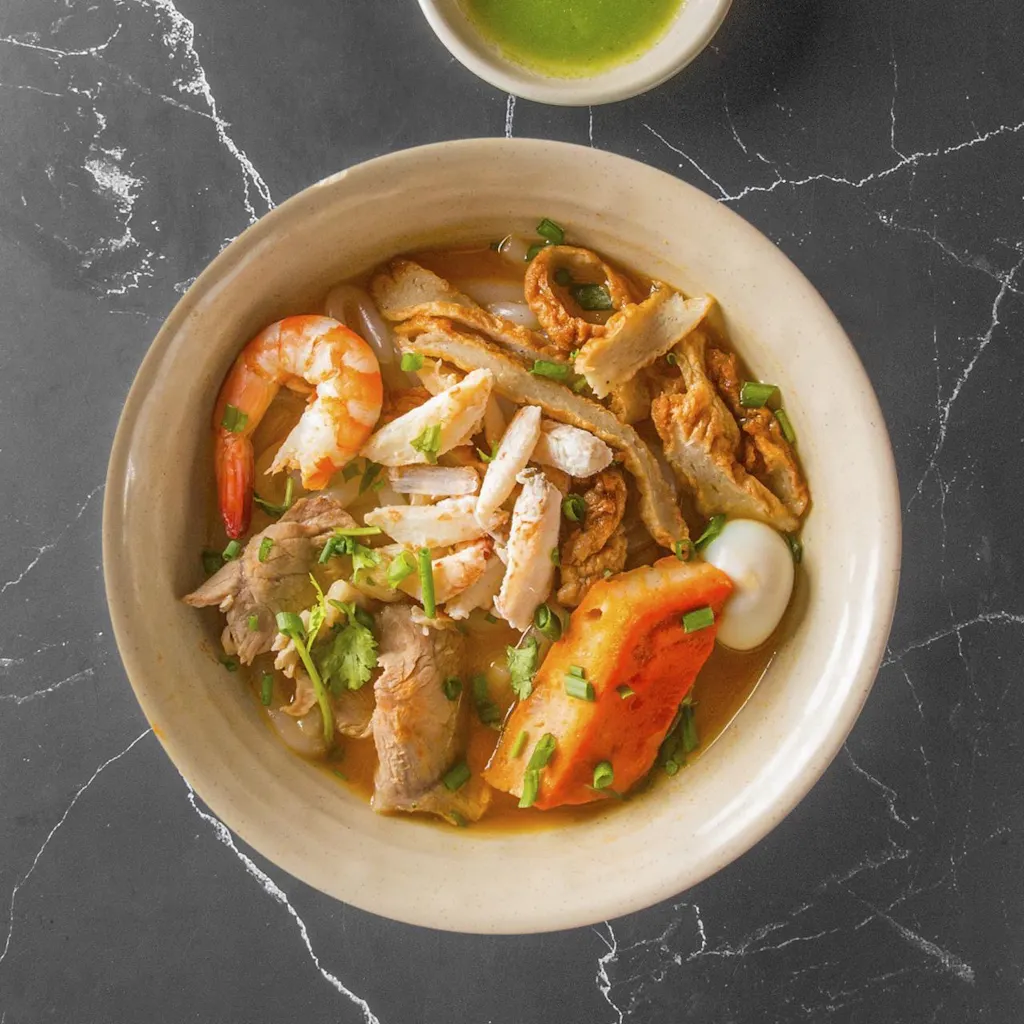
It typically features crab meat, shrimp, pork, fish cake, and thick noodles in a rich seafood broth. Some versions use a slightly thickened broth, giving it a silky texture that coats the noodles.
Crab adds natural sweetness and a delicate seafood flavor, making this version especially popular in Southern Vietnam.
Pork Banh Canh
Pork is another common ingredient in Banh Canh.
The broth may be prepared with pork bones, creating a savory and naturally rich stock. Slices of pork, pork sausage, pork meatballs, or pork hock can be added to make the bowl more substantial.
The tender meat works particularly well with the chewy noodles.
Fish Banh Canh
Central and coastal areas of Vietnam are known for fish-based versions.
Fresh fish is cooked and served with thick noodles in a light but flavorful broth. Fish cakes may also be added, providing a firm and slightly chewy texture.
Because Vietnam has a long coastline, seafood-based Banh Canh is particularly common in coastal communities.
The Broth
The broth varies considerably between regional versions.
Some recipes use pork bones or chicken bones to create a clear and savory stock, while seafood versions rely on crab, shrimp, fish, or other ingredients for natural sweetness.
Seasonings such as fish sauce, salt, pepper, shallots, and green onions are commonly used to enhance the broth.
Fresh Herbs and Garnishes
Fresh garnishes provide fragrance and freshness.
Green onions, cilantro, Vietnamese herbs, pepper, chili, and lime may be added to the bowl or served alongside.
These ingredients help balance the rich broth and provide additional aroma and flavor.
What Does Banh Canh Taste Like?
Banh Canh can range from light and delicate to rich and intensely savory, depending on the recipe.
The noodles have a soft, chewy texture and absorb the flavor of the broth. Seafood versions often have a naturally sweet taste, while pork-based varieties tend to be richer and more savory.
Fresh herbs, chili, and lime can add brightness and heat.
Regional Variations
Banh Canh is found throughout Vietnam, with each region offering different styles.
Southern Vietnam is particularly known for crab-based Banh Canh, while Central Vietnam has many fish and seafood versions.
In coastal cities, local seafood often plays an important role. Some areas also have specialty versions named after the region or city where they originated.
Banh Canh in Vietnamese Food Culture
Banh Canh is an everyday comfort food enjoyed by people of all ages.
It can be eaten for breakfast, lunch, or dinner and is commonly found at small local restaurants, markets, and street food stalls.
Because the noodles and broth can be prepared with relatively simple ingredients, the dish is adaptable and can reflect whatever ingredients are locally available.
Where to Try Banh Canh
Travelers can find Banh Canh throughout Vietnam.
Ho Chi Minh City is known for several Southern-style versions, particularly Banh Canh Cua. Coastal destinations such as Nha Trang and other Central Vietnamese cities offer seafood-focused varieties.
Local markets and small family-run restaurants are excellent places to discover regional interpretations.
How to Eat Banh Canh
Banh Canh is usually served hot in a large bowl with noodles, broth, meat, seafood, and herbs.
Diners can add chili, lime, black pepper, or additional fish sauce according to their preferences.
The thick noodles are best enjoyed while warm, when their soft and chewy texture is at its most enjoyable.
Discover Banh Canh
Banh Canh is a versatile Vietnamese noodle soup that showcases the country's regional diversity. Thick chewy noodles can be paired with crab, shrimp, fish, pork, chicken, and a wide range of local ingredients.
For travelers exploring Vietnam, trying different varieties of Banh Canh is an excellent way to discover how Vietnamese cooks adapt one simple noodle tradition to different regional flavors. From rich crab soup in Southern Vietnam to fresh seafood versions along the Central Coast, Banh Canh offers a comforting and memorable taste of Vietnamese cuisine.
Featured Ingredients of Bánh Canh
Bánh Canh is defined by its thick, chewy noodles and flavorful Vietnamese broth. Depending on the regional variety, the bowl can feature seafood, fish, pork, or crab alongside fresh herbs and traditional seasonings. These three ingredients form the foundation of many popular Bánh Canh dishes across Vietnam.
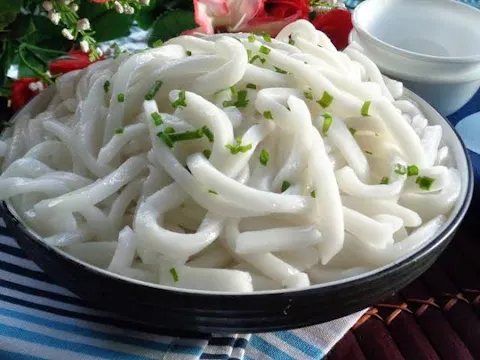
Thick Rice & Tapioca Noodles↗
The distinctive noodles are the defining ingredient of Bánh Canh. They are commonly made from rice flour, tapioca flour, or a combination of both, creating thick strands with a soft and chewy texture. Freshly prepared noodles can have a slightly elastic bite and absorb the flavors of the broth, making them very different from the thinner noodles used in Phở or Bún.
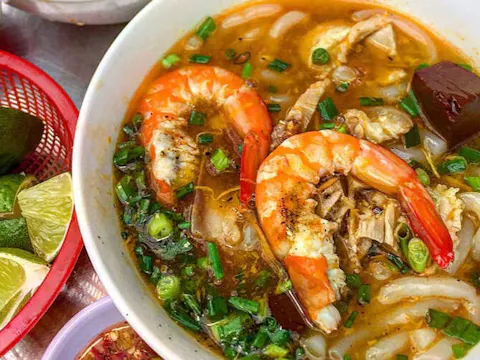
Crab, Fish & Seafood↗
Seafood is an important part of many Bánh Canh varieties, particularly in coastal and southern Vietnam. Bánh Canh Cua uses crab meat, while other regional versions feature fish, shrimp, squid, or mixed seafood. These ingredients add natural sweetness and umami to the broth while providing the dish with its signature savory character.
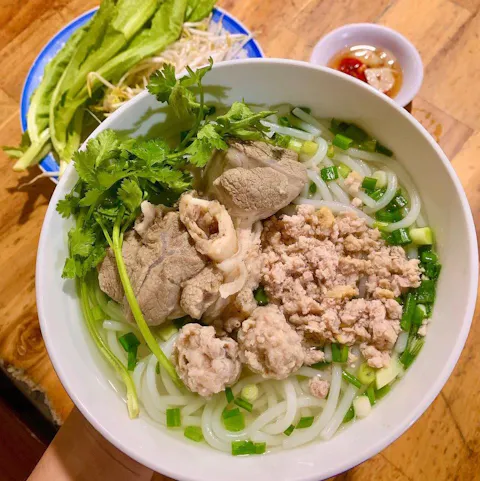
Pork & Aromatic Garnishes↗
Pork is another common ingredient, especially in varieties such as Bánh Canh Giò Heo, where tender pork leg is served with thick noodles. Green onions, cilantro, fried shallots, chili, lime, and Vietnamese fish sauce are often used to enhance the bowl. These aromatic garnishes add freshness, fragrance, and contrasting flavors to the rich broth and hearty toppings.
Frequently Asked Questions About Bánh Canh
What is Bánh Canh?
Bánh Canh is a Vietnamese noodle soup made with thick, chewy noodles and a flavorful broth. The noodles are usually made from rice flour, tapioca flour, or a combination of both. Depending on the regional recipe, a bowl may contain crab, shrimp, fish, pork, seafood, or other traditional toppings.
What are Bánh Canh noodles made of?
Bánh Canh noodles are typically made from rice flour, tapioca flour, or both. Rice flour creates a soft texture, while tapioca flour gives the noodles their characteristic chewiness and slight elasticity. The exact combination varies between recipes and regions, resulting in different noodle textures throughout Vietnam.
What are the most popular types of Bánh Canh?
Popular varieties include Bánh Canh Cua, made with crab and often shrimp or pork; Bánh Canh Cá, which features fish and is common in coastal areas; and Bánh Canh Giò Heo, served with tender pork leg. Other versions may include shrimp, squid, chả cá, or mixed seafood depending on the region.
What does Bánh Canh taste like?
Bánh Canh generally has a savory, comforting flavor with a mild sweetness from seafood, pork, or slow-cooked ingredients. The thick noodles have a soft and chewy texture that absorbs the broth. Depending on the variety, the soup can taste rich and savory, light and delicate, or naturally sweet from fresh seafood.
How do you eat Bánh Canh?
Bánh Canh is usually served hot in a bowl with noodles, broth, meat or seafood, and fresh garnishes. Diners can add lime, chili, pepper, fish sauce, or fresh herbs according to their preference. The noodles and toppings are eaten together with the broth, allowing the chewy noodles to absorb the flavors of the soup.
Advertising box
Related Vietnamese Dishes
Explore more of Vietnam's rich culinary heritage with these delicious regional specialties. From comforting noodle soups and fresh seafood dishes to iconic street food favorites, discover authentic flavors that perfectly complement your journey beyond.
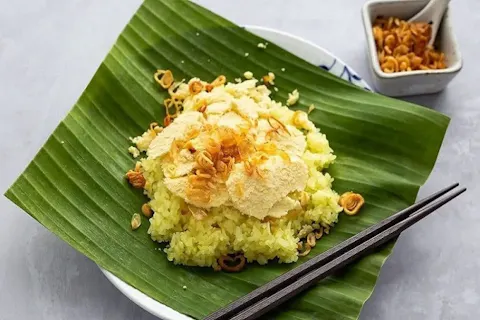
Xôi: Vietnam's Traditional Sticky Rice
Xôi is a traditional Vietnamese sticky rice dish enjoyed across the country as a breakfast, snack, dessert, and part of special occasions. Made from glutinous rice, Xôi comes in many varieties, ranging from savory versions topped with chicken, pork, mung beans, or fried shallots to sweet preparations with coconut, corn, peanuts, or beans. Affordable, filling, and deeply connected to Vietnamese food culture, Xôi is an essential dish to discover when exploring local cuisine, markets, and everyday life in Vietnam.
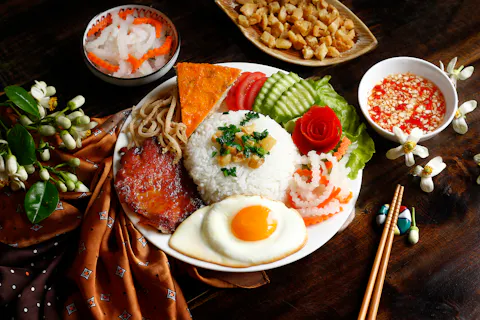
Cơm Tấm: Vietnam's Broken Rice Dish
Cơm Tấm, often called Vietnamese broken rice, is one of southern Vietnam's most beloved everyday dishes. Traditionally associated with Saigon, it features steamed broken rice served with grilled pork, savory fish sauce, pickled vegetables, cucumber, and toppings such as pork skin or steamed egg meatloaf. The smoky aroma of grilled pork combined with soft rice and sweet-and-savory nước mắm creates a distinctly Vietnamese flavor. This guide explores what Cơm Tấm is, its ingredients, history, regional variations, and how to enjoy it in Vietnam.
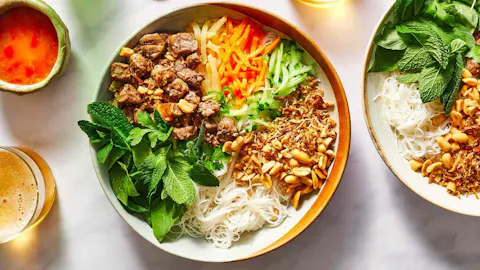
Bun Thit Nuong: Vietnam's Grilled Pork Noodle Bowl
Bun Thit Nuong is a popular Vietnamese grilled pork noodle bowl that combines smoky charcoal-grilled pork with rice vermicelli, fresh herbs, crunchy vegetables, pickled carrots and daikon, crushed peanuts, and a flavorful fish sauce dressing. Found throughout Vietnam, the dish offers a refreshing balance of savory, sweet, sour, salty, and spicy flavors. This guide explores what Bún Thịt Nướng is, its ingredients, regional variations, how it is traditionally served, and where travelers can try this classic Vietnamese street food.
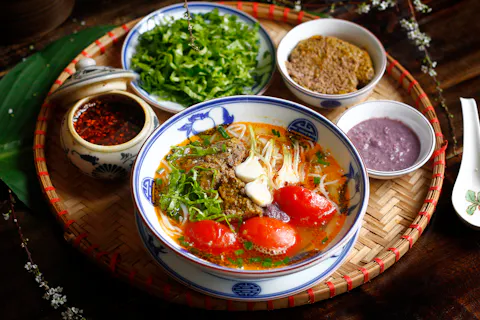
Bún Riêu: Vietnam's Flavorful Crab Noodle Soup
Bun Rieu is a beloved Vietnamese noodle soup famous for its flavorful crab-based broth, tomato richness, and refreshing combination of herbs and toppings. Originating from Northern Vietnam, this traditional dish features soft rice vermicelli, crab paste, tofu, pork, and fresh vegetables. With its unique balance of sweet, savory, and slightly tangy flavors, Bun Rieu represents the diversity and creativity of Vietnamese cuisine. Discover the ingredients, traditions, and local experiences behind one of Vietnam’s most iconic comfort foods.