
Banh Khot: Vietnam's Crispy Mini Savory Pancakes
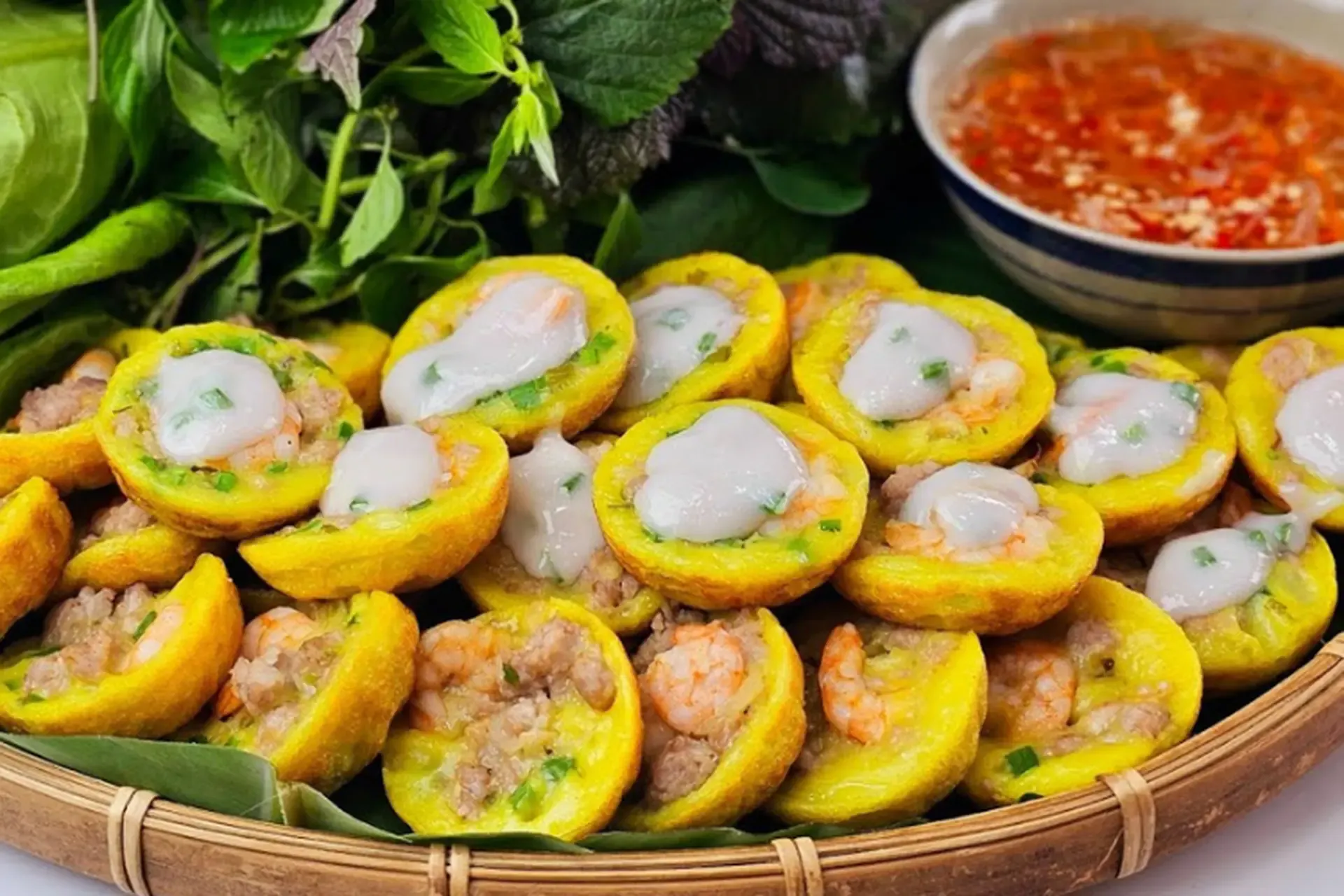
Banh Khot is a popular Vietnamese street food made from small, crispy rice flour pancakes cooked in special round molds. Traditionally topped with shrimp, green onions, and other savory ingredients, these golden bites are served with fresh herbs, lettuce, pickled vegetables, and a flavorful dipping sauce. Popular in southern and central Vietnam, Banh Khot offers a delicious contrast of crispy edges, soft centers, savory seafood, and fresh herbs. Discover its ingredients, preparation, regional variations, and the best ways to enjoy this Vietnamese specialty.
About Banh Khot
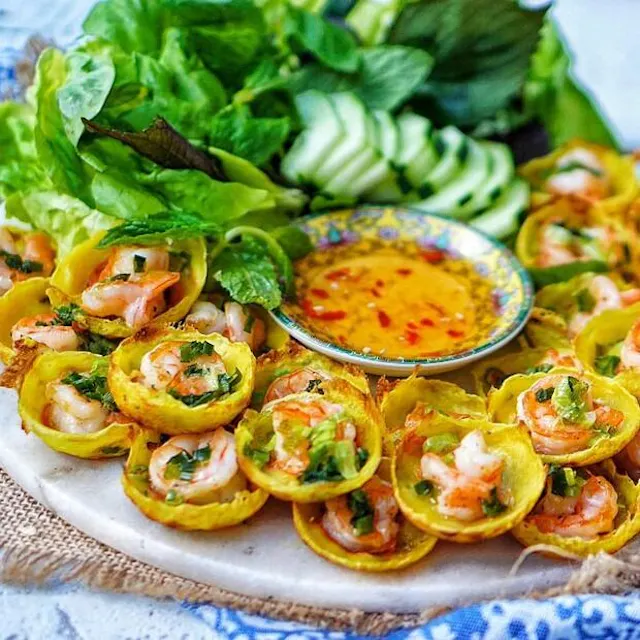
Banh Khot is one of Vietnam's most popular small savory pancakes, known for its crispy golden edges, soft center, and flavorful toppings. Made from a rice-based batter and traditionally cooked in a special round pan, these bite-sized pancakes are commonly topped with shrimp, green onions, and other regional ingredients.
Served with fresh herbs, lettuce, vegetables, and dipping sauce, Banh Khot offers a combination of contrasting textures and flavors. It is especially associated with southern and central Vietnamese cuisine and is a popular choice for travelers exploring Vietnam's street food culture.
What Is Banh Khot?
Banh Khot, written as Bánh Khọt in Vietnamese, is a small savory pancake traditionally made from rice flour.
The batter is poured into individual circular molds in a specialized pan. As it cooks, the edges become crisp while the center remains softer and slightly chewy.
Shrimp is one of the most common toppings, although recipes can vary by region and restaurant.
Unlike large Vietnamese pancakes such as Banh Xeo, Banh Khot is small enough to be eaten in individual portions, usually together with herbs and dipping sauce.
How Is Banh Khot Made?
Preparing Banh Khot requires a special pan containing several small round molds.
A thin layer of batter is poured into each mold and cooked until the bottom develops a golden, crispy texture.
Toppings such as shrimp, green onions, mung beans, or other seafood are added while the pancakes cook.
Some versions include coconut milk in the batter, contributing richness and a subtle sweetness.
The exact batter, cooking time, and toppings vary between regions, but achieving a crispy exterior is an important part of the dish.
Key Ingredients
The basic ingredients of Banh Khot are relatively simple.
Rice flour provides the foundation of the batter and gives the pancakes their characteristic texture.
Coconut milk may be added to create a richer flavor and softer interior.
Shrimp is a traditional topping that provides savory seafood flavor and a contrasting texture.
Green onions contribute freshness and aroma, while turmeric may be used to give the pancakes a distinctive golden color.
The finished pancakes are usually accompanied by fresh herbs, lettuce, pickled vegetables, and dipping sauce.
Banh Khot and Banh Xeo
Banh Khot is sometimes compared with Banh Xeo, another famous Vietnamese rice-based savory pancake.
Both dishes can contain shrimp, herbs, and vegetables, but their shapes and cooking methods are different.
Banh Xeo is much larger and is typically folded around its fillings, while Banh Khot consists of small individual pancakes cooked in round molds.
The two dishes also differ in texture. Banh Khot is designed to have a crisp exterior around a small, soft center.
Regional Variations
Banh Khot is especially associated with southern Vietnam, including Vung Tau, where it has become an iconic local specialty.
Central and southern regions may prepare the dish using different batter proportions, toppings, herbs, and dipping sauces.
Some versions emphasize shrimp, while others may use squid, pork, mung beans, or other local ingredients.
These variations demonstrate how Vietnamese food traditions adapt to local ingredients and tastes.
Banh Khot in Vung Tau
Vung Tau is one of the best-known destinations for Banh Khot.
The coastal city's connection to seafood makes shrimp-topped Banh Khot a natural local specialty.
Visitors can find dedicated Banh Khot restaurants where the pancakes are cooked fresh to order and served with large plates of herbs and vegetables.
Eating Banh Khot in Vung Tau is particularly appealing because the dish combines the city's coastal food culture with traditional southern Vietnamese cooking.
How to Eat Banh Khot
Banh Khot is usually not eaten alone.
A typical serving comes with lettuce, mustard greens, Vietnamese herbs, cucumber, pickled vegetables, and dipping sauce.
To eat it, place a pancake inside a lettuce leaf or combine it with herbs and vegetables, then dip the bundle into the sauce.
This creates a contrast between the crispy pancake, fresh herbs, crunchy vegetables, and savory-sweet dipping sauce.
The exact combination can be adjusted according to personal preference.
What Does Banh Khot Taste Like?
Banh Khot combines several flavors and textures in one small bite.
The exterior is crispy and lightly browned, while the center is soft and fragrant.
Shrimp contributes a savory seafood flavor, while coconut milk can add richness to the batter.
Fresh herbs and vegetables provide a refreshing contrast, and the dipping sauce brings salty, sweet, sour, and spicy notes.
This combination makes Banh Khot particularly appealing to travelers who enjoy Vietnamese street food.
Where to Try Banh Khot
Travelers can find Banh Khot in restaurants, markets, and street-food establishments across southern and central Vietnam.
Vung Tau is particularly famous for the dish, but travelers may also encounter regional versions in Ho Chi Minh City and other southern destinations.
For the best experience, look for places where the pancakes are cooked continuously and served hot and crispy.
When to Eat Banh Khot
Banh Khot can be enjoyed at different times of the day.
It works well as a casual breakfast, afternoon snack, or shared meal.
Because the pancakes are small, they are commonly ordered in portions and eaten together with herbs and vegetables.
Sharing a plate also makes it easy to try different toppings and sauces.
Discover Banh Khot
Banh Khot is a great example of how Vietnamese cuisine transforms simple ingredients into a dish with distinctive texture and regional character.
Its crispy rice-based pancakes, savory seafood toppings, fresh herbs, and flavorful dipping sauce create a memorable combination.
Whether you try the dish in Vung Tau, Ho Chi Minh City, or another Vietnamese destination, Banh Khot offers travelers a delicious introduction to southern Vietnamese food culture and the country's vibrant street-food traditions.
Featured Ingredients in Banh Khot
Banh Khot combines a simple rice-based batter with savory toppings and fresh accompaniments. These three ingredients play an important role in creating the dish's signature flavor, texture, and appearance.
Rice Flour↗
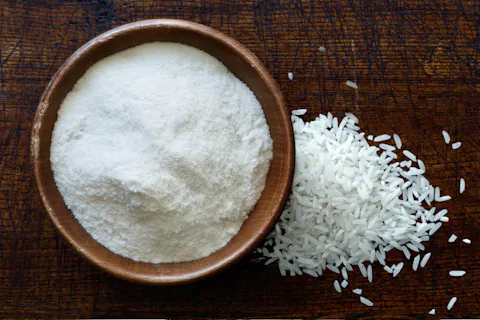
Rice flour forms the base of Banh Khot batter, creating the characteristic crisp exterior and soft center. It is mixed with water and, in many recipes, coconut milk to produce a smooth batter that cooks evenly in the small round molds.
Shrimp↗
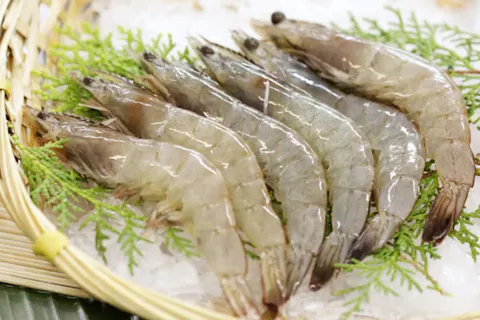
Shrimp is one of the most traditional toppings for Banh Khot. Fresh shrimp adds a naturally sweet and savory seafood flavor while providing a tender contrast to the crispy pancake. In coastal destinations such as Vung Tau, shrimp is particularly common.
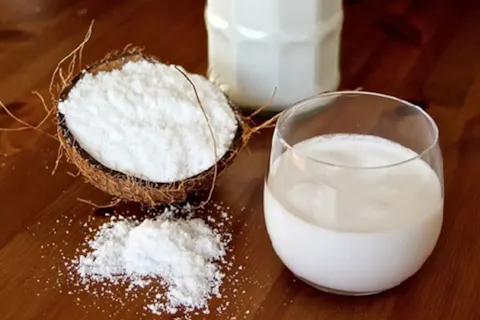
Coconut Milk↗
Coconut milk is often incorporated into the batter or used in regional preparations of Banh Khot. It adds richness, a subtle sweetness, and a fragrant aroma that complements the savory shrimp and crispy rice pancake.
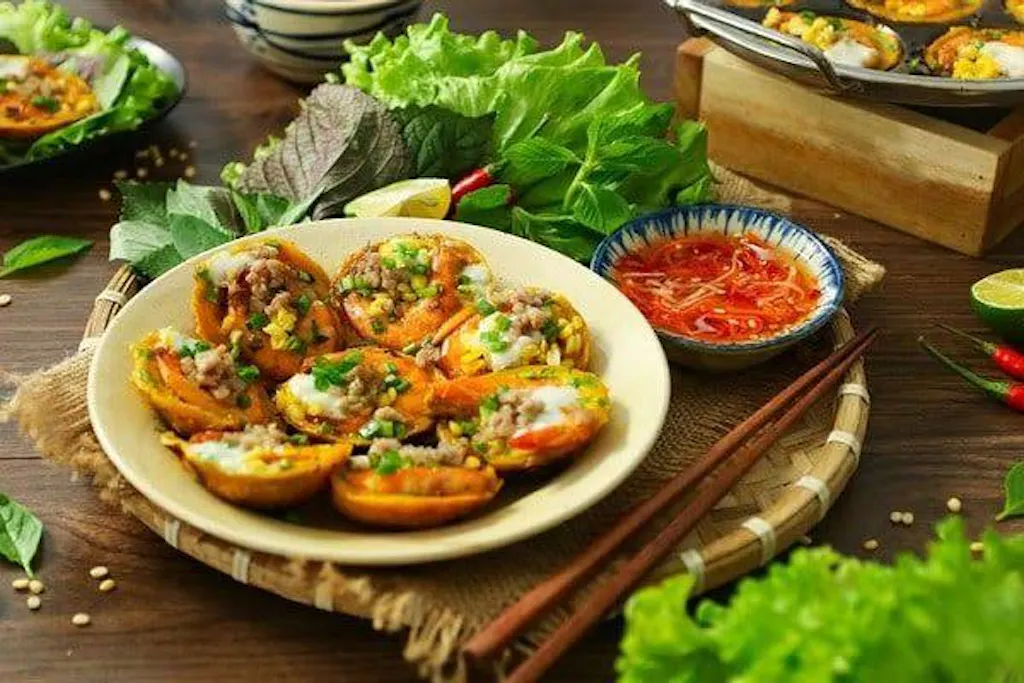
Related Articles About Bánh Khọt
Explore more articles about Bánh Khọt and Vietnam's vibrant street-food culture. Discover guides covering its regional origins, crispy texture, popular seafood toppings, traditional cooking methods, and differences from similar Vietnamese dishes such as Bánh Căn. These related articles provide a deeper look at the flavors, traditions, and local food culture behind one of Southern Vietnam's most popular savory rice cakes.
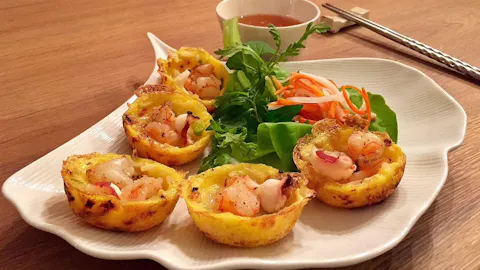
Frequently Asked Questions About Banh Khot
What is Banh Khot?
Banh Khot (Bánh Khọt) is a Vietnamese savory pancake made from a rice-based batter and cooked in small round molds. The pancakes are typically topped with shrimp, green onions, or other ingredients and served with fresh herbs, lettuce, pickled vegetables, and dipping sauce.
What does Banh Khot taste like?
Banh Khot has crispy golden edges and a soft, fragrant center. Shrimp adds a savory seafood flavor, while coconut milk can give the batter a subtle richness and sweetness. Fresh herbs, vegetables, and fish sauce-based dipping sauce add refreshing, salty, sweet, sour, and sometimes spicy flavors.
What is the difference between Banh Khot and Banh Xeo?
Both are Vietnamese rice-based savory pancakes, but they differ in size and preparation. Banh Khot consists of small individual pancakes cooked in round molds, while Banh Xeo is a much larger, thin pancake that is typically folded around its fillings. Banh Khot is usually eaten with lettuce, herbs, and dipping sauce.
Where can I try Banh Khot in Vietnam?
Banh Khot is especially associated with southern Vietnam, and Vung Tau is one of the best-known destinations for the dish. Travelers can also find regional versions in Ho Chi Minh City and other parts of southern and central Vietnam at local restaurants, markets, and street-food establishments.
How do you eat Banh Khot?
Banh Khot is commonly eaten with lettuce, fresh herbs, cucumber, and pickled vegetables. Place a small pancake inside a lettuce leaf, add herbs and vegetables, then wrap it and dip it into the accompanying sauce. This combines the crispy pancake with fresh, crunchy, and savory flavors in one bite.
Advertising box
Related Vietnamese Dishes
Explore more of Vietnam's rich culinary heritage with these delicious regional specialties. From comforting noodle soups and fresh seafood dishes to iconic street food favorites, discover authentic flavors that perfectly complement your journey beyond Banh Mi.
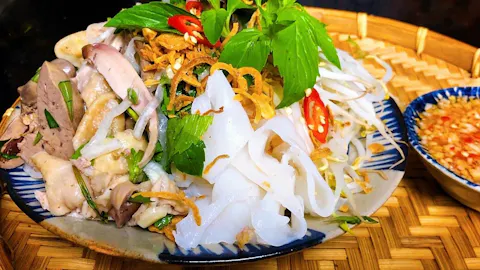
Banh Uot: Vietnam's Soft Steamed Rice Paper Dish
Banh Uot is a traditional Vietnamese dish made from thin, soft sheets of steamed rice batter. Similar to fresh rice paper, these delicate sheets are typically served with herbs, vegetables, savory toppings, and a flavorful dipping sauce. Depending on the region, Banh Uot may be enjoyed with grilled pork, Vietnamese ham, fried shallots, mung beans, or other local ingredients. Its soft texture and subtle rice flavor make it a popular breakfast, street food, and everyday dish across Vietnam.
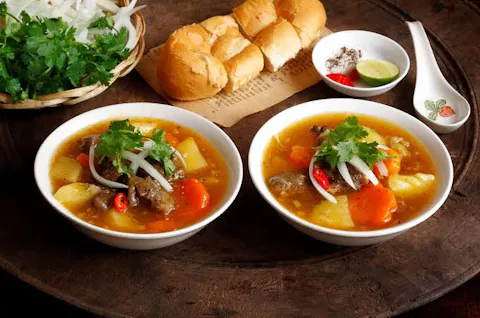
Bò Kho: Vietnamese Beef Stew with Aromatic Spices
Bò Kho is a rich and aromatic Vietnamese beef stew made with tender pieces of beef, carrots, lemongrass, garlic, chili, and fragrant spices. Slow-cooked until the meat becomes tender, the dish develops a flavorful broth with savory, spicy, sweet, and aromatic notes. Bò Kho can be enjoyed in several ways, commonly served with Vietnamese baguette for dipping or rice noodles for a heartier meal. Popular throughout Vietnam, this comforting dish reflects the country's distinctive combination of fresh herbs, spices, and slow-cooked flavors.
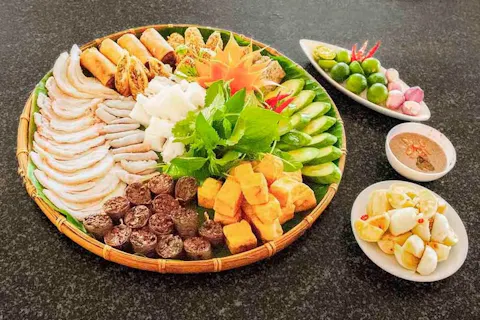
Bún Đậu Mắm Tôm: Vietnam's Fermented Shrimp Paste Noodle Platter
Bún Đậu Mắm Tôm is a popular Vietnamese street food platter featuring fresh rice vermicelli, crispy fried tofu, herbs, and savory pork served with fermented shrimp paste. Traditionally associated with Hanoi and northern Vietnamese cuisine, the dish is known for its contrasting textures and bold, salty, umami-rich dipping sauce. Other ingredients may include pork belly, Vietnamese sausage, fried pork intestines, or crispy pork. For travelers exploring Vietnamese food, Bún Đậu Mắm Tôm offers a distinctive local experience and an introduction to Vietnam's love of fermented flavors.
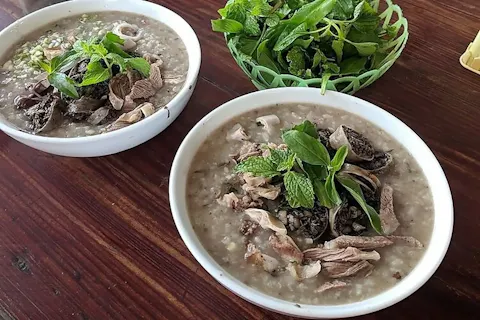
Cháo Lòng: Vietnam's Pork Offal Rice Porridge
Cháo Lòng is a traditional Vietnamese rice porridge served with assorted pork offal, such as liver, intestines, heart, and stomach, along with fresh herbs and savory seasonings. The creamy rice porridge provides a mild base that complements the rich and varied textures of the pork toppings. Often enjoyed as a hearty breakfast or casual meal, Cháo Lòng is especially popular at local eateries and traditional markets across Vietnam. Discover its ingredients, preparation, flavors, cultural background, and how locals traditionally enjoy this distinctive Vietnamese dish.