
- Destinations
Northern Vietnam
Central Vietnam
- Attractions
Categories
World Heritage
Historical & Cultural
- Things To Do
Categories
Outdoor Adventures
- Food & Drink
Categories
Vietnamese Dishes
- Travel & Planning
Categories
- Inspiration
Categories
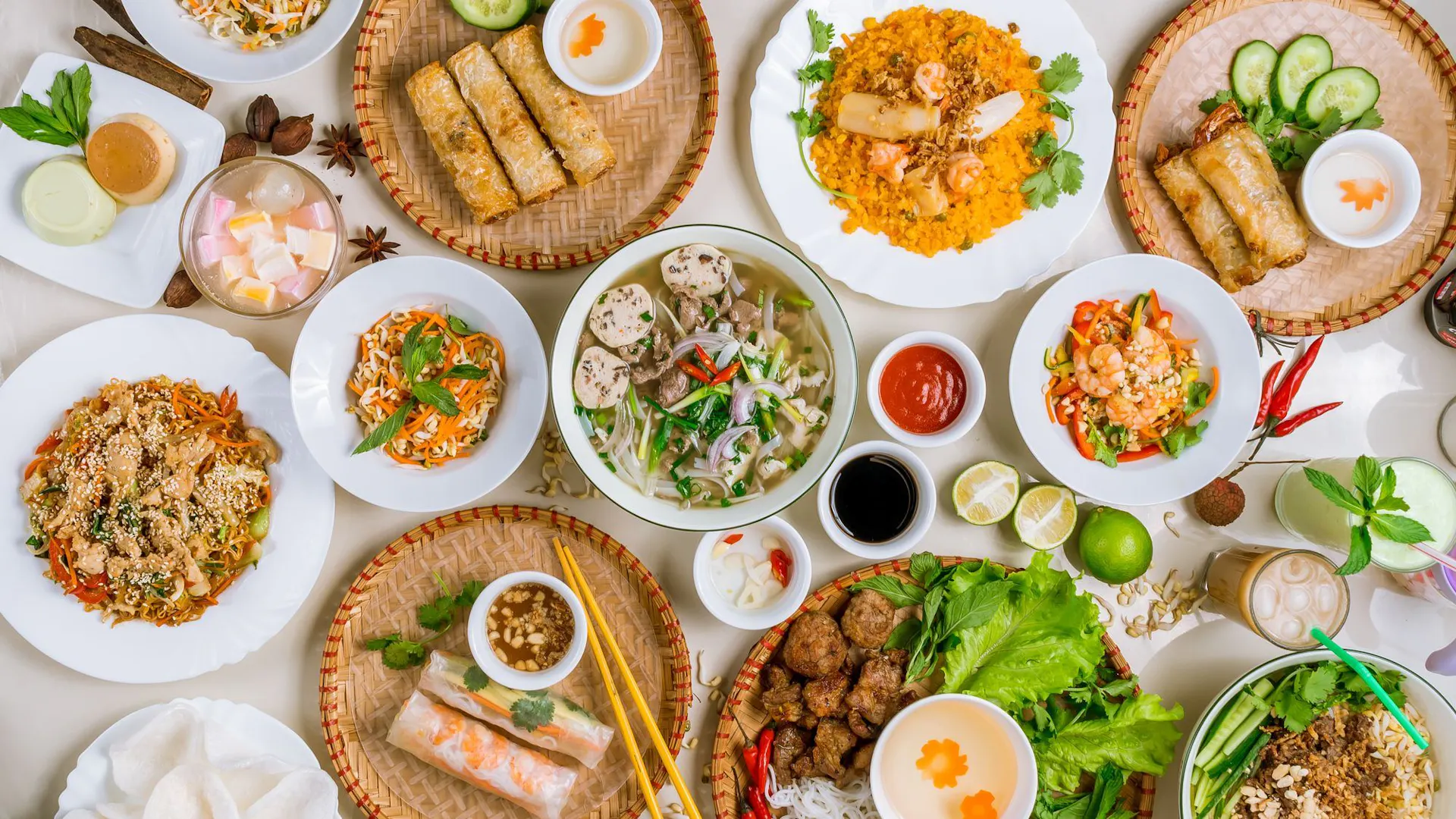
Vietnamese cuisine changes noticeably from north to south, shaped by geography, climate, local ingredients, history, and regional traditions. Northern Vietnam is known for balanced flavors and dishes such as pho and bun cha, while Central Vietnam is celebrated for distinctive seasonings and specialties including bun bo Hue and mi Quang. Southern cuisine often features tropical ingredients, freshwater seafood, and sweeter flavor profiles. This guide explores Vietnamese food by region, highlighting signature dishes, key food cities, ingredients, and culinary traditions travelers can experience across Vietnam.
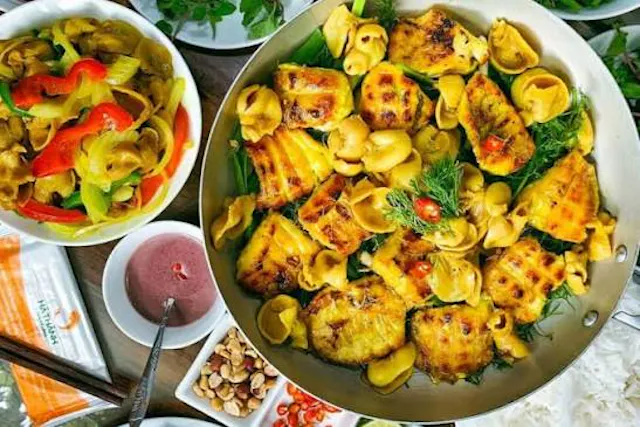
Vietnamese cuisine is not a single, uniform culinary tradition. From the cooler landscapes of the north to the tropical Mekong Delta in the south, local food changes according to climate, geography, agriculture, history, and cultural influences. Understanding regional cuisine in Vietnam gives travelers a better idea of what to expect when moving between cities and helps explain why the same ingredient or dish can taste noticeably different from one region to another.
Northern Vietnamese cuisine is often associated with balanced seasoning and a restrained use of sweetness and spice. Hanoi is one of the country's most important food destinations, with specialties such as phở, bún chả, bánh cuốn, and chả cá. Northern cooking commonly highlights the natural flavors of ingredients while using herbs, fish sauce, and aromatic vegetables to create depth.
Central Vietnamese cuisine reflects the region's coastal environment, historical food traditions, and the culinary heritage of cities such as Hue, Da Nang, and Hoi An. Dishes often feature distinctive seasoning, chili, seafood, and carefully prepared sauces. Travelers can explore specialties including bún bò Huế, mì Quảng, cao lầu, bánh bèo, bánh nậm, and bánh lọc. Hue in particular is known for a wide variety of small, carefully presented traditional dishes.
Southern Vietnamese cuisine is influenced by the region's warm climate, fertile waterways, and abundant tropical produce. Southern dishes often incorporate coconut, freshwater fish, herbs, and fruit, with some recipes featuring sweeter flavor profiles. Cơm tấm, hủ tiếu, bánh xèo, and various Mekong Delta specialties are examples of the region's diverse food culture.
These regional distinctions are useful guidelines rather than strict rules. Migration, trade, tourism, and modern cooking have allowed Vietnamese dishes to travel across the country. A food-focused journey through Vietnam is therefore best approached with curiosity: try familiar dishes in different destinations, sample local specialties, and compare how ingredients, seasonings, and cooking techniques change from north to south.
Explore the rich diversity of Vietnamese food through regional specialties from north to south. Discover authentic local dishes, traditional recipes, street food favorites, fresh seafood, mountain delicacies, and iconic flavors that showcase the unique culinary heritage of every region across Vietnam.
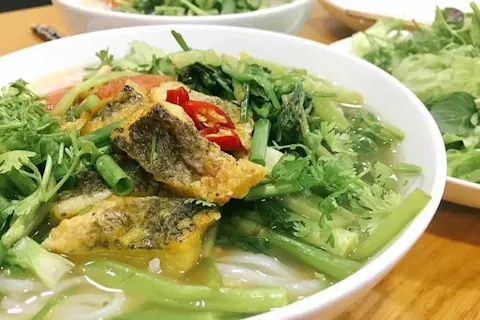
Bún Cá Rô Đồng is a traditional Vietnamese noodle soup featuring freshwater climbing perch, known locally as cá rô đồng, served with rice vermicelli and a flavorful broth. The fish is often prepared to create tender pieces with a naturally delicate flavor, while fresh herbs and vegetables add freshness and texture. Popular in northern and northern-central Vietnam, this rustic dish reflects the country's tradition of using locally sourced freshwater ingredients. Discover the ingredients, preparation, regional character, flavors, and cultural background of Bún Cá Rô Đồng.
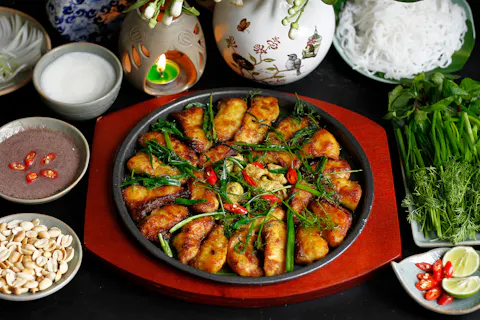
Chả Cá Lã Vọng is one of Hanoi's most famous traditional dishes, featuring pieces of fish marinated with turmeric and spices, then cooked with fresh dill and scallions. The sizzling fish is typically served with rice vermicelli, roasted peanuts, fresh herbs, and fermented shrimp paste known as mắm tôm. Rich, aromatic, and deeply savory, the dish combines the flavors of turmeric, herbs, grilled fish, and traditional Vietnamese seasonings. Discover its history, ingredients, preparation, and the traditional way to enjoy this iconic Hanoi specialty.
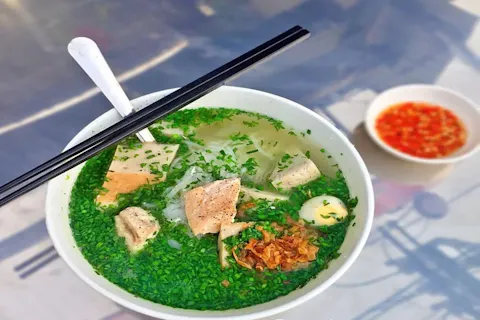
Bánh Canh Hẹ is a signature noodle soup from Phú Yên Province, famous for its thick chewy noodles, flavorful seafood broth, fish cakes, fresh fish, and generous topping of chopped chives. Unlike other Vietnamese noodle soups, the vibrant green layer of aromatic chives gives the dish its distinctive appearance and unforgettable flavor. Combining fresh coastal ingredients with traditional cooking techniques, Bánh Canh Hẹ offers one of Central Vietnam’s most authentic culinary experiences. Go Visit Vietnam introduces this remarkable regional specialty.
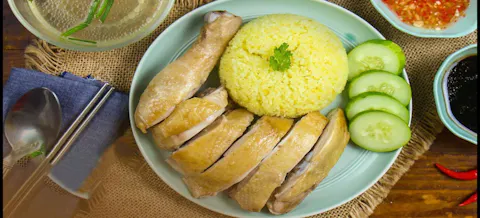
Tam Kỳ Chicken Rice, known locally as Cơm Gà Tam Kỳ, is one of Quảng Nam’s most beloved traditional dishes. Featuring fragrant turmeric rice, tender free-range chicken, fresh herbs, pickled vegetables, and a flavorful broth, this specialty offers a perfect balance of richness and freshness. Prepared using locally raised chickens and time-honored family recipes, Cơm Gà Tam Kỳ has become an essential culinary experience for visitors exploring Central Vietnam. Go Visit Vietnam introduces everything you need to know about this regional favorite.
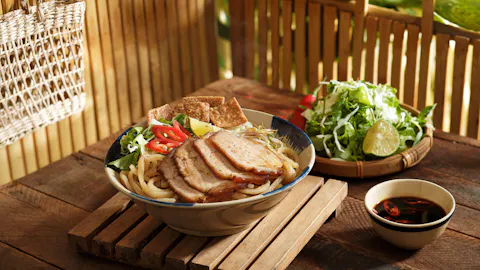
Cao Lầu is a distinctive noodle dish closely associated with Hội An in Central Vietnam. It features thick, chewy rice noodles topped with slices of seasoned pork, fresh herbs, bean sprouts, and crispy pork cracklings, served with a small amount of savory broth or sauce. Known for its unique texture and strong connection to Hội An's culinary heritage, Cao Lầu is unlike other Vietnamese noodle dishes. Discover its ingredients, preparation, history, distinctive flavors, and why this regional specialty is essential to try in Hội An.
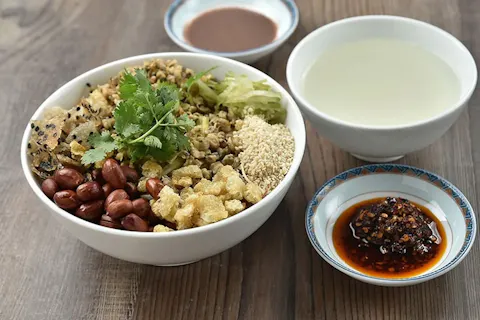
Cơm Hến, or Baby Basket Clams Rice, is one of Hue’s most distinctive traditional dishes. Made with steamed rice topped with tiny freshwater basket clams, fresh herbs, shredded vegetables, roasted peanuts, crispy pork cracklings, and spicy seasonings, it delivers an unforgettable balance of textures and flavors. Often served with a bowl of hot clam broth on the side, Cơm Hến represents the bold, refined character of Central Vietnamese cuisine. Go Visit Vietnam explores everything you need to know about this authentic Hue specialty.
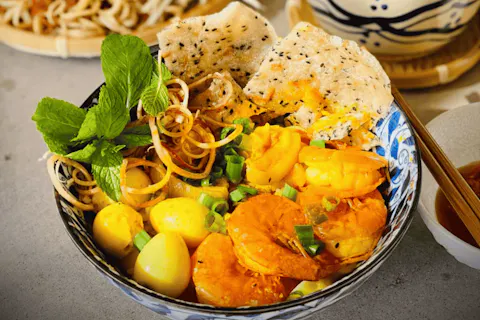
Mì Quảng is a distinctive noodle dish from Central Vietnam, especially associated with Quảng Nam and Đà Nẵng. It features wide rice noodles colored with turmeric and served with a small amount of rich, savory broth, shrimp, pork, chicken, or other toppings. Fresh herbs, peanuts, crispy rice crackers, and lime add contrasting textures and flavors. Unlike a typical noodle soup, Mì Quảng is served with just enough broth to coat the noodles, creating a balanced and flavorful dish that reflects the culinary traditions of Central Vietnam.
Vietnamese cuisine is commonly divided into three broad culinary regions: Northern Vietnam, Central Vietnam, and Southern Vietnam. Each region has its own flavor preferences, ingredients, cooking methods, and traditional dishes, although there is considerable overlap between regions.
Northern Vietnamese food is generally associated with balanced and relatively subtle flavors. Central Vietnamese cuisine is known for distinctive seasoning, chili, seafood, and carefully prepared dishes. Southern Vietnamese food often makes greater use of tropical ingredients and may feature sweeter flavor profiles. These are broad tendencies rather than strict rules.
Northern Vietnam is known for dishes such as phở, bún chả, bánh cuốn, chả cá, and bún đậu mắm tôm. Hanoi is an important destination for experiencing Northern Vietnamese cuisine, while other northern provinces have their own regional specialties.
Central Vietnam is famous for bún bò Huế, mì Quảng, cao lầu, bánh bèo, bánh nậm, bánh lọc, and bánh xèo. Hue, Da Nang, and Hoi An are among the best-known destinations for exploring Central Vietnamese food.
Southern Vietnam is known for dishes such as cơm tấm, hủ tiếu, bánh xèo, bò lá lốt, and a wide range of Mekong Delta specialties. Southern cooking commonly uses fresh herbs, tropical produce, coconut, freshwater fish, and other ingredients readily available in the region.
Central Vietnamese cuisine is generally the region most associated with spicy and strongly seasoned dishes, particularly in and around Hue. However, not every Central Vietnamese dish is spicy, and chili can often be adjusted according to personal preference.
Southern Vietnamese cuisine often uses more sugar and sweet ingredients than Northern cuisine, but this should be considered a general culinary tendency rather than a universal rule. Individual dishes and family recipes can vary considerably.
Hanoi is an excellent destination for Northern cuisine, while Hue, Da Nang, and Hoi An are major destinations for Central Vietnamese food. Ho Chi Minh City, Can Tho, and other Mekong Delta destinations offer opportunities to explore Southern cuisine and local river-based specialties.
Yes. Some dishes have regional variations in ingredients, seasoning, preparation, and serving style. Bánh xèo, for example, can differ considerably between Central and Southern Vietnam. Phở and other noodle dishes can also have regional characteristics depending on where they are prepared.
Geography has a major influence on local food. Coastal communities have access to abundant seafood, river and delta regions use freshwater fish and aquatic ingredients, while fertile agricultural areas provide rice, vegetables, herbs, and tropical produce. Mountainous areas also have distinctive local ingredients and cooking traditions.
Advertising box