
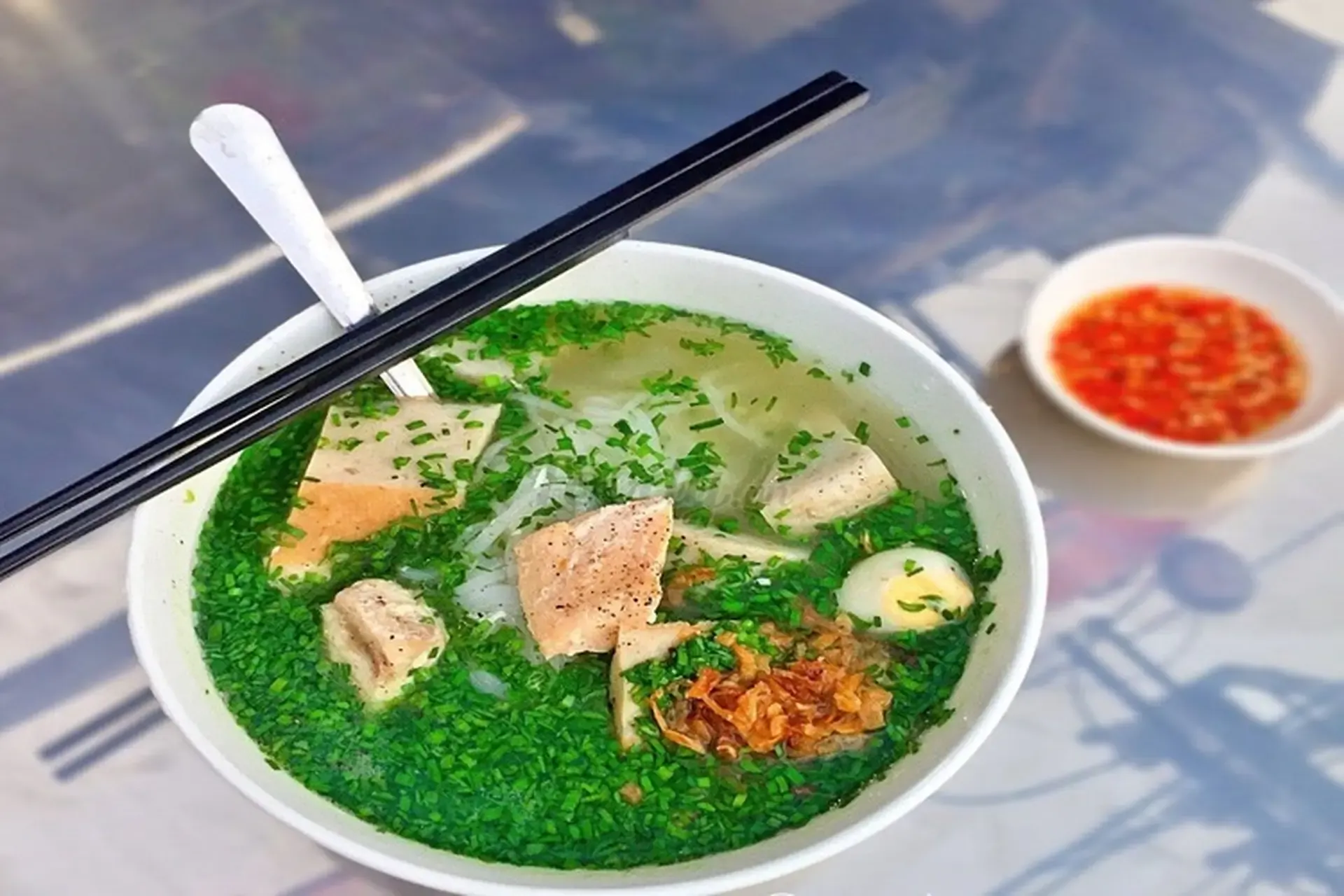
Bánh Canh Hẹ (Chive Noodle Soup)
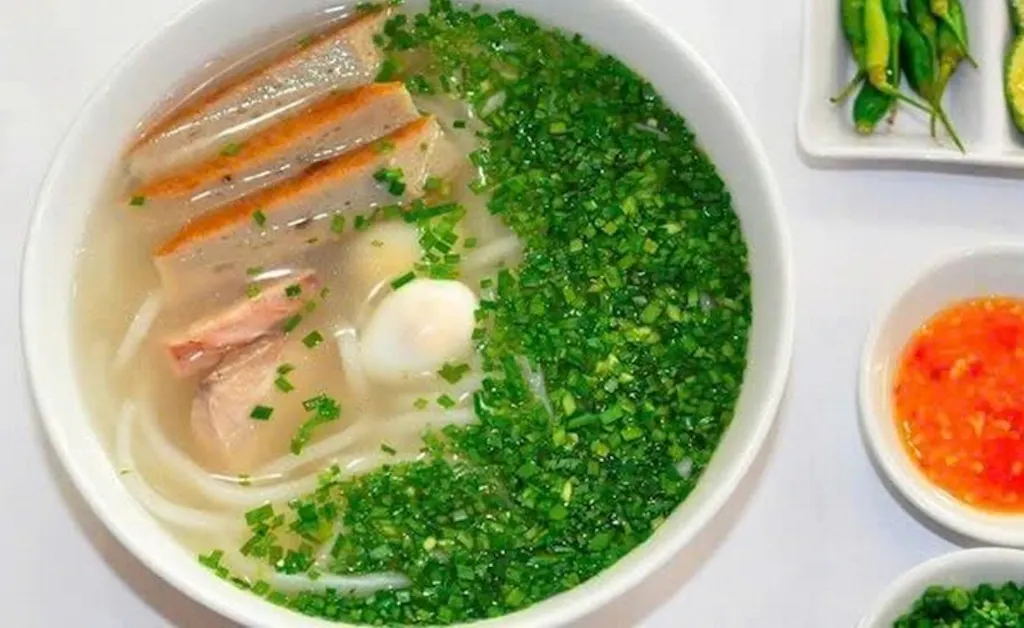
Bánh Canh Hẹ is a signature noodle soup from Phú Yên Province, famous for its thick chewy noodles, flavorful seafood broth, fish cakes, fresh fish, and generous topping of chopped chives. Unlike other Vietnamese noodle soups, the vibrant green layer of aromatic chives gives the dish its distinctive appearance and unforgettable flavor. Combining fresh coastal ingredients with traditional cooking techniques, Bánh Canh Hẹ offers one of Central Vietnam’s most authentic culinary experiences. Go Visit Vietnam introduces this remarkable regional specialty.
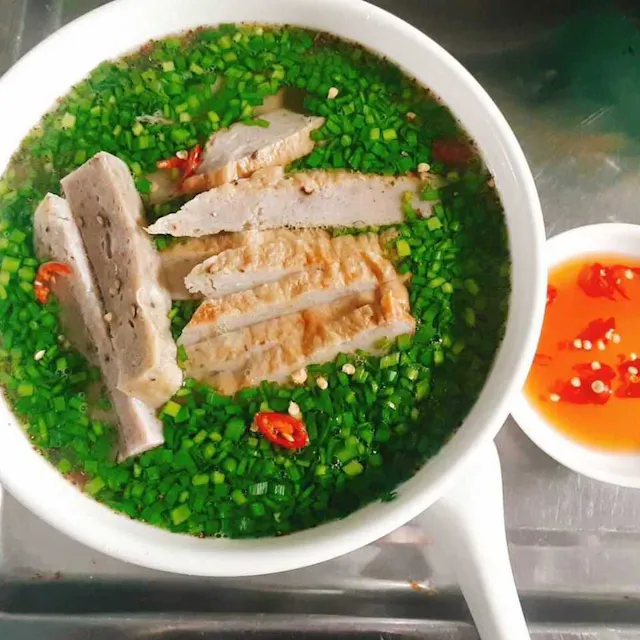
Bánh Canh Hẹ – Phú Yên’s Fragrant Chive Noodle Soup
Bánh Canh Hẹ is one of the most distinctive noodle dishes in Central Vietnam and a culinary icon of Phú Yên Province. Instantly recognizable by the generous layer of bright green chopped chives covering the surface, this comforting noodle soup combines fresh seafood, chewy rice noodles, and a naturally sweet broth into a meal that is both simple and unforgettable. For many visitors, it is one of the first dishes to try when exploring the coastal cuisine of Phú Yên.
The heart of Bánh Canh Hẹ lies in its broth. Prepared from fresh fish bones and seafood, the broth is simmered slowly to develop a clean, naturally sweet flavor without becoming heavy. Rather than relying on strong spices, the soup highlights the freshness of its ingredients, allowing the seafood and herbs to shine.
The noodles are another defining feature. Unlike the thin rice noodles used in Phở or Bún, Bánh Canh uses thick, chewy noodles traditionally made from rice flour or tapioca flour. Their smooth texture pairs perfectly with the light broth, making each spoonful satisfying while still delicate.
Fresh seafood plays an important role in the dish. A traditional bowl often includes slices of fresh fish, handmade fish cakes (chả cá), fish balls, or other local seafood depending on seasonal availability. The seafood contributes both sweetness and protein, reflecting Phú Yên’s long coastline and abundant fishing traditions.
What truly sets Bánh Canh Hẹ apart is the generous amount of chopped chives (hẹ) placed on top of the soup just before serving. The fresh chives release their aroma into the hot broth, adding a pleasant herbal fragrance and a mild onion-like flavor that perfectly complements the seafood. The vibrant green topping also gives the dish its striking appearance.
Locals often enjoy Bánh Canh Hẹ for breakfast, but it is equally popular throughout the day. Diners may add fresh chili, lime, fish sauce, or black pepper to customize the flavor, while the soup remains light enough to enjoy even in Vietnam’s warm climate.
Today, Bánh Canh Hẹ remains one of Phú Yên’s proudest culinary traditions. Family-run restaurants and local noodle shops continue to prepare it using recipes passed down through generations, preserving its authentic taste and regional identity.
For travelers seeking lesser-known Vietnamese specialties beyond the country's famous noodle dishes, Bánh Canh Hẹ offers a unique and memorable experience. Go Visit Vietnam highly recommends enjoying an authentic bowl in Phú Yên to discover the fresh flavors and coastal heritage that make this noodle soup truly special.
Signature Ingredients of Bánh Canh Hẹ
Bánh Canh Hẹ is defined by its fresh coastal ingredients and fragrant herbs. Every bowl combines chewy noodles, naturally sweet seafood, and vibrant chives to create one of Phú Yên’s most distinctive culinary specialties.
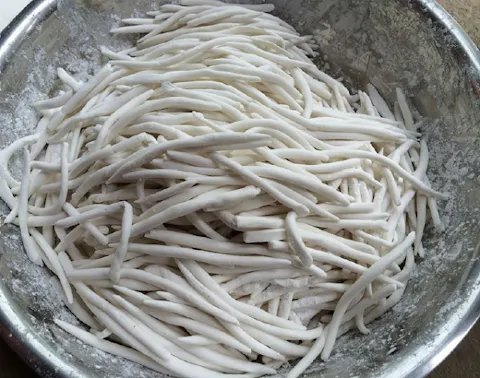
Thick Rice or Tapioca Noodles↗
Bánh Canh uses thick, chewy noodles made from rice flour or tapioca flour. Their smooth texture absorbs the light seafood broth while providing the satisfying bite that distinguishes Bánh Canh from other Vietnamese noodle soups.
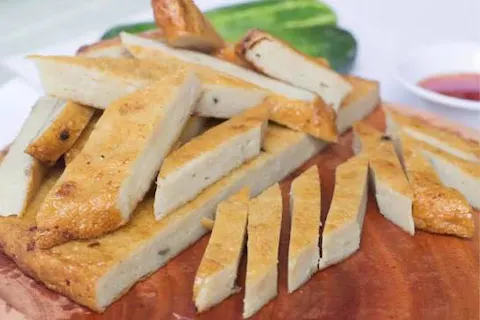
Fresh Fish & Handmade Fish Cakes↗
Fresh local fish, fish cakes (chả cá), and fish balls are essential toppings. Prepared from freshly caught seafood, they add delicate sweetness, firm texture, and authentic coastal flavor to every bowl.
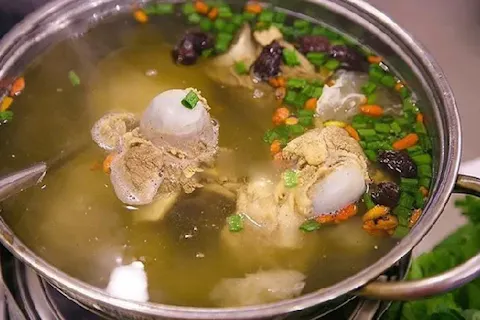
Fresh Chives & Seafood Broth↗
A generous layer of freshly chopped chives is the signature feature of Bánh Canh Hẹ. Combined with a clear broth simmered from fish bones and seafood, the aromatic herbs create a refreshing fragrance and distinctive taste that make this Phú Yên specialty instantly recognizable.
Frequently Asked Questions About Bánh Canh Hẹ
What is Bánh Canh Hẹ?
Bánh Canh Hẹ is a traditional noodle soup from Phú Yên Province made with thick rice or tapioca noodles, fresh fish, handmade fish cakes, a light seafood broth, and a generous topping of freshly chopped chives. It is one of Central Vietnam’s signature dishes.
Why does Bánh Canh Hẹ contain so many chives?
Fresh chives are the defining ingredient of the dish. They add a fragrant herbal aroma and mild onion-like flavor that perfectly complements the naturally sweet seafood broth while giving the soup its distinctive green appearance.
What is the broth made from?
The broth is typically simmered from fish bones and fresh seafood, producing a light, naturally sweet stock that enhances the flavor of the noodles and fish without overpowering them with heavy seasoning.
Where can I find authentic Bánh Canh Hẹ?
The most authentic Bánh Canh Hẹ is found in Phú Yên Province, particularly in Tuy Hòa City. Many local noodle shops and family-run restaurants continue to prepare the dish using traditional recipes and freshly caught seafood.
Is Bánh Canh Hẹ spicy?
The soup itself is generally mild and naturally savory. However, it is often served with fresh chili, chili sauce, lime, and fish sauce, allowing diners to adjust the flavor and spice level according to their personal preference.
Advertising box
Discover Vietnam's Regional Cuisine
Explore the rich diversity of Vietnamese food through regional specialties from north to south. Discover authentic local dishes, traditional recipes, street food favorites, fresh seafood, mountain delicacies, and iconic flavors that showcase the unique culinary heritage of every region across Vietnam.
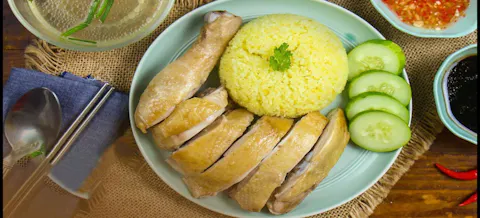
Tam Kỳ Chicken Rice (Cơm Gà Tam Kỳ)
Tam Kỳ Chicken Rice, known locally as Cơm Gà Tam Kỳ, is one of Quảng Nam’s most beloved traditional dishes. Featuring fragrant turmeric rice, tender free-range chicken, fresh herbs, pickled vegetables, and a flavorful broth, this specialty offers a perfect balance of richness and freshness. Prepared using locally raised chickens and time-honored family recipes, Cơm Gà Tam Kỳ has become an essential culinary experience for visitors exploring Central Vietnam. Go Visit Vietnam introduces everything you need to know about this regional favorite.
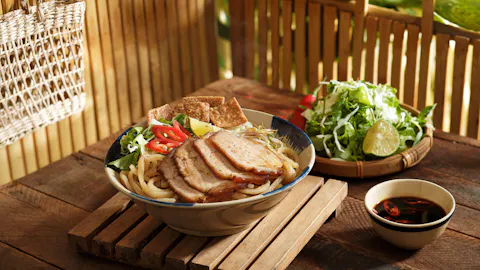
Cao Lầu: Hoi An's Famous Noodle Dish
Cao Lầu is a distinctive noodle dish closely associated with Hội An in Central Vietnam. It features thick, chewy rice noodles topped with slices of seasoned pork, fresh herbs, bean sprouts, and crispy pork cracklings, served with a small amount of savory broth or sauce. Known for its unique texture and strong connection to Hội An's culinary heritage, Cao Lầu is unlike other Vietnamese noodle dishes. Discover its ingredients, preparation, history, distinctive flavors, and why this regional specialty is essential to try in Hội An.
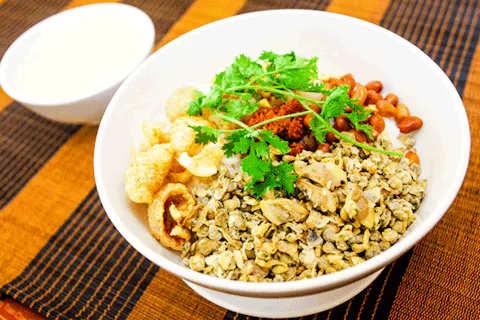
Cơm Hến (Baby Basket Clams Rice)
Cơm Hến, or Baby Basket Clams Rice, is one of Hue’s most distinctive traditional dishes. Made with steamed rice topped with tiny freshwater basket clams, fresh herbs, shredded vegetables, roasted peanuts, crispy pork cracklings, and spicy seasonings, it delivers an unforgettable balance of textures and flavors. Often served with a bowl of hot clam broth on the side, Cơm Hến represents the bold, refined character of Central Vietnamese cuisine. Go Visit Vietnam explores everything you need to know about this authentic Hue specialty.
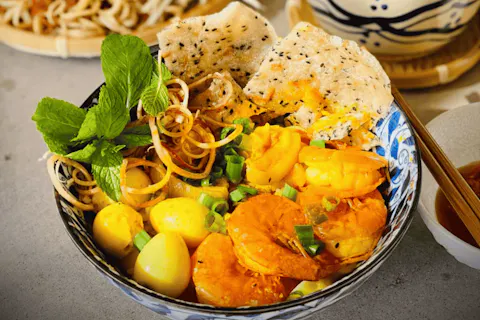
Mì Quảng: Vietnam's Turmeric Rice Noodle Dish
Mì Quảng is a distinctive noodle dish from Central Vietnam, especially associated with Quảng Nam and Đà Nẵng. It features wide rice noodles colored with turmeric and served with a small amount of rich, savory broth, shrimp, pork, chicken, or other toppings. Fresh herbs, peanuts, crispy rice crackers, and lime add contrasting textures and flavors. Unlike a typical noodle soup, Mì Quảng is served with just enough broth to coat the noodles, creating a balanced and flavorful dish that reflects the culinary traditions of Central Vietnam.