
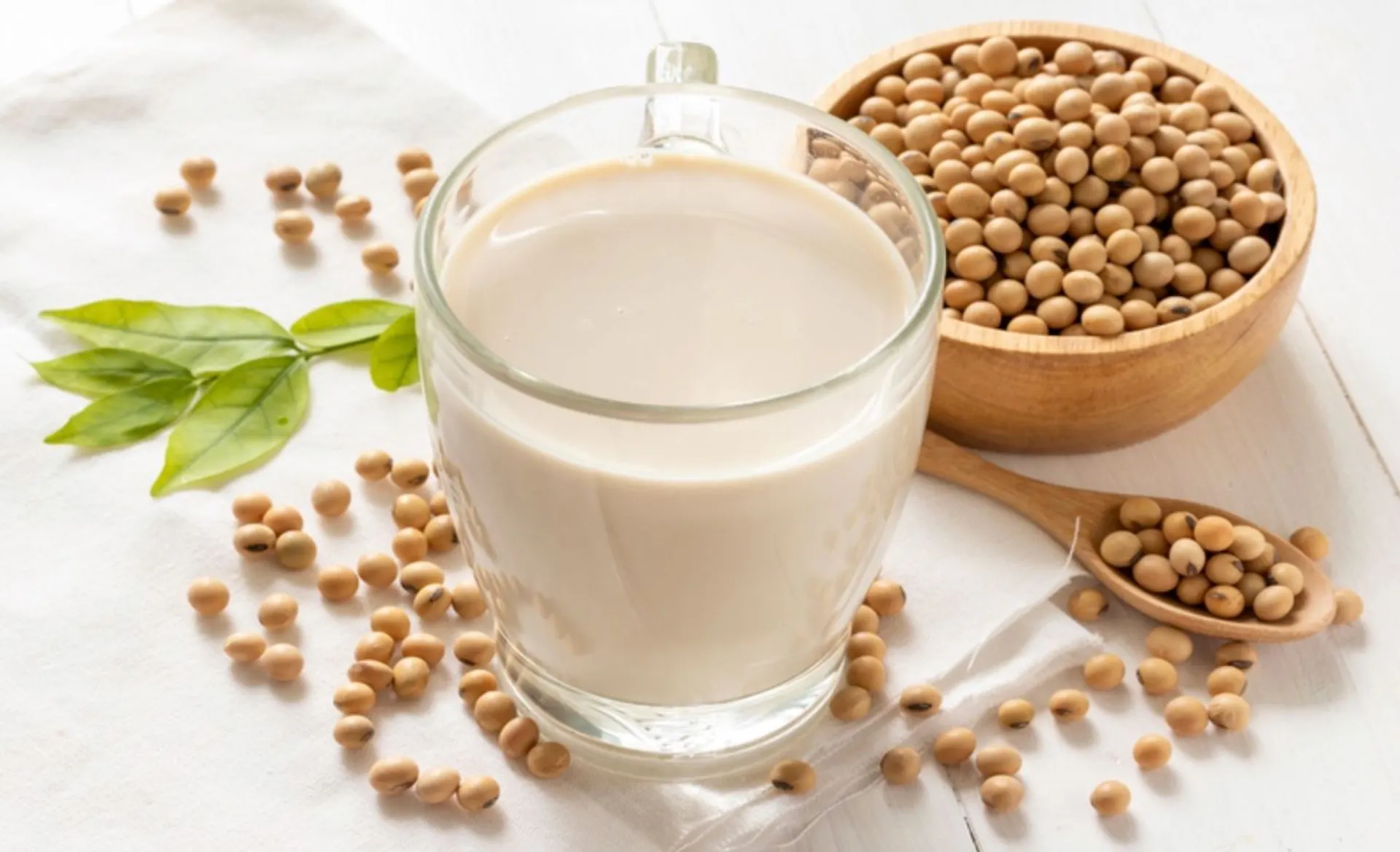
Sữa Đậu Nành: Vietnam's Traditional Fresh Soy Milk Drink
Sữa Đậu Nành is a popular Vietnamese soy milk drink made from freshly prepared soybeans, water, and often sugar. It is commonly served warm or chilled at local markets, street stalls, breakfast shops, and casual drink vendors throughout Vietnam. Smooth, creamy, and mildly nutty, Vietnamese soy milk is enjoyed as an affordable everyday beverage and can be paired with traditional snacks or breakfast foods. Some vendors offer variations flavored with pandan, sesame, or other ingredients, adding new aromas and textures to this familiar Vietnamese drink.
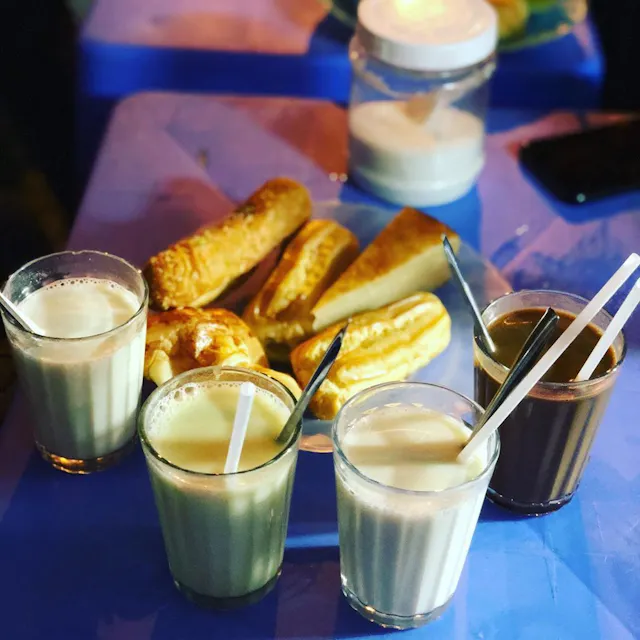
About Sữa Đậu Nành:
Sữa Đậu Nành is a popular Vietnamese soy milk drink made from soybeans and water, often sweetened with sugar and served either warm or chilled. Smooth, creamy, and mildly nutty, it is a familiar everyday beverage found at local markets, breakfast stalls, street drink vendors, and small cafés throughout Vietnam.
Unlike many packaged soy milk products, traditional Vietnamese Sữa Đậu Nành is often prepared fresh. Vendors soak soybeans, grind them with water, filter the mixture, and cook the resulting soy milk before serving. This simple preparation gives the drink a fresh aroma and a naturally creamy texture.
What Is Sữa Đậu Nành?
Sữa Đậu Nành literally means soy milk in Vietnamese. “Sữa” means milk, while “đậu nành” refers to soybeans. The drink is traditionally made by extracting liquid from soaked soybeans and then cooking it.
Fresh Vietnamese soy milk is usually lightly sweetened, although customers may be able to request different levels of sweetness. It can be served hot in the morning or poured over ice for a refreshing drink later in the day.
The drink is especially common as an affordable breakfast beverage. It can be enjoyed on its own or alongside Vietnamese pastries, bread, sticky rice, and other light foods.
How Is Vietnamese Soy Milk Made?
Traditional Sữa Đậu Nành starts with dried soybeans. The beans are soaked in water for several hours, allowing them to soften and absorb moisture. They are then washed and ground with fresh water to create a soybean mixture.
The mixture is filtered to separate the liquid soy milk from the solid soybean pulp. The extracted liquid is then heated and cooked thoroughly before being served.
Sugar may be added during or after cooking, depending on the vendor's recipe. Some sellers prepare large batches in advance and keep the soy milk warm, while others serve it chilled with ice.
The preparation process is relatively simple, but the quality of the final drink depends on the freshness of the soybeans, the amount of water used, and the balance of sweetness.
What Does Sữa Đậu Nành Taste Like?
Vietnamese soy milk has a mild, creamy, and slightly nutty flavor. Freshly prepared soy milk may have a noticeable soybean aroma, while sweetened versions are smoother and more approachable for first-time visitors.
Warm Sữa Đậu Nành tends to have a richer and more comforting character, making it popular for breakfast or cooler mornings. Chilled soy milk is lighter and more refreshing, particularly in Vietnam's warm climate.
The drink is generally not heavily flavored, allowing the natural taste of soybeans to remain the main characteristic.
Popular Vietnamese Soy Milk Variations
Although plain sweetened soy milk is the traditional choice, Vietnamese vendors offer a variety of combinations.
One popular variation includes pandan, which adds a fragrant, slightly floral aroma and a subtle green color. Some vendors also combine soy milk with black sesame, creating a deeper nutty flavor and darker appearance.
Soy milk may also be served alongside other traditional soy-based drinks, such as sữa đậu xanh made from mung beans. In some local markets, vendors offer several freshly prepared bean-based beverages together.
These variations reflect the diversity of Vietnamese street drinks, where simple ingredients can be combined to create different flavors.
Sữa Đậu Nành in Vietnamese Street Food Culture
Sữa Đậu Nành is closely connected to everyday Vietnamese food culture. It is not typically considered a luxury beverage or a specialty reserved for tourists. Instead, it is an inexpensive drink that locals regularly enjoy as part of breakfast or a quick snack.
Street vendors often sell soy milk from small stalls near markets, schools, bus stations, and residential neighborhoods. In the morning, it may be served warm in a simple cup or plastic container. Later in the day, chilled versions are common.
This everyday setting makes Sữa Đậu Nành an interesting choice for travelers who want to experience ordinary Vietnamese food culture beyond famous dishes.
Where Can You Try Sữa Đậu Nành?
Fresh soy milk is widely available throughout Vietnam. Travelers can find it in traditional markets, local breakfast stalls, street beverage shops, and small cafés.
In major cities such as Hanoi, Ho Chi Minh City, Da Nang, and Can Tho, soy milk is often easy to find alongside other popular Vietnamese drinks. Local markets are particularly good places to look for freshly prepared versions.
When ordering, visitors can usually choose between warm and chilled soy milk. Some vendors may also offer different sweetness levels or flavored variations.
Why Try Sữa Đậu Nành?
Sữa Đậu Nành offers a simple introduction to Vietnam's tradition of fresh, affordable street beverages. Its mild flavor and creamy texture make it easy to enjoy, while its preparation reflects the country's long-standing use of soybeans and other plant-based ingredients.
For travelers exploring Vietnamese cuisine, trying a cup of fresh soy milk at a local market or breakfast stall provides more than just a drink. It offers a glimpse into everyday life, where simple beverages are enjoyed alongside breakfast, snacks, and casual conversations.
From warm morning soy milk to an iced afternoon version, Sữa Đậu Nành remains a familiar and versatile Vietnamese drink that can be found across the country.
Featured Ingredients of Sữa Đậu Nành
Sữa Đậu Nành is a simple Vietnamese drink made primarily from soybeans and water, with sugar commonly added for sweetness. Some traditional and modern variations include additional ingredients that enhance its aroma, flavor, and texture.
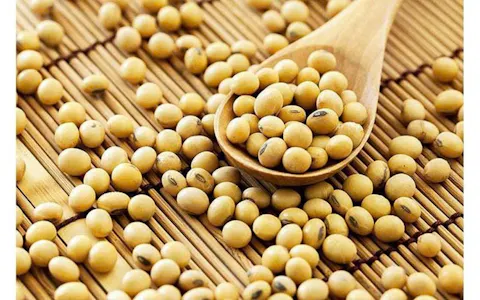
Soybeans↗
Soybeans are the essential ingredient in Sữa Đậu Nành. Dried soybeans are soaked, washed, and ground with water before being filtered and cooked. They provide the drink with its characteristic creamy texture, mild nutty flavor, and fresh soybean aroma.

Water↗
Water is used to soak and grind the soybeans and forms the liquid base of the finished drink. The amount of water affects the richness and consistency of the soy milk. Fresh, clean water helps create a smooth and balanced beverage.
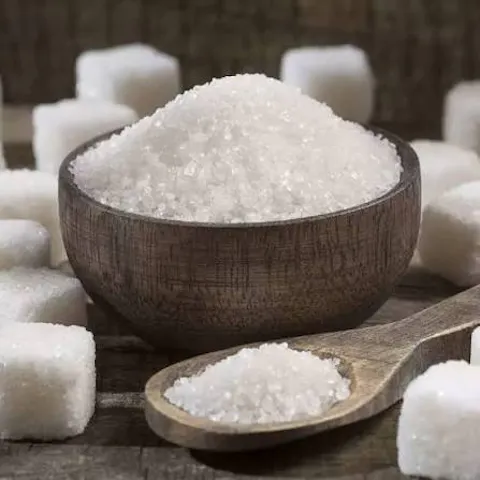
Sugar↗
Sugar is commonly added to Vietnamese soy milk to balance the natural bean flavor and create a lightly sweet taste. The sweetness can vary between vendors, and some stalls allow customers to choose how sweet they want their drink. Pandan or black sesame may also be added in certain variations.

Frequently Asked Questions About Sữa Đậu Nành
What is Sữa Đậu Nành?
Sữa Đậu Nành is Vietnamese soy milk made by soaking, grinding, filtering, and cooking soybeans with water. It is commonly sweetened with sugar and served either warm or chilled. Fresh soy milk is widely available at local markets, breakfast stalls, street vendors, and small cafés throughout Vietnam.
What does Vietnamese Sữa Đậu Nành taste like?
Sữa Đậu Nành has a smooth and creamy texture with a mild nutty and soybean flavor. Sweetened versions have a lightly sweet taste, while freshly prepared soy milk may have a stronger natural bean aroma. Warm soy milk tends to feel richer, while iced soy milk is lighter and more refreshing.
What ingredients are used to make Sữa Đậu Nành?
The main ingredients are soybeans and water. Sugar is commonly added to provide sweetness. Depending on the vendor, additional ingredients such as pandan or black sesame may be used to create different flavors and aromas.
How is Vietnamese soy milk made?
Dried soybeans are soaked in water until they become soft, then washed and ground with fresh water. The mixture is filtered to separate the liquid from the soybean pulp. The extracted soy milk is then cooked thoroughly before being sweetened and served warm or chilled.
Is Sữa Đậu Nành served hot or cold?
Sữa Đậu Nành can be served either warm or chilled. Warm soy milk is particularly popular for breakfast and during cooler weather, while iced soy milk is refreshing in Vietnam's hot climate. The serving style varies depending on the vendor and personal preference.
Advertising box