
Nước Mía: Vietnam's Fresh Sugarcane Juice
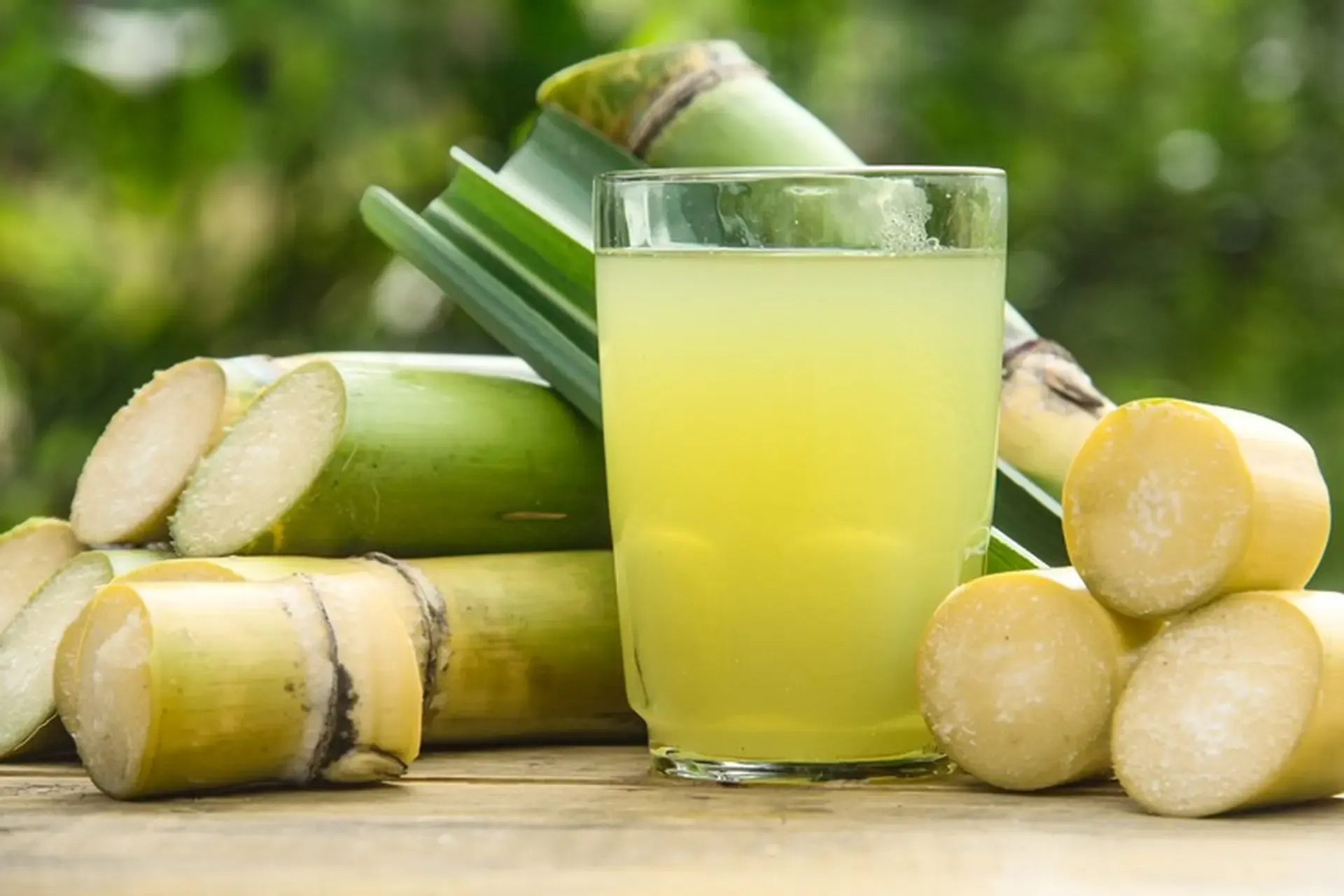
Nước Mía is Vietnam's popular fresh sugarcane juice, made by pressing sugarcane stalks through a specialized machine to extract a naturally sweet and refreshing drink. It is commonly served chilled over ice, sometimes with a splash of lime or kumquat juice to add a bright citrus flavor. Widely available at street stalls, markets, and casual drink shops across Vietnam, Nước Mía is an affordable way to cool down in the tropical climate. Discover its ingredients, preparation, flavor, cultural popularity, and where to try it.
About Nước Mía
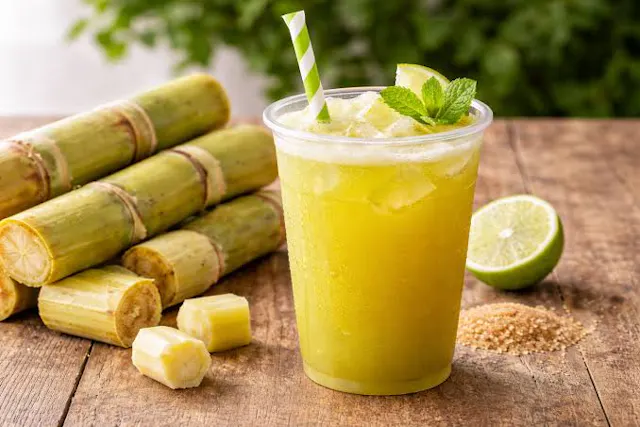
Nước Mía is one of Vietnam's most popular traditional street drinks, made by pressing fresh sugarcane stalks to extract a naturally sweet and refreshing juice. The Vietnamese name “nước mía” literally means sugarcane juice, with “nước” meaning water or liquid and “mía” meaning sugarcane. Unlike many packaged soft drinks, Nước Mía is usually prepared fresh to order, making it a familiar sight at Vietnamese street stalls, markets, roadside shops, and local food areas.
What Is Nước Mía?
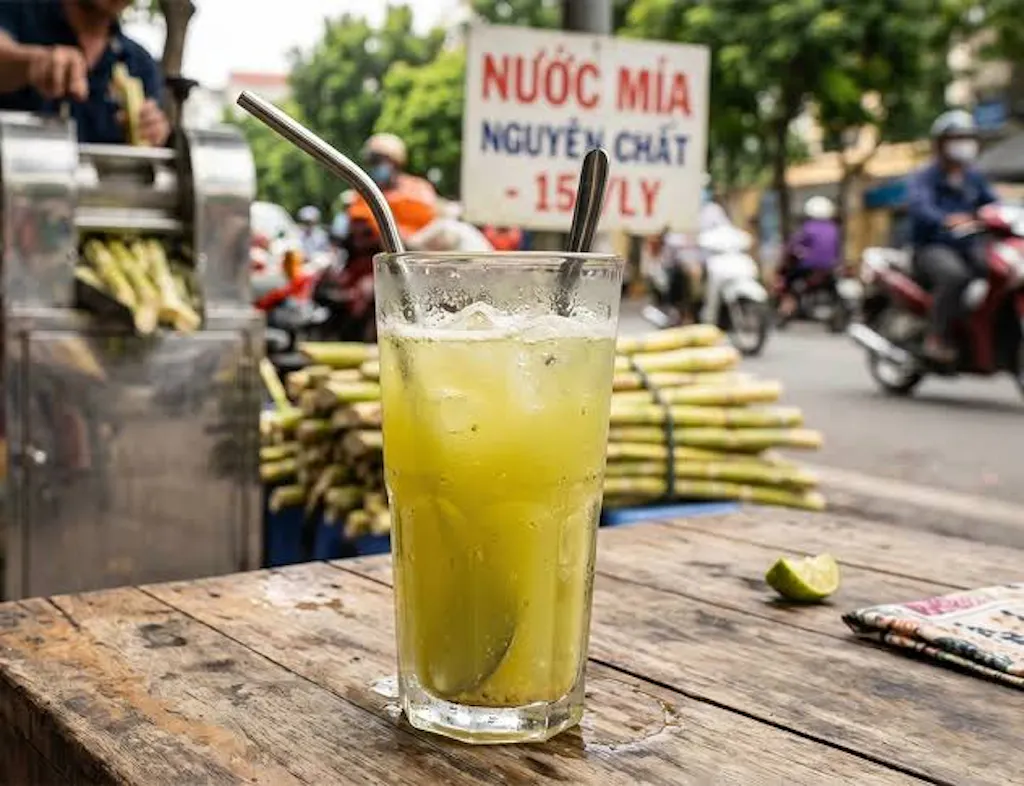
Nước Mía is a simple drink with one main ingredient: freshly pressed sugarcane. Vendors typically feed peeled sugarcane stalks through a mechanical press that crushes the cane and extracts its juice. The liquid is collected in a cup and usually served immediately over ice.
Fresh sugarcane juice has a naturally sweet flavor with a light grassy and earthy aroma. Its sweetness comes from the natural sugars found in sugarcane, while the fresh pressing process gives the drink a distinctive taste that is different from refined-sugar beverages.
Although plain sugarcane juice is common, many vendors add citrus or other ingredients to create additional flavor variations. Lime and kumquat are particularly popular because their acidity balances the sweetness of the sugarcane. Some versions may also include fruit, coconut, or other local ingredients.
How Is Vietnamese Sugarcane Juice Made?
The preparation of Nước Mía is relatively straightforward but depends on a specialized sugarcane press. Fresh sugarcane stalks are cleaned and often peeled before being passed through the machine. The press crushes the stalks repeatedly, extracting the juice while separating much of the fibrous material.
The freshly extracted juice flows directly into a container or cup. Vendors commonly add ice before serving, making the drink especially refreshing in Vietnam's hot and humid climate.
Because sugarcane juice is highly perishable, fresh preparation is an important part of its appeal. Instead of being stored for long periods, it is generally pressed shortly before consumption.
What Does Nước Mía Taste Like?
Nước Mía has a naturally sweet, refreshing flavor with subtle vegetal and grassy notes. Its texture is generally light and smooth, although freshly pressed juice may contain tiny amounts of natural pulp.
The flavor can vary depending on the type and freshness of the sugarcane. When served with ice, the drink becomes lighter and particularly refreshing. Adding lime or kumquat introduces acidity and fragrance, creating a more balanced sweet-and-sour flavor.
For visitors trying Vietnamese street drinks for the first time, Nước Mía is one of the easiest beverages to enjoy because its flavor is familiar while still offering a distinctly fresh tropical character.
Nước Mía in Vietnamese Street Food Culture
Nước Mía is closely connected to everyday Vietnamese street life. Sugarcane juice stalls can be found in many cities and towns, often positioned near markets, busy streets, tourist areas, schools, or local food neighborhoods.
The drink is popular among people of all ages and is especially appreciated on hot days. A cold cup of freshly pressed sugarcane juice provides an inexpensive way to cool down while exploring a city.
Unlike specialty beverages that are associated with particular occasions, Nước Mía is an everyday drink. Its accessibility and low cost have helped make it a familiar part of Vietnam's street food culture.
Where Can You Try Nước Mía in Vietnam?
Nước Mía can be found throughout Vietnam, from major cities to smaller towns and rural communities. In Ho Chi Minh City, Hanoi, Da Nang, Hue, Can Tho, and other destinations, visitors can often find sugarcane juice at street stalls and local markets.
The experience is particularly enjoyable when visiting a busy local market or street food area. Watching the vendor feed sugarcane through the press and seeing the fresh juice collected directly into a cup is part of the appeal.
Prices are generally inexpensive, although they vary depending on the location and additional ingredients.
Why Should You Try Nước Mía?
Nước Mía offers travelers a simple introduction to Vietnam's everyday beverage culture. It requires only a few ingredients, yet the freshly pressed sugarcane creates a distinctive combination of sweetness, freshness, and natural aroma.
For travelers exploring Vietnamese cuisine, trying Nước Mía alongside popular street foods such as Bánh Mì, Bún Đậu Mắm Tôm, Bún Thịt Nướng, or Bánh Xèo can provide a broader experience of local food culture.
More than just sugarcane juice, Nước Mía represents the simplicity and accessibility of Vietnamese street food. Freshly pressed, served cold, and often enjoyed casually on the street, it is a refreshing taste of everyday life in Vietnam.
Featured Ingredients of Nước Mía
Nước Mía is a simple Vietnamese street drink built around freshly pressed sugarcane juice. While traditional versions can be enjoyed with just sugarcane and ice, many vendors add citrus or other ingredients to create a more refreshing and balanced flavor.
Fresh Sugarcane↗
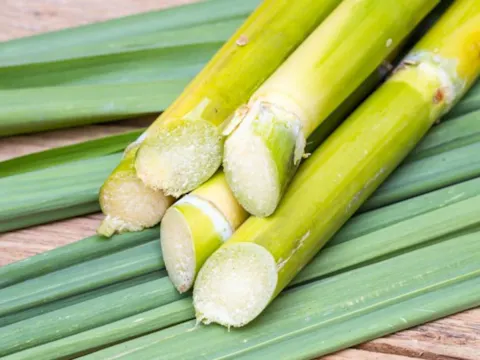
Fresh sugarcane is the essential ingredient in Nước Mía. The stalks are cleaned, peeled, and pressed through a specialized machine to extract their naturally sweet juice. Freshly pressed sugarcane provides the drink with its characteristic sweetness, light grassy aroma, and refreshing flavor.
Lime or Kumquat↗
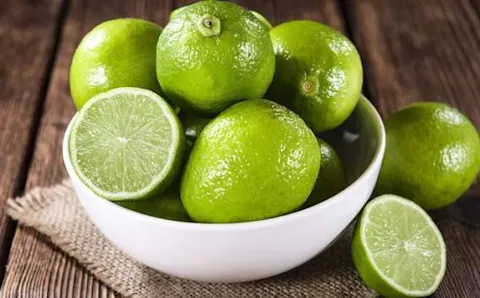
Lime and kumquat are popular additions to Vietnamese sugarcane juice. Their natural acidity and citrus aroma help balance the sweetness of the sugarcane while adding a bright, refreshing flavor. Depending on the vendor, either fresh lime juice or squeezed kumquat may be added directly to the drink.
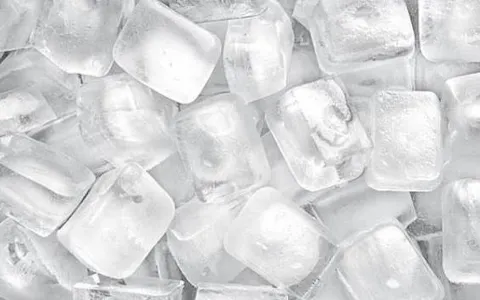
Ice↗
Ice is commonly added to Nước Mía immediately before serving. Chilling the freshly pressed juice makes it especially refreshing in Vietnam's warm and humid climate. The ice also slightly dilutes the natural sweetness, creating a lighter and easier-to-drink beverage.
Frequently Asked Questions About Nước Mía
What is Nước Mía?
Nước Mía is Vietnamese sugarcane juice made by pressing fresh sugarcane stalks through a mechanical sugarcane press. The juice is usually served immediately over ice and may be mixed with lime or kumquat. It is one of the most common and refreshing street drinks found throughout Vietnam.
What does Nước Mía taste like?
Nước Mía has a naturally sweet flavor with subtle grassy and earthy notes from fresh sugarcane. It is light and refreshing, especially when served cold. Lime or kumquat can be added to introduce a slightly sour citrus flavor that balances the natural sweetness.
What ingredients are in Nước Mía?
Traditional Nước Mía mainly contains freshly pressed sugarcane juice and ice. Many vendors add lime or kumquat for extra freshness and acidity. Some modern variations may include fruit, coconut, or other ingredients, but fresh sugarcane remains the essential component.
How is Nước Mía made?
Fresh sugarcane stalks are cleaned and prepared before being passed through a specialized sugarcane press. The machine crushes the stalks and extracts the juice while separating the fibrous material. The fresh juice is collected directly into a cup and usually served immediately with ice.
Where can you try Nước Mía in Vietnam?
Nước Mía is widely available throughout Vietnam at street stalls, local markets, food streets, roadside drink shops, and some restaurants. It is particularly easy to find in major cities such as Ho Chi Minh City, Hanoi, Da Nang, and Can Tho. Local markets and busy street food areas are good places to experience freshly pressed Nước Mía.
Advertising box