
- Destinations
Northern Vietnam
Central Vietnam
- Attractions
Categories
World Heritage
Historical & Cultural
- Things To Do
Categories
Outdoor Adventures
- Food & Drink
Categories
Vietnamese Dishes
- Travel & Planning
Categories
- Inspiration
Categories
Find the best travel inspiration for your Vietnam journey with Go Visit Vietnam’s search experience. Explore destinations, attractions, itineraries, travel guides, and unique experiences across the country. Whether you are looking for beaches, cultural sites, food experiences, nature adventures, or hidden gems, our search helps you quickly discover the right places and ideas. Start exploring Vietnam with curated information designed to help travelers plan unforgettable trips and experience the beauty, culture, and diversity of Vietnam.
Discover hidden gems, plan your perfect trip, or find exactly what you need—from scenic hikes and cosy cottages to events and cultural experiences.
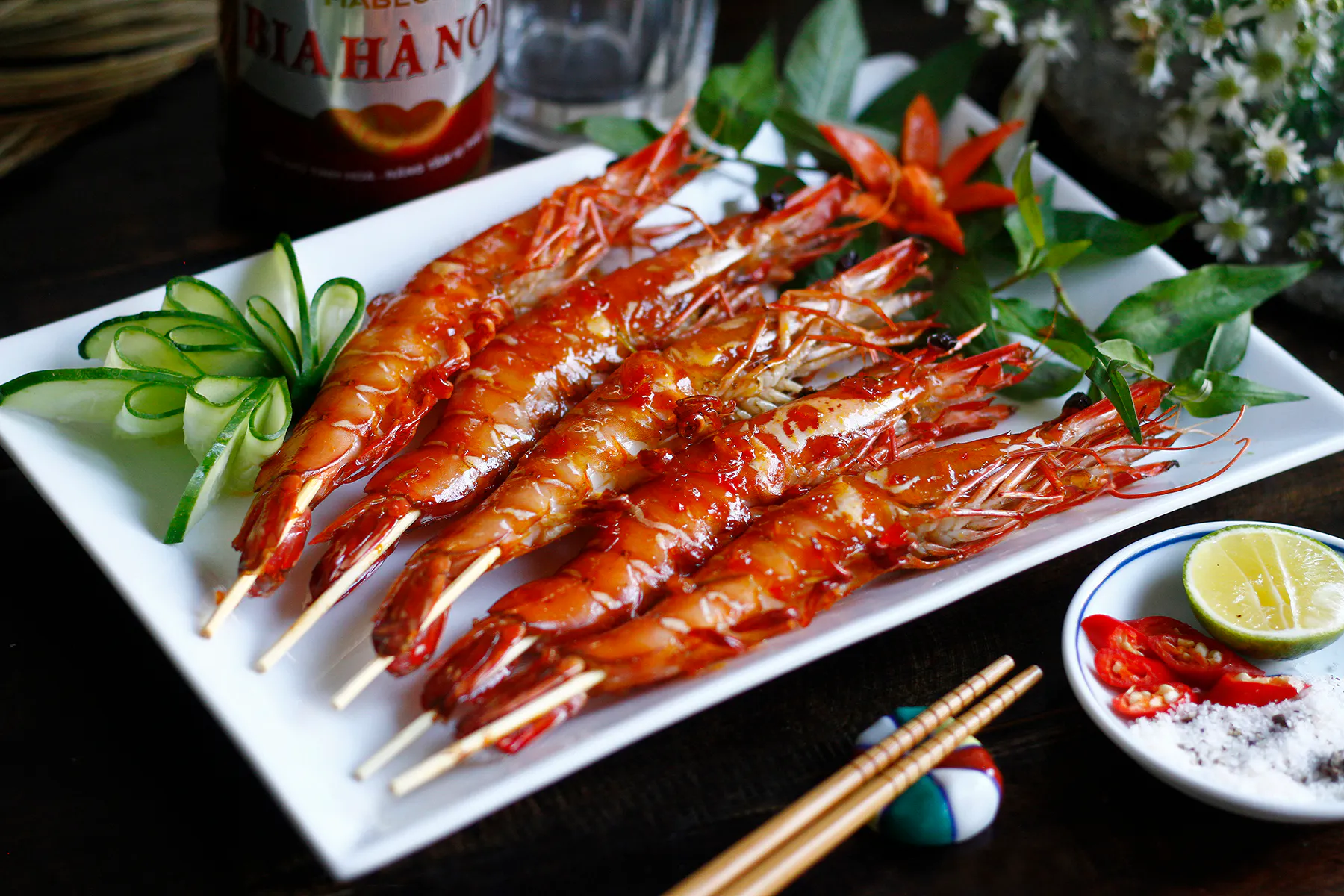
Food & Drink
Grilled shrimp is a popular seafood dish in Vietnam, especially in coastal destinations where fresh shrimp are widely available. Shrimp are typically grilled over charcoal or an open flame and seasoned with ingredients such as salt, pepper, chili, garlic, herbs, or a savory marinade. The grilling process creates a lightly charred exterior while keeping the shrimp tender and naturally sweet. From local seafood restaurants to beachside food stalls, grilled shrimp offers travelers a simple and flavorful way to experience Vietnam's coastal food culture.
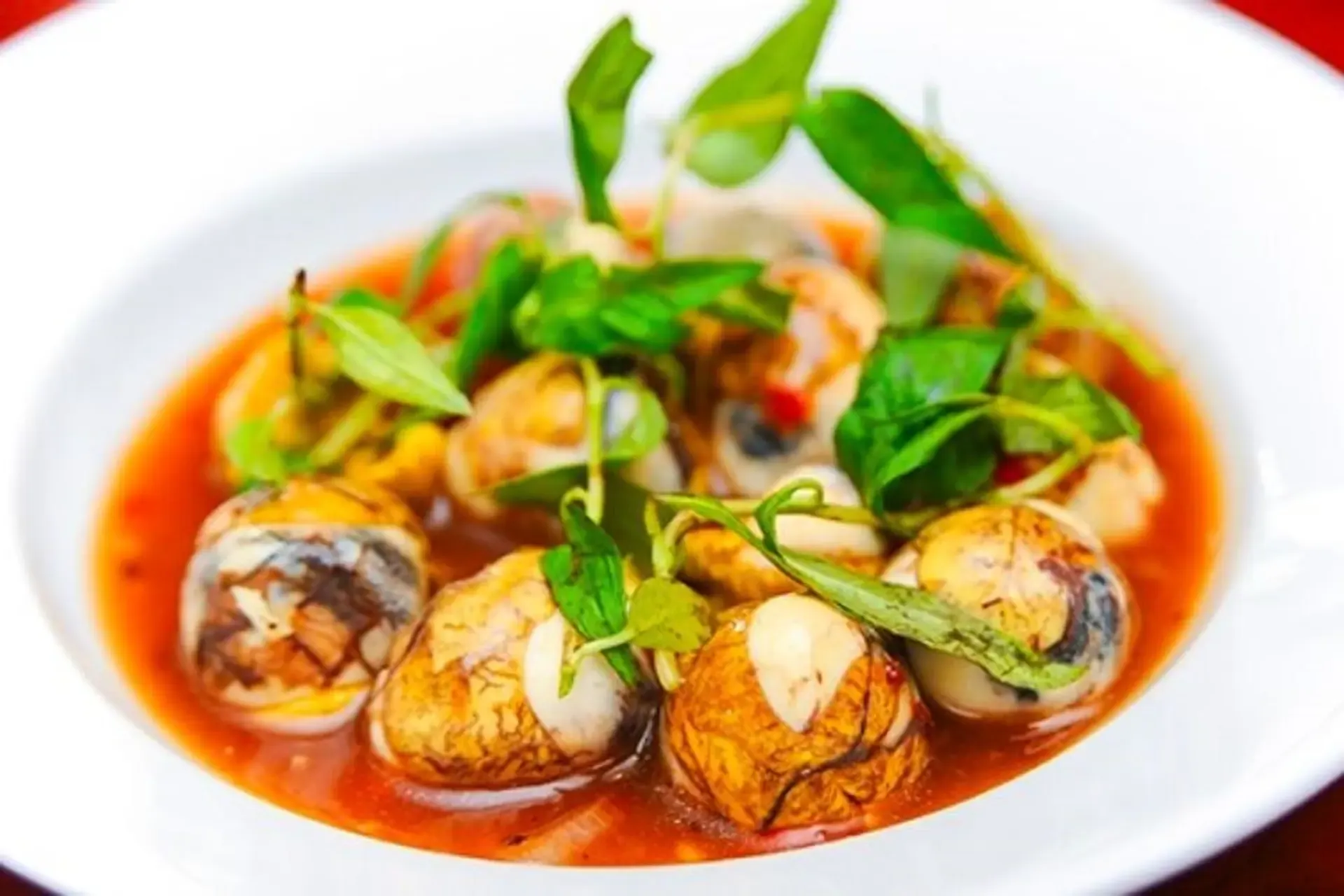
Food & Drink
Quail balut is a Vietnamese street food made from a fertilized quail egg that is incubated before being boiled and served hot. Smaller than traditional duck balut, it has a delicate texture and a rich, savory flavor, often enjoyed with Vietnamese herbs, salt, pepper, and other condiments. For curious travelers, quail balut offers a distinctive way to experience Vietnam’s street-food culture. This guide explains what quail balut is, how it is prepared, how locals eat it, and what first-time visitors should expect.
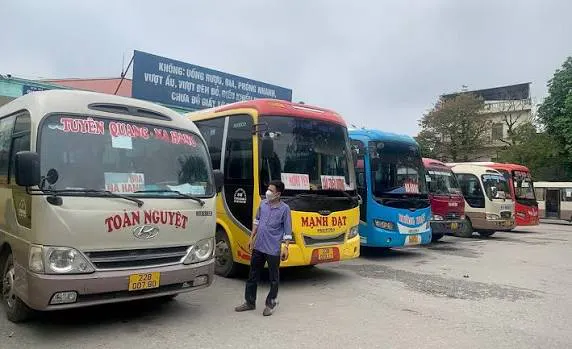
Travel Guide
Planning a trip to Tuyen Quang? This practical transportation guide explains how to get to Tuyen Quang from Hanoi and other destinations by bus, limousine van, car, or motorbike. Discover typical travel times, the main roads and departure points, what to expect on mountain routes, and tips for getting around after you arrive. Whether you are visiting Tân Trào, Na Hang, Mỹ Lâm, or exploring northern Vietnam by road, learn how to choose the best transport option for your itinerary, budget, and travel style.
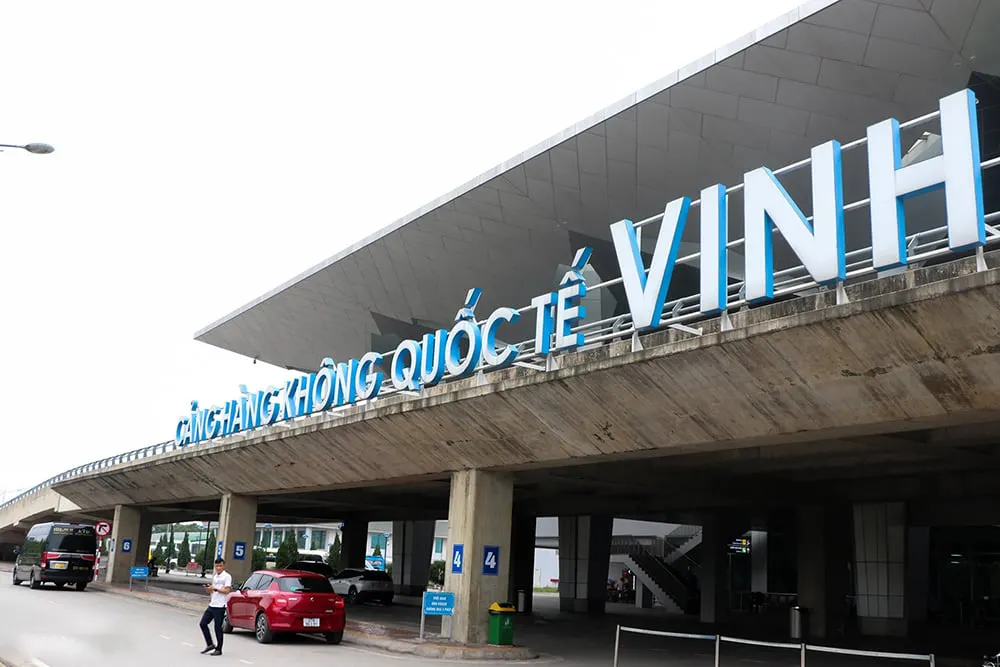
Travel Guide
Planning a trip to Nghe An? This transportation guide explains how to reach the province by flight, train, bus, or car. Learn about Vinh International Airport, Vinh Railway Station, major routes from Hanoi and Ho Chi Minh City, typical travel times, transportation options, and practical booking tips. Whether you want the fastest journey, the most affordable option, or a scenic road or rail experience, discover the best way to get to Nghe An and start exploring its beaches, mountains, cultural sites, and historic destinations.
Travel Guide
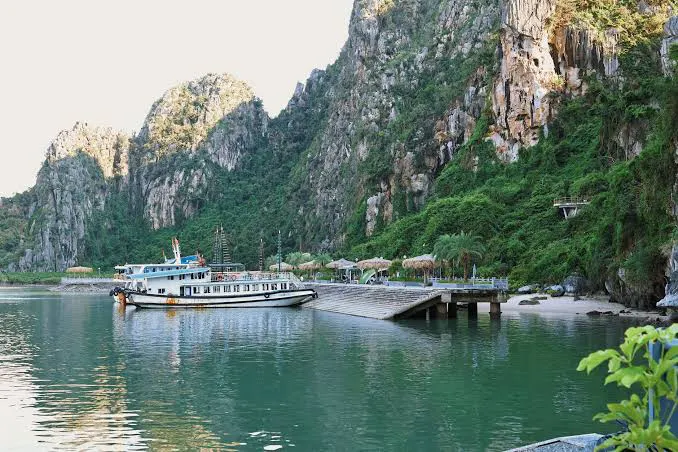
How much does a trip to Vietnam cost in 2026? Vietnam remains an affordable destination, with daily expenses varying by travel style. Budget travelers can spend around $35–60 per day, while mid-range trips typically cost $90–180 per person. Luxury travel can exceed $300 daily. This guide breaks down Vietnam travel costs for accommodation, food, transportation, activities, and different trip lengths, including 5, 7, 10, 14, and 21 days. Use these practical estimates to build a realistic Vietnam travel budget before your trip.
Travel Guide
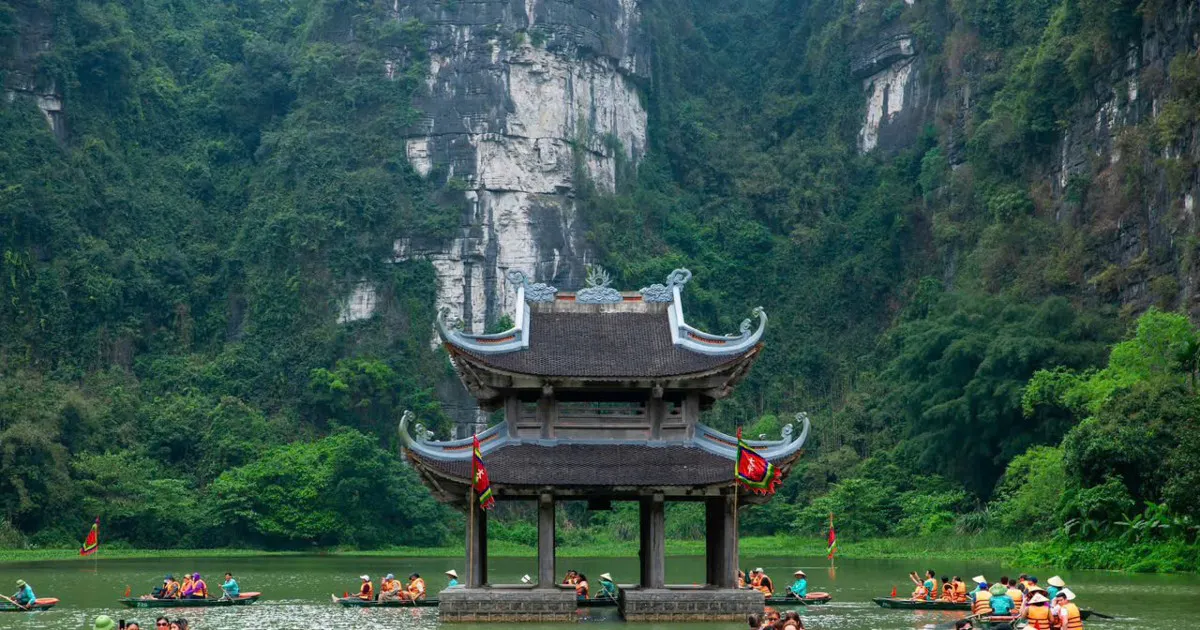
How many days do you need in Vietnam? For a short trip, 5–7 days is best spent exploring one region, while 10 days allows you to experience Vietnam’s major highlights. Two weeks is ideal for a first north-to-south journey, and 21 days or more gives you time for mountain adventures, national parks, beaches, and slower travel. This guide compares 5, 7, 10, 14, and 21-day Vietnam itineraries, explains what you can realistically see, and helps you choose the right trip length for your travel style.
Travel Guide
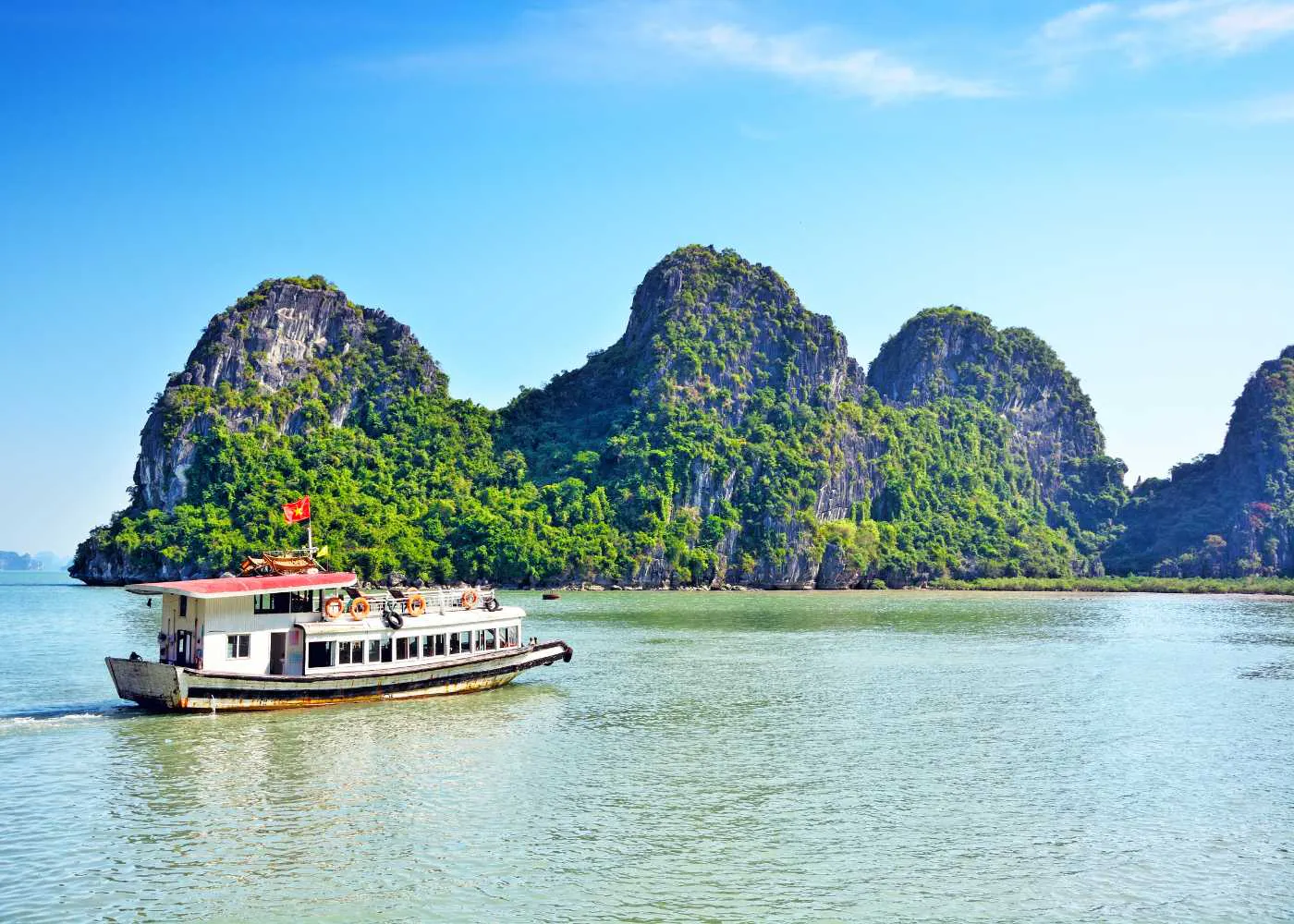
Planning a trip to Vietnam is easier when you understand the country’s regional climate, transportation, entry requirements, and diverse destinations. This complete Vietnam travel guide walks you through everything you need to organize your journey, from choosing the best time to visit and creating a realistic itinerary to booking accommodation, getting around, managing money, and understanding local customs. Whether you have one week, two weeks, or longer, these practical Vietnam travel tips will help you build a smoother and more rewarding trip.
Inspiration
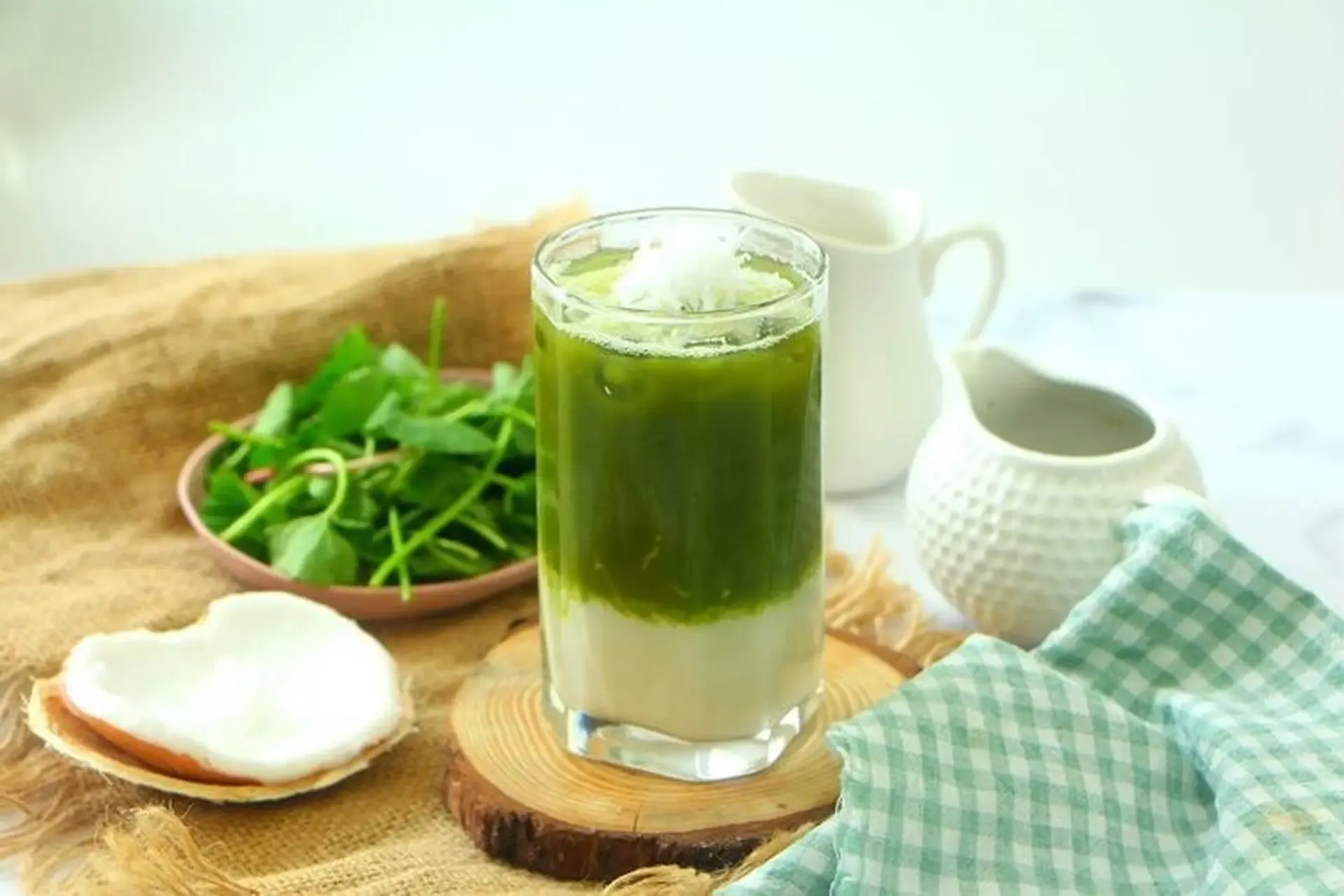
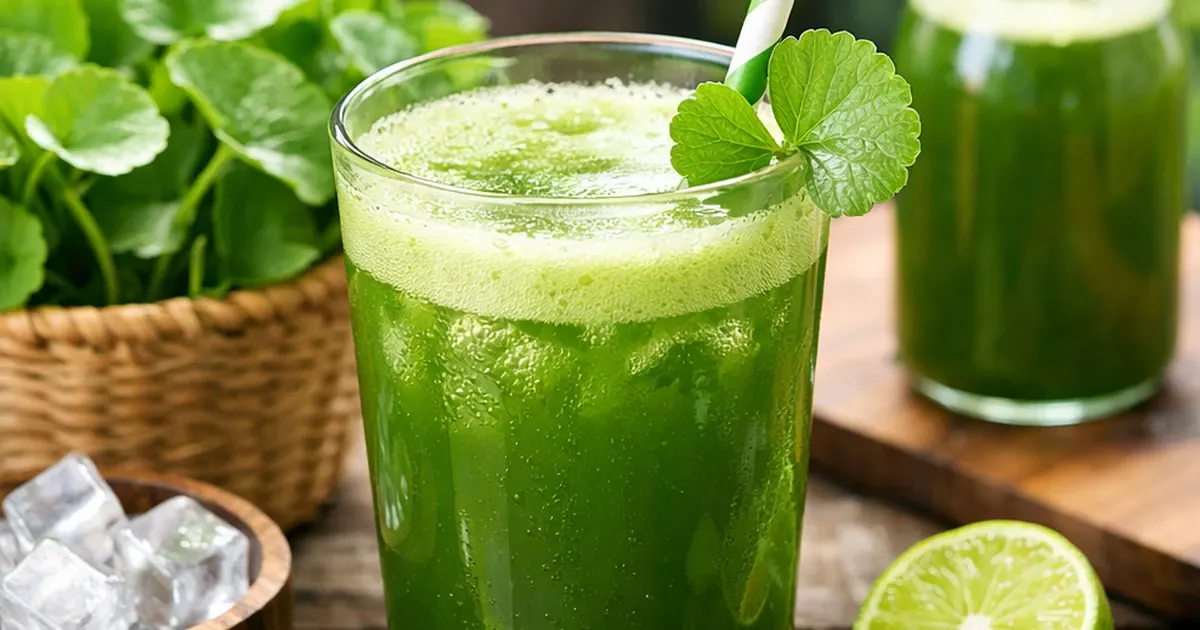
Learn how to make refreshing Vietnamese pennywort juice (rau má) at home with this easy recipe. Made with fresh pennywort leaves, cold water, and a touch of sugar, this vibrant green drink has a naturally earthy, grassy flavor and is commonly served over ice in Vietnam. This guide explains how to prepare and blend rau má, strain the juice, balance its flavor, and make the popular rau má đậu xanh variation with mung beans for a creamy, richer Vietnamese drink.
Inspiration
Pennywort juice is a traditional Vietnamese drink made from fresh rau má, the Vietnamese name for Centella asiatica, also known as gotu kola. Naturally green with a fresh, grassy and slightly bitter flavor, it is commonly blended with water and served over ice. Vietnamese vendors may add sugar, coconut water, or mung bean to create different variations. Popular at street drink stalls and local juice shops, rau má offers travelers a refreshing way to discover an everyday part of Vietnam’s food and drink culture.
Things To Do
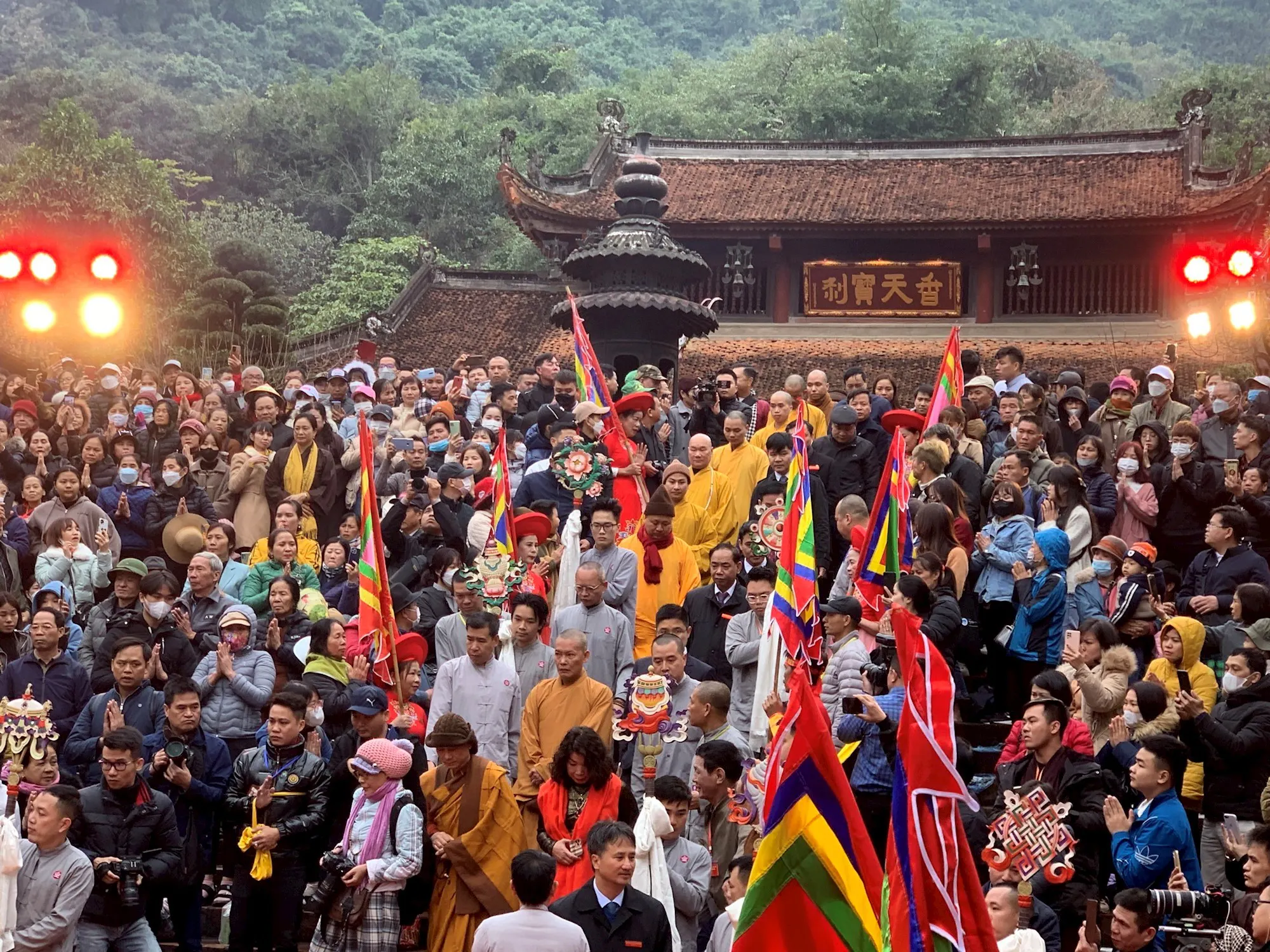
The Huong Pagoda Festival is one of Vietnam’s most important Buddhist pilgrimages, attracting visitors to the scenic Huong Son mountains southwest of Hanoi each spring. Also known as the Perfume Pagoda Festival, it combines Buddhist ceremonies, traditional worship, boat rides along the Yen Stream, mountain temples, and the sacred Huong Tich Cave. This guide covers the festival’s history, traditions, 2026 dates, main attractions, cultural etiquette, transportation, and practical travel tips to help international visitors experience this unique Vietnamese cultural celebration.
Things To Do
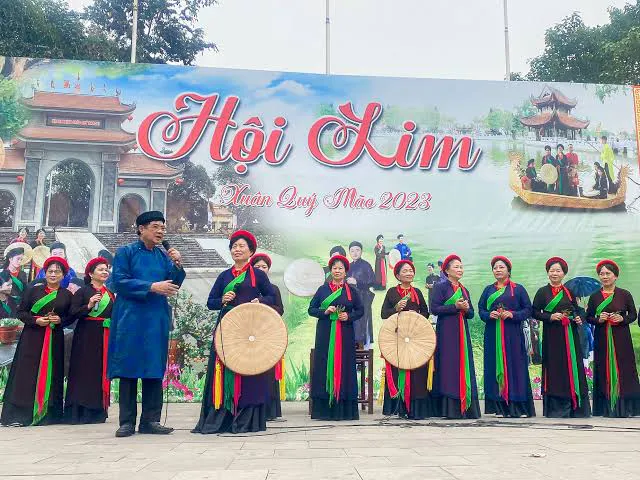
Discover Lim Festival Vietnam, one of northern Vietnam’s most distinctive cultural celebrations. Held in Bac Ninh during the first lunar month, the festival brings Quan Ho folk singing, traditional costumes, temple ceremonies, dragon boat performances, folk games, and local traditions together. Learn about the history of Lim Festival, the meaning of Quan Ho, where to experience the celebrations, what to expect as a traveler, and practical tips for visiting Bac Ninh during this colorful Vietnamese cultural festival.
Things To Do
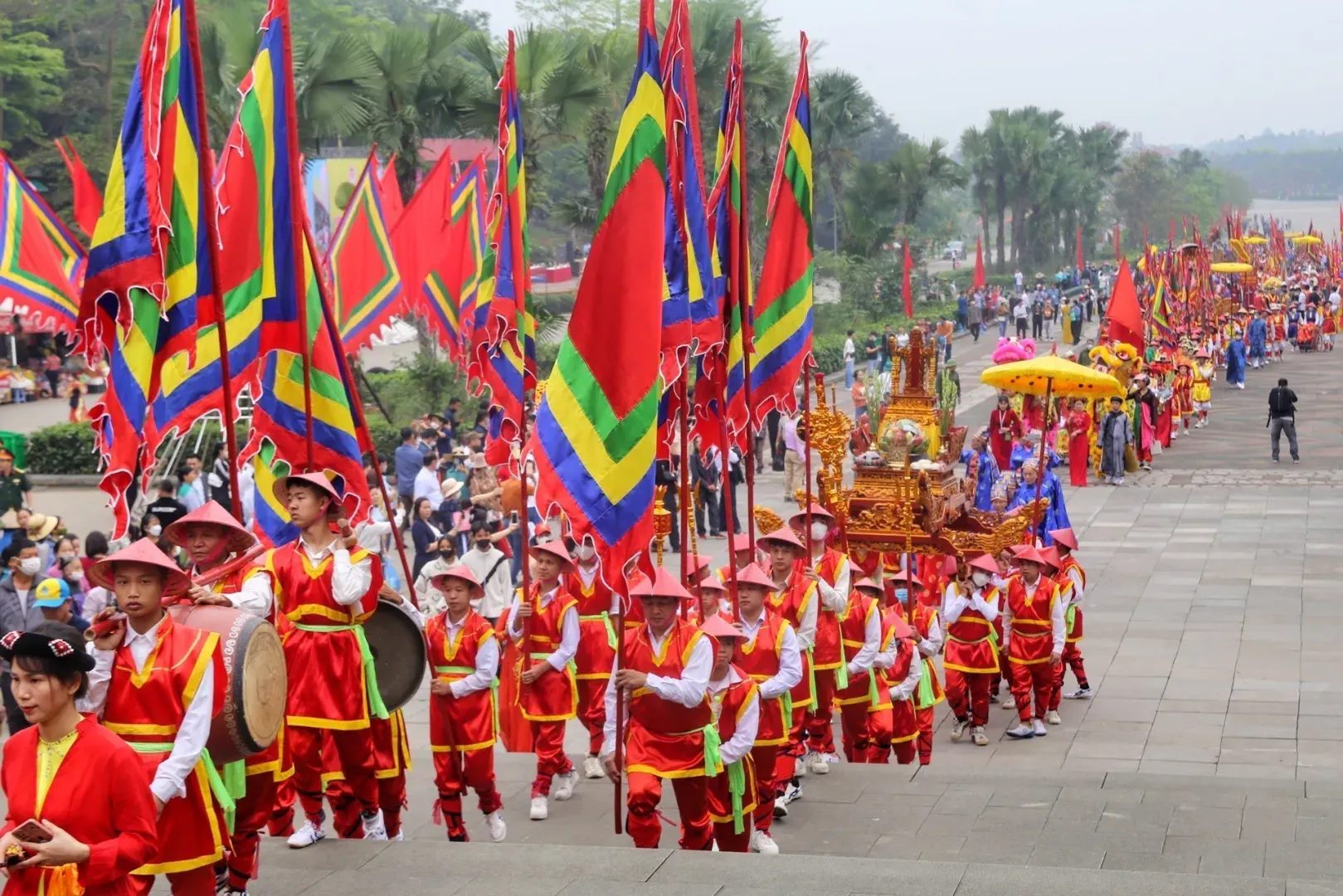
The Hung Kings Festival, or Giỗ Tổ Hùng Vương, is one of Vietnam’s most important cultural celebrations, honoring the legendary Hung Kings and the country’s ancestral heritage. Held annually on the 10th day of the third lunar month, the main ceremonies take place at Hung Kings Temple in Phu Tho. Discover the festival’s history, traditional rituals, bánh chưng and bánh giầy offerings, Hát Xoan performances, and practical travel tips for visiting this sacred cultural site from Hanoi and beyond.