
- Destinations
Northern Vietnam
Central Vietnam
- Attractions
Categories
World Heritage
Historical & Cultural
- Things To Do
Categories
Outdoor Adventures
- Food & Drink
Categories
Vietnamese Dishes
- Travel & Planning
Categories
- Inspiration
Categories
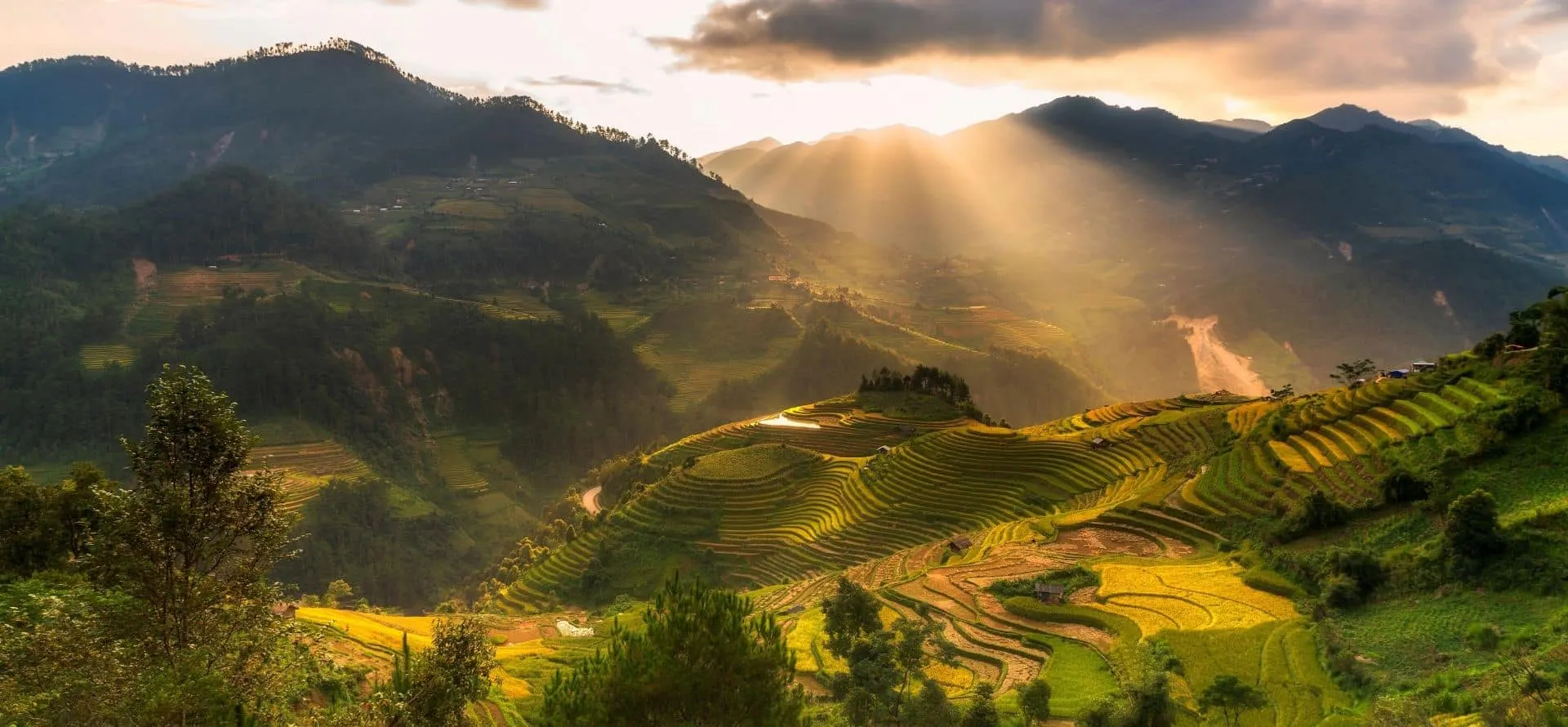
Discover Northern Vietnam, a diverse region known for historic cities, dramatic mountains, limestone landscapes, traditional villages, and distinctive local cuisine. Explore Hanoi's cultural heritage, Ninh Binh's scenic countryside, Ha Long Bay's iconic seascapes, Sapa's mountain landscapes, Ha Giang's winding roads, and Cao Bang's waterfalls and caves. Find practical information on the best places to visit, when to travel, how to get around, local food, outdoor adventures, and suggested itineraries to help you plan a memorable Northern Vietnam trip.
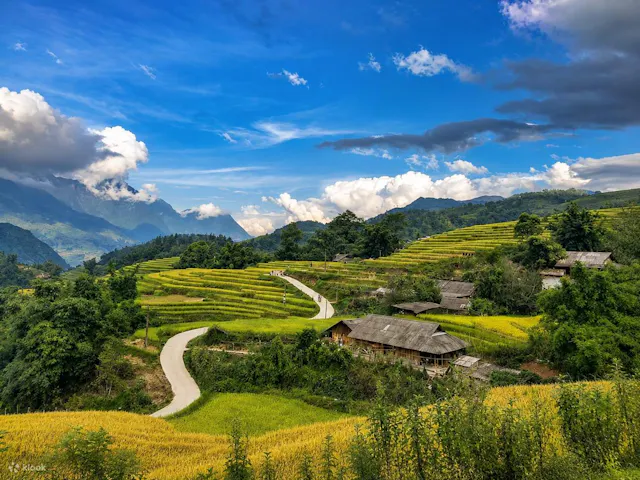
Northern Vietnam is one of the country's most diverse regions, combining historic cities, dramatic mountain landscapes, limestone valleys, traditional villages, and distinctive regional cuisine. For travelers, the region offers a mix of cultural experiences and outdoor adventures that can be explored on short city breaks or longer multi-destination journeys.
Hanoi, Vietnam's capital, is often the starting point for exploring the north. The city combines historic neighborhoods, temples, museums, markets, cafés, and a rich street-food culture. From Hanoi, travelers can easily continue to destinations such as Ninh Binh, where limestone mountains, rivers, rice fields, and rural landscapes create some of the region's most memorable scenery.
Further east, Ha Long Bay and Cat Ba offer a different side of Northern Vietnam, with limestone islands, coastal landscapes, boat trips, kayaking, and opportunities to explore the Gulf of Tonkin. Travelers looking for mountains can head northwest to Sapa, known for terraced rice fields, trekking routes, and communities with distinct cultural traditions.
For a more adventurous journey, Ha Giang is known for spectacular mountain roads, deep valleys, ethnic communities, and the famous Ha Giang Loop. Cao Bang offers another rewarding destination, with waterfalls, caves, karst landscapes, and cultural attractions close to the Chinese border.
Northern Vietnam also has a distinctive food culture shaped by its climate, history, and local ingredients. Hanoi is particularly well known for dishes such as pho, bun cha, and banh cuon, while regional destinations offer their own specialties and traditional cooking styles.
The best way to explore the region depends on your interests and available time. A short trip can focus on Hanoi and nearby destinations, while a longer itinerary can combine cultural sites, mountains, countryside, and coastal landscapes.
Use this guide to discover the best places to visit in Northern Vietnam, compare destinations, understand when to go, learn how to travel between them, and build an itinerary that matches your travel style.
Discover the most iconic cities of Northern Vietnam, where ancient traditions meet modern life. From the historic streets of Hanoi and the coastal beauty of Hai Phong to the mountain gateways of Lao Cai and Dien Bien, each city offers unique experiences through culture, cuisine, landscapes, and local heritage. Explore vibrant urban centers, peaceful countryside, and destinations that reveal the diverse character of Northern Vietnam.

Hanoi, the capital of Vietnam, is a fascinating blend of ancient traditions and modern energy. With over a thousand years of history, the city is home to historic temples, charming colonial architecture, bustling markets, vibrant street food culture, and iconic landmarks. From wandering through the atmospheric Old Quarter to exploring cultural treasures and serene lakes, Hanoi offers an authentic introduction to Vietnam's rich heritage and contemporary life.
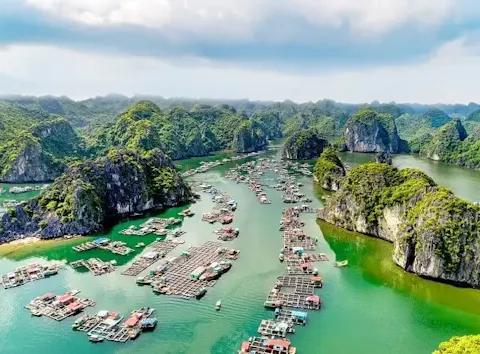
Hai Phong is a dynamic coastal city in Northern Vietnam, combining urban energy, natural beauty, and rich maritime heritage. Known as the “City of Red Flamboyant Flowers,” Hai Phong is the gateway to stunning destinations such as Cat Ba Island and Lan Ha Bay. Visitors can explore beautiful beaches, limestone islands, historic landmarks, and enjoy fresh seafood while experiencing local culture. With its unique mix of city life and coastal adventures, Hai Phong is an ideal destination for travelers exploring Northern Vietnam.
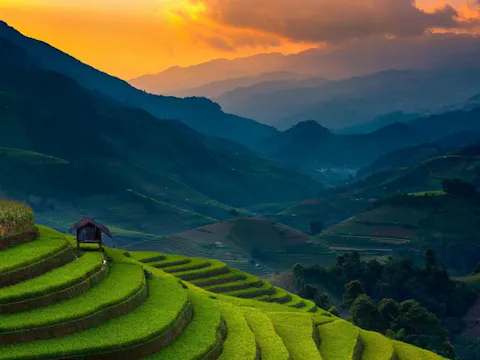
Dien Bien is a historically significant and scenic province in Northwestern Vietnam, best known for the famous Dien Bien Phu battlefield that marked a turning point in world history. Surrounded by majestic mountains and valleys, the region also offers rich ethnic cultures, peaceful rural landscapes, and authentic local experiences. Visitors can explore historical monuments, museums, and natural attractions while learning about Vietnam’s past. With its powerful history and stunning scenery, Dien Bien is a must-visit destination for culture and history lovers.
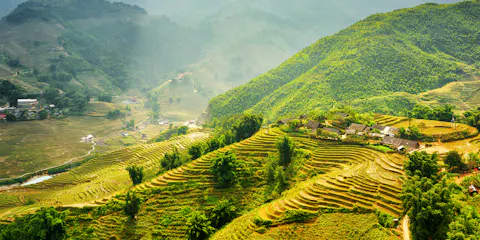
Lao Cai is one of Northern Vietnam’s most iconic mountain destinations, famous for the charming town of Sapa, majestic Fansipan Peak, and breathtaking terraced rice fields. Located near the border with China, the province offers stunning natural landscapes, cool mountain weather, and rich cultural experiences with diverse ethnic communities. Visitors can explore villages, trek through valleys, discover local traditions, and enjoy spectacular scenery. With its unique combination of nature, adventure, and culture, Lao Cai is a must-visit destination in Vietnam.
Explore the must-visit cities of Northern Vietnam, each offering a unique blend of history, culture, landscapes, and authentic experiences. From Hanoi’s ancient charm and Hai Phong’s coastal energy to the mountain beauty of Sapa and Ha Giang, these destinations showcase the diversity and character of the northern region. Discover iconic landmarks, local cuisine, traditional lifestyles, and unforgettable journeys through Vietnam’s most fascinating cities and gateways.
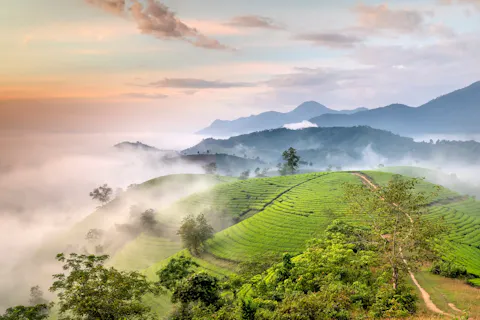
Phu Tho is a culturally significant destination in Northern Vietnam, known as the ancestral land of the Vietnamese people and home to the Hung Kings Temple. Located near Hanoi, the province offers a rich blend of history, traditional festivals, peaceful landscapes, and local culture. Visitors can explore historic landmarks, experience unique customs, and discover scenic rivers and countryside areas. With its deep cultural roots and authentic experiences, Phu Tho is an ideal destination for travelers seeking Vietnam’s heritage and traditions.
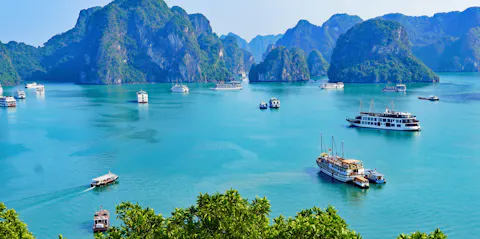
Hai Phong is a dynamic coastal city in Northern Vietnam, combining urban energy, natural beauty, and rich maritime heritage. Known as the “City of Red Flamboyant Flowers,” Hai Phong is the gateway to stunning destinations such as Cat Ba Island and Lan Ha Bay. Visitors can explore beautiful beaches, limestone islands, historic landmarks, and enjoy fresh seafood while experiencing local culture. With its unique mix of city life and coastal adventures, Hai Phong is an ideal destination for travelers exploring Northern Vietnam.
Lao Cai is one of Northern Vietnam’s most iconic mountain destinations, famous for the charming town of Sapa, majestic Fansipan Peak, and breathtaking terraced rice fields. Located near the border with China, the province offers stunning natural landscapes, cool mountain weather, and rich cultural experiences with diverse ethnic communities. Visitors can explore villages, trek through valleys, discover local traditions, and enjoy spectacular scenery. With its unique combination of nature, adventure, and culture, Lao Cai is a must-visit destination in Vietnam.
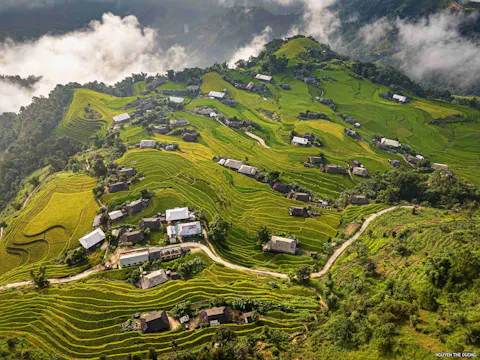
Discover Tuyen Quang, a diverse Northern Vietnam destination combining historic sites, mountain landscapes, lakes, forests, and ethnic cultures. Following Vietnam’s 2025 administrative reorganization, the province includes the former Ha Giang area, bringing destinations such as Dong Van, Meo Vac, Ma Pi Leng Pass, and Lung Cu into the wider Tuyen Quang destination. Explore Tan Trao, Na Hang, and Lam Binh while discovering mountain communities and natural scenery. This guide covers places to visit, things to do, food, transportation, seasons, and practical travel tips.

Quang Ninh is one of Vietnam’s most iconic travel destinations, famous for the UNESCO World Heritage Site Ha Long Bay and its breathtaking limestone islands. Located in Northern Vietnam, the province offers spectacular coastal scenery, caves, beaches, and unique cultural experiences. Visitors can explore Ha Long Bay, Bai Tu Long Bay, local islands, and vibrant coastal cities while enjoying fresh seafood and marine adventures. With its extraordinary landscapes and rich heritage, Quang Ninh is a must-visit destination for travelers discovering Vietnam.
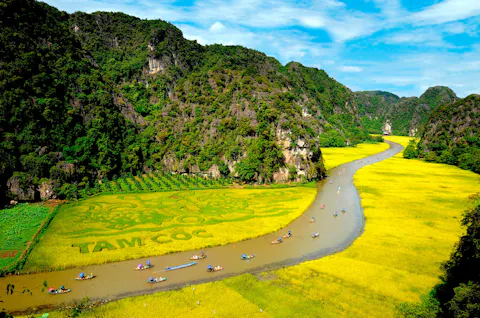
Ninh Binh is a breathtaking destination in Northern Vietnam, often called “Ha Long Bay on land” for its dramatic limestone mountains and winding rivers. Famous for Trang An Landscape Complex, Tam Coc, and ancient temples, Ninh Binh offers a perfect blend of natural beauty and cultural heritage. Visitors can enjoy boat rides through scenic caves, explore historic pagodas, and cycle through peaceful countryside. With its stunning landscapes and rich history, Ninh Binh is a must-visit destination for nature lovers.
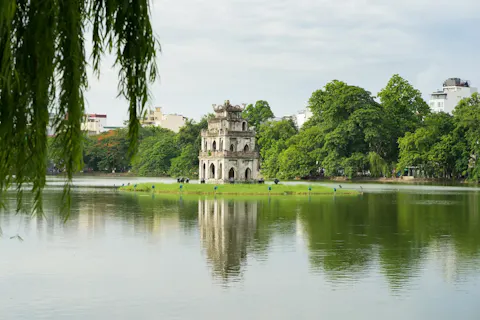
Ha Noi, Vietnam's thousand-year-old capital, blends rich history, vibrant street life, and timeless traditions with modern energy. Wander through the charming Old Quarter, visit ancient temples, admire French colonial architecture, and experience the city's famous street food culture. From peaceful lakes and fascinating museums to bustling markets and cultural performances, Ha Noi offers unforgettable experiences for every traveler. This Ha Noi Travel Guide provides everything you need to plan your visit, including top attractions, local cuisine, practical travel tips, and suggested itineraries.