
- Destinations
Northern Vietnam
Central Vietnam
- Attractions
Categories
World Heritage
Historical & Cultural
- Things To Do
Categories
Outdoor Adventures
- Food & Drink
Categories
Vietnamese Dishes
- Travel & Planning
Categories
- Inspiration
Categories
Find the best travel inspiration for your Vietnam journey with Go Visit Vietnam’s search experience. Explore destinations, attractions, itineraries, travel guides, and unique experiences across the country. Whether you are looking for beaches, cultural sites, food experiences, nature adventures, or hidden gems, our search helps you quickly discover the right places and ideas. Start exploring Vietnam with curated information designed to help travelers plan unforgettable trips and experience the beauty, culture, and diversity of Vietnam.
Discover hidden gems, plan your perfect trip, or find exactly what you need—from scenic hikes and cosy cottages to events and cultural experiences.
Inspiration
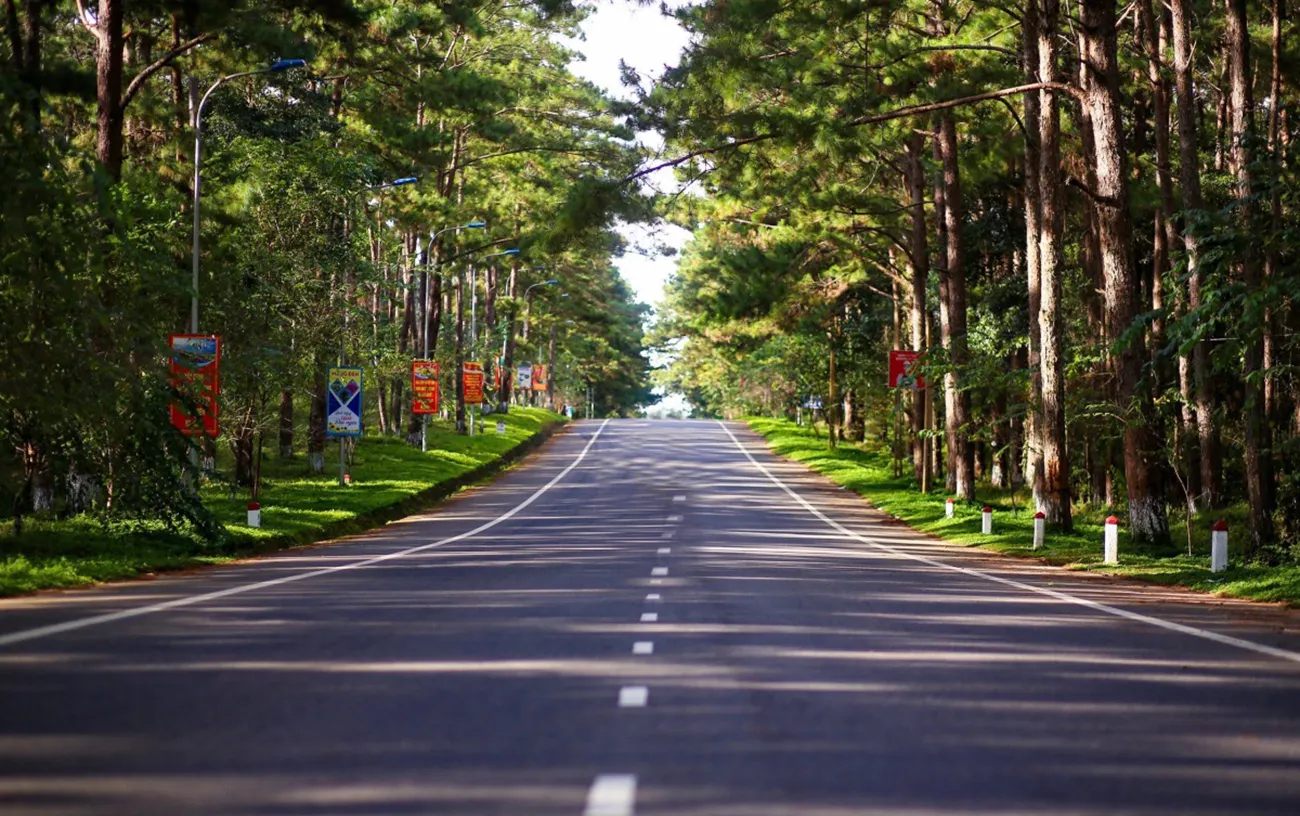
Mang Den Vietnam is a peaceful highland escape surrounded by pine forests, misty mountains, lakes, waterfalls, and traditional villages. Located at around 1,200 meters in Vietnam’s Central Highlands, this emerging destination offers a quieter alternative to more popular places such as Da Lat. Travelers can explore Pa Sy Waterfall, Dak Ke Lake, mountain roads, local farms, and community-based cultural experiences while enjoying the region’s cool climate. Discover why Mang Den is one of Vietnam’s most promising hidden gems and how to plan your visit.
Inspiration
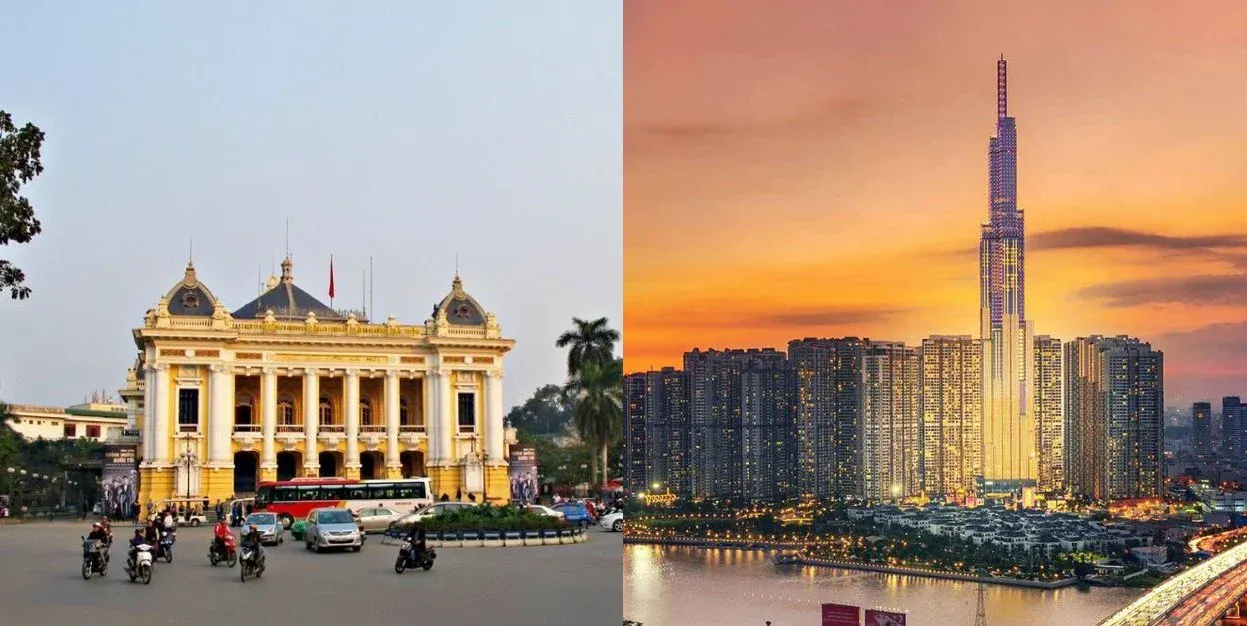
Hanoi and Ho Chi Minh City offer two very different ways to experience Vietnam. Hanoi is ideal for travelers drawn to history, traditional culture, atmospheric Old Quarter streets, northern Vietnamese food, and easy access to destinations such as Ninh Binh and Ha Long Bay. Ho Chi Minh City is faster, more cosmopolitan, and better suited to travelers seeking nightlife, diverse food, modern city life, and easy access to the Mekong Delta and southern beaches. Compare attractions, food, weather, costs, and travel styles to choose the right city for your Vietnam trip.
Inspiration
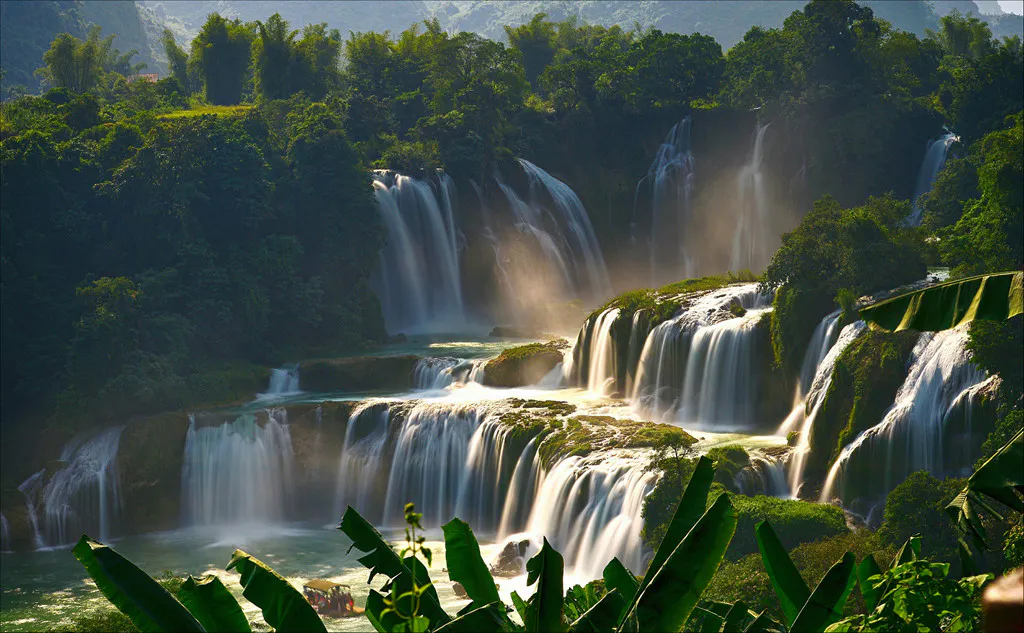
Discover Vietnam’s hidden waterfalls, where forest-covered mountains, clear natural pools, remote villages, and cascading streams create peaceful escapes beyond the country’s busiest tourist routes. From Hieu Waterfall in Pu Luong and Ta Gu Waterfall near Nha Trang to lesser-known cascades across the northern highlands, Central Vietnam, and the Central Highlands, these scenic places offer hiking, swimming, photography, and authentic local experiences. Explore the best hidden waterfalls in Vietnam, when to visit, how to get there, and what to expect.
Inspiration
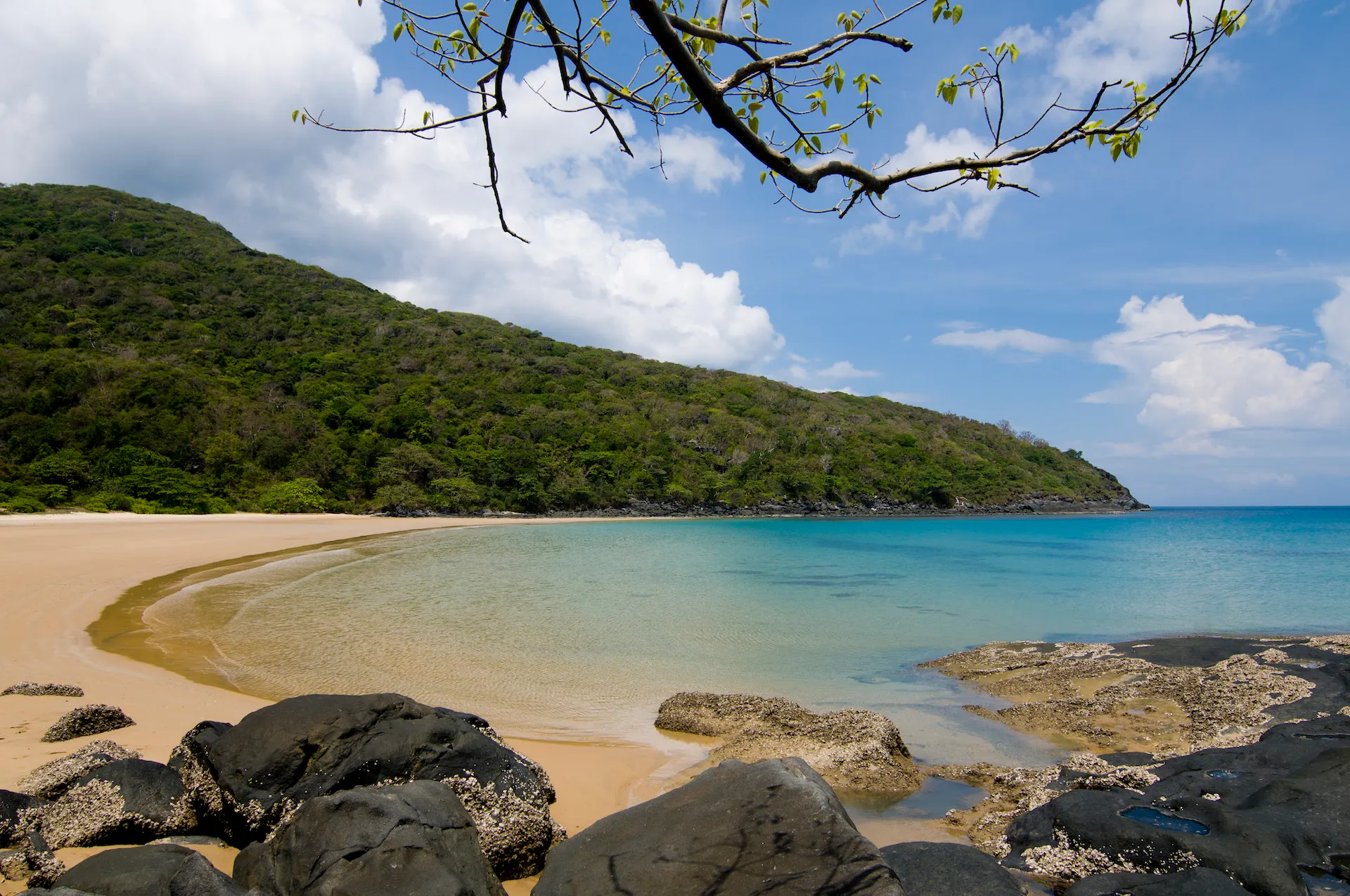
Discover Vietnam’s hidden beaches, where quiet shores, turquoise waters, fishing villages, and untouched coastal landscapes offer a peaceful alternative to crowded tourist destinations. From the remote islands of Con Dao and Nam Du to the tranquil beaches of Quy Nhon, Co To, and Central Vietnam, these lesser-known coastal escapes are perfect for travelers seeking relaxation, nature, and authentic local experiences. Explore the best hidden beaches in Vietnam, when to visit, how to get there, and what makes each destination worth discovering.
Inspiration
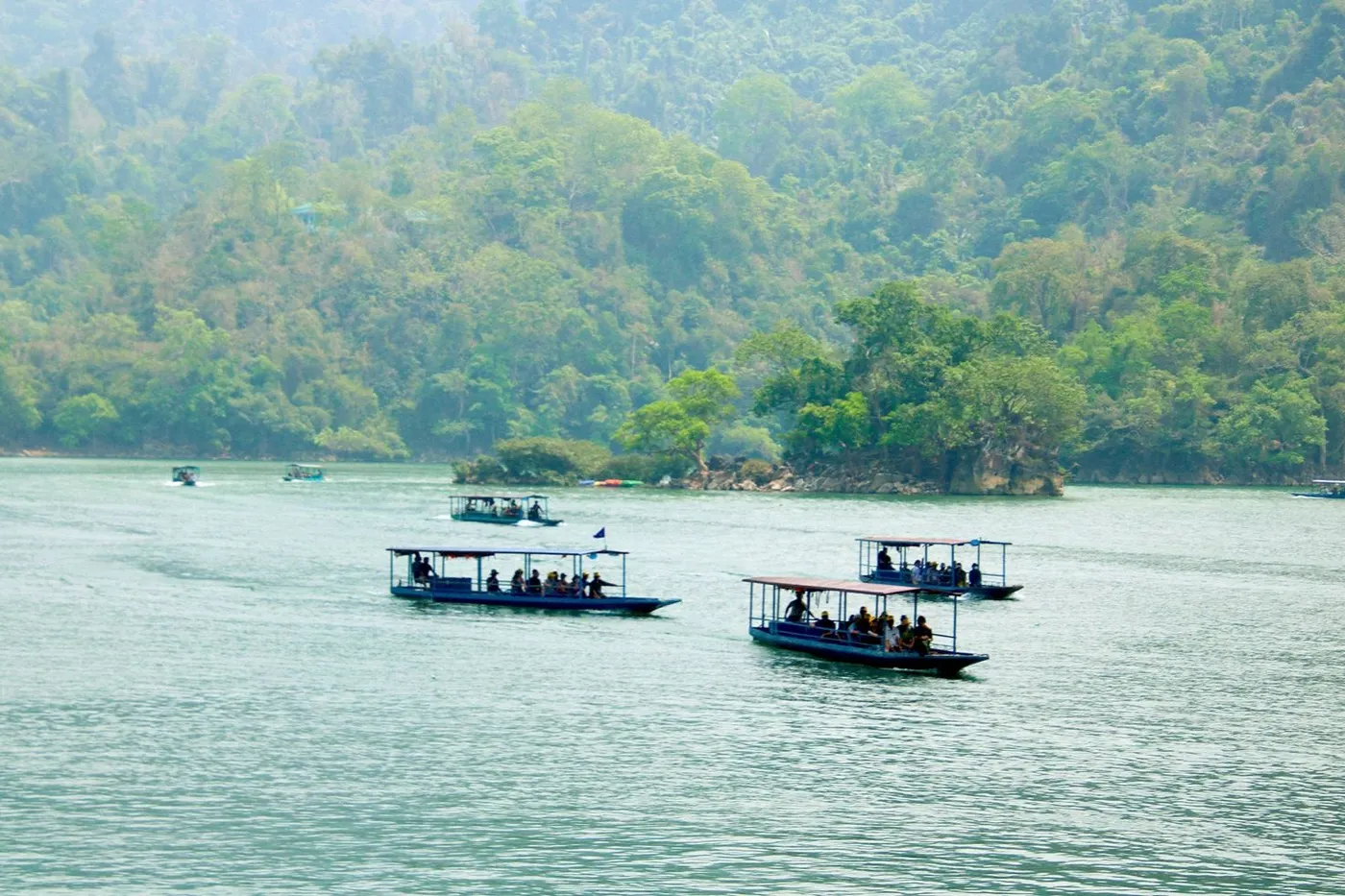
Ba Be Lake Vietnam is a peaceful natural escape surrounded by limestone mountains, evergreen forests, caves, waterfalls, and traditional Tay villages. Located within Ba Be National Park in Northern Vietnam, the lake offers a slower alternative to busier destinations such as Ha Long Bay and Sapa. From scenic boat trips and cave exploration to trekking, cycling, and authentic homestays, Ba Be is an ideal destination for travelers seeking nature, local culture, and an off-the-beaten-path experience in Vietnam.
Inspiration
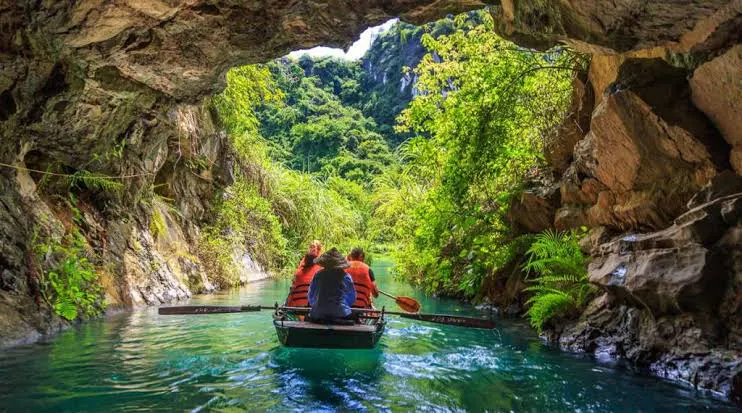
Trang An Scenic Landscape Complex is one of Northern Vietnam’s most remarkable landscapes, where towering limestone karsts, quiet waterways, caves, temples, and rural scenery come together in a spectacular UNESCO World Heritage Site. Located in Ninh Binh, Trang An offers a peaceful alternative to Vietnam’s busier tourist destinations while revealing thousands of years of natural and human history. This guide explores what makes Trang An special, what to experience, when to visit, how to get there, and how to make the most of your trip.
Inspiration
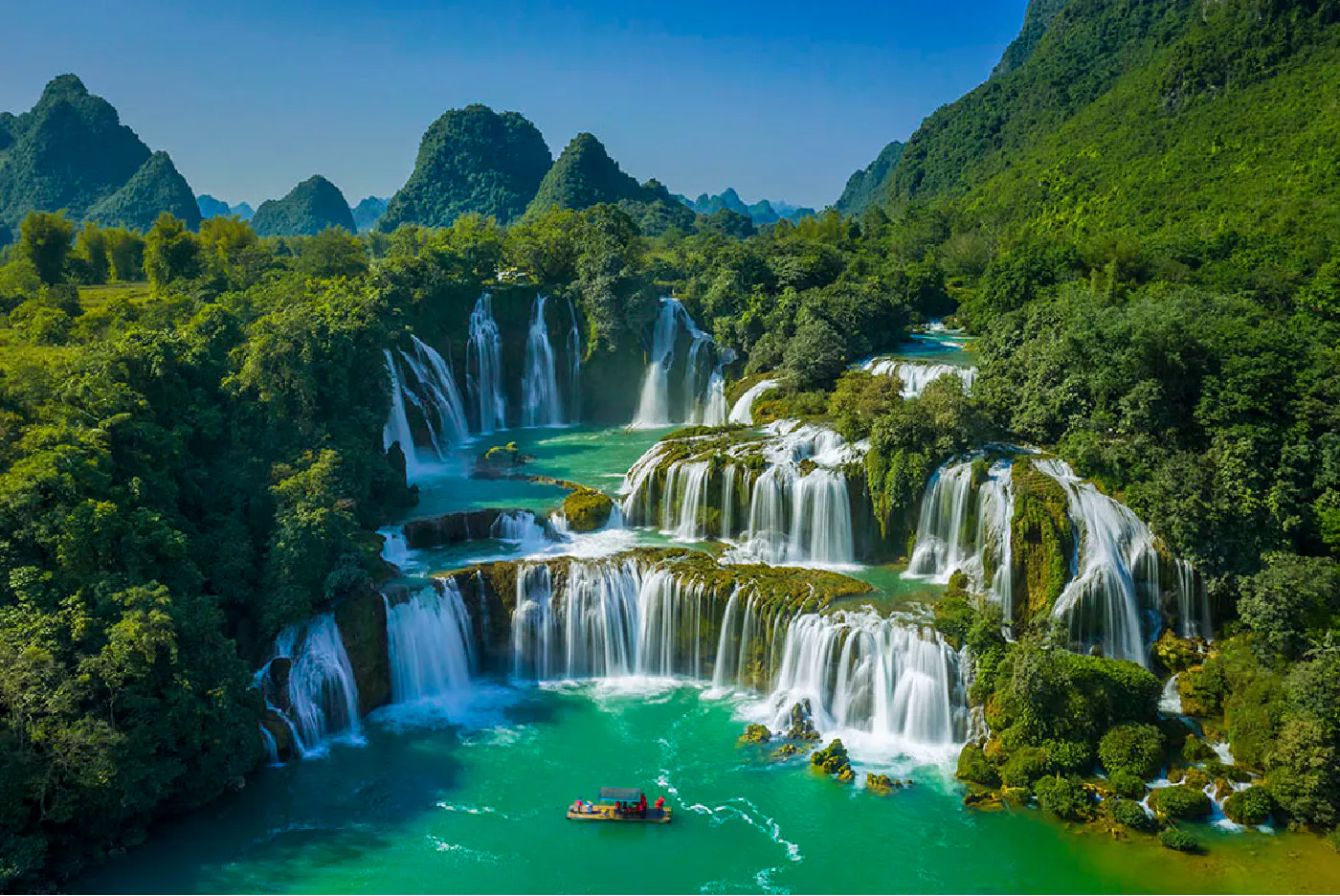
Ban Gioc Waterfall is one of Northern Vietnam’s most spectacular natural attractions, tucked away among the limestone mountains and emerald valleys of Cao Bang. Straddling the Vietnam–China border, the waterfall combines dramatic cascades, peaceful rivers, lush landscapes, and a distinctly local atmosphere. This guide explores why Ban Gioc is worth adding to your Vietnam itinerary, what to see nearby, the best time to visit, how to get there, and practical tips for experiencing this remarkable hidden gem.
Inspiration
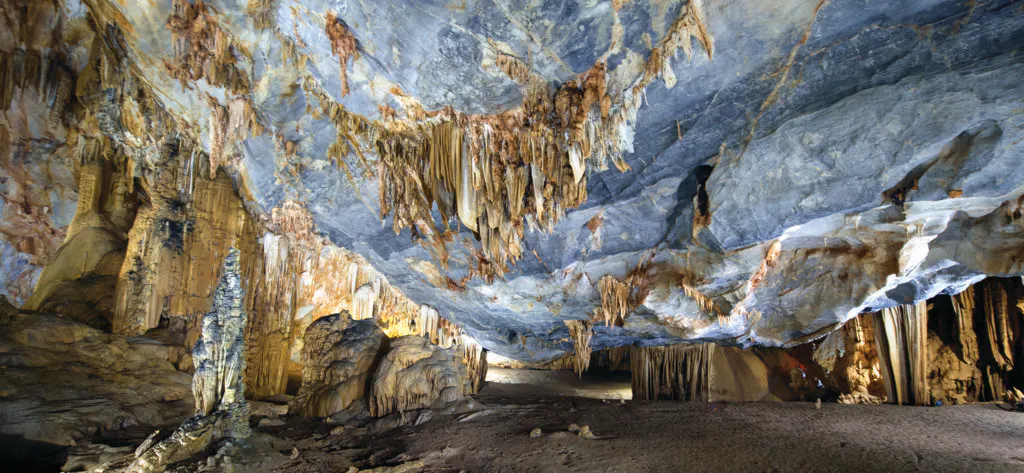
Paradise Cave Vietnam, also known as Thien Duong Cave, is a spectacular underground attraction hidden within the landscapes of Phong Nha-Ke Bang. Famous for its impressive limestone formations, vast chambers, and accessible visitor route, the cave offers a memorable experience away from Vietnam’s busiest tourist attractions. This guide explores why Paradise Cave is worth visiting, how to get there, the best time to visit, what to expect inside, and practical tips for including this remarkable hidden gem in your Vietnam itinerary.
Inspiration
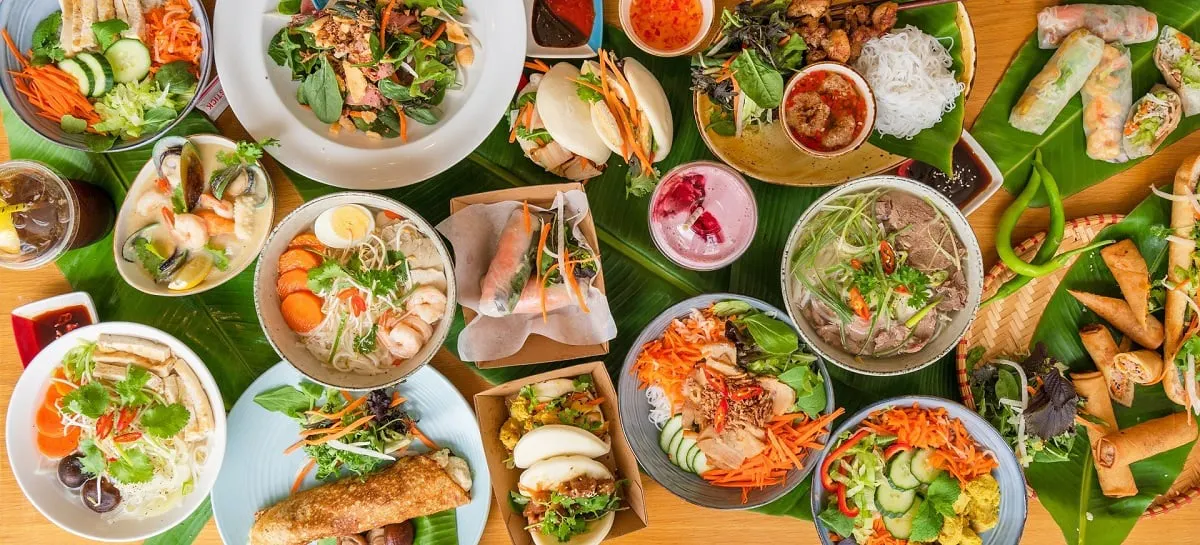
Wondering what food you should try in Vietnam? From steaming bowls of pho and crispy banh mi to bun cha, banh xeo, fresh seafood, regional specialties, Vietnamese desserts, and iconic local coffee, Vietnam offers an incredible variety of flavors. This guide highlights 25 must-try Vietnamese foods for first-time visitors, with recommendations on what each dish tastes like, where to try it, and which regional specialties are worth seeking out during your trip. Explore Vietnam through its diverse and unforgettable food culture.
Inspiration
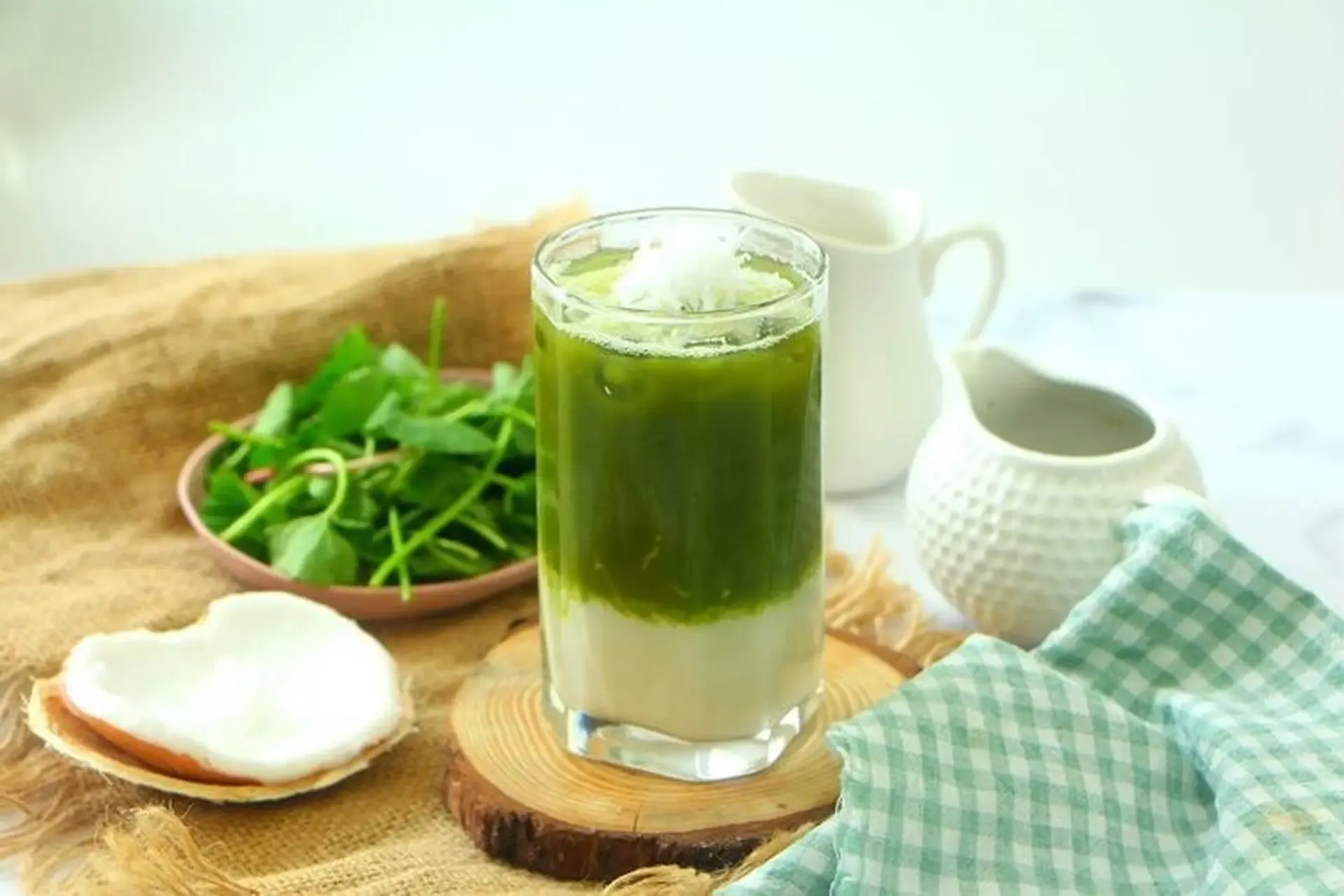
Learn how to make refreshing Vietnamese pennywort juice (rau má) at home with this easy recipe. Made with fresh pennywort leaves, cold water, and a touch of sugar, this vibrant green drink has a naturally earthy, grassy flavor and is commonly served over ice in Vietnam. This guide explains how to prepare and blend rau má, strain the juice, balance its flavor, and make the popular rau má đậu xanh variation with mung beans for a creamy, richer Vietnamese drink.
Inspiration
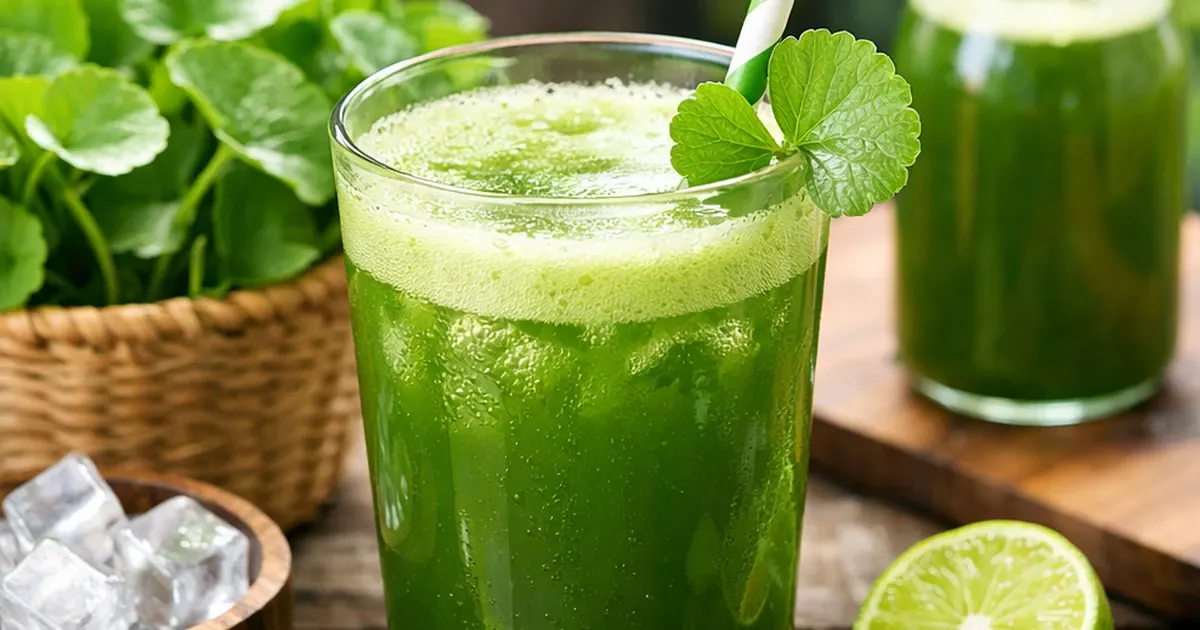
Pennywort juice is a traditional Vietnamese drink made from fresh rau má, the Vietnamese name for Centella asiatica, also known as gotu kola. Naturally green with a fresh, grassy and slightly bitter flavor, it is commonly blended with water and served over ice. Vietnamese vendors may add sugar, coconut water, or mung bean to create different variations. Popular at street drink stalls and local juice shops, rau má offers travelers a refreshing way to discover an everyday part of Vietnam’s food and drink culture.
Inspiration
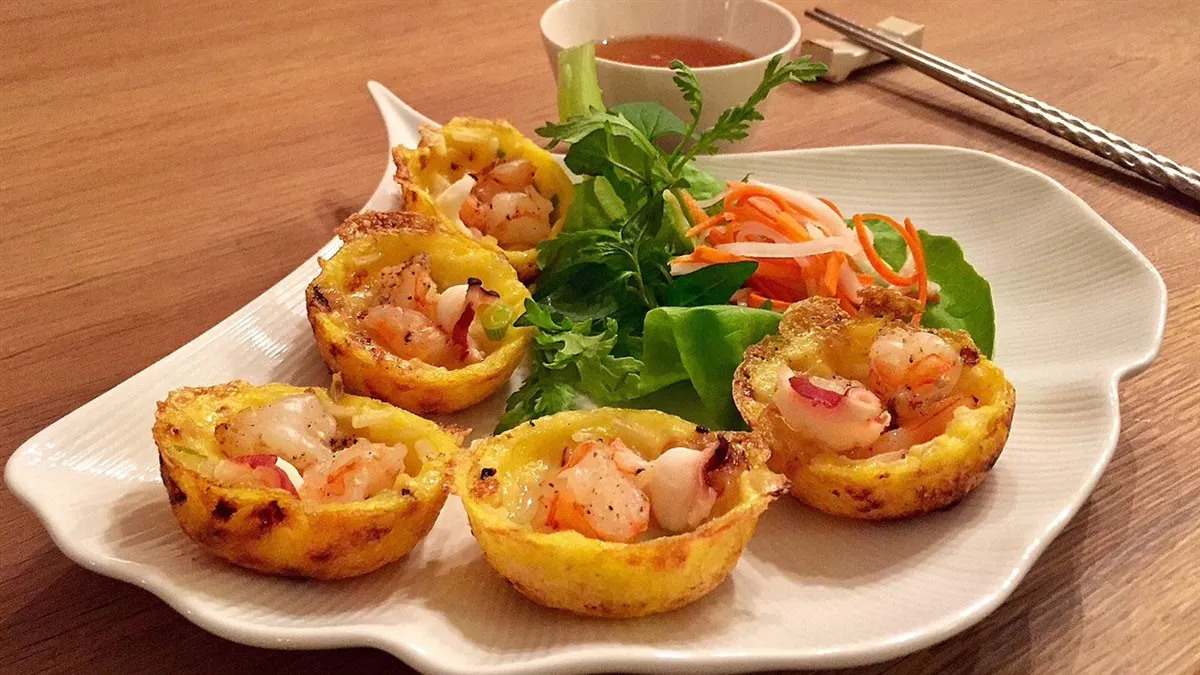
Bánh Căn and Bánh Khọt are two popular Vietnamese savory rice cakes that look similar but taste and cook differently. Bánh Căn is closely associated with Central Vietnam and is traditionally cooked in clay molds with little or no oil, creating a soft, airy texture. Bánh Khọt is a Southern specialty fried in an oiled metal mold, producing a crisp, golden exterior. Compare their ingredients, toppings, cooking methods, dipping sauces, regional origins, and traditional ways to enjoy these iconic Vietnamese street foods.