
What Is Pho? Vietnam's Iconic Noodle Soup Explained
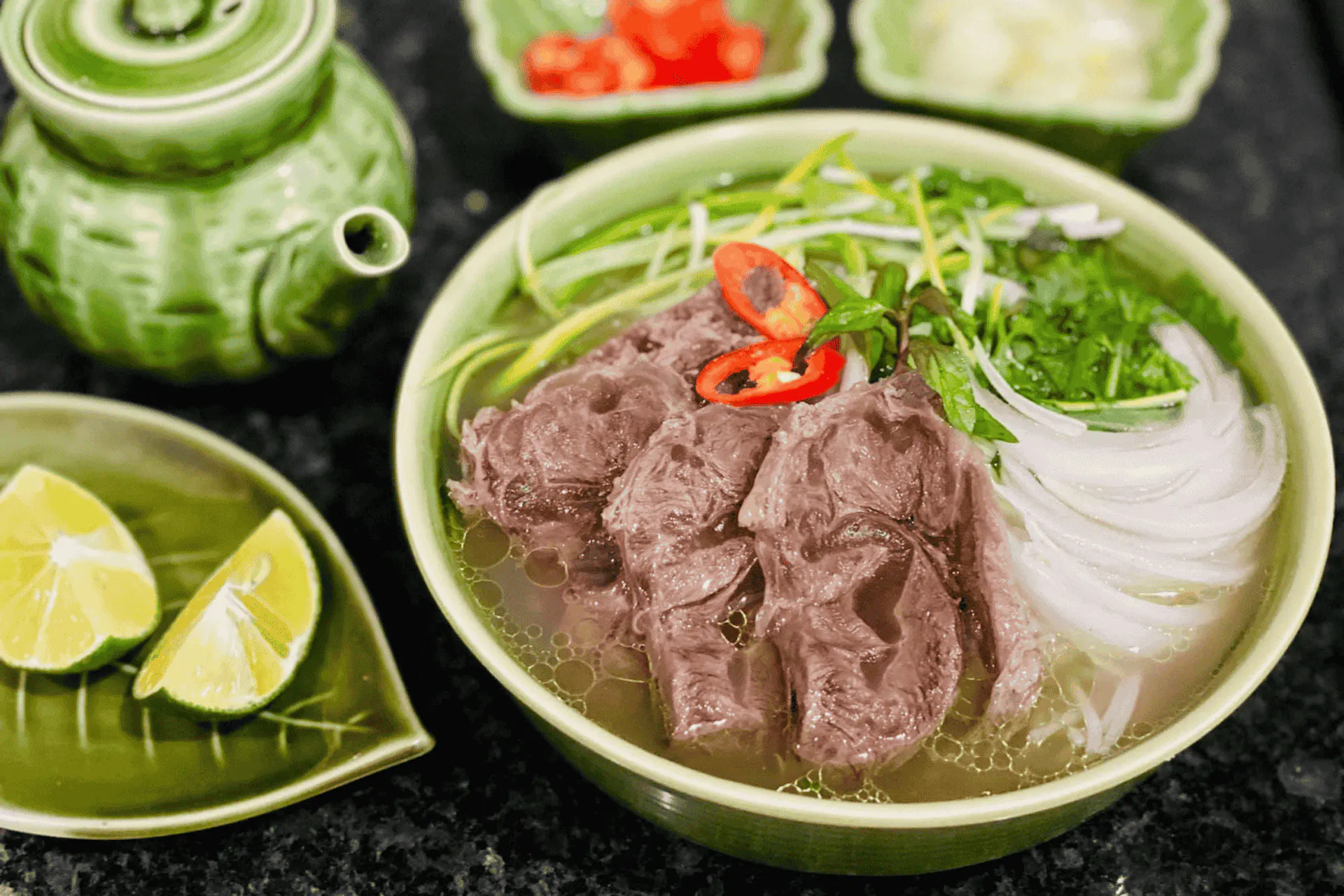
Pho, or Phở, is Vietnam's iconic noodle soup made with flat rice noodles, a fragrant broth, beef or chicken, and fresh herbs and seasonings. From Hanoi's traditional northern style to Ho Chi Minh City's more herb-rich southern version, pho reflects the diversity of Vietnamese cuisine. Discover what pho is, what ingredients go into a bowl, how beef pho differs from chicken pho, what pho tastes like, where the dish originated, and how to enjoy this beloved Vietnamese noodle soup like a local.
On this page
- What Is Pho?
- What Is Pho Made Of?
- What Does Pho Taste Like?
- What Is Pho Broth Made Of?
- What Is Beef Pho?
- What Is Chicken Pho?
- Northern Pho vs. Southern Pho
- What Herbs Are Served With Pho?
- How to Eat Pho
- How to Order Pho Like a Local
- Where Did Pho Come From?
- How Did Pho Become Popular Around Vietnam?
- Popular Pho Variations
- Is Pho Healthy?
- Pho as a Part of Vietnamese Food Culture
- Pho in Hanoi and Ho Chi Minh City
- Final Thoughts
If you ask someone to name one Vietnamese dish, Pho (Phở) is likely to be one of the first answers. This iconic Vietnamese noodle soup combines flat rice noodles, a fragrant broth, beef or chicken, fresh herbs, and simple seasonings into a comforting bowl enjoyed throughout the country.
Pho is especially associated with Hanoi and Ho Chi Minh City, where northern and southern styles have developed distinctive flavors and ways of serving the dish. Whether you are trying pho for the first time or planning a food trip to Vietnam, understanding its ingredients, history, regional variations, and dining customs makes the experience even more rewarding.
What Is Pho?
Pho is a Vietnamese noodle soup made with flat rice noodles, a flavorful broth, meat such as beef or chicken, and fresh herbs and seasonings.
The two most common versions are:
- Phở bò – beef pho
- Phở gà – chicken pho
A traditional bowl typically contains bánh phở, the flat rice noodles, along with meat and a clear, aromatic broth. Depending on the restaurant and region, it may also come with green onions, cilantro, fresh herbs, bean sprouts, lime, chili, or other condiments.
Pho is eaten for breakfast, lunch, dinner, or simply whenever a comforting bowl of noodles sounds appealing. In Vietnam, it is not just a dish for tourists—it is an everyday part of Vietnamese food culture.
What Is Pho Made Of?
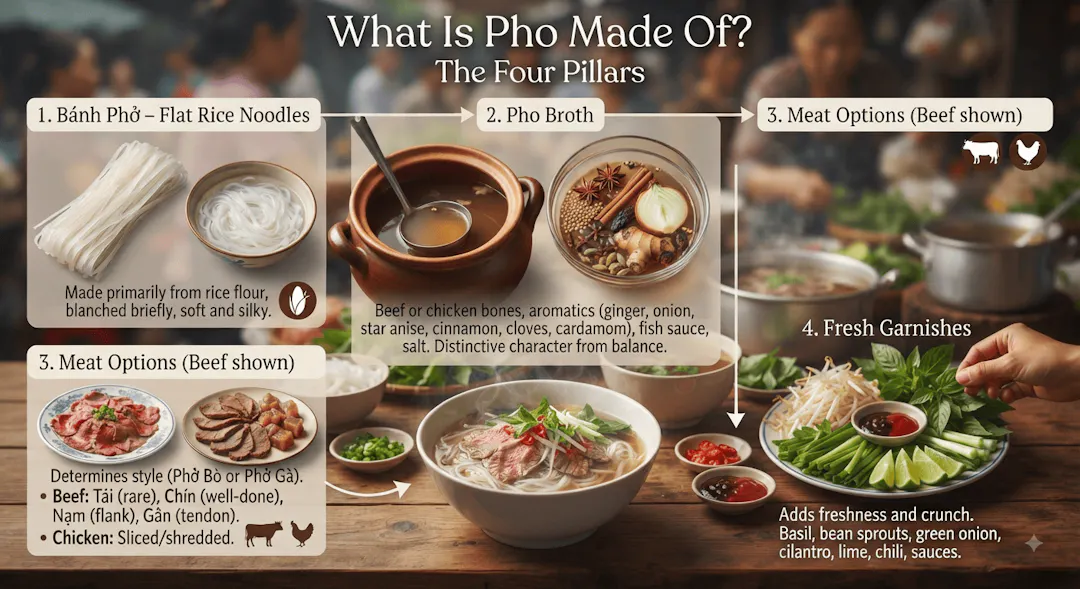
Although recipes vary from one restaurant to another, most bowls of pho are built around four essential elements: rice noodles, broth, meat, and fresh garnishes.
1. Bánh Phở – Flat Rice Noodles
The noodles used for pho are called bánh phở. They are made primarily from rice flour and are shaped into long, flat ribbons. Fresh noodles are briefly blanched in hot water before being placed in the serving bowl.
Good pho noodles should be soft and silky while still retaining enough structure to hold their shape in the hot broth. The noodles themselves have a mild flavor, allowing the broth and other ingredients to take center stage.
2. Pho Broth
The broth is the defining element of a good bowl of pho. Beef pho generally uses beef bones and beef-based ingredients, while chicken pho uses chicken and a lighter combination of aromatics.
Common ingredients used to flavor pho broth include:
- Beef or chicken bones
- Ginger
- Onion or shallots
- Star anise
- Cinnamon
- Coriander seeds
- Cloves
- Cardamom
- Fish sauce
- Salt
The exact recipe varies between cooks and regions.
Rather than relying on a single spice, pho broth gets its distinctive character from the balance between meat, aromatics, spices, and seasoning.
3. Beef or Chicken
The type of meat determines which style of pho you are ordering. For phở bò, common beef options include:
- Tái – thinly sliced rare beef
- Chín – well-done beef
- Nạm – flank or brisket-style beef
- Gân – beef tendon
- Bò viên – Vietnamese beef meatballs
You may also find combinations such as tái nạm, combining rare beef with well-done beef. For phở gà, the bowl usually contains sliced or shredded chicken, often accompanied by green onion and fresh herbs.
What Does Pho Taste Like?
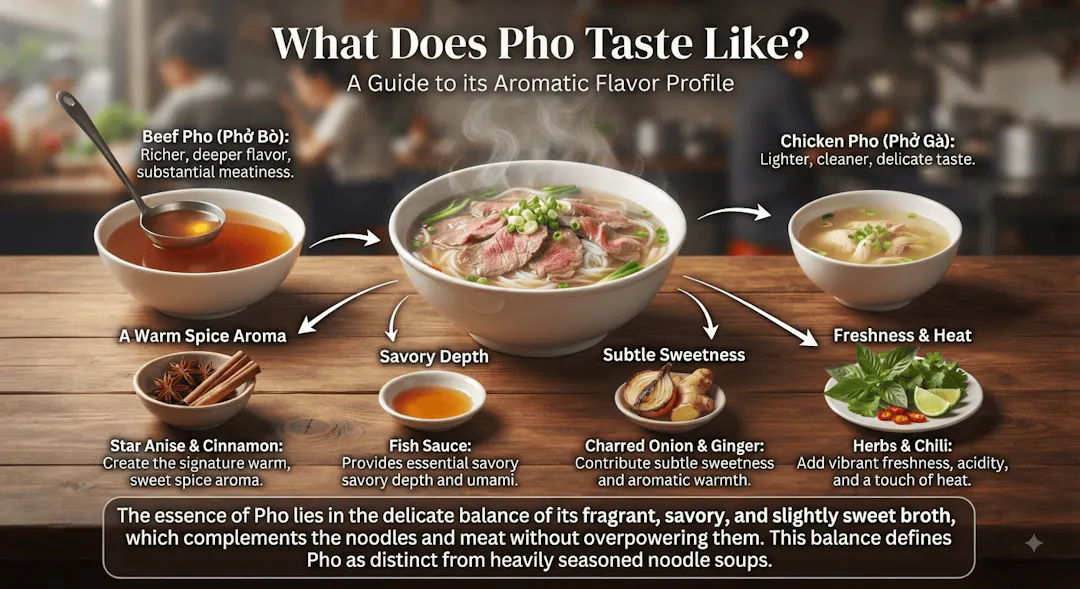
Pho has a fragrant, savory, slightly sweet, and deeply aromatic flavor. The exact taste depends on the type of pho and the restaurant. Beef pho usually has a richer, deeper flavor from the beef and spices. Chicken pho tends to be lighter, cleaner, and more delicate.
Several ingredients contribute to the characteristic flavor:
- Ginger adds warmth and fragrance.
- Charred onion provides subtle sweetness.
- Star anise and cinnamon create a warm spice aroma.
- Fish sauce adds savory depth.
- Fresh lime brings acidity.
- Herbs and chili add freshness and heat.
The broth should generally complement rather than overpower the noodles and meat.
This balance is what makes pho different from heavily seasoned noodle soups.
What Is Pho Broth Made Of?
Traditional pho broth is prepared by simmering meat, bones, aromatics, and spices together to develop a deep but relatively clear flavor. For beef pho, cooks may use beef bones, oxtail, brisket, or other beef cuts. Chicken pho uses chicken and commonly features ginger and onion prominently.
The aromatics are often charred before being added to the stock. Ginger and onion develop a deeper fragrance when exposed to direct heat.
Whole spices such as cinnamon, star anise, and coriander seeds are also used to create pho's distinctive aroma. The broth is then carefully seasoned, often with salt and fish sauce. There is no single universal pho recipe. Each family, restaurant, and region can have its own preferred combination of ingredients and cooking methods.
What Is Beef Pho?
Phở bò is Vietnamese beef noodle soup and one of the most iconic versions of pho. The broth is typically made with beef bones and aromatic spices, then served with rice noodles and different cuts of beef.
One of the most popular versions is phở tái, where thin slices of raw beef are placed over the noodles and cooked by the heat of the freshly added broth. Other versions use cooked beef, brisket, flank, tendon, or beef meatballs. If it is your first time trying pho in Vietnam, beef pho is a classic choice because it showcases the rich, aromatic character most commonly associated with the dish.
What Is Chicken Pho?
Phở gà is Vietnamese chicken noodle soup. Compared with beef pho, chicken pho usually has a lighter and more delicate flavor.
The broth is made with chicken and aromatics such as ginger and onion. Shredded or sliced chicken is placed over the rice noodles before the hot broth is added. Chicken pho is an excellent choice if you prefer a lighter soup or want to experience a different side of Vietnamese noodle culture.
Northern Pho vs. Southern Pho
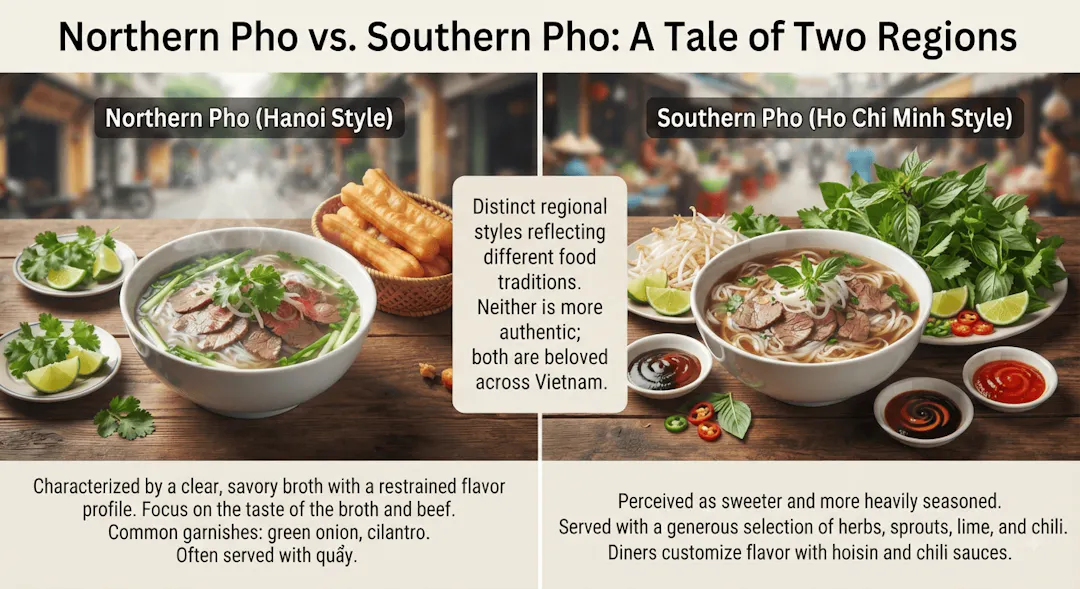
Pho is enjoyed throughout Vietnam, but Northern Pho and Southern Pho are often described as two distinct regional styles.
Northern Pho
Northern-style pho is strongly associated with Hanoi.
It is generally characterized by:
- A clear, savory broth
- A relatively restrained flavor profile
- Fewer accompanying herbs
- Green onion and cilantro as common garnishes
- A focus on the taste of the broth and beef
Hanoi pho often feels simple and refined. The broth is usually the central focus rather than a large collection of additional sauces and vegetables.
Traditional northern restaurants may also serve quẩy, small pieces of fried dough that can be dipped into the broth.
Southern Pho
Southern-style pho is particularly associated with Ho Chi Minh City and southern Vietnam.
It is often served with a more generous selection of:
- Thai basil
- Bean sprouts
- Sawtooth herb
- Lime
- Fresh chili
- Hoisin sauce
- Chili sauce
Southern broth is also commonly perceived as sweeter and more heavily seasoned than northern versions. The large plate of herbs and bean sprouts allows diners to customize the flavor and texture of each bowl. Neither style is necessarily more authentic than the other. They reflect different regional food traditions that developed within Vietnam.
What Herbs Are Served With Pho?
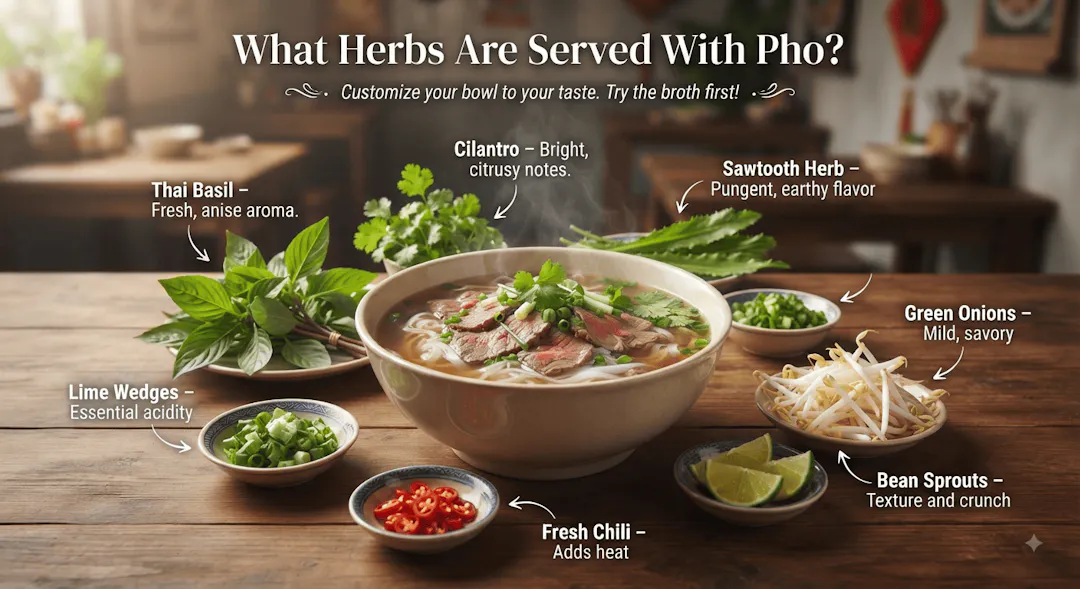
Fresh herbs are an important part of the pho experience, particularly in southern Vietnam.
Depending on the restaurant, you may receive:
- Thai basil
- Cilantro
- Sawtooth herb
- Green onions
- Bean sprouts
- Fresh chili
- Lime wedges
These ingredients provide freshness and contrast to the hot broth. A squeeze of lime adds acidity, while herbs introduce fresh aromas. Chili provides heat for those who enjoy a spicier bowl. You do not have to add everything at once. Trying the broth first lets you understand its original flavor before customizing it.
How to Eat Pho
Eating pho in Vietnam is simple. When your bowl arrives, start by tasting a spoonful of the broth on its own. This gives you a sense of the restaurant's seasoning and aromatic profile. Then add herbs, lime, chili, or bean sprouts according to your preference. Use chopsticks to pick up noodles and meat, while a spoon is useful for drinking the broth.
A typical bite combines noodles, meat, herbs, and broth together. There is no strict requirement to finish the bowl in a particular order. The best approach is to adjust the ingredients gradually until you find the balance you enjoy.
How to Order Pho Like a Local
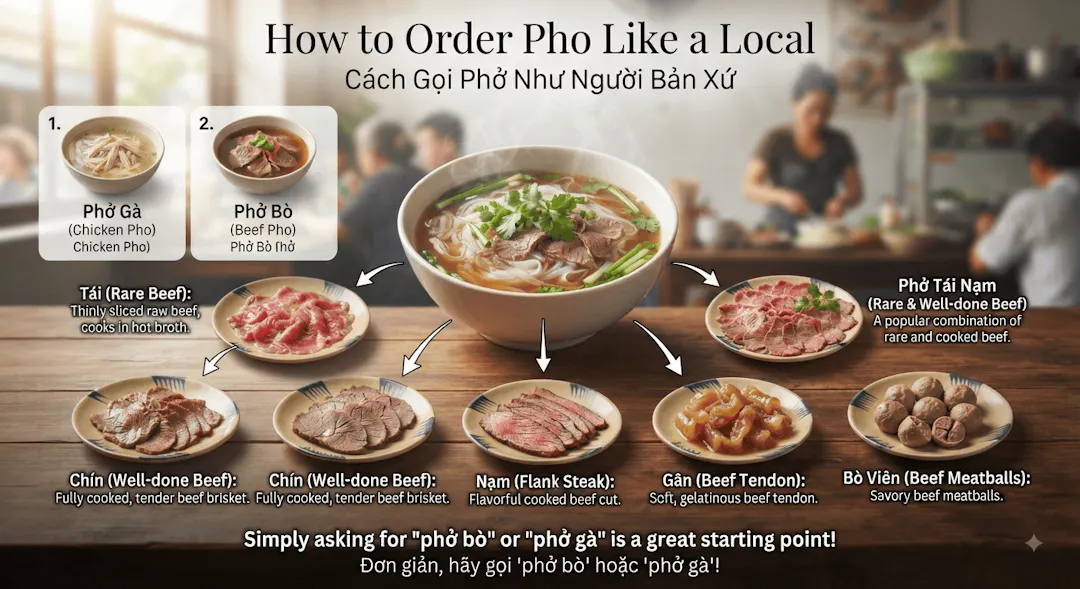
Ordering pho in Vietnam can be easier once you know a few Vietnamese terms.
Phở bò
Beef pho.
Phở gà
Chicken pho.
Tái
Thinly sliced rare beef that cooks when hot broth is poured over it.
Chín
Well-done beef.
Nạm
A cooked beef cut commonly served with pho.
Gân
Beef tendon.
Bò viên
Beef meatballs.
You may also see combinations such as:
phở tái nạm – rare beef and cooked beef.
If you are unsure what to order, simply asking for phở bò or phở gà is an easy starting point.
Where Did Pho Come From?
Pho emerged in northern Vietnam around the late 19th and early 20th centuries. Nam Định and Hanoi are particularly important to the early history of the dish.
The exact origins of pho remain debated, including the origin of the name phở. Historians and food writers have proposed different explanations involving Vietnamese, Chinese, and French culinary influences.
Rather than having one universally accepted origin story, pho is best understood as a dish that developed within the changing food culture of northern Vietnam. Over the 20th century, pho spread from northern Vietnam to the south and eventually around the world.
Vietnamese migration helped introduce pho to communities across North America, Europe, Australia, and other parts of Asia.
Today, Vietnamese restaurants serving pho can be found in cities around the globe.
How Did Pho Become Popular Around Vietnam?
Pho began as a northern Vietnamese specialty before becoming a national favorite. The movement of people within Vietnam played an important role in spreading the dish.
After the 1954 partition of Vietnam, many northerners moved south, bringing their culinary traditions with them. In southern Vietnam, pho developed new characteristics, including more herbs, bean sprouts, and condiments. Over time, the dish became firmly established in cities such as Ho Chi Minh City.
This regional evolution explains why a bowl of pho in Hanoi can taste noticeably different from one served in Saigon.
Popular Pho Variations
Although phở bò and phở gà remain the best-known versions, Vietnam has many other interpretations.
Phở Vịt Quay
Popular in northern Vietnam, particularly Lạng Sơn, this version uses roasted duck instead of the more familiar beef or chicken.
Phở Sốt Vang
This variation combines pho noodles with beef prepared in a rich, wine-influenced sauce.
Phở Trộn
Instead of being served primarily as a soup, the noodles are mixed with other ingredients and sauce, with broth sometimes served separately. These variations show how Vietnamese cooks continue to adapt pho while keeping the rice noodles and distinctive Vietnamese flavor profile at the center.
Is Pho Healthy?
The nutritional value of pho depends on the ingredients, portion size, and preparation.
A bowl can provide:
- Carbohydrates from rice noodles
- Protein from beef or chicken
- Fluids from the broth
- Vitamins and minerals from herbs and vegetables
However, broth can also contain significant amounts of sodium, particularly depending on how much salt and fish sauce are used. Pho should therefore be viewed as a balanced meal option rather than automatically labeling every bowl as a “healthy food.” If you want a lighter meal, chicken pho with plenty of fresh herbs and vegetables can be a good option.
Pho as a Part of Vietnamese Food Culture
Pho has become much more than a noodle soup. It represents the diversity and adaptability of Vietnamese cuisine. A bowl brings together ingredients with different characteristics:
- rice noodles provide a soft foundation
- broth contributes warmth and aroma
- meat adds protein and richness
- herbs provide freshness
- lime adds acidity
- chili adds heat
This balance is characteristic of many Vietnamese dishes, where no single flavor has to dominate. Pho is also an everyday food. In cities across Vietnam, people eat it before work, during lunch, or as a casual meal with friends and family.
For travelers, visiting a local pho restaurant can therefore provide a more authentic glimpse into everyday Vietnamese food culture than simply visiting a destination's most famous restaurants.
Pho in Hanoi and Ho Chi Minh City
If you want to compare different styles, Hanoi and Ho Chi Minh City are two of the best places to start. In Hanoi, look for bowls with a clear, savory broth and a relatively restrained selection of garnishes.
In Ho Chi Minh City, expect more herbs, bean sprouts, and optional sauces served alongside the bowl. Trying pho in both cities is an easy way to experience how geography and local preferences influence Vietnamese cuisine.
Final Thoughts
Pho is more than Vietnam's famous noodle soup—it is one of the clearest expressions of Vietnamese food culture. From the fragrant broth and silky rice noodles to grilled aromatics, tender beef or chicken, fresh herbs, lime, and chili, every component has a role.
The differences between Hanoi pho and Saigon pho also reveal the regional diversity of Vietnamese cuisine. Northern pho tends to emphasize clarity and restraint, while southern pho offers a sweeter, more herb-rich and customizable experience.
For first-time visitors to Vietnam, trying both styles is one of the simplest ways to begin exploring the country's culinary traditions. Whether you eat a quiet bowl of phở bò in Hanoi or a generous bowl of phở gà in Ho Chi Minh City, pho offers a delicious introduction to the flavors, history, and everyday food culture of Vietnam.
Read more: Phở: Vietnam's Famous Noodle Soup

By Roy Trinh
Editor
Roy Trinh is a travel writer and destination expert at Go Visit Vietnam, dedicated to helping travelers discover the beauty, culture, and diversity of Vietnam. Through well-researched travel guides, practical itineraries, local insights, and authentic recommendations, Roy shares valuable information to inspire memorable journeys across the country. From vibrant cities and breathtaking landscapes to regional cuisine and cultural heritage, every guide is created to help visitors experience Vietnam with confidence and curiosity.
Frequently Asked Questions About Pho
What is Pho?
Pho is a Vietnamese noodle soup made with flat rice noodles, aromatic broth, beef or chicken, and fresh herbs and seasonings.
What is Pho made of?
The main ingredients are rice noodles, broth, beef or chicken, herbs, onions, and seasonings. Common garnishes include lime, chili, bean sprouts, and fresh herbs.
What does Pho taste like?
Pho has a savory, aromatic flavor with subtle sweetness and warm spice. Beef pho tends to be richer, while chicken pho is usually lighter.
Is Pho Vietnamese?
Yes. Pho is one of Vietnam's most iconic traditional dishes and is closely associated with Vietnamese food culture.
What is Beef Pho?
Beef pho, or phở bò, is Vietnamese noodle soup made with beef broth, rice noodles, and different cuts of beef.
What is Chicken Pho?
Chicken pho, or phở gà, is made with chicken broth, rice noodles, and sliced or shredded chicken. It generally has a lighter flavor than beef pho.
What are Pho noodles made of?
Pho noodles, called bánh phở, are flat rice noodles made primarily from rice flour and water.
What is Pho broth made of?
Pho broth can contain beef or chicken bones, ginger, onion, spices, salt, and fish sauce. Recipes vary between restaurants and regions.
How do you eat Pho?
Taste the broth first, then add herbs, lime, bean sprouts, or chili to your preference. Use chopsticks for the noodles and meat and a spoon for the broth.
What is the difference between Pho Bo and Pho Ga?
Phở bò is beef pho, while phở gà is chicken pho. Beef pho generally has a deeper flavor, while chicken pho tends to be lighter and more delicate.
Advertising box
More Pho Stories & Vietnamese Food Guides
Discover more about Vietnam's iconic Pho through in-depth articles covering its history, regional styles, authentic recipes, nutrition, dining etiquette, and the best places to enjoy it. Explore the culture, traditions, and flavors that have made Pho one of the world's most beloved noodle dishes.
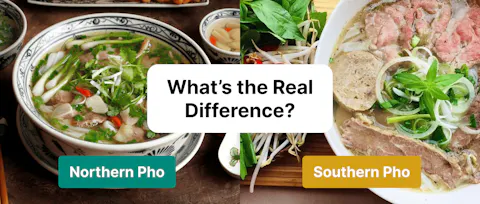
Northern Pho vs Southern Pho: What’s the Real Difference?
Pho is Vietnam's most famous dish, but not all bowls are the same. Northern Pho from Hanoi emphasizes a clear, delicate broth and minimal garnishes, while Southern Pho from Ho Chi Minh City is richer, sweeter, and served with an abundance of fresh herbs and condiments. From cooking techniques and ingredients to serving traditions and regional flavors, this guide explores the real differences between Northern and Southern Pho, helping you appreciate the unique character of each iconic Vietnamese noodle soup.
The History of Pho: How It Became Vietnam’s National Dish
Pho is more than Vietnam's most famous noodle soup—it is a symbol of the nation's culture, history, and identity. Originating in northern Vietnam in the early 20th century, Pho evolved through local traditions, French influence, and regional adaptations before becoming an internationally recognized culinary icon. This guide explores the fascinating history of Pho, its humble beginnings, how it spread across Vietnam, and why it remains one of the country's most beloved dishes today.
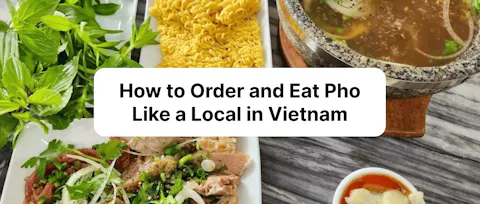
How to Order and Eat Pho Like a Local in Vietnam
Ordering Pho in Vietnam is about more than choosing a bowl of noodles—it's part of experiencing the country's food culture. From understanding menu terms and selecting your preferred cuts of meat to knowing when to add herbs, lime, or chili, local customs can make your meal even more enjoyable. This guide explains how Vietnamese people order and eat Pho, common restaurant etiquette, regional differences, and practical tips to help you enjoy Vietnam's most iconic dish like a local.
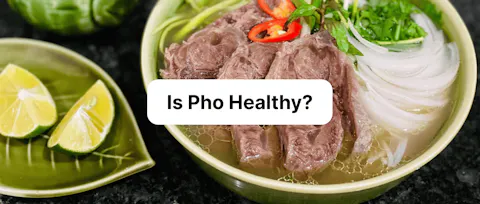
Is Pho Healthy? Calories, Nutrition, and Gluten-Free Facts
Pho is widely regarded as one of Vietnam's healthiest traditional dishes thanks to its nourishing broth, lean protein, fresh herbs, and rice noodles. However, its nutritional value can vary depending on the ingredients and portion size. This guide explores Pho's calories, protein, carbohydrates, vitamins, sodium content, and whether it is gluten-free. You'll also discover practical tips for enjoying this iconic Vietnamese noodle soup as part of a healthy, balanced lifestyle.