
What Is Bún Đậu Mắm Tôm? Vietnam’s Iconic Tofu & Noodle Platter
Bún Đậu Mắm Tôm is a popular Vietnamese street food platter featuring crispy fried tofu, pressed rice vermicelli, boiled pork, fresh herbs, cucumber, and pungent fermented shrimp paste. Originating in northern Vietnam, especially Hanoi, this simple yet flavorful dish is known for its contrasting textures and bold combination of salty, sour, sweet, spicy, and savory flavors. Discover the history, essential ingredients, distinctive mắm tôm sauce, regional variations, and the best way to enjoy this iconic Vietnamese dish like a local.
On this page
- What Is Bún Đậu Mắm Tôm?
- The Origins of Bún Đậu in Northern Vietnam
- What Are the Ingredients in Bún Đậu?
- What Is Mắm Tôm?
- What Does Bún Đậu Mắm Tôm Taste Like?
- How to Eat Bún Đậu Mắm Tôm
- Bún Đậu and Hanoi Street Food Culture
- Regional Variations of Bún Đậu
- Bún Đậu vs. Other Vietnamese Noodle Dishes
- Is Bún Đậu Mắm Tôm Vegetarian?
- Tips for First-Time Visitors
- Why Is Bún Đậu Mắm Tôm So Popular?
- Conclusion
Bún Đậu Mắm Tôm is a classic Vietnamese street food platter made with fried tofu, pressed rice vermicelli, boiled pork, fresh herbs, cucumber, and fermented shrimp paste. Originally associated with northern Vietnam, especially Hanoi, the dish is known for its simple ingredients, contrasting textures, and intensely savory dipping sauce.
For first-time visitors, the most distinctive part of the dish is mắm tôm, a fermented shrimp paste with a strong aroma and deep umami flavor. Mixed with lime or calamansi, sugar, chili, and sometimes hot oil, it becomes a creamy, slightly foamy dipping sauce that brings the entire platter together.
But what is Bún Đậu Mắm Tôm beyond its ingredients? It is a communal, casual style of Vietnamese dining that combines crispy, soft, fresh, salty, sour, sweet, and spicy elements in every bite.
What Is Bún Đậu Mắm Tôm?
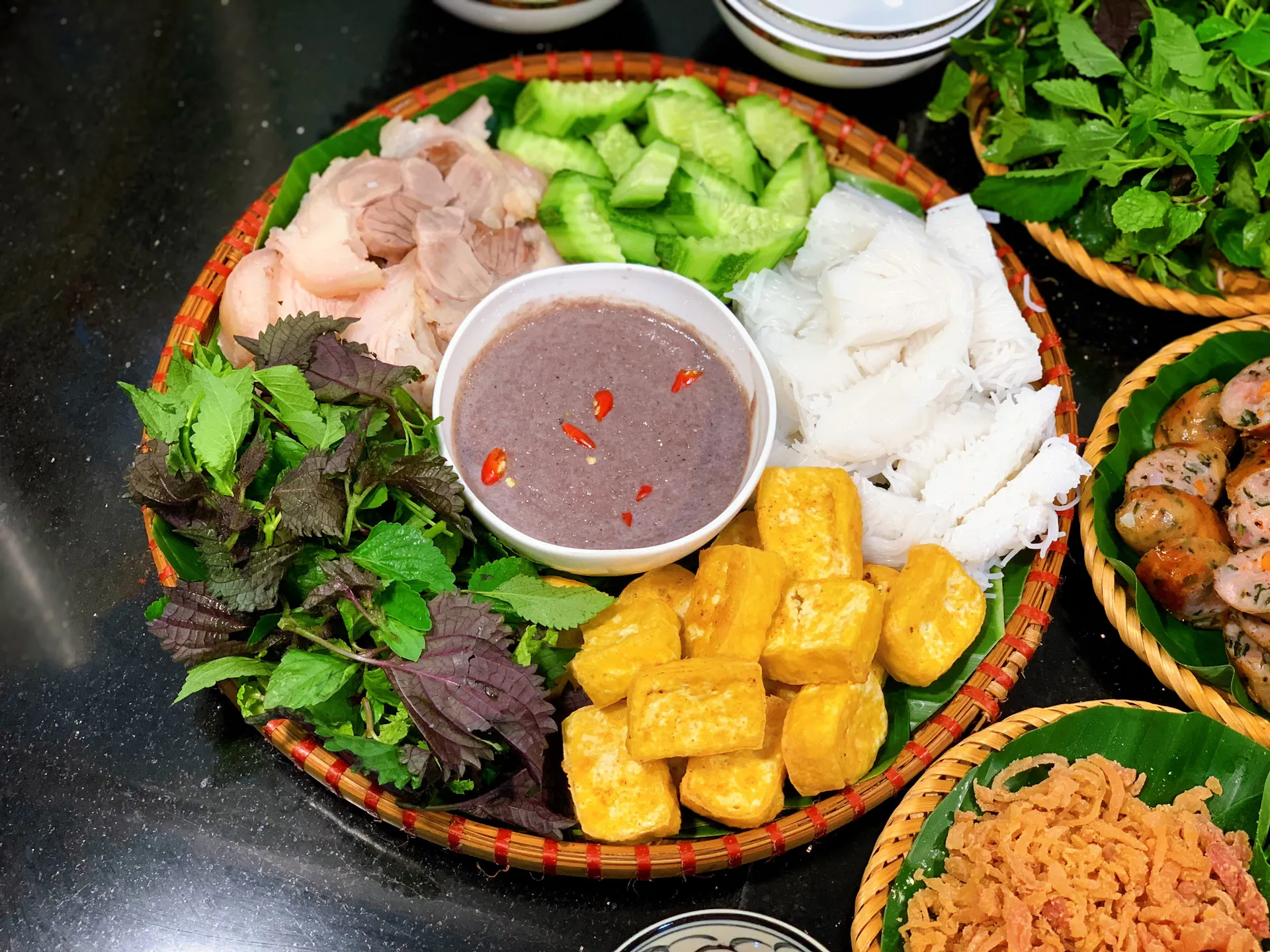
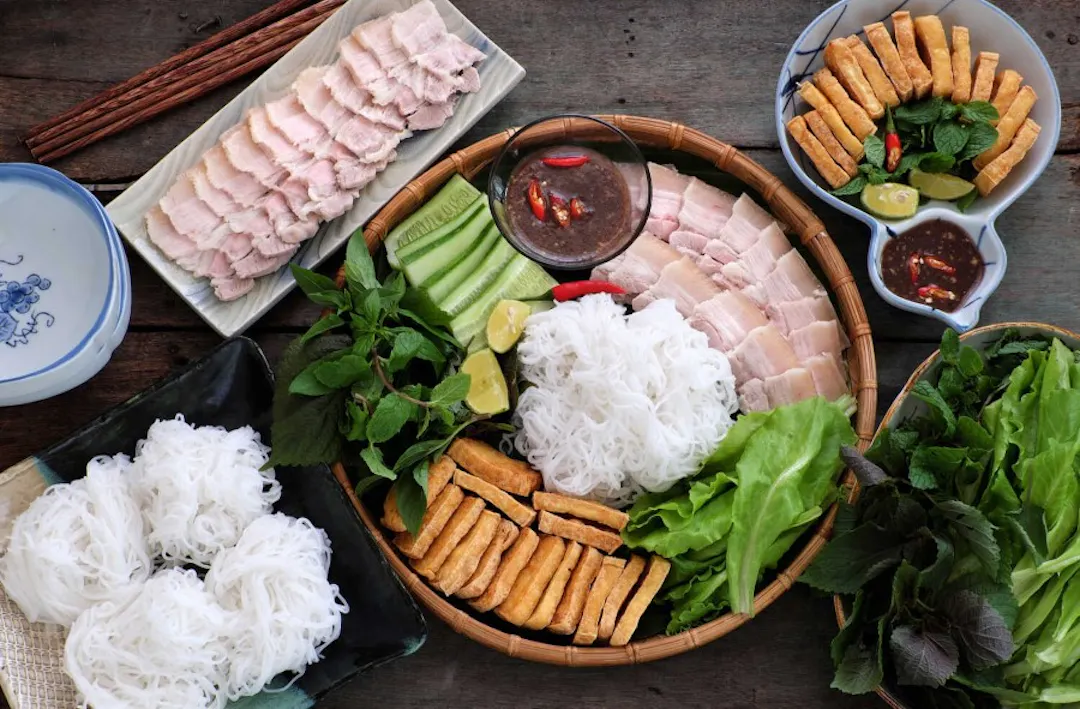
Bún Đậu Mắm Tôm literally refers to the main elements of the dish: bún means rice vermicelli, đậu refers to tofu, and mắm tôm is fermented shrimp paste. Rather than being served as a soup or a conventional noodle bowl, Bún Đậu is presented as a platter. The ingredients are arranged together, usually on a plate, bamboo tray, or banana-leaf-lined serving tray.
A typical serving includes:
- Crispy fried tofu
- Pressed rice vermicelli (bún lá)
- Boiled pork
- Fresh herbs and vegetables
- Cucumber
- Fermented shrimp paste (mắm tôm)
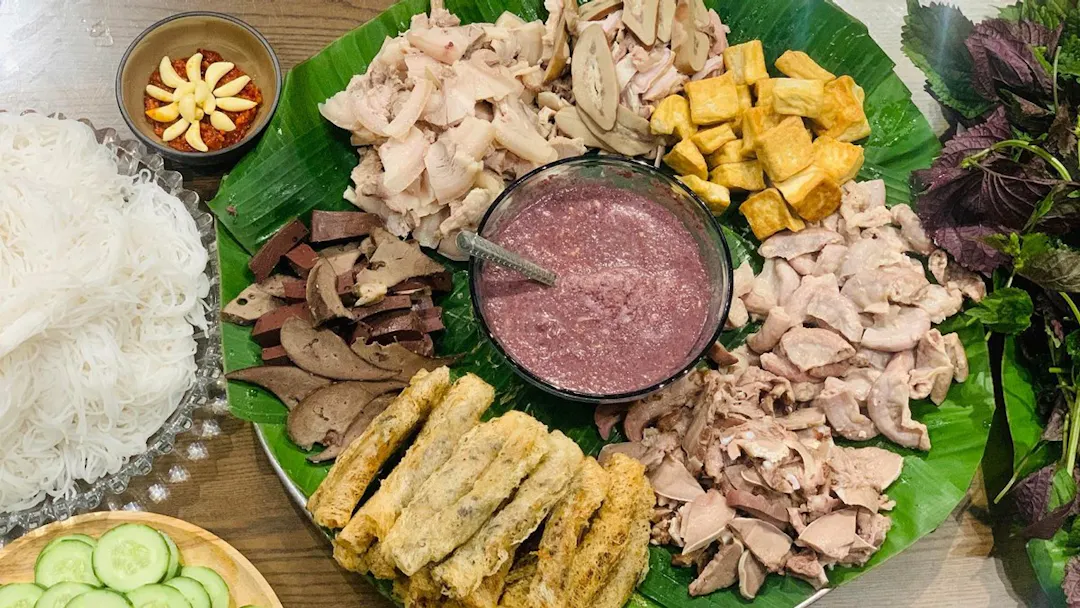
Depending on the restaurant or region, additional ingredients can include chả cốm, fried pork sausage, pork intestines, spring rolls, or other local specialties.
The appeal of Bún Đậu comes from the way these simple ingredients work together. Crispy tofu contrasts with soft noodles, fresh herbs balance the richness of pork, and the salty, fermented shrimp paste adds a powerful layer of umami.
The Origins of Bún Đậu in Northern Vietnam
Bún Đậu is strongly associated with northern Vietnamese food culture, particularly Hanoi. The dish developed as an inexpensive and convenient meal that could be prepared with familiar ingredients from the Red River Delta.
Rice, soybeans, pork, herbs, and fermented seafood have long played important roles in northern Vietnamese cuisine. Bún Đậu brings many of these ingredients together in a practical street-food format.
Hanoi's narrow streets and lively markets helped make the dish especially popular. Small sidewalk restaurants and informal food stalls became natural places to enjoy Bún Đậu, often with several diners sharing a large platter.
Over time, what began as a simple northern meal became one of the country's best-known street foods.
Today, you can find Bún Đậu Mắm Tôm in Hanoi, Ho Chi Minh City, and other Vietnamese cities, although recipes and serving styles may vary.
What Are the Ingredients in Bún Đậu?
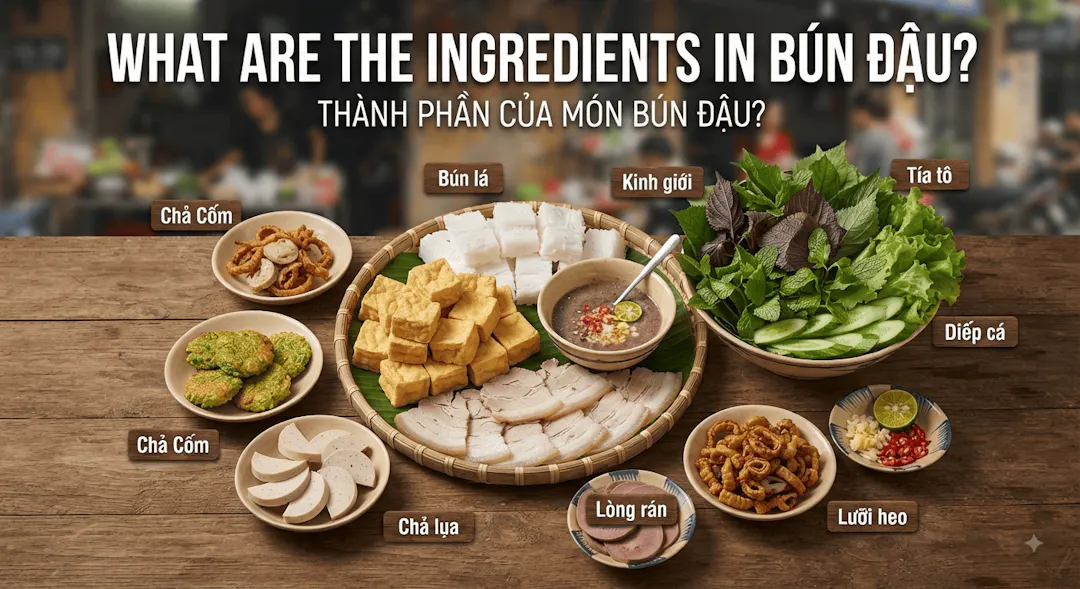
The ingredients in Bún Đậu are relatively simple, but each plays an important role in the overall eating experience.
Fried Tofu
Fried tofu, or đậu rán, is usually the centerpiece of the platter. Fresh tofu is cut into bite-sized pieces and fried until the outside becomes golden and crisp. The interior remains soft and moist, creating one of the dish's most satisfying contrasts. Freshly fried tofu is especially enjoyable because its crisp exterior absorbs just enough of the mắm tôm sauce without becoming completely soggy.
Pressed Rice Vermicelli
The bún in Bún Đậu is different from the loose rice noodles commonly served in Vietnamese noodle soups. Bún lá consists of freshly cooked rice vermicelli pressed into compact sheets or portions. These pieces are cut into manageable sizes before being arranged on the platter. Their soft texture provides a gentle contrast to the crispy tofu and allows diners to easily pick up each bite with chopsticks.
Boiled Pork
Boiled pork is another common component of traditional Bún Đậu. Depending on the vendor, it may come from pork belly, pork leg, or other suitable cuts. The meat is cooked until tender and sliced thinly. Its richness works particularly well with the sharp acidity and fermented umami of the dipping sauce.
Fresh Herbs and Vegetables
Fresh herbs are essential rather than decorative. A typical platter may include Vietnamese balm (kinh giới), perilla (tía tô), mint, fish mint (diếp cá), lettuce, and cucumber. These fresh ingredients add cooling, herbal, peppery, and slightly bitter notes that balance the fried tofu and pork.
Additional Toppings
More elaborate versions of Bún Đậu may include ingredients such as:
- Chả cốm — pork patties combined with young green sticky rice
- Fried pork sausage
- Pork intestines
- Pork stomach
- Fried spring rolls
- Boiled pork tongue
- Other regional meat specialties
The more elaborate versions are sometimes called Bún Đậu Mắm Tôm thập cẩm, meaning a mixed or combination platter.
What Is Mắm Tôm?
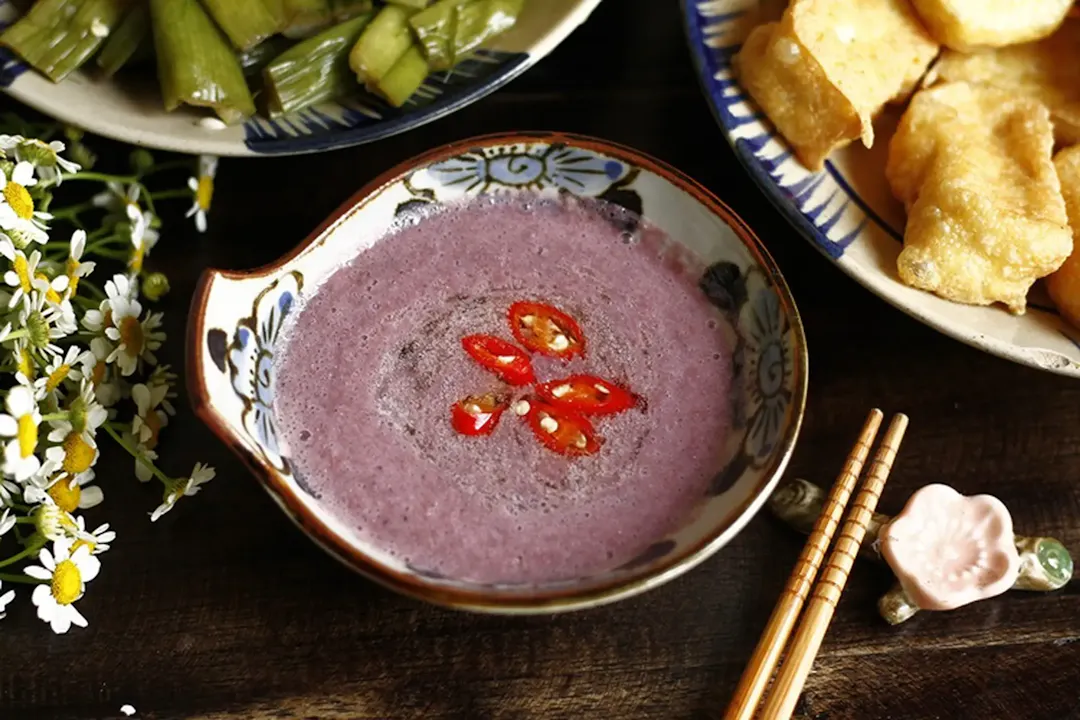
Mắm tôm is a traditional Vietnamese fermented shrimp paste made from small shrimp or krill mixed with salt and fermented over time. It has a distinctive purple-gray color and an intense fermented aroma. For people unfamiliar with fermented seafood, the smell can initially be surprising. However, aroma is only one part of the experience. Properly prepared mắm tôm has a deep savory flavor, strong umami, saltiness, and a distinctive fermented character. It is particularly important in northern Vietnamese cuisine and is one of the defining elements of Bún Đậu Mắm Tôm.
How Is Bún Đậu Mắm Tôm Sauce Prepared?
The sauce is usually mixed shortly before eating.
A typical preparation combines:
- Mắm tôm
- Lime or calamansi juice
- Sugar
- Fresh chili
- Hot cooking oil or fried shallot oil
The ingredients are vigorously stirred until the sauce becomes lighter in color and develops a foamy texture. The citrus juice is particularly important because its acidity helps balance the intense fermented flavor. Some diners prefer a sweeter sauce, while others add more chili or citrus depending on their taste.
What Does Bún Đậu Mắm Tôm Taste Like?
If you have never tried Bún Đậu Mắm Tôm, its flavor can be difficult to compare with other dishes.
The overall taste combines several contrasting elements.
The tofu is crispy and savory on the outside but soft inside. The rice vermicelli is mild and delicate, while boiled pork contributes richness.
Fresh herbs and cucumber introduce cooling, aromatic flavors.
The mắm tôm sauce adds the strongest character: salty, fermented, savory, slightly sweet, acidic, and spicy depending on how it is prepared.
Together, these ingredients create a balance between richness and freshness.
The dish is not necessarily extremely spicy. The level of heat usually depends on how much fresh chili or chili oil is added to the dipping sauce.
How to Eat Bún Đậu Mắm Tôm
There is no single strict way to eat Bún Đậu, but the dish is designed to be assembled bite by bite. Start by preparing your dipping sauce. Mix the mắm tôm with lime juice, sugar, and chili according to your preference. Then use chopsticks to combine a small piece of pressed vermicelli with fried tofu, pork, and fresh herbs. Dip the bite into the sauce and eat it together.
A simple combination of crispy tofu + bún lá + pork + herbs + mắm tôm gives you a good introduction to the dish.
Cucumber can be eaten between bites to refresh the palate. If you are trying mắm tôm for the first time, start with a small amount. Its fermented flavor is powerful, and the intensity can take some getting used to.
Can You Eat Bún Đậu Without Mắm Tôm?
Yes. Many restaurants offer nước mắm chua ngọt, a sweet and sour fish sauce, as an alternative to mắm tôm. This sauce is generally milder and more approachable for travelers who are not accustomed to fermented shrimp paste. Choosing fish sauce does not mean you are eating the dish incorrectly. It simply creates a different flavor profile.
However, if you want to experience the traditional character of Bún Đậu Mắm Tôm, trying at least a small amount of the fermented shrimp paste is worthwhile.
Bún Đậu and Hanoi Street Food Culture
Bún Đậu is closely connected with the casual atmosphere of Hanoi street food.
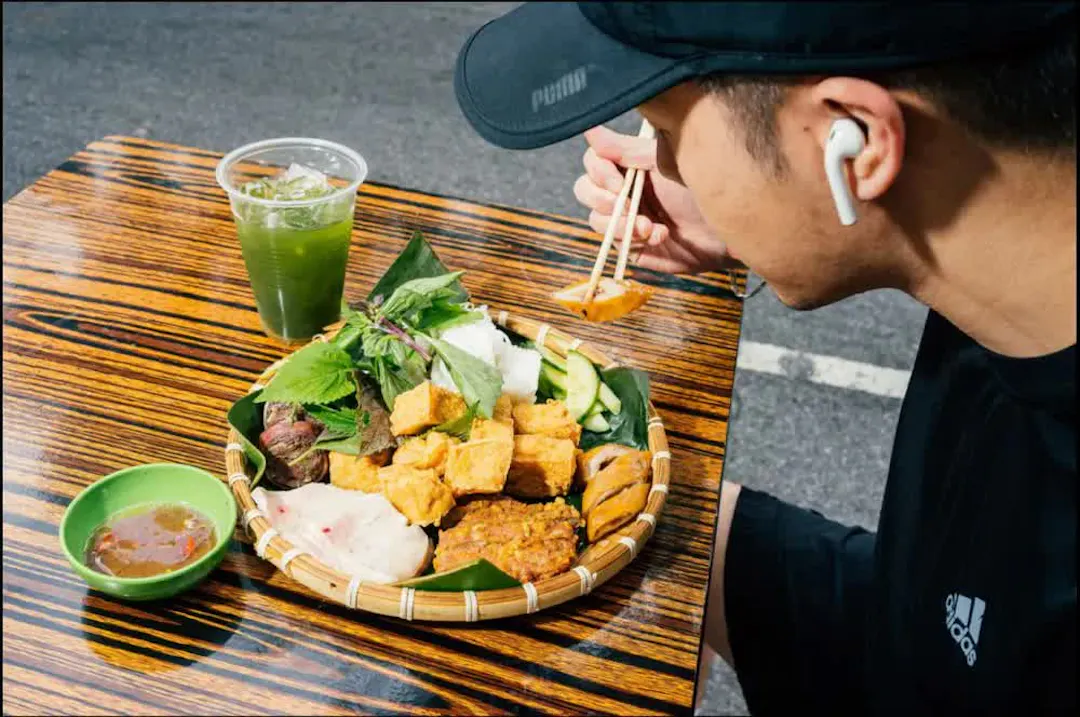
Unlike formal Vietnamese dishes served as carefully arranged individual courses, Bún Đậu is informal and communal. Diners typically sit together around a shared platter and assemble individual bites with chopsticks.
The dish fits naturally into Hanoi's street-food culture because it is affordable, filling, quick to serve, and built around familiar local ingredients.
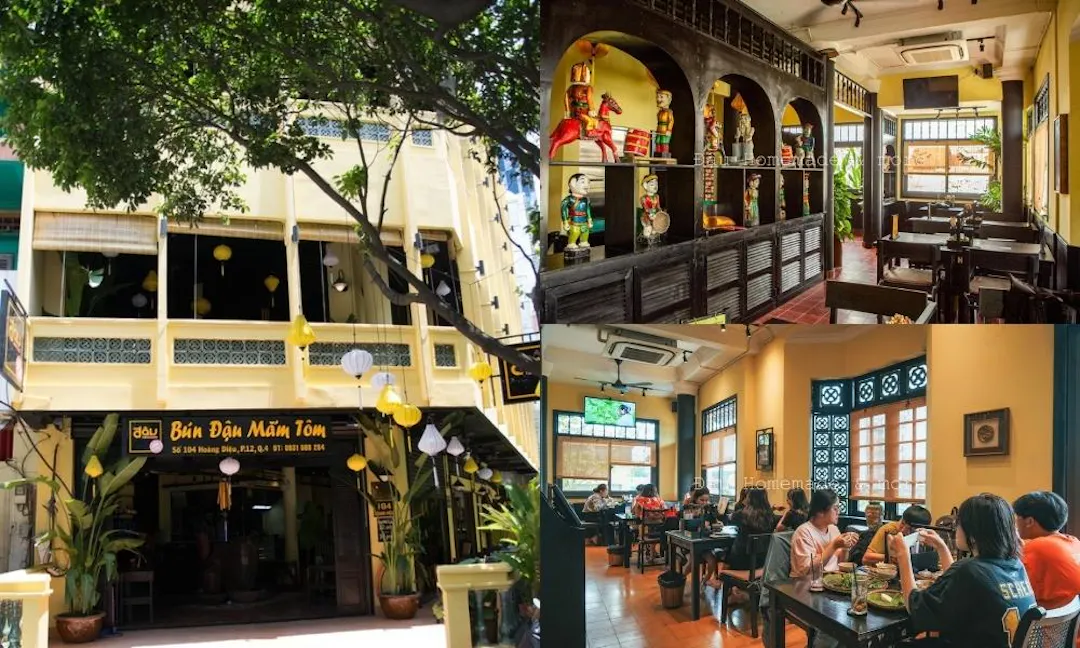
Small restaurants specializing in Bún Đậu can range from simple sidewalk stalls to modern eateries with expanded menus.
For travelers, trying Bún Đậu is an opportunity to experience a style of everyday Vietnamese dining rather than simply tasting another famous national dish.
Regional Variations of Bún Đậu
Although Bún Đậu originated in northern Vietnam, it is now popular throughout the country. As the dish has spread, restaurants have adapted the platter to local preferences.
In southern Vietnam, for example, some versions may have a sweeter dipping sauce or a larger selection of side dishes. Modern restaurants may also create combination platters with additional fried foods, sausages, and meat specialties.
Despite these differences, the central structure remains recognizable:
bún + fried tofu + pork + fresh herbs + dipping sauce.
The mắm tôm remains the defining ingredient for the traditional version.
Bún Đậu vs. Other Vietnamese Noodle Dishes
Bún Đậu is very different from famous Vietnamese noodle soups such as phở and Bún Bò Huế.
Phở is served as a hot soup with rice noodles, broth, meat, and herbs. Bún Bò Huế is also a soup, characterized by a rich, spicy broth and thick rice noodles.
Bún Đậu has no broth.
Instead, its flavor comes from the combination of fried tofu, noodles, meat, herbs, and dipping sauce. This makes Bún Đậu closer to a Vietnamese sharing platter than a traditional noodle soup.
Is Bún Đậu Mắm Tôm Vegetarian?
The basic dish is not vegetarian because traditional versions commonly contain pork and fermented shrimp paste. However, vegetarian restaurants may create plant-based versions using:
- Vegetarian tofu
- Mushroom-based proteins
- Vegetarian dipping sauces
- Plant-based sausage
- Fresh herbs and vegetables
These versions can recreate the texture and overall concept of Bún Đậu without using meat or seafood. If you follow a vegetarian diet, it is important to confirm that both the toppings and dipping sauce are vegetarian, because traditional mắm tôm contains fermented seafood.
Tips for First-Time Visitors
Trying Bún Đậu for the first time is easier when you know what to expect. First, don't judge the dish solely by the smell of mắm tôm. The aroma can be much stronger than the flavor once the sauce is mixed with citrus, sugar, chili, and oil. Second, try a small amount of sauce with crispy tofu before building a large bite. Third, eat the herbs alongside the richer ingredients rather than treating them as decoration.
Finally, choose a busy restaurant with a steady stream of customers. High turnover generally means that ingredients such as tofu, noodles, pork, and herbs are being prepared and served regularly.
Why Is Bún Đậu Mắm Tôm So Popular?
The popularity of Bún Đậu comes from its combination of simplicity and strong character. The dish uses inexpensive ingredients but creates an unexpectedly complex eating experience. It combines:
- Crispy and soft textures
- Hot and cool ingredients
- Rich and fresh flavors
- Salty, sour, sweet, spicy, and savory notes
- Mild rice noodles with intensely flavored fermented sauce
Most importantly, Bún Đậu represents an important part of everyday Vietnamese food culture. It is not designed to be complicated or luxurious. Its appeal comes from bringing ordinary ingredients together in a way that is satisfying, social, and distinctly Vietnamese.
Conclusion
So, what is Bún Đậu Mắm Tôm?
It is a traditional Vietnamese street-food platter featuring fried tofu, pressed rice vermicelli, boiled pork, fresh herbs, cucumber, and fermented shrimp paste. Closely associated with Hanoi and northern Vietnam, the dish combines simple ingredients with bold contrasts in texture and flavor.
For first-time visitors, the mắm tôm may be the most challenging element, but it is also what gives the dish much of its distinctive identity. Once balanced with lime, sugar, chili, and hot oil, the fermented shrimp paste creates a powerful savory sauce that complements the crispy tofu, soft noodles, pork, and fresh herbs.
Whether enjoyed at a casual Hanoi street-food stall or a modern Vietnamese restaurant, Bún Đậu Mắm Tôm offers a memorable introduction to the bold, communal, and highly contrasting flavors of Vietnamese cuisine.
Read more: Bún Đậu Mắm Tôm: Vietnam's Fermented Shrimp Paste Noodle Platter

By Roy Trinh
Editor
Roy Trinh is a travel writer and destination expert at Go Visit Vietnam, dedicated to helping travelers discover the beauty, culture, and diversity of Vietnam. Through well-researched travel guides, practical itineraries, local insights, and authentic recommendations, Roy shares valuable information to inspire memorable journeys across the country. From vibrant cities and breathtaking landscapes to regional cuisine and cultural heritage, every guide is created to help visitors experience Vietnam with confidence and curiosity.
Frequently Asked Questions About Bún Đậu Mắm Tôm
What is Bún Đậu Mắm Tôm?
Bún Đậu Mắm Tôm is a popular Vietnamese street food platter made with fried tofu, pressed rice vermicelli, boiled pork, fresh herbs, cucumber, and fermented shrimp paste. It is particularly associated with Hanoi and northern Vietnam and is known for its contrasting textures and bold, savory flavors.
What does Bún Đậu Mắm Tôm taste like?
Bún Đậu Mắm Tôm combines crispy, soft, fresh, salty, sour, sweet, and savory flavors. Fried tofu and pork provide richness, while fresh herbs and cucumber add freshness. The fermented shrimp paste gives the dish its distinctive salty, savory, umami-rich character.
What is mắm tôm?
Mắm tôm is a traditional Vietnamese fermented shrimp paste made by fermenting small shrimp or krill with salt. It has a strong aroma and a deep umami flavor. When served with Bún Đậu, it is commonly mixed with lime or calamansi, sugar, chili, and hot oil.
What are the main ingredients in Bún Đậu Mắm Tôm?
The main ingredients are fried tofu, pressed rice vermicelli (bún lá), boiled pork, fresh herbs, cucumber, and mắm tôm. Some versions also include chả cốm, fried pork sausage, pork intestines, or other meat specialties.
Is Bún Đậu Mắm Tôm spicy?
Bún Đậu itself is not necessarily spicy. The heat mainly comes from fresh chili or chili oil added to the mắm tôm dipping sauce. You can adjust the amount of chili according to your preference.
How do you eat Bún Đậu Mắm Tôm?
Mix the mắm tôm with lime or calamansi juice, sugar, chili, and optionally hot oil. Then use chopsticks to combine fried tofu, pressed rice vermicelli, pork, and fresh herbs before dipping them into the sauce. Cucumber can be eaten between bites to refresh the palate.
Can you eat Bún Đậu without mắm tôm?
Yes. Many restaurants offer sweet and sour fish sauce (nước mắm chua ngọt) as an alternative. It has a milder flavor and is a good option for travelers who are not accustomed to fermented shrimp paste.
Where did Bún Đậu Mắm Tôm originate?
Bún Đậu is strongly associated with northern Vietnam, particularly Hanoi. It developed as a simple and affordable meal using ingredients commonly found in northern Vietnamese cuisine and became an important part of Hanoi's street-food culture.
Is Bún Đậu Mắm Tôm vegetarian?
Traditional Bún Đậu Mắm Tôm is not vegetarian because it usually contains pork and fermented shrimp paste. Vegetarian restaurants may offer plant-based versions with tofu, mushrooms, vegetables, and vegetarian dipping sauces.
What is the difference between Bún Đậu and Phở?
Bún Đậu is a platter served with fried tofu, pressed rice vermicelli, meat, herbs, and dipping sauce, while Phở is a noodle soup served in a hot broth. Their preparation, textures, and flavor profiles are quite different.
Advertising box