
Best Places to Visit in Thai Nguyen
Thai Nguyen is home to breathtaking tea plantations, fascinating historical landmarks, and peaceful natural landscapes that make it one of Northern Vietnam's most rewarding destinations. Visitors can explore the famous Tan Cuong Tea Hills, relax at Nui Coc Lake, discover Vietnam's ethnic heritage through museums, visit ancient temples, and experience authentic local culture. Whether you're interested in history, nature, photography, or tea tourism, this guide introduces the best places to visit in Thai Nguyen for an unforgettable travel experience.

On this page
As the bustling streets and weekend crowds of Hanoi become increasingly dense, savvy travelers and expatriates are constantly searching for authentic, easily accessible escapes. Just a quick 1.5-hour drive (roughly 80 kilometers) north of the capital via the modern CT07 highway lies a magnificent province that completely defies the standard northern travel circuit. Identifying the best places to visit in thai nguyen unlocks a deeply layered destination where you can seamlessly transition from pristine agricultural landscapes to dense, revolutionary jungle canopies in a single afternoon.
Unlike the highly commercialized zones of Sapa or the crowded boat docks of Ha Long Bay, Thai Nguyen remains a largely un-commercialized, tranquil sanctuary. Known historically as the undisputed "Tea Capital of Vietnam," the province offers a rich, unblemished tapestry of emerald tea valleys, immense subterranean caves, and proud ethnic heritage. This comprehensive guide serves as your elite itinerary architect. Whether you are planning spontaneous day trips from hanoi or a dedicated weekend expedition, we will map out the exact coordinates, field-tested logistics, and hidden cultural hubs you need to know. Discover exactly what to visit in thai nguyen to experience the raw, authentic heart of the Vietnamese Northeast.
Lowland Culture & Agritourism Routes
For travelers seeking an immediate immersion into the province's agricultural and ethnographic soul, the southern lowlands surrounding the city center provide the perfect starting point. These easily accessible destinations require minimal trekking but deliver immense cultural value, showcasing the intricate balance between human cultivation and the natural landscape.
1. Tan Cuong Tea Valley
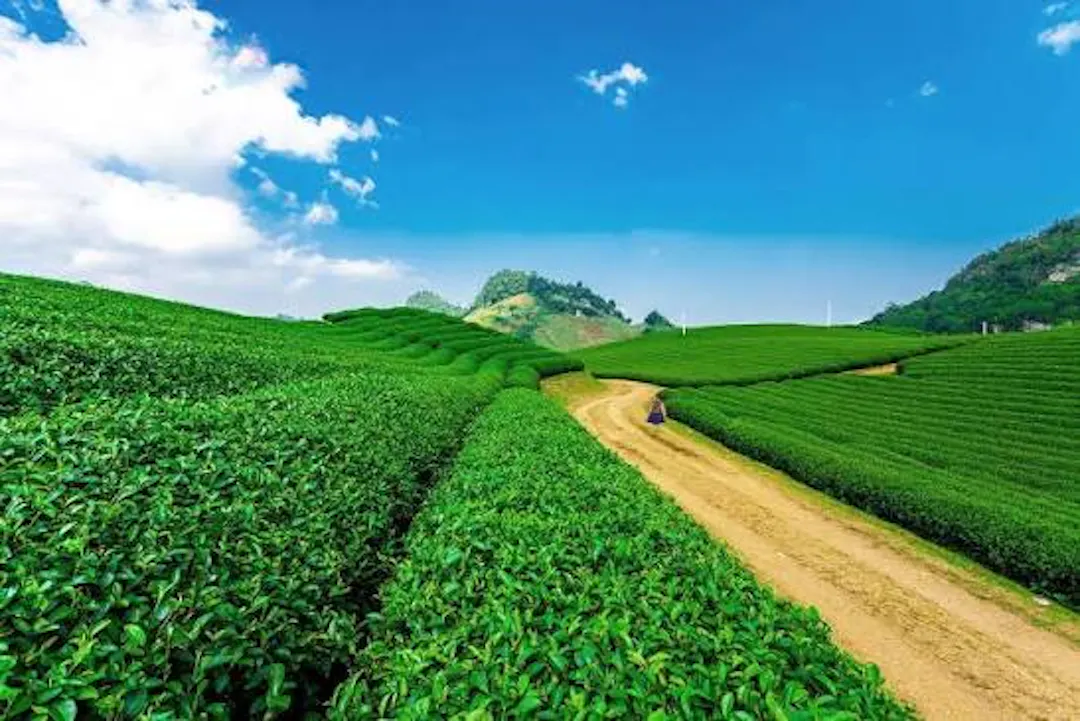
No thai nguyen attractions to visit list is complete without exploring the sprawling, manicured green hills of the Tan Cuong Tea Valley. Located just a short drive west of the city center, this region possesses a unique, highly acidic soil composition and a protective mountain microclimate that produces the finest green tea in Southeast Asia. To truly maximize your tan cuong tea valley tour, precise timing is your most valuable asset. Do not arrive at midday when the sun washes out the scenery. Instead, aim to reach the fields early in the morning, strictly between 6:30 AM and 8:30 AM. During this narrow, magical window, the morning mist still clings heavily to the valleys, and you can witness local women meticulously hand-harvesting the tender young tea buds before the intense heat degrades the leaves' essential oils.
After walking the terraced fields, proceed directly to the Tan Cuong Tea Cultural Space. Here, you will observe the grueling, sensory art of wood-fired leaf roasting. The spatial layout of these small tea-processing pavilions is highly efficient, designed to maximize ventilation while containing the intense heat of the ovens. Master artisans use their bare hands to gauge the temperature of the searing cast-iron pans during the wilting process. Sit down for a formal tasting session to sample Trà Đinh (Premium Needle Tea), an ultra-luxurious, hand-rolled green tea prized for its sweet, lingering umami finish and total absence of bitterness, offering a delicate contrast for those more accustomed to the country's heavy robusta coffee culture.
2. The Museum of Cultures of Vietnam's Ethnic Groups
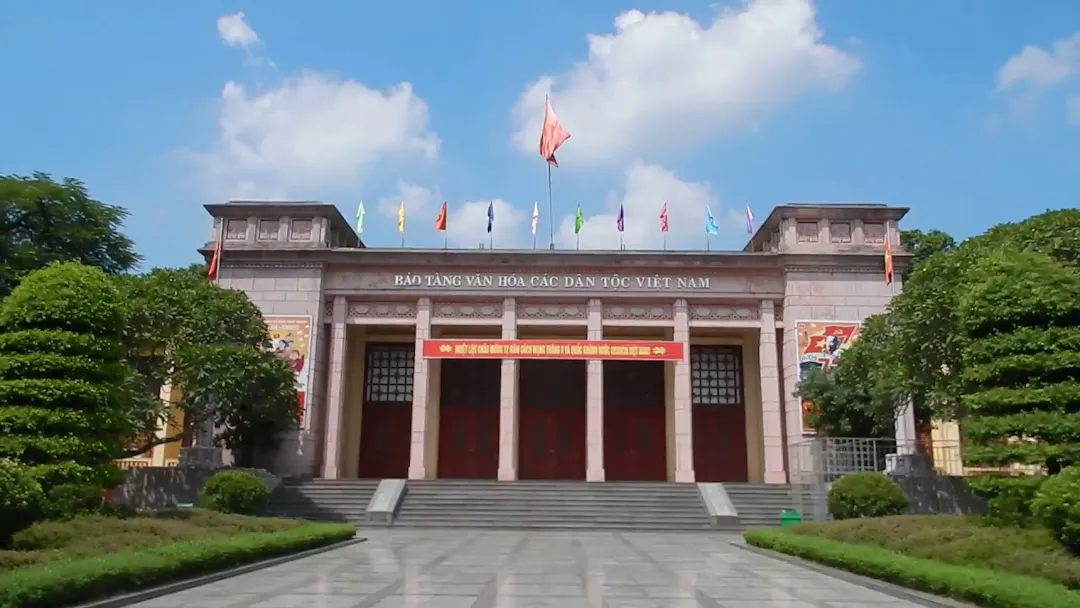
Situated directly in the urban center of the provincial capital, this national-level institution is an absolute mandatory stop for any cultural traveler. Do not mistake this for a dusty, forgotten regional archive; it is a premier ethnographic masterpiece documenting the complex heritage of the nation's 54 officially recognized ethnic groups.
While the indoor galleries brilliantly organize thousands of ancient artifacts by language families, the true brilliance of the museum lies in its expansive, beautifully landscaped outdoor exhibition grounds. Travelers are highly instructed to explore the five distinct outdoor architectural zones representing Vietnam's geographic regions. You can physically walk through and examine the structural ingenuity of authentic Tay stilt houses sourced from the northern highlands. These structures represent a brilliant mastery of organic materials, utilizing elevated wooden pillars to prevent flooding and promote natural cross-ventilation. Alternatively, marvel at the soaring, axe-blade roof of a traditional Bahnar communal Rong house meticulously transported from the Central Highlands. It is a vital, educational primer before you venture deeper into the northern frontier.
3. Den Duom Temple (Phu Luong District)
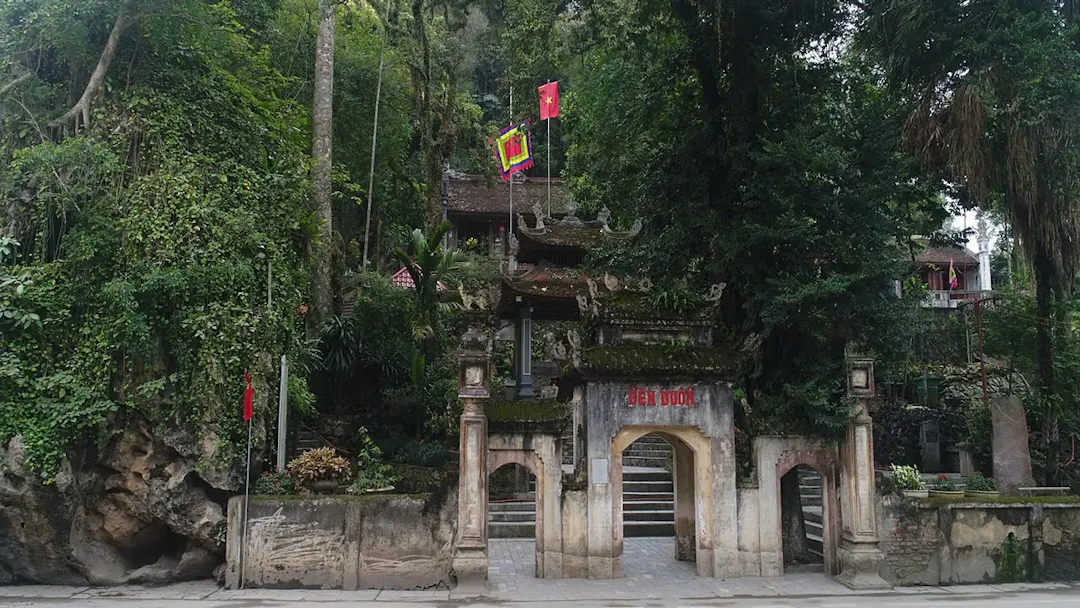
Driving exactly 24 kilometers northwest along National Highway 3 brings you to the sacred, atmospheric grounds of Den Duom Temple in Phu Luong District. This ancient spiritual sanctuary is dramatically nestled against the sheer, vertical limestone cliffs of the Diem Son mountain range, creating a highly cinematic and serene backdrop that feels entirely removed from the modern world.
The temple is dedicated to Duong Tu Minh, a legendary Tay ethnic national hero and military commander from the Ly Dynasty who fiercely defended the northern borders against foreign incursions. When visiting this historic site, strict respect and modesty are required. Travelers must ensure their shoulders and knees are fully covered before crossing the threshold into the inner courtyards. Walk quietly among the heavy, dark ironwood pavilions and ancient moss-covered stone steles, where the scent of wild mountain flora mixes with thick plumes of burning sandalwood incense, offering a raw, unfiltered glimpse into the region's deep-rooted indigenous hero worship.
Highland Adventure & Nature Sanctuaries
Moving outward from the city center, the topography aggressively shifts into towering karst mountains, dense tropical canopies, and vast freshwater basins. For travelers craving intense physical exertion and raw wilderness, these specific eco-destinations are unparalleled in the Northeast.
1. Phuong Hoang (Phoenix) Cave & Mo Ga Stream
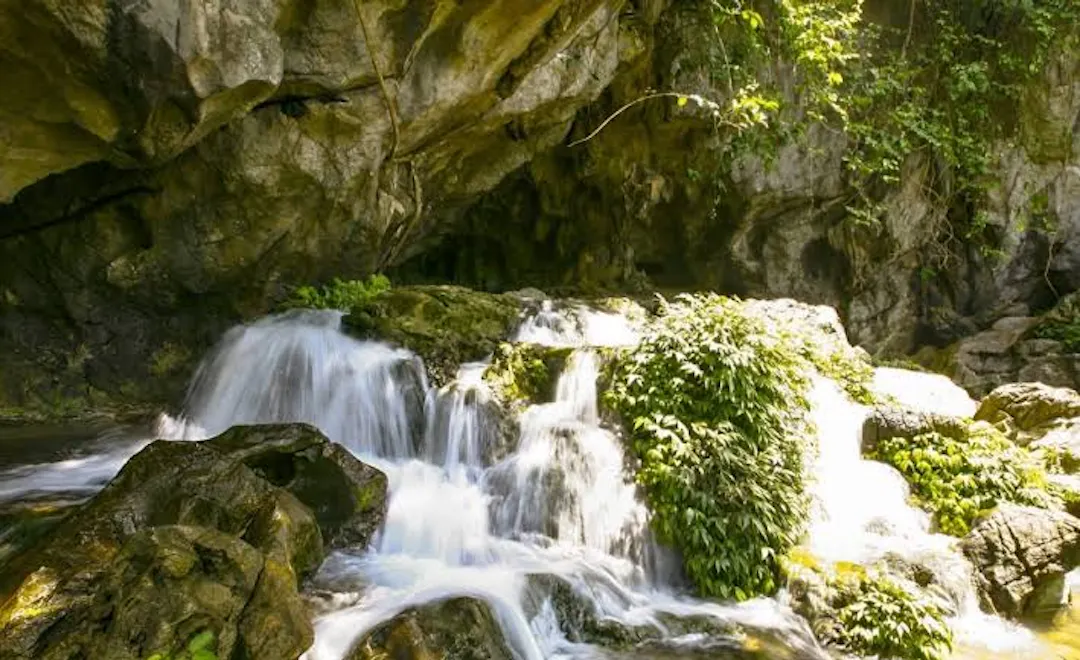
Located in the rugged, geographically isolated Vo Nhai district, approximately 45 kilometers east of the capital, the dual attraction of Phuong Hoang Cave and Mo Ga Stream represents the absolute pinnacle of local eco-adventure. Visiting this spectacular geological wonder requires a high degree of physical fitness and determination. Travelers face a grueling, nearly vertical ascent up more than 700 jagged, uneven stone steps cut directly into the side of the limestone mountain. You must pack proper, high-grip trekking footwear and a breathable, moisture-wicking shirt to combat the intense, suffocating jungle humidity during the long climb.
The arduous physical challenge is instantly rewarded the moment you step inside the colossal upper cavern. Massive natural skylights pierce the high limestone ceiling, casting dramatic, cinematic beams of sunlight onto towering, ancient stalagmites that have formed over millennia. After descending the mountain, head directly to the base where the Mo Ga Stream violently erupts from a lower cave mouth. Swimming in the ice-cold, crystal-clear turquoise water of this natural stream pool provides an exhilarating, physiological reset that is entirely unmatched in the province, instantly washing away the exhaustion of the trek.
2. The Twin Lakes: Nui Coc vs. Ghenh Che
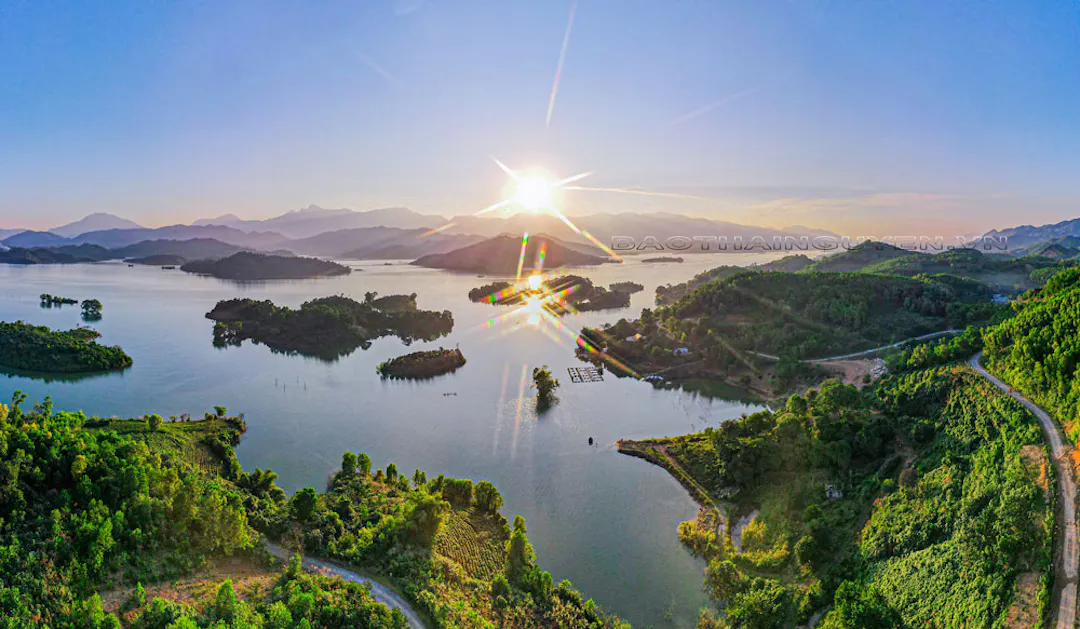
When researching nui coc lake travel, international travelers frequently encounter highly polished, commercialized marketing images. To provide honest, trustworthy guidance, a transparent field comparison is necessary. Nui Coc Lake is incredibly massive, deeply tied to the romantic local folklore of Mr. Coc and Mrs. Cong. However, the eastern shoreline is heavily dominated by a loud, concrete amusement park catering exclusively to massive domestic tour groups. To experience the lake’s true, serene beauty, entirely skip the commercial theme park entrance. Instead, head straight to the western docks, hire a private motorboat, and instruct the captain to cruise deep into the tranquil, mist-covered northern waters, weaving quietly among the lake's 89 pristine, forested islands.
For travelers seeking a completely raw, un-commercialized alternative, pivot your itinerary south toward Ghenh Che Lake in Song Cong city. Hidden entirely behind rolling eucalyptus forests and sprawling pine groves, this large, highly indented freshwater basin has zero large-scale tourist infrastructure. It is the absolute perfect, secluded environment for launching a stand-up paddleboard (SUP) or pitching a quiet, isolated lakeside camping tent. The water is glassy, the air is perfectly silent, and it offers an authentic, off-the-grid escape.
The Safe Zone (ATK) Historical Loop
For dedicated history enthusiasts, journeying into the northwestern highlands of Thai Nguyen is a profound, solemn pilgrimage. Here, the dense, mountainous jungle topography served as a critical, impenetrable geopolitical fortress during the mid-20th century.
ATK Dinh Hoa Historical Relic Area
Situated approximately 50 kilometers from the city center, deep in the remote, heavily forested Dinh Hoa district, lies the immense ATK (An Toàn Khu) Historical Relic Area. From 1946 to 1954, this impenetrable jungle sanctuary functioned as the ultimate resistance headquarters. Because of its supreme strategic importance and the constant, chilling mountain breezes that sweep through the valleys, the region earned the deeply historic title of Thủ đô gió ngàn (The Windy Capital).
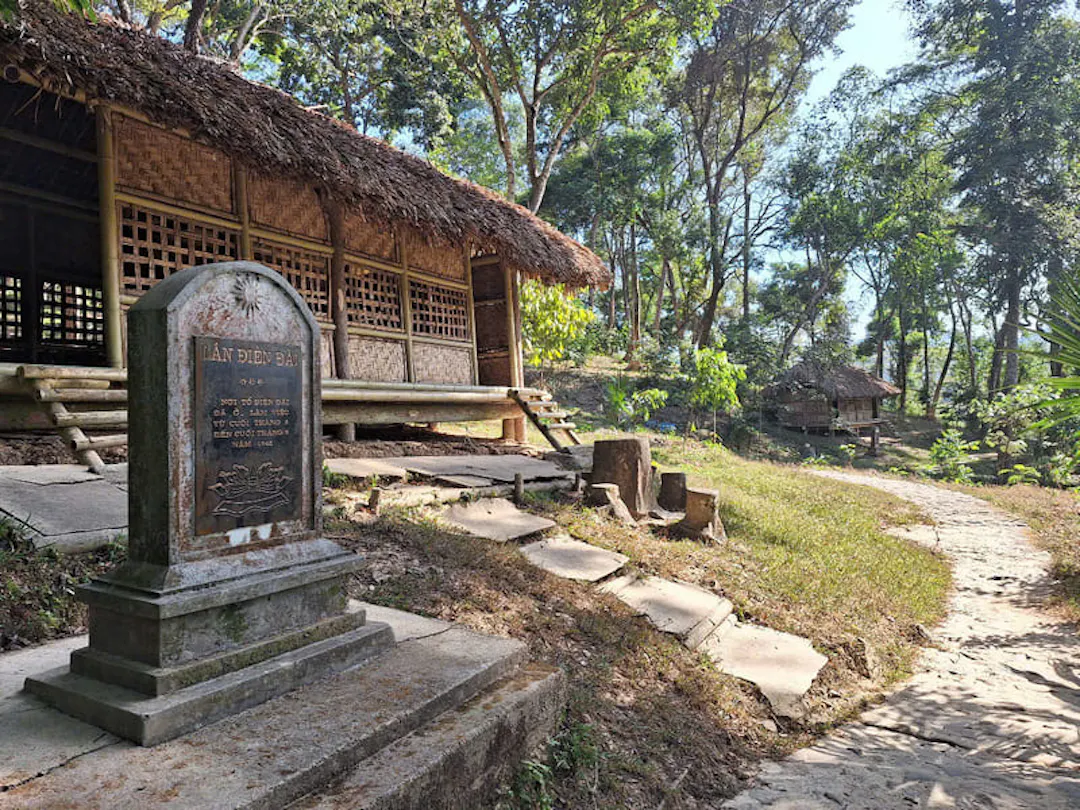
To fully grasp the tactical brilliance and spatial isolation of this location, you must navigate the shaded forest trails to locate specific, highly concealed historical coordinates. Begin your trek at Khau Ty Hill, where you will find the humble, palm-roofed stilt house where President Ho Chi Minh first lived and orchestrated the early stages of the independence movement. The architecture here showcases perfect adaptation to the tropical climate, utilizing woven bamboo and thatched roofs to maintain cool internal temperatures while providing absolutely perfect natural camouflage against hostile French aerial reconnaissance.
Further along the historical trail, seek out the Tin Keo Hut. Nestled quietly at the foot of the mountain, surrounded by towering bamboo, this unassuming, rustic wooden structure is where the decisive Politburo meeting occurred in December 1953, effectively launching the historic Dien Bien Phu campaign. Standing in this silent, shadowed clearing offers a visceral, spine-tingling connection to the sheer human willpower required to successfully command a nationwide revolution from the depths of an isolated jungle.
The Strategic Itinerary & Route Planner
To seamlessly organize the best places to visit in thai nguyen without relying on rigid grids, consult these highly structured routing profiles. These logistical blueprints ensure you maximize your time on the ground without crisscrossing the province inefficiently, saving you hours of transit time.
The 1-Day Culture Route For travelers executing a rapid excursion from Hanoi, this condensed itinerary requires 1 Full Day. The core places visited include the Museum of Cultures of Vietnam's Ethnic Groups, the Tan Cuong Tea Valley, and a serene private boat tour at Nui Coc Lake. Because time is limited and you are moving between urban and agricultural zones, utilizing a Private Car or Taxi is the most efficient and comfortable transport mode.
The Weekend Adventure Route Designed for active eco-travelers, this highly physical route is best experienced over 2 Days and 1 Night. You will conquer the steep ascent of Phuong Hoang Cave, recover in the frigid waters of Mo Ga Stream, and spend the evening enjoying lakeside camping and stand-up paddleboarding at Ghenh Che Lake. Renting a Motorbike or Scooter provides the necessary agility to navigate the rugged, narrow eastern corridors of the Vo Nhai district.
The Deep History Loop Dedicated entirely to revolutionary heritage and dynastic history, this journey spans 1 to 2 Days depending on your trekking pace. The core places visited are Den Duom Temple, the sprawling ATK Dinh Hoa Relic, and the secluded Khuon Tat Waterfall. Due to the vast distances and winding mountain passes in the northwest quadrant of the province, securing a Private Car or a high-powered Motorbike is the mandatory transport mode.
Food Stops to Visit Along the Way
No comprehensive travel itinerary through Northern Vietnam is complete without highlighting the essential culinary pitstops that define the region's local flavors. When executing the Deep History Loop and driving north along National Highway 3 toward Dinh Hoa, you will naturally pass through Bo Dau Village in Phu Luong district.
This specific roadside artisan enclave is a mandatory culinary stop. It is universally famous across the country for producing Bánh chưng Bờ Đậu, the most highly esteemed savory sticky rice cake in Vietnam. Pull your vehicle over to buy a hot, freshly steamed cake right from the massive, wood-fired boiling cauldrons on the side of the highway. Unlike standard commercial versions, these are wrapped entirely by hand without restrictive wooden molds, resulting in a tight, incredibly dense brick of glutinous rice, fatty pork, and seasoned mung bean. Wash it down with a thermos of hot, local green tea for the ultimate, high-energy travel breakfast.
Conclusion
From the misty, meticulously manicured tea terraces to the cavernous, subterranean depths of the eastern karst mountains, Thai Nguyen stands as an exceptionally rewarding, multi-layered destination. By carefully mapping out the best places to visit in thai nguyen, it becomes abundantly clear that this province offers a profound cultural and ecological richness that easily surpasses the typical, generic day trips from hanoi. It is a complex region that demands to be explored slowly, actively, and respectfully.
> Read more: Thai Nguyen Travel Guide

By Roy Trinh
Editor
Roy Trinh is a travel writer and destination expert at Go Visit Vietnam, dedicated to helping travelers discover the beauty, culture, and diversity of Vietnam. Through well-researched travel guides, practical itineraries, local insights, and authentic recommendations, Roy shares valuable information to inspire memorable journeys across the country. From vibrant cities and breathtaking landscapes to regional cuisine and cultural heritage, every guide is created to help visitors experience Vietnam with confidence and curiosity.
Frequently Asked Questions About the Best Places to Visit in Thai Nguyen
What are the most popular places to visit in Thai Nguyen?
Some of the most popular attractions include Tan Cuong Tea Hills, Nui Coc Lake, ATK Dinh Hoa Historical Site, the Museum of Cultures of Vietnam's Ethnic Groups, Phuong Hoang Cave, and numerous traditional tea villages where visitors can experience the region's famous tea culture.
Is Thai Nguyen worth visiting for first-time travelers?
Yes. Thai Nguyen offers a unique combination of natural beauty, cultural heritage, and historical significance. It is an excellent destination for travelers who want to experience authentic Northern Vietnam beyond the country's more crowded tourist hotspots.
What is Thai Nguyen famous for besides tea?
Besides its world-renowned green tea, Thai Nguyen is known for revolutionary historical sites, scenic lakes, mountain landscapes, caves, temples, museums, and the rich traditions of Vietnam's ethnic minority communities.
Can I visit the main attractions in one day?
Many of Thai Nguyen's highlights can be explored on a day trip from Hanoi. However, spending two days allows you to visit more tea plantations, enjoy local cuisine, explore historical sites at a relaxed pace, and experience the peaceful countryside.
Are the attractions in Thai Nguyen suitable for families?
Absolutely. Many attractions are family-friendly, including tea plantations, Nui Coc Lake, museums, cultural villages, and scenic parks. The province offers a relaxing atmosphere with activities suitable for visitors of all ages, making it an excellent destination for family travel.
Advertising box
Explore Thai Nguyen Travel Stories
Discover more stories, guides, and travel inspiration from Thai Nguyen. Explore detailed articles about the province's scenic attractions, tea culture, historic sites, local cuisine, traditional villages, and unique experiences. Whether you're looking for places to visit, things to do, local food to try, or practical travel tips, our Thai Nguyen articles provide useful insights to help you experience northern Vietnam beyond the usual tourist routes.

Best Things to Do in Thai Nguyen
Thai Nguyên is one of Northern Vietnam's most rewarding destinations, famous for its rolling tea hills, rich revolutionary history, and beautiful natural scenery. Visitors can explore traditional tea plantations, discover historical landmarks, hike through national parks, visit peaceful temples, and enjoy authentic local cuisine. Whether you're interested in cultural heritage, outdoor adventures, eco-tourism, or relaxing countryside experiences, this guide highlights the best things to do in Thai Nguyên and helps you plan an unforgettable journey through this charming province.

Thai Nguyen Food Guide
Thai Nguyen is not only famous for its world-class green tea but also for its rich culinary traditions and authentic Northern Vietnamese flavors. From delicious local specialties and rustic countryside dishes to vibrant street food and traditional desserts, the province offers memorable dining experiences for every traveler. Whether you're visiting local markets, family-run eateries, or renowned restaurants, this Thai Nguyen Food Guide introduces the best foods to try, where to eat, and the unique flavors that define the region's culinary heritage.

Best Time to Visit Thai Nguyen
Thai Nguyen is a year-round destination, but each season offers a unique travel experience. Spring brings blooming landscapes and cultural festivals, summer showcases lush green tea plantations, autumn offers cool weather perfect for sightseeing, while winter provides a peaceful atmosphere for exploring historical sites and enjoying local cuisine. Whether you are planning to visit famous tea hills, discover cultural attractions, or experience outdoor adventures, this guide helps you choose the best time to visit Thai Nguyen based on weather, seasonal activities, and local events.
How to Get to Thai Nguyen: Bus, Train & Travel Guide
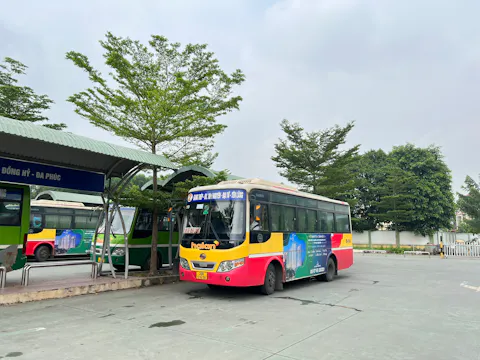
Master your travel logistics from Hanoi and Noi Bai International Airport to Vietnam's famed green tea capital with this ultimate transportation guide. Discover seamless transit options across the Hanoi–Thai Nguyen corridor, including high-frequency public coaches from My Dinh Bus Station, luxurious door-to-door limousine vans, scenic state railway trains, private car rentals with drivers, and adventurous motorbike routes. Learn exact travel times, ticketing protocols, terminal navigation, and essential local city transport strategies for an effortless journey.