
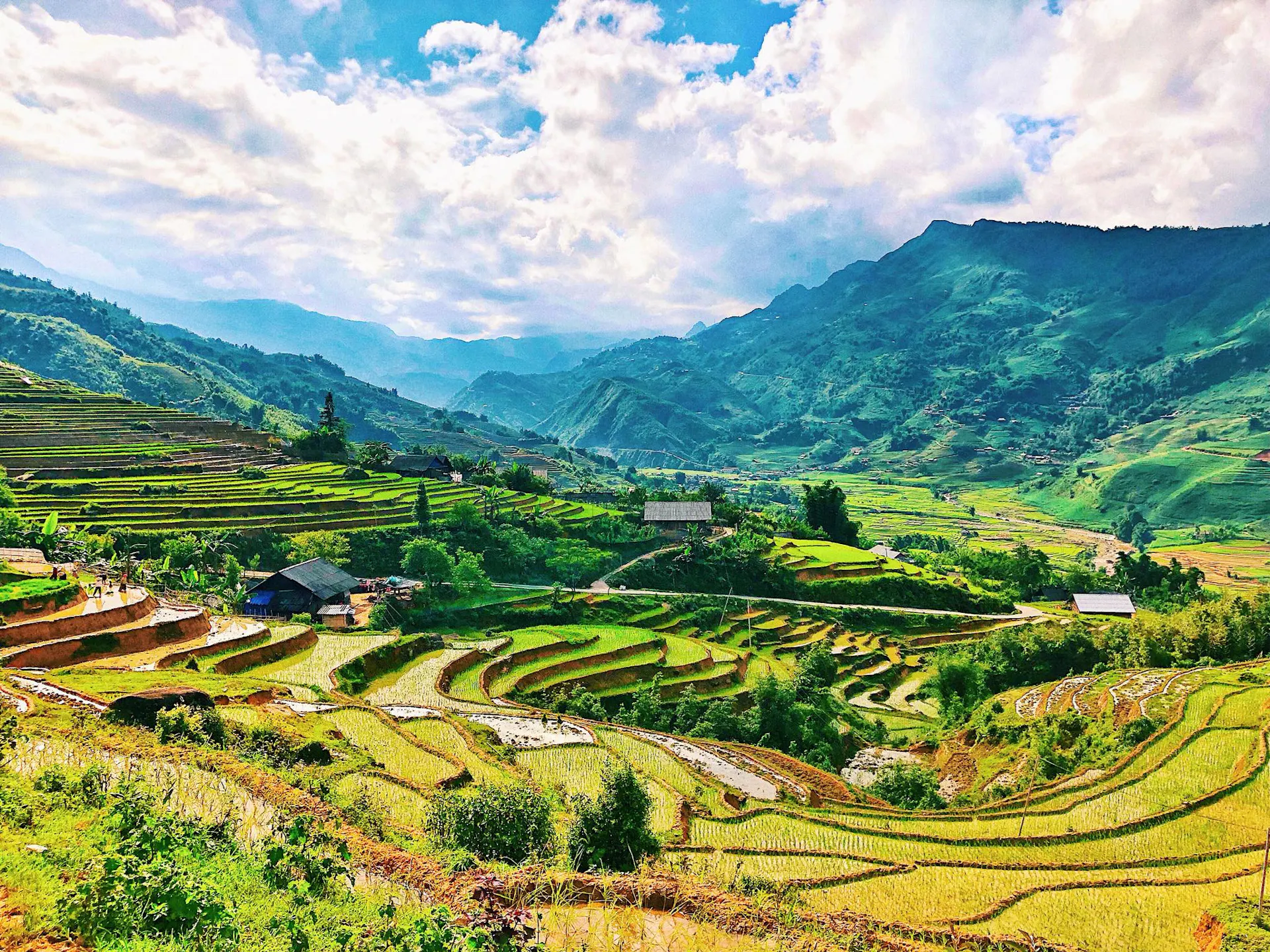
Sapa Travel Guide
Sapa is one of Vietnam's most spectacular mountain destinations, renowned for its breathtaking rice terraces, cool climate, and rich ethnic culture. Nestled in the Hoang Lien Mountains of northern Vietnam, Sapa offers unforgettable trekking routes, panoramic viewpoints, vibrant local markets, and the iconic Fansipan Mountain—the highest peak in Indochina. Whether you're seeking outdoor adventure, cultural experiences, or stunning natural landscapes, this complete Sapa travel guide will help you discover the very best that this remarkable destination has to offer.
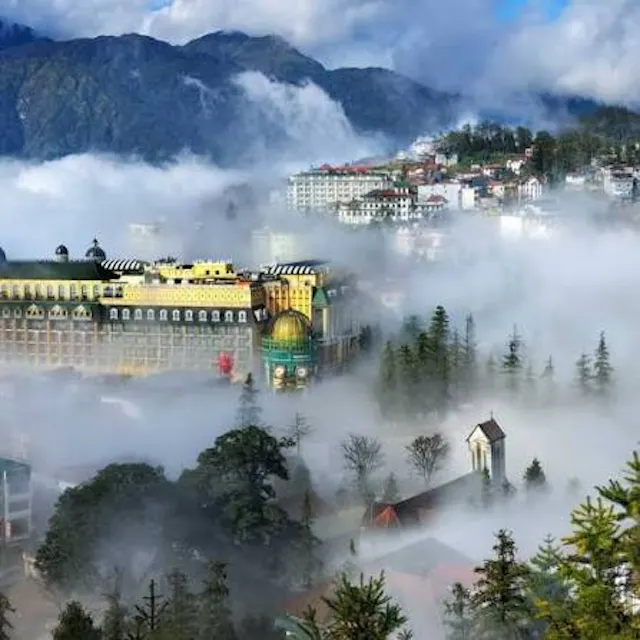
About Sapa
Sapa is a spectacular mountain destination in Lao Cai Province, northern Vietnam, famous for its dramatic rice terraces, misty valleys, rugged mountains, and diverse ethnic cultures. Located in the Hoang Lien Son mountain range, Sapa offers travelers a very different experience from Vietnam's coastal cities and tropical destinations.
The town is surrounded by mountains, forests, waterfalls, terraced fields, and traditional villages. It is particularly popular for trekking, mountain scenery, cultural experiences, and access to Fansipan, the highest mountain in Vietnam.
What Is Sapa?
Sapa is a mountain town in northwestern Vietnam, located at an elevation of roughly 1,500 meters above sea level.
The area was developed as a hill station during the French colonial period and has since become one of Vietnam's best-known mountain destinations.
Today, Sapa combines a busy tourist center with surrounding rural communities where ethnic minority groups continue traditional agricultural and cultural practices.
Fansipan Mountain
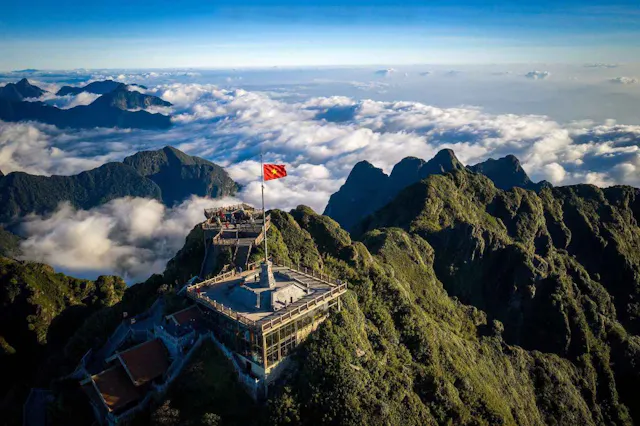
Fansipan is the highest mountain in Vietnam and the tallest peak in the Indochina region.
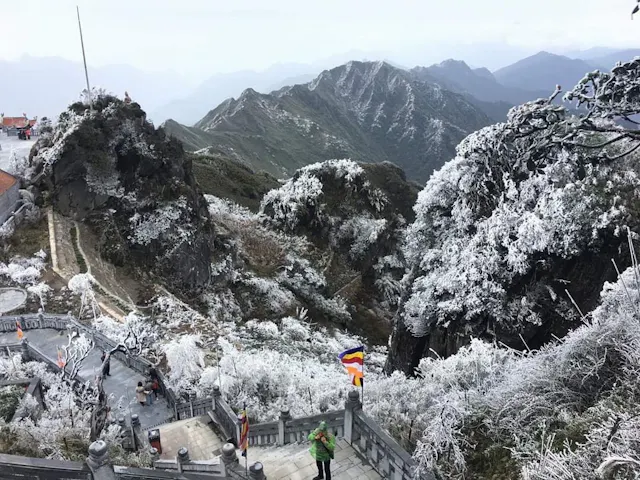
Often called the "Roof of Indochina," Fansipan rises to approximately 3,143 meters above sea level.
Travelers can reach the summit area by hiking or using the modern cable car system.
The cable car provides spectacular views over the Hoang Lien Son mountains and surrounding valleys, making Fansipan accessible even to visitors who do not want to undertake a multi-day trek.
Muong Hoa Valley
Muong Hoa Valley is one of Sapa's most scenic areas.
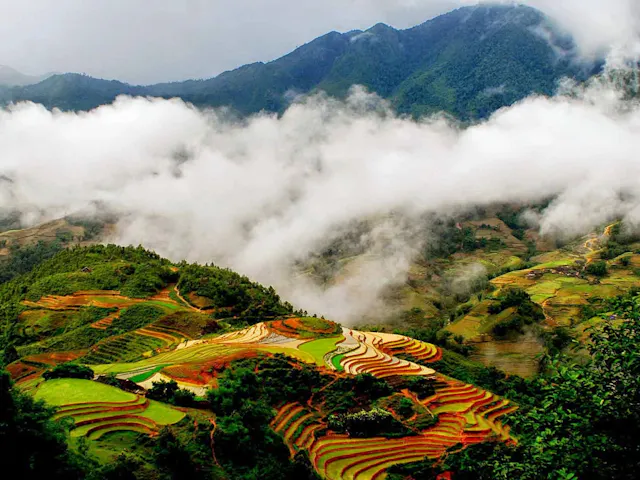
The valley is surrounded by mountains and is famous for its extensive rice terraces.
During the growing season, the terraces create layers of bright green across the hillsides. Around harvest time, the fields turn golden, producing another spectacular landscape.
The valley is also home to several ethnic minority villages and is a popular area for trekking.
Rice Terraces
Sapa's rice terraces are among the most recognizable landscapes in Vietnam.
Generations of farmers have shaped steep mountain slopes into carefully engineered terraces to create areas suitable for rice cultivation.
The terraces are not simply scenic attractions; they remain an important part of local agriculture and livelihoods.
Their appearance changes throughout the year, offering different experiences depending on the season.
Ethnic Minority Cultures
Sapa is home to communities including the Hmong, Dao, Tay, Giay, and Xa Pho peoples.
Each community has its own traditions, clothing, language, handicrafts, and cultural practices.
Visiting local villages provides travelers with opportunities to learn about these communities and their relationship with the mountain environment.
Travelers should approach cultural experiences respectfully and avoid treating local traditions as tourist performances.
Trekking in Sapa
Trekking is one of the best ways to experience Sapa.
Popular routes pass through rice terraces, bamboo forests, mountain valleys, streams, and ethnic minority villages.
Some trails are relatively easy, while others involve steep climbs and uneven terrain.
Hiring a knowledgeable local guide can make trekking safer and provide valuable information about local history, agriculture, and culture.
Cat Cat Village
Cat Cat Village is one of Sapa's most visited cultural attractions.
The village is associated with the Hmong community and features traditional houses, handicraft workshops, mountain scenery, and walking trails.
Although tourism has become an important part of the area, visitors can still learn about traditional crafts and local lifestyles.
The surrounding valley and waterfall provide attractive scenery for photography.
Ta Van Village
Ta Van Village lies within Muong Hoa Valley and is another popular destination for trekking and cultural experiences.
The village is associated particularly with Tay and Giay communities.
Travelers can find homestays, local restaurants, and walking routes through the surrounding rice terraces.
Staying overnight in a local homestay can provide a more immersive experience than a short daytime visit.
Silver Waterfall
Silver Waterfall, or Thac Bac, is one of the most impressive waterfalls near Sapa.
Water cascades down a steep mountain slope surrounded by forest.
The waterfall is located along the road toward the Hoang Lien Son mountain area and can be combined with visits to other nearby attractions.
The surrounding landscape is particularly beautiful during periods of good weather.
Sapa Food
Sapa's mountain environment influences its local cuisine.
Visitors can try dishes featuring grilled meats, salmon, trout, bamboo shoots, mushrooms, vegetables, and local herbs.
Street food and restaurants around Sapa Town offer a variety of Vietnamese dishes alongside regional specialties.
Hotpot is particularly enjoyable during the colder months.
Best Time to Visit Sapa
Sapa can be visited throughout the year, but different seasons offer different experiences.
March to May generally brings pleasant spring conditions and green mountain landscapes.
September to October is particularly popular for seeing golden rice terraces during harvest season.
Winter can be cold, misty, and occasionally frosty, while summer brings warmer temperatures and occasional heavy rain.
How to Get to Sapa
Travelers can reach Sapa by road from Hanoi, with buses and private transfers taking several hours.
Another popular option is to take an overnight train from Hanoi to Lao Cai, followed by a road transfer to Sapa.
The Lao Cai–Sapa journey takes approximately one hour depending on traffic and transportation.
Getting Around Sapa
Sapa Town is walkable, while taxis, motorcycles, private vehicles, and local tours can be used to reach attractions farther away.
For trekking routes, walking is the main way to explore.
Travelers should consider the terrain and weather when choosing transportation and activities.
Responsible Mountain Travel
Sapa's landscapes and communities are sensitive to the effects of tourism.
Visitors should avoid littering on trekking trails, reduce plastic waste, and respect agricultural land.
When visiting villages, ask permission before photographing people and avoid entering private homes or farmland without invitation.
Choosing locally owned homestays, restaurants, and guides can help ensure tourism benefits local communities.
Why Visit Sapa?
Sapa offers an extraordinary combination of mountain scenery, rice terraces, trekking routes, ethnic cultures, traditional villages, waterfalls, and Fansipan Mountain.
Its landscapes provide some of northern Vietnam's most memorable views, while its diverse communities offer travelers an opportunity to learn about cultures that have developed in the country's mountainous regions for generations.
For travelers seeking outdoor adventure and cultural discovery, Sapa is one of the most rewarding destinations in northern Vietnam.
Sapa Photo Gallery
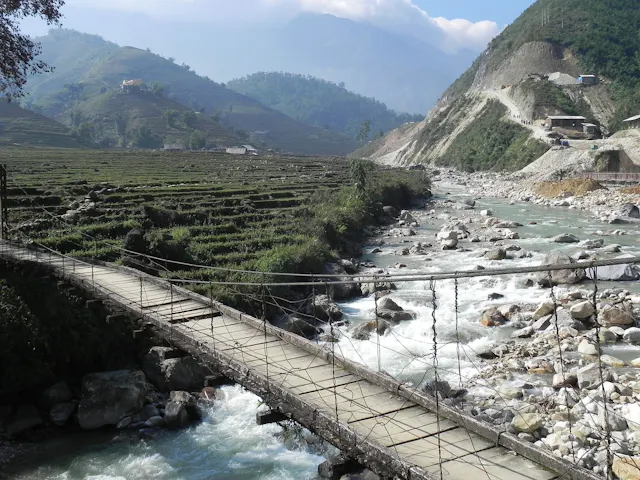
Discover the breathtaking beauty of Sapa through our carefully curated photo gallery. Explore stunning images of terraced rice fields, the majestic Fansipan Mountain, mist-covered valleys, and traditional ethnic minority villages nestled in the Hoang Lien Son Mountains. From the scenic landscapes of Muong Hoa Valley and Cat Cat Village to colorful local markets, mountain trekking trails, and spectacular sunrise views, these photos capture the authentic charm and unforgettable experiences that make Sapa one of Vietnam's most iconic travel destinations.
How to Get to Sapa
Bus and coach
Sleeper buses and limousine coaches are the most popular and affordable ways to reach Sapa. Daily services operate from Hanoi, Ha Giang, Ninh Binh, and other destinations in northern Vietnam. Thanks to the modern Noi Bai–Lao Cai Expressway, the journey from Hanoi typically takes 5.5 to 6.5 hours. Many premium limousine services provide hotel pick-up and drop-off, making travel comfortable and convenient.
Train
Although Sapa does not have its own railway station, travelers can take the overnight train from Hanoi Railway Station to Lao Cai Railway Station, a journey of approximately 8 hours. From Lao Cai, shuttle buses, taxis, and private transfers take around 45 to 60 minutes to reach Sapa. The overnight train remains a popular option for travelers seeking a scenic and comfortable experience.
Driving
Driving to Sapa offers flexibility and spectacular mountain scenery. The Noi Bai–Lao Cai Expressway provides a fast and smooth route from Hanoi before connecting to mountain roads leading into Sapa. Renting a private car or booking a transfer is ideal for families, groups, or travelers wishing to stop at viewpoints and local villages along the way.
Flying
Sapa does not have a commercial airport. The nearest airport is Noi Bai International Airport (HAN) in Hanoi, located approximately 320 kilometers away. After arriving in Hanoi, visitors can continue to Sapa by limousine van, sleeper bus, private car, or overnight train. The total journey generally takes 6 to 8 hours, depending on the chosen mode of transportation.
Frequently Asked Questions About Sapa
What is Sapa famous for?
Sapa is famous for its spectacular terraced rice fields, breathtaking mountain scenery, and diverse ethnic minority cultures. Located in the Hoang Lien Son Mountains, the region is home to Fansipan Mountain, the highest peak in Indochina, as well as popular attractions such as Muong Hoa Valley, Cat Cat Village, and Ta Van Village. Sapa is also one of Vietnam's premier destinations for trekking, cultural experiences, and landscape photography.
When is the best time to visit Sapa?
The best time to visit Sapa is from March to May and September to November. Spring offers pleasant temperatures, blooming flowers, and excellent trekking conditions, while autumn is famous for its golden rice terraces and clear mountain views. Winter can also be a unique experience, with cool temperatures, misty landscapes, and occasional snowfall on the highest peaks.
How many days should I spend in Sapa?
A stay of 3 to 4 days is ideal for exploring Sapa. This gives you enough time to visit Fansipan Mountain, trek through Muong Hoa Valley, discover traditional villages such as Cat Cat and Ta Van, experience local markets, and enjoy the region's spectacular mountain scenery without rushing your itinerary.
Do I need a guide for trekking in Sapa?
For short and well-marked trails, experienced hikers can explore independently. However, hiring a local guide is highly recommended for longer treks or visits to remote ethnic minority villages. Local guides provide valuable cultural insights, help navigate mountain trails safely, and support community-based tourism by creating income opportunities for local families.
Is Sapa worth visiting?
Absolutely. Sapa is one of Vietnam's most iconic travel destinations, offering stunning rice terraces, dramatic mountain landscapes, authentic ethnic cultures, and unforgettable outdoor adventures. Whether you're hiking through picturesque valleys, riding the cable car to Fansipan Mountain, or discovering traditional villages, Sapa provides unique experiences that showcase the natural beauty and cultural diversity of northern Vietnam.
Advertising box
Related Cities In Vietnam
Explore more cities across Vietnam and discover the local dishes, street food, cultural traditions, and culinary specialties that make each destination unique. From the historic streets of Hanoi and Hue to the vibrant food scenes of Ho Chi Minh City and Da Nang, discover where Vietnam's most iconic flavors come from and find inspiration for your next food adventure.
Hoi An Travel Guide
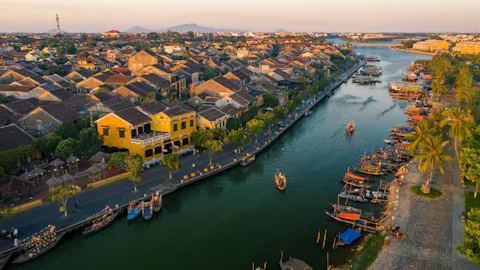
Hoi An is one of Vietnam's most enchanting destinations, renowned for its beautifully preserved Ancient Town, colorful lanterns, riverside charm, and rich cultural heritage. A UNESCO World Heritage Site, Hoi An offers visitors a unique blend of historic architecture, traditional cuisine, artisan workshops, and nearby beaches. Whether you're exploring centuries-old streets, enjoying a lantern-lit evening along the Thu Bon River, or taking a day trip to My Son Sanctuary, this comprehensive travel guide will help you experience the very best of Hoi An.
Ha Giang Travel Guide
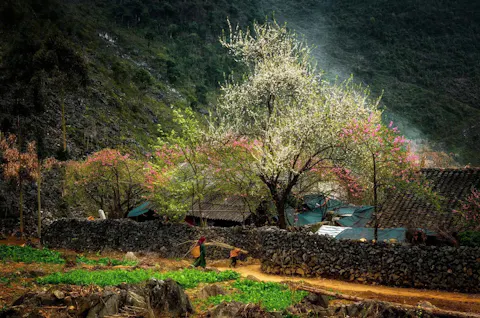
Ha Giang is Vietnam's northernmost province, renowned for its spectacular mountain landscapes, winding roads, vibrant ethnic cultures, and the world-famous Ha Giang Loop. From conquering the breathtaking Ma Pi Leng Pass and cruising along the emerald Nho Que River to exploring traditional villages and the UNESCO-listed Dong Van Karst Plateau, Ha Giang offers unforgettable adventures. Whether you're planning a motorbike journey or a cultural escape, this complete travel guide will help you experience the very best of northern Vietnam.
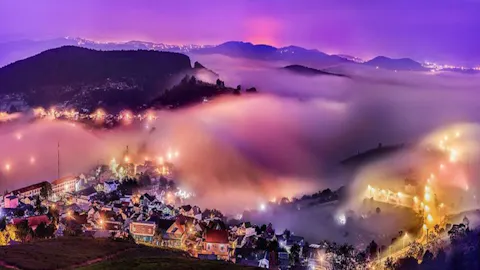
Da Lat Travel Guide
Da Lat is a picturesque mountain city in Vietnam's Central Highlands, famous for its cool climate, rolling pine forests, colorful flower gardens, and charming French colonial architecture. From scenic lakes and breathtaking waterfalls to bustling night markets and local coffee culture, Da Lat offers unforgettable experiences for every traveler. Whether you're seeking outdoor adventures, romantic escapes, or cultural discoveries, this comprehensive travel guide will help you explore the very best of Vietnam's beloved "City of Eternal Spring."
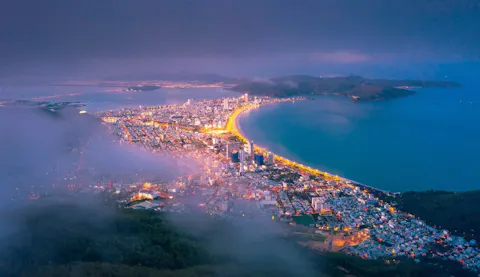
Quy Nhon Travel Guide
Quy Nhon is a charming coastal city in Binh Dinh Province, renowned for its unspoiled beaches, crystal-clear waters, rich cultural heritage, and laid-back atmosphere. From breathtaking coastal landscapes like Ky Co Beach and Eo Gio to fresh seafood, ancient Cham towers, and authentic local experiences, Quy Nhon offers something for every traveler. Whether you're planning a relaxing beach holiday, a cultural escape, or an outdoor adventure, this comprehensive travel guide will help you discover the very best of Quy Nhon.