
Bai Dinh Pagoda
Bai Dinh Pagoda is the largest Buddhist temple complex in Vietnam and one of Southeast Asia's most impressive spiritual destinations. Located in Ninh Binh near the Trang An Scenic Landscape Complex, the site features magnificent halls, towering Buddha statues, ancient temples, and breathtaking mountain scenery. Visitors can explore peaceful courtyards, admire remarkable Buddhist architecture, learn about Vietnam's religious heritage, and enjoy one of the country's most significant cultural and pilgrimage sites.
About Bai Dinh Pagoda
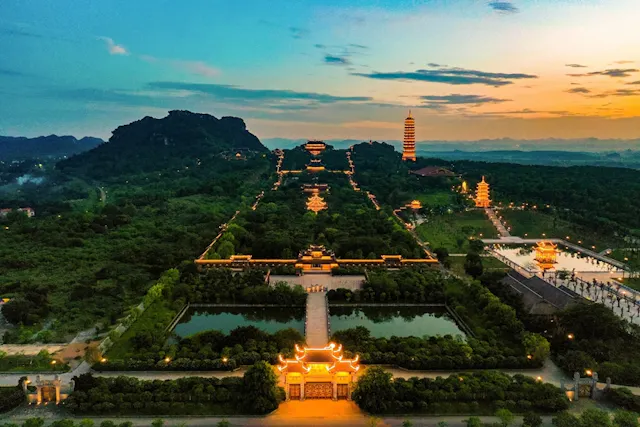
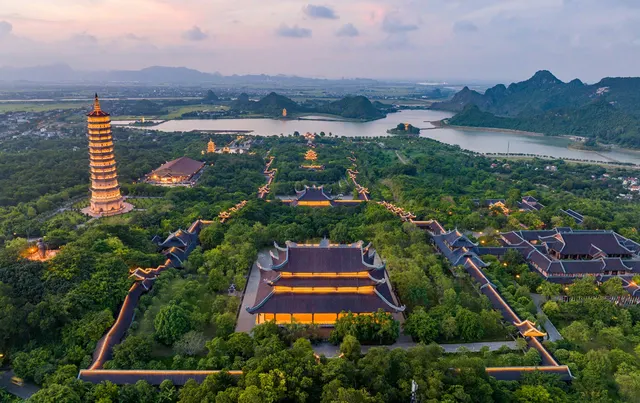
Bai Dinh Pagoda is one of the largest and most impressive Buddhist complexes in Vietnam, located in Gia Sinh Commune, Ninh Binh Province. Surrounded by limestone mountains and green countryside, the complex combines grand Buddhist architecture, enormous statues, long corridors, and peaceful temple courtyards with the dramatic landscapes of northern Vietnam.
Bai Dinh is part of the Trang An Scenic Landscape Complex and has become an important destination for Buddhist pilgrims and travelers interested in Vietnamese culture, architecture, and natural scenery. Its enormous scale makes it very different from the smaller historic pagodas found throughout Vietnam.
What Is Bai Dinh Pagoda?
Bai Dinh Pagoda refers to a large Buddhist complex that includes both an old Bai Dinh Pagoda and a much larger modern temple complex constructed in the 21st century.
The complex sits on the foothills of the Bai Dinh Mountain range, creating a spectacular setting surrounded by limestone peaks and forested landscapes.
The modern complex was designed to preserve Vietnamese Buddhist traditions while providing a large space for religious ceremonies, pilgrimage, and cultural tourism.
The Old Bai Dinh Pagoda
The original Bai Dinh Pagoda is located on the mountain and has a much smaller and more traditional character than the newer complex.
Visitors can reach the old temple by climbing a series of stone steps through the forested hillside.
The historic area includes small shrines, caves, Buddhist statues, and natural rock formations.
This section offers a quieter experience and provides a connection to the site's older religious heritage.
Bai Dinh Bell Tower
One of the most impressive structures in the modern complex is the Bell Tower, or Gac Chuong.
The large three-story structure is built in a traditional Vietnamese architectural style and contains a massive bronze bell.
Its elaborate wooden design, tiled roofs, and surrounding courtyards make it one of the most visually striking buildings in Bai Dinh.
The tower is also an important stop for visitors exploring the main complex.
The Three-Story Entrance Gate
The main entrance to Bai Dinh features a monumental Tam Quan Gate, designed with multiple levels and traditional Vietnamese roof forms.
The scale of the gate immediately demonstrates the enormous size of the complex.
From the entrance, visitors can follow long corridors and pathways toward the main temples and courtyards.
Long Corridors and Arhat Statues
One of Bai Dinh's most distinctive features is its extensive network of covered corridors lined with Arhat statues.
Hundreds of stone statues represent Buddhist disciples in different poses and expressions.
The corridors extend for a considerable distance around the temple complex and create one of the site's most recognizable visual features.
Walking through these corridors provides visitors with an opportunity to observe the craftsmanship and variety of the sculptures.
Bai Dinh's Giant Buddha Statue
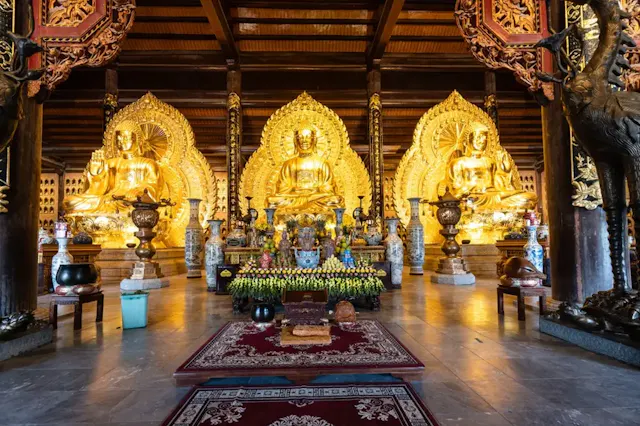
The complex is home to a monumental Shakyamuni Buddha statue, which is among its most impressive religious sculptures.
The large bronze Buddha creates a dramatic focal point inside the main temple.
Visitors can admire the statue and the elaborate interior architecture surrounding it.
The scale of the sculpture reflects the monumental character of the modern Bai Dinh complex.
Quan The Am Temple
Another important building is the temple dedicated to Quan The Am, the Vietnamese Buddhist representation of Avalokitesvara, the bodhisattva associated with compassion.
The temple contains a large statue and traditional Buddhist decorative elements.
Its architectural design follows the overall style of the complex while providing a more intimate religious space.
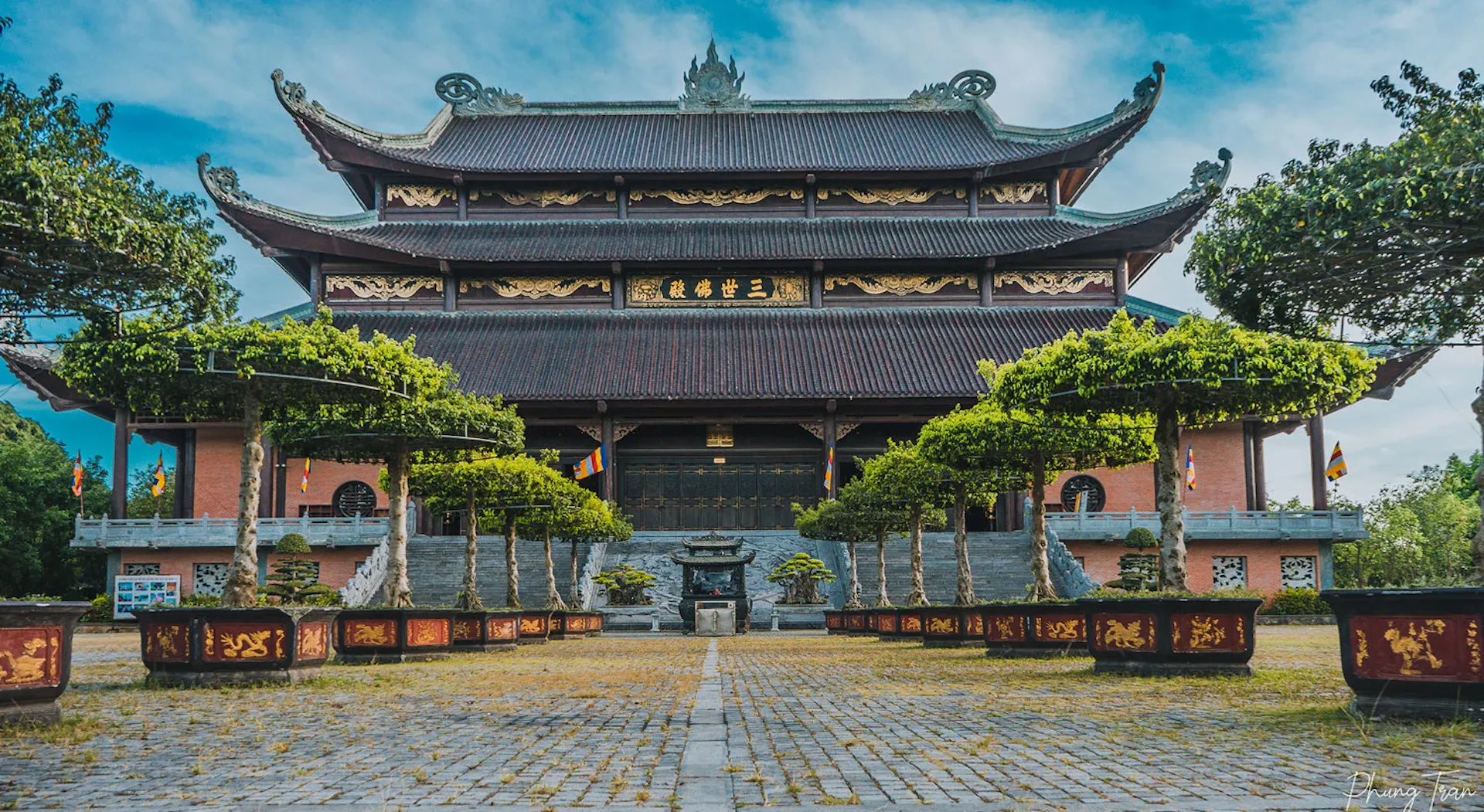
Tam The Palace
Tam The Palace is one of the largest and most important buildings at Bai Dinh.
The hall contains statues representing the Three Buddhas and features an enormous interior decorated with traditional Buddhist imagery.
The building's scale, wooden architecture, tiled roofs, and carefully arranged religious sculptures demonstrate the monumental ambitions of the complex.
Scenic Mountain Landscape
Bai Dinh's natural setting is an important part of its appeal.
The complex is surrounded by the limestone mountains and karst landscapes characteristic of Ninh Binh.
Visitors can see forested hills, rocky cliffs, valleys, and rural landscapes from different parts of the temple grounds.
The combination of massive Buddhist architecture and dramatic natural scenery makes Bai Dinh particularly impressive for photography.
Buddhist Festivals
Bai Dinh is especially busy during the Bai Dinh Pagoda Festival, traditionally held around the beginning of the lunar year.
Pilgrims travel to the complex to pray, make offerings, participate in ceremonies, and explore the temples.
Spring is therefore an excellent time to experience the religious and cultural atmosphere of Bai Dinh, although visitors should expect large crowds.
Best Time to Visit
The cooler months from January to April are generally comfortable for exploring Bai Dinh.
Spring is the busiest period because of Buddhist festivals and traditional pilgrimage activities.
For travelers who prefer a quieter experience, visiting outside major festivals can provide more space to explore the temples.
Morning visits are recommended because the complex is large and requires considerable walking.
How to Get to Bai Dinh Pagoda
Bai Dinh Pagoda is located approximately 15 kilometers from Ninh Binh City and around 95 kilometers from Hanoi.
Visitors can reach the complex by private car, taxi, organized tour, or other road transportation.
It is commonly combined with Trang An, Hoa Lu Ancient Capital, and Tam Coc as part of a Ninh Binh itinerary.
Because the complex is very large, visitors should allow several hours to explore the major temples and surrounding areas.
What to Expect When Visiting
Bai Dinh is a large religious and tourism complex, so visitors should expect significant walking.
Electric shuttle services may be available to help travelers move between different areas.
Comfortable shoes, water, sun protection, and modest clothing are recommended.
As Bai Dinh remains an active Buddhist destination, visitors should respect religious ceremonies and maintain appropriate behavior inside temples.
Why Visit Bai Dinh Pagoda?
Bai Dinh Pagoda offers a remarkable combination of Vietnamese Buddhist culture, monumental architecture, religious sculpture, and limestone mountain scenery.
From the historic mountain temple and long Arhat corridors to the enormous halls, bronze statues, and scenic views, the complex provides one of the most impressive Buddhist experiences in northern Vietnam.
For travelers exploring Ninh Binh, Bai Dinh is an essential cultural attraction and an excellent complement to the region's famous rivers, caves, mountains, and ancient heritage sites.
Bai Dinh Pagoda Photo Gallery
Browse beautiful images of Bai Dinh Pagoda and experience the scale, beauty, and spiritual significance of Vietnam’s largest Buddhist temple complex. Explore sacred architecture, giant Buddha statues, mountain landscapes, and the tranquil atmosphere that attracts pilgrims and travelers from around the world.


How to Get to and Around Bai Dinh Pagoda
Bus and coach
Regular buses and limousine services operate between Hanoi and Ninh Binh, with travel times of approximately 2–3 hours. Upon arriving in Ninh Binh City, visitors can take a taxi, shuttle, or local transport to Bai Dinh Pagoda, which is about 15 kilometers away.
Train
Travelers can take a train from Hanoi Railway Station to Ninh Binh Railway Station. The journey typically takes around 2–2.5 hours. From the station, taxis and private transfers provide convenient transportation to Bai Dinh Pagoda.
Driving
Driving is one of the most flexible ways to visit Bai Dinh Pagoda. The route from Hanoi follows major highways and generally takes about 2 hours by car. Parking facilities are available near the entrance of the temple complex.
Flying
The nearest major airport is Noi Bai International Airport in Hanoi, located approximately 120 kilometers from Bai Dinh Pagoda. After arriving in Hanoi, visitors can continue by bus, limousine, private transfer, train, or rental car to Ninh Binh.
Frequently Asked Questions About Bai Dinh Pagoda
What is Bai Dinh Pagoda famous for?
Bai Dinh Pagoda is famous for being the largest Buddhist temple complex in Vietnam and one of the largest in Southeast Asia. It is known for its impressive architecture, giant Buddha statues, Arhat corridor, massive bell tower, and beautiful mountain surroundings.
Is Bai Dinh Pagoda free to visit?
Yes, entry to Bai Dinh Pagoda is generally free. However, visitors may need to pay additional fees for optional services such as electric shuttle transportation and access to the Buddhist stupa tower.
How much time should I spend at Bai Dinh Pagoda?
Most visitors spend between 3 and 5 hours exploring the temple complex. Those combining their visit with nearby attractions such as Trang An or Hoa Lu Ancient Capital often dedicate a full day to the area.
When is the best time to visit Bai Dinh Pagoda?
The best time to visit is from January to April when the weather is pleasant and the annual Bai Dinh Pagoda Festival takes place. Early mornings and late afternoons are also ideal for sightseeing and photography.
Can I visit Bai Dinh Pagoda and Trang An in one day?
Yes, many travelers combine Bai Dinh Pagoda with Trang An Landscape Complex in a single day trip. The two attractions are located close to each other and are among the most popular destinations in Ninh Binh.
Is Bai Dinh Pagoda suitable for families and elderly visitors?
Yes, the site is suitable for visitors of all ages. Electric shuttle vehicles are available to help reduce walking distances, making it easier for families with children and elderly travelers to explore the complex.
What should I wear when visiting Bai Dinh Pagoda?
Visitors should dress respectfully by covering shoulders and knees, as Bai Dinh Pagoda is an active religious site. Comfortable footwear is also recommended due to the large size of the complex.
Is Bai Dinh Pagoda worth visiting?
Absolutely. Bai Dinh Pagoda is one of Vietnam’s most significant spiritual landmarks, offering a unique combination of Buddhist culture, monumental architecture, scenic landscapes, and cultural heritage.
Advertising box
Explore More Temples & Pagodas in Vietnam
Journey through Vietnam's rich spiritual heritage by discovering ancient temples, peaceful pagodas, and sacred Buddhist landmarks across the country. From centuries-old imperial sanctuaries and mountain monasteries to riverside temples and vibrant pilgrimage sites, these destinations offer fascinating insights into Vietnamese history, architecture, religion, and cultural traditions while providing tranquil spaces for reflection and unforgettable travel experiences.
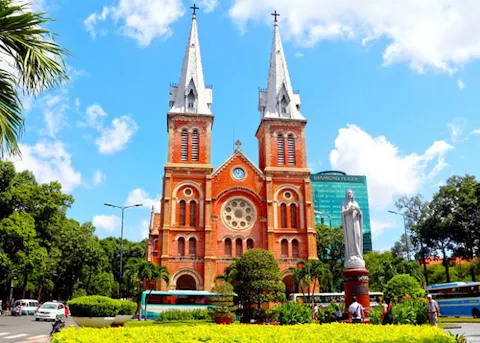
Saigon Notre-Dame Basilica
Saigon Notre-Dame Basilica is one of Ho Chi Minh City's most iconic landmarks and a masterpiece of French colonial architecture. Located in the heart of District 1, the cathedral has stood as a symbol of the city's rich history since the late nineteenth century. Visitors admire its striking red-brick façade, twin bell towers, beautiful stained-glass windows, and peaceful surroundings. This guide introduces the history, architecture, visitor information, nearby attractions, and essential tips for exploring Saigon Notre-Dame Basilica.
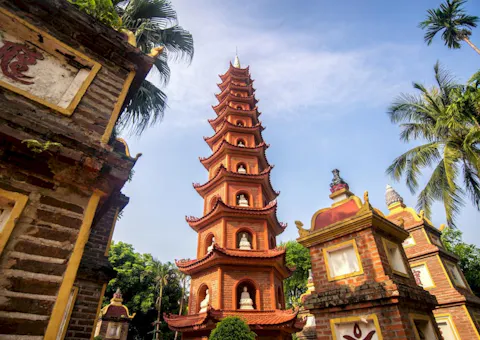
Tran Quoc Pagoda
Located on a small island along the shores of West Lake, Tran Quoc Pagoda is the oldest Buddhist temple in Hanoi, with a history spanning more than 1,500 years. Renowned for its elegant red stupa, peaceful gardens, and beautiful lakeside setting, the pagoda is one of Vietnam's most important spiritual landmarks. Visitors come to admire its historic architecture, learn about Vietnamese Buddhism, enjoy tranquil surroundings, and experience one of Hanoi's most iconic cultural attractions.
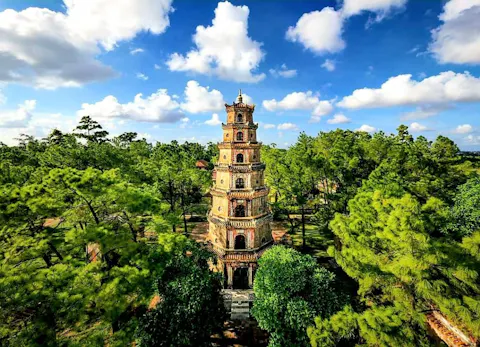
Thien Mu Pagoda
Perched gracefully on the banks of the Perfume River, Thien Mu Pagoda is one of Vietnam's most famous Buddhist landmarks and a symbol of Hue's rich cultural heritage. Founded in 1601, the pagoda is best known for its elegant seven-story Phuoc Duyen Tower, peaceful gardens, and panoramic riverside views. Visitors come to admire its historic architecture, learn about Vietnamese Buddhism, explore sacred relics, and experience the tranquil atmosphere that has inspired generations of travelers.
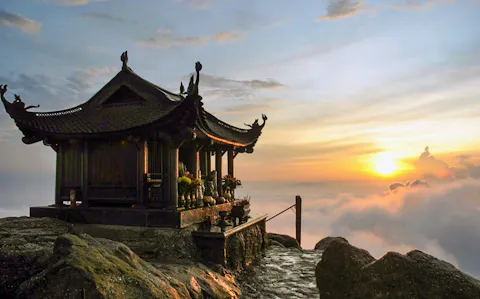
Yen Tu Pagoda
Yen Tu Pagoda is one of Vietnam’s most important spiritual destinations, located on the peaceful Yen Tu Mountain in Quang Ninh Province. Known as the birthplace of Truc Lam Zen Buddhism, this sacred site attracts visitors seeking cultural discovery, spiritual experiences, and breathtaking mountain scenery. Explore ancient pagodas, peaceful forests, and historic landmarks while learning about Vietnam’s Buddhist traditions and royal heritage. Go Visit Vietnam guides you through the history, beauty, and meaningful journey of Yen Tu Pagoda.
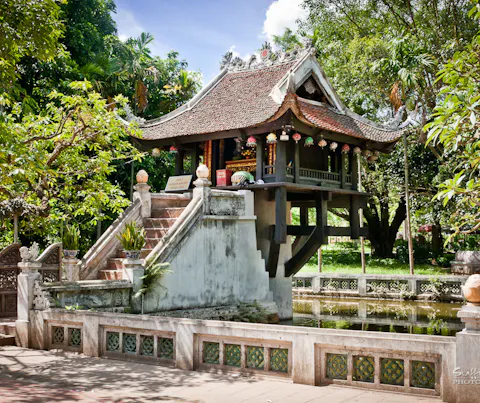
One Pillar Pagoda
One Pillar Pagoda is one of Hanoi’s most recognizable landmarks and a symbol of Vietnam’s rich cultural and Buddhist heritage. Built during the Ly Dynasty, this unique wooden temple is famous for its lotus-inspired design and meaningful spiritual symbolism. Located near the Ho Chi Minh Mausoleum complex, the pagoda offers visitors a peaceful place to explore Vietnam’s history, architecture, and traditions. Discover the story, beauty, and cultural importance of this iconic Hanoi attraction with Go Visit Vietnam.
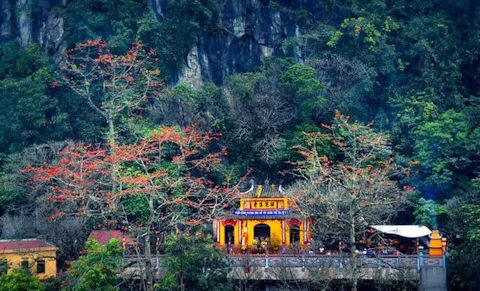
Huong Pagoda
Huong Pagoda is one of Vietnam’s most important Buddhist destinations, located among the limestone mountains and peaceful waterways of Huong Son, Hanoi. Known as a sacred pilgrimage site, the complex features ancient temples, caves, and stunning natural landscapes that attract visitors seeking spirituality, culture, and tranquility. Experience a scenic boat journey, explore historic pagodas, and discover the traditions behind one of Vietnam’s largest religious festivals. Go Visit Vietnam guides you through the history, beauty, and spiritual meaning of Huong Pagoda.
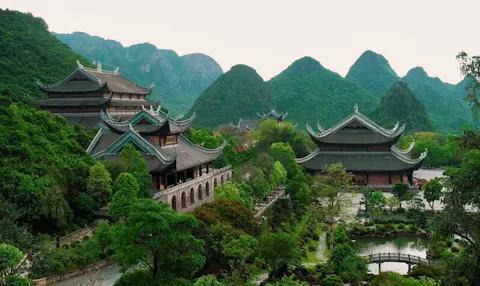
Tam Chuc Pagoda
Tam Chuc Pagoda is the largest Buddhist complex in Vietnam, located in Ha Nam Province and surrounded by dramatic limestone mountains and peaceful lakes. Known for its grand architecture and spiritual atmosphere, Tam Chuc offers visitors a unique combination of cultural heritage, natural beauty, and religious significance. Explore massive temple halls, serene gardens, and scenic boat rides across Tam Chuc Lake. Go Visit Vietnam introduces you to the history, scale, and spiritual importance of this remarkable pilgrimage destination near Hanoi.
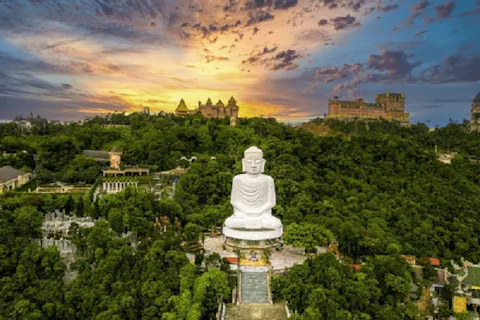
Linh Ung Pagoda
Linh Ung Pagoda is one of the most iconic spiritual destinations in Da Nang, Vietnam, famous for its majestic Giant Lady Buddha statue and breathtaking coastal views. Located on Son Tra Peninsula and associated with the Marble Mountains area, the pagoda offers a peaceful atmosphere surrounded by nature, sea, and mountains. Visitors come to admire its impressive architecture, explore Buddhist culture, and enjoy panoramic scenery. Go Visit Vietnam introduces the history, beauty, and spiritual significance of Linh Ung Pagoda.
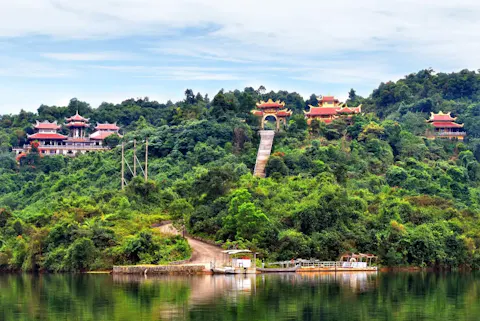
Truc Lam Monastery Da Lat
Truc Lam Monastery is one of Da Lat’s most beautiful spiritual destinations, located on Phung Hoang Mountain overlooking the peaceful Tuyen Lam Lake. Known as one of Vietnam’s largest Zen Buddhist monasteries, it offers a serene atmosphere surrounded by pine forests, gardens, and mountain landscapes. Visitors can explore traditional Buddhist architecture, enjoy peaceful scenery, and experience a moment of relaxation away from the city. Go Visit Vietnam introduces the history, beauty, and spiritual charm of Truc Lam Monastery Da Lat.
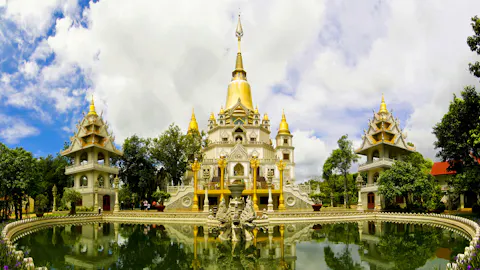
Buu Long Pagoda
Buu Long Pagoda is one of Ho Chi Minh City’s most beautiful Buddhist landmarks, famous for its unique Thai-inspired architecture, peaceful gardens, and serene atmosphere. Located in Thu Duc City, the pagoda combines Vietnamese, Thai, and Indian Buddhist influences, creating a distinctive cultural experience. Visitors can admire the impressive Gotama Cetiya stupa, explore elegant temple spaces, and enjoy panoramic views surrounded by nature. Go Visit Vietnam introduces the history, architecture, and spiritual beauty of this hidden gem in Southern Vietnam.
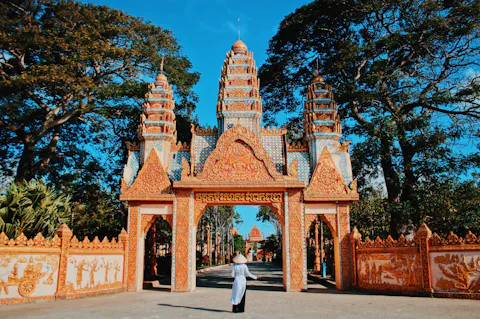
Xiem Can Pagoda
Xiem Can Pagoda is one of the most impressive Khmer Buddhist temples in Southern Vietnam, located in Bac Lieu Province. Known for its colorful architecture, intricate decorations, and peaceful spiritual atmosphere, the pagoda reflects the rich cultural heritage of the Khmer community in the Mekong Delta. Visitors can admire traditional temple designs, learn about Buddhist traditions, and experience the unique blend of culture, history, and religion. Go Visit Vietnam introduces the beauty and significance of this remarkable cultural landmark in Southern Vietnam.