
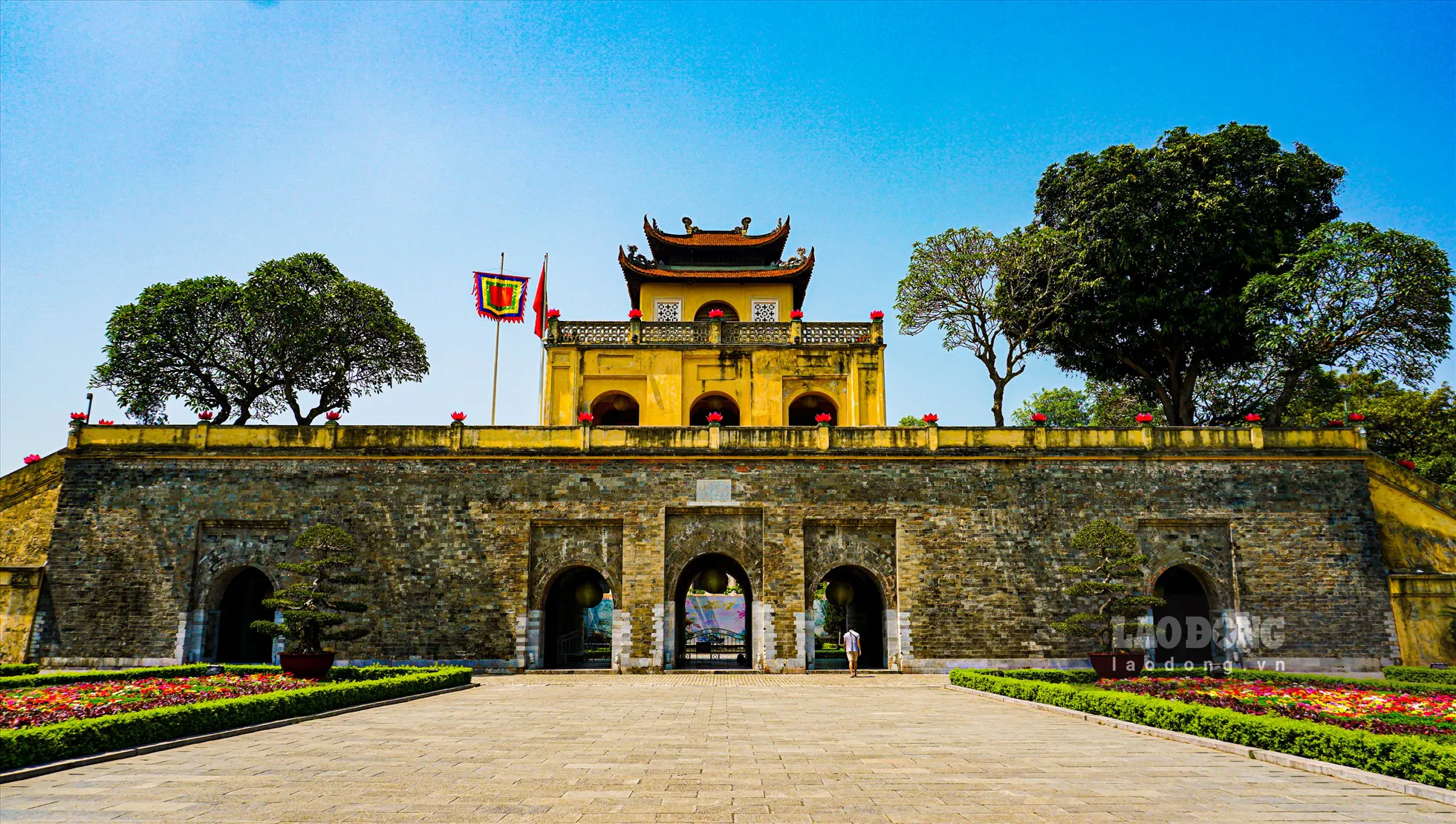
Explore the Imperial Citadel of Thang Long, a UNESCO World Heritage Site and one of Vietnam's most important historical landmarks. Discover centuries of royal history, archaeological treasures, and the cultural legacy of Hanoi's ancient imperial capital.
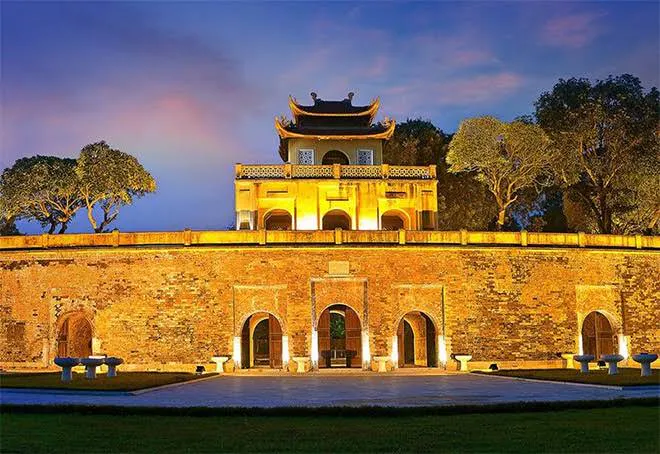
The Imperial Citadel of Thang Long is one of Vietnam's most significant historical and cultural landmarks, representing more than a thousand years of continuous history in the heart of Hanoi. Recognized as a UNESCO World Heritage Site in 2010, the citadel served as the political, cultural, and military center of Vietnam for centuries and remains a powerful symbol of the nation's heritage and resilience.
The origins of the site date back to the 7th century, but its greatest significance began in 1010 when Emperor Ly Thai To established Thang Long as the capital of Dai Viet. Over the following centuries, the citadel became the seat of power for several Vietnamese dynasties, including the Ly, Tran, Le, and Nguyen dynasties, each contributing to its architectural and cultural development.
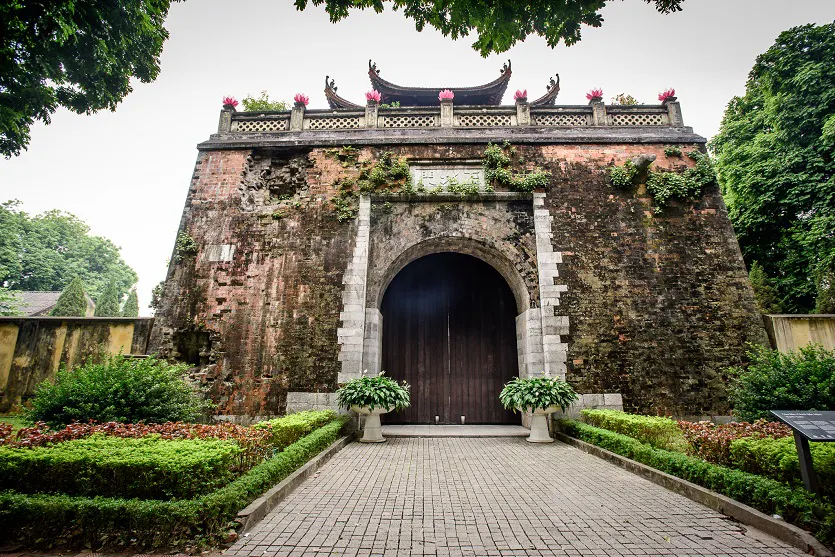
Today, visitors can explore a remarkable collection of historic structures and archaeological remains that reveal the evolution of Vietnam's imperial history. Notable highlights include the Flag Tower of Hanoi, Doan Mon Gate, Kinh Thien Palace foundations, Hau Lau (Princess's Palace), and extensive archaeological excavation sites that have uncovered artifacts spanning more than a millennium.
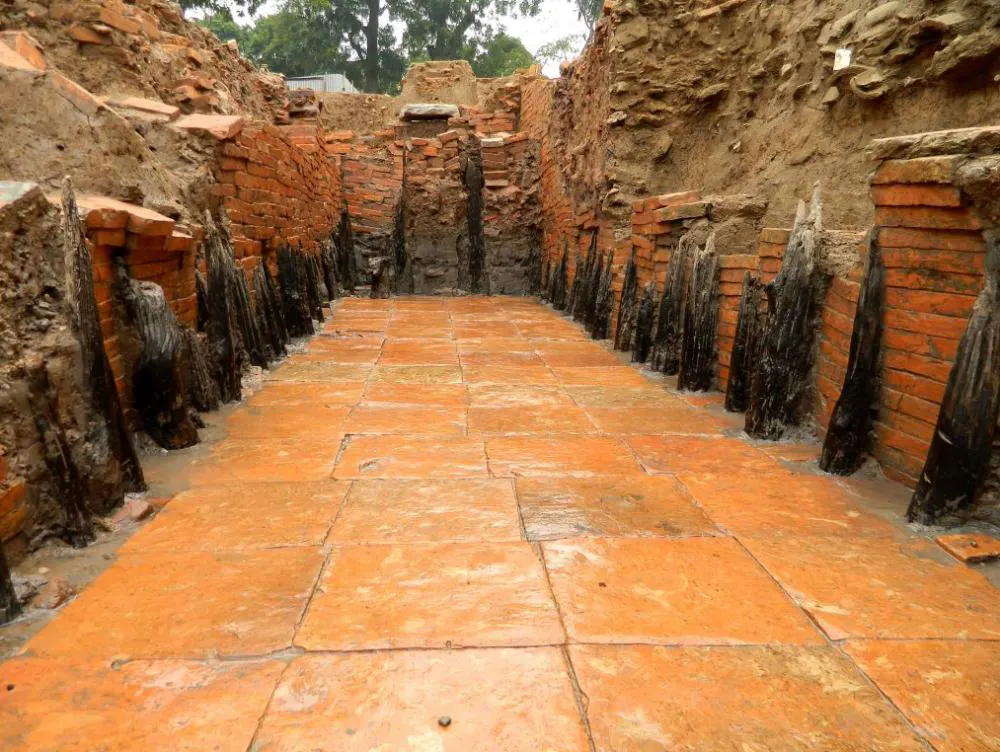
The Imperial Citadel of Thang Long is particularly valued for its archaeological significance. Excavations have revealed layers of cultural relics, ancient foundations, ceramics, royal artifacts, and architectural remains that provide rare insights into the political and cultural life of Vietnam's former imperial capital.
More than just a historic monument, the citadel tells the story of Vietnam's enduring identity through periods of prosperity, conflict, and transformation. Visitors can discover the legacy of emperors, explore centuries-old architecture, and gain a deeper understanding of the nation's rich cultural heritage.
Whether you're passionate about history, archaeology, architecture, or UNESCO World Heritage Sites, the Imperial Citadel of Thang Long offers an unforgettable journey through over 1,000 years of Vietnamese civilization and remains one of the most important attractions in Hanoi.
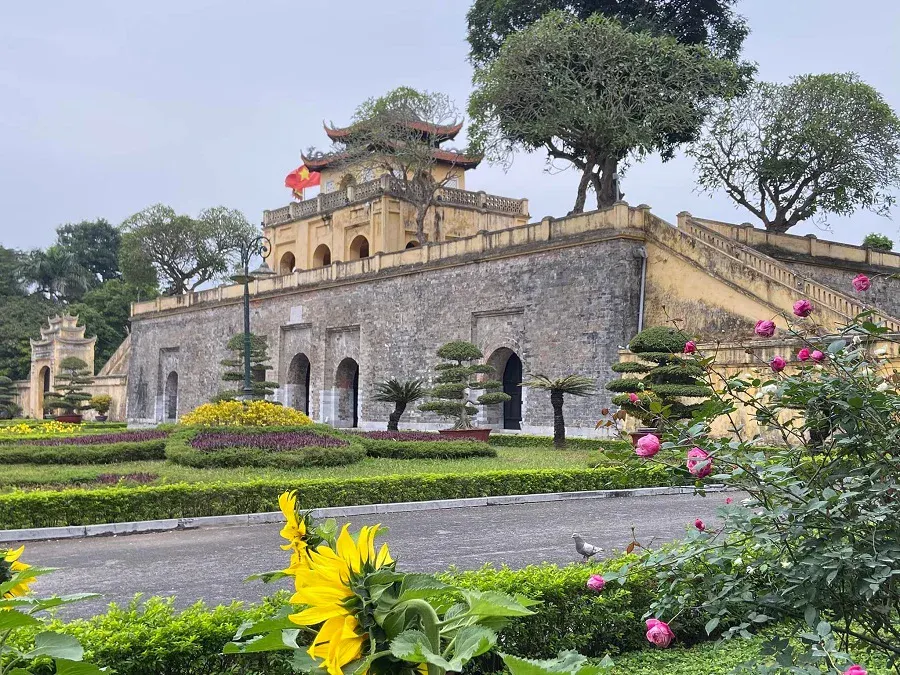
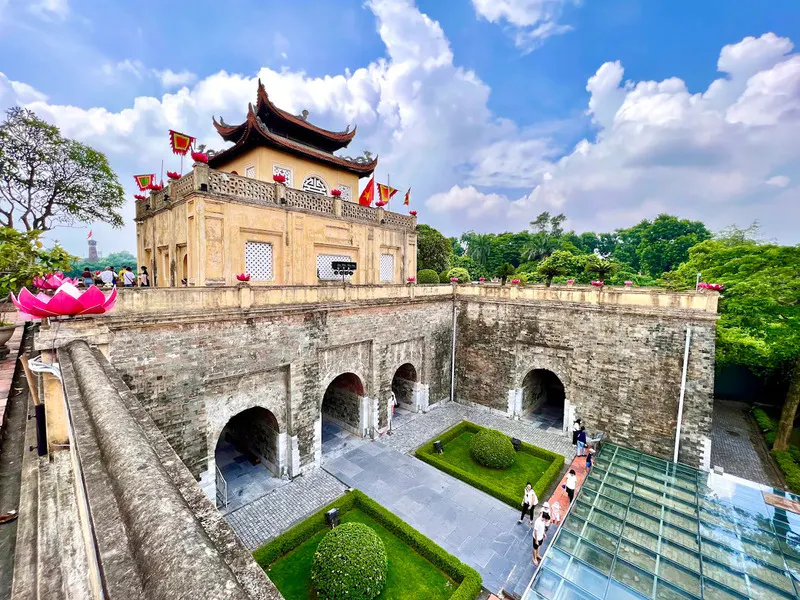
Explore a remarkable collection of images showcasing the Imperial Citadel of Thang Long, a UNESCO World Heritage Site and one of Vietnam's most important historical landmarks. Discover ancient gates, royal foundations, archaeological treasures, historic architecture, and cultural heritage that reflect more than 1,000 years of Vietnamese history in the heart of Hanoi.
Numerous public bus routes connect the Imperial Citadel of Thang Long with different parts of Hanoi. Several bus stops are located within walking distance of the site, providing an affordable and convenient travel option.
Visitors arriving at Hanoi Railway Station can reach the citadel in approximately 10 to 15 minutes by taxi, ride-hailing service, or public bus. The attraction is located close to the city's historic center and major cultural landmarks.
The citadel is easily accessible by car via central Hanoi's main roads. Parking facilities are available near the site, although traffic can be busy during peak hours and holiday periods.
Travelers arriving at Noi Bai International Airport can reach the Imperial Citadel of Thang Long in approximately 40 to 50 minutes by taxi, airport shuttle, or private transfer, depending on traffic conditions.
The Imperial Citadel of Thang Long was the political and cultural center of Vietnam for more than 1,000 years. It served as the seat of power for several Vietnamese dynasties and is considered one of the country's most significant historical and cultural landmarks.
Yes. The Imperial Citadel of Thang Long was inscribed as a UNESCO World Heritage Site in 2010 in recognition of its outstanding historical, cultural, and archaeological value, as well as its continuous role in Vietnamese history for over a millennium.
Visitors can explore historic structures such as Doan Mon Gate, the Flag Tower of Hanoi, Kinh Thien Palace foundations, Hau Lau, archaeological excavation areas, museums, and exhibitions showcasing artifacts from various Vietnamese dynasties.
Most visitors spend between two and three hours exploring the site. History enthusiasts and those interested in archaeology may wish to spend longer discovering the extensive exhibits and historical remains.
Absolutely. The citadel offers a unique opportunity to explore more than a thousand years of Vietnamese history in one location. Its UNESCO status, fascinating archaeological discoveries, and historical significance make it one of Hanoi's must-visit cultural attractions.
Get Scotland inspiration direct to your inbox. Don't miss the inside track from our Scotland experts on exciting trip ideas, unique attractions and hidden gems loved by locals.